Beijing / Practical Guides
How to Pay in Beijing: BEIJING PASS, Alipay, WeChat Pay and Cash Backups
Payment in Beijing is no longer the impossible puzzle many travelers fear, but it still helps to build a stack: one main mobile wallet, one transport backup, one card option, and a little cash for edge cases. The goal is not to use every system. The goal is to never have your museum day, dinner, or airport transfer depend on one app behaving perfectly.
Think in layers: wallet, card, pass, cash
A good Beijing payment setup has four layers. First, Alipay or WeChat Pay for most QR-code spending. Second, a bank card that can work at hotels, ticket machines, or subway gates. Third, BEIJING PASS as a transport-focused backup. Fourth, small cash for moments where apps or terminals fail.
This sounds like overplanning until you are at a subway gate, a ticket counter, a convenience store, or a taxi pickup point and your only payment method wants another verification code. Set up redundancy once, then enjoy the city.
BEIJING PASS is not only for people who hate apps
BEIJING PASS is a rechargeable card designed for overseas visitors. Official Beijing Service materials describe it as a multi-purpose travel card that can be used in Beijing transportation and at designated commercial and cultural tourism locations. It can be purchased at BEIJING PASS self-service machines at the Beijing Service airport counter, with staff consultation on site.
It is especially useful if you want something physical, if your phone battery worries you, if a family member does not want to manage Chinese apps, or if you simply like having a transport card in your pocket. You can recharge through staffed subway windows or self-service devices according to the official guidance.
Tap-to-ride is the most underrated Beijing upgrade
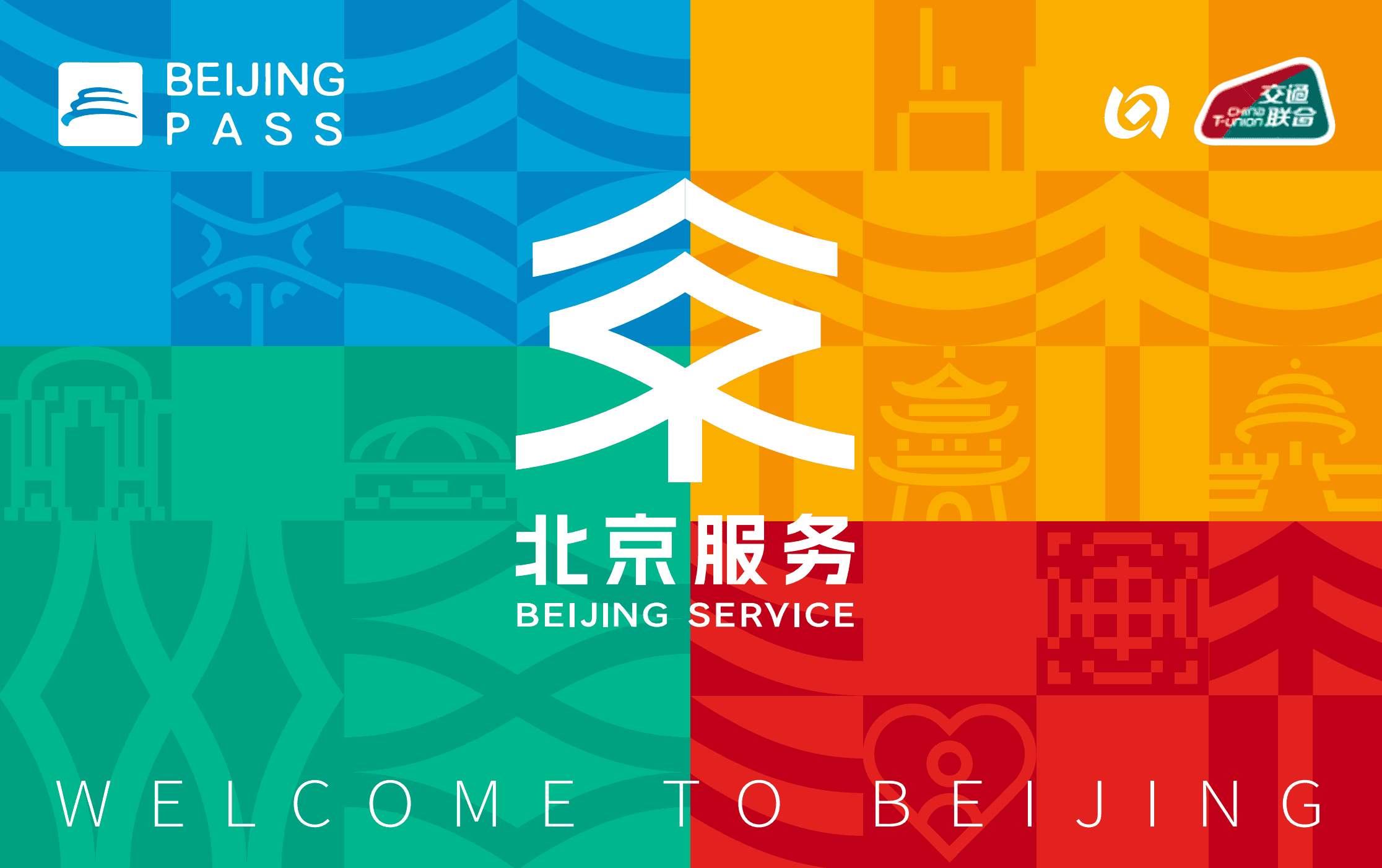
Beijing Subway has expanded foreign-card support in a way that matters for tourists. Official 2026 guidance says Beijing's urban rail transit supports contactless payments for fare gates, ticket purchases, and top-ups through China UnionPay, Mastercard, Visa, JCB, and American Express cards.
This is excellent for visitors because it removes several first-day steps. You do not need to understand every QR-code screen before your first subway ride. Still, test the card at a low-stress station first, and keep another route ready for cards issued in unusual formats or cards blocked by bank risk controls.

Alipay and WeChat Pay: use QR codes, but know the limits
Beijing's official mobile payment guidance says overseas bank cards can be linked to Weixin Pay and Alipay for scenarios such as dining, transportation, hotels, supermarkets, QR codes, mini-programs, and password-free deductions. For a Western visitor, that means your phone can become the main payment tool surprisingly quickly.
Alipay is often the easier first hub because it also connects naturally to transport, translation, mini-programs, and ride-hailing. WeChat Pay is still worth setting up because some merchants, friends, and mini-programs lean WeChat-first. Do the setup before arrival if possible, then test with a small purchase.

Cash is a backup, not the personality of the trip
Cash still exists in Beijing. It can be useful for small emergencies, some buses, older counters, or the moment your phone battery decides to ruin lunch. But a cash-only plan will make daily life harder because many visitor workflows now expect QR payment, card terminals, or app-based ordering.
Carry small notes, not only large bills. If you are taking buses with cash, official Beijing transport guidance warns that drivers may not give change, so exact small notes are useful. For everything else, let cash be the quiet backup behind your phone, card, and BEIJING PASS.