
How Much Cash to Carry in China
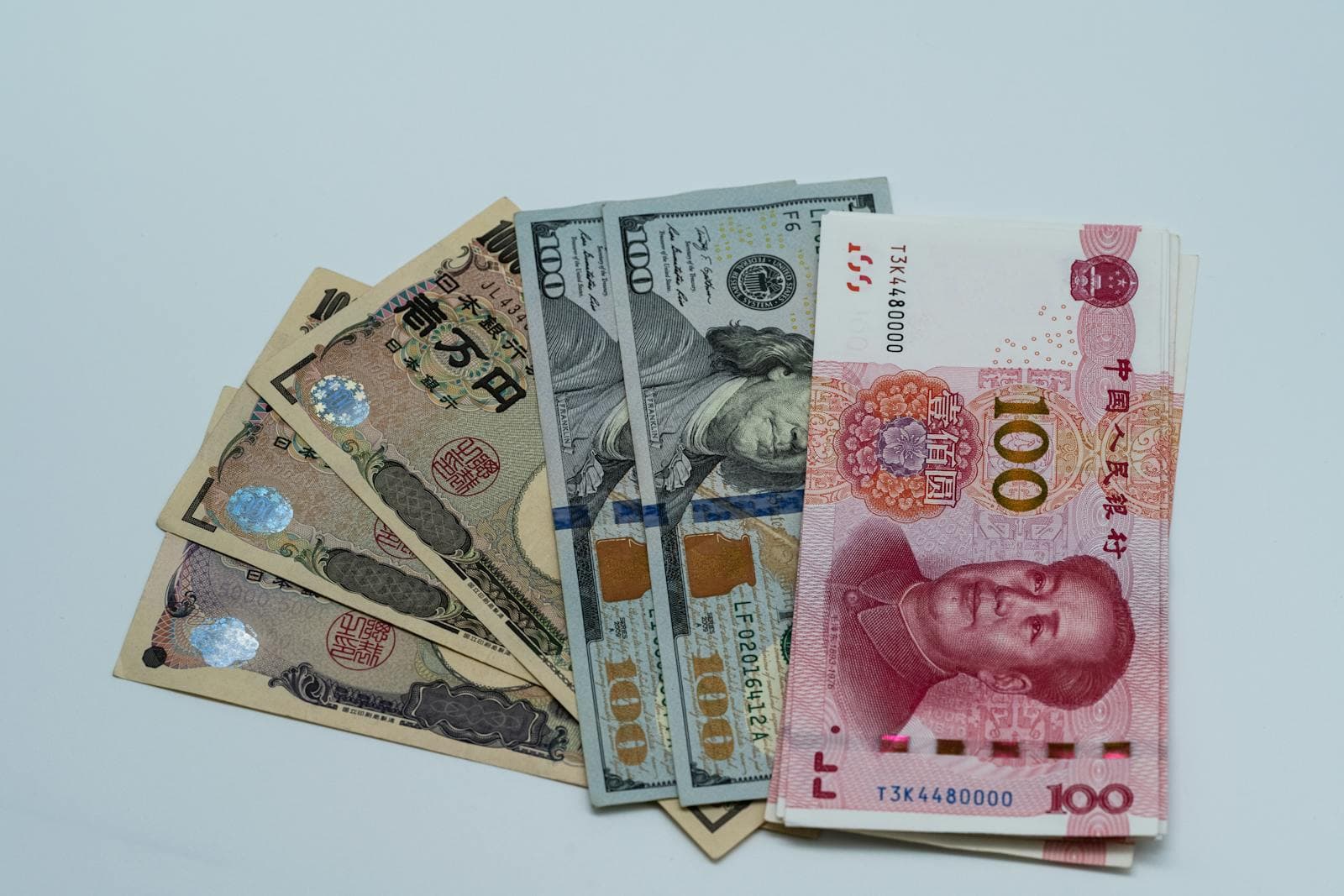
China is mobile-payment-first, but cash still matters when your phone dies, your bank blocks a transaction, a taxi or small vendor creates friction, or you need a quick fallback on arrival. The trick is not to bring a suitcase of cash. Bring a small, useful RMB layer and keep Alipay or WeChat Pay as your main daily payment route.
Difficulty
Easy
Time needed
10-15 minutes
Updated
May 15, 2026
Start here
Quick answer
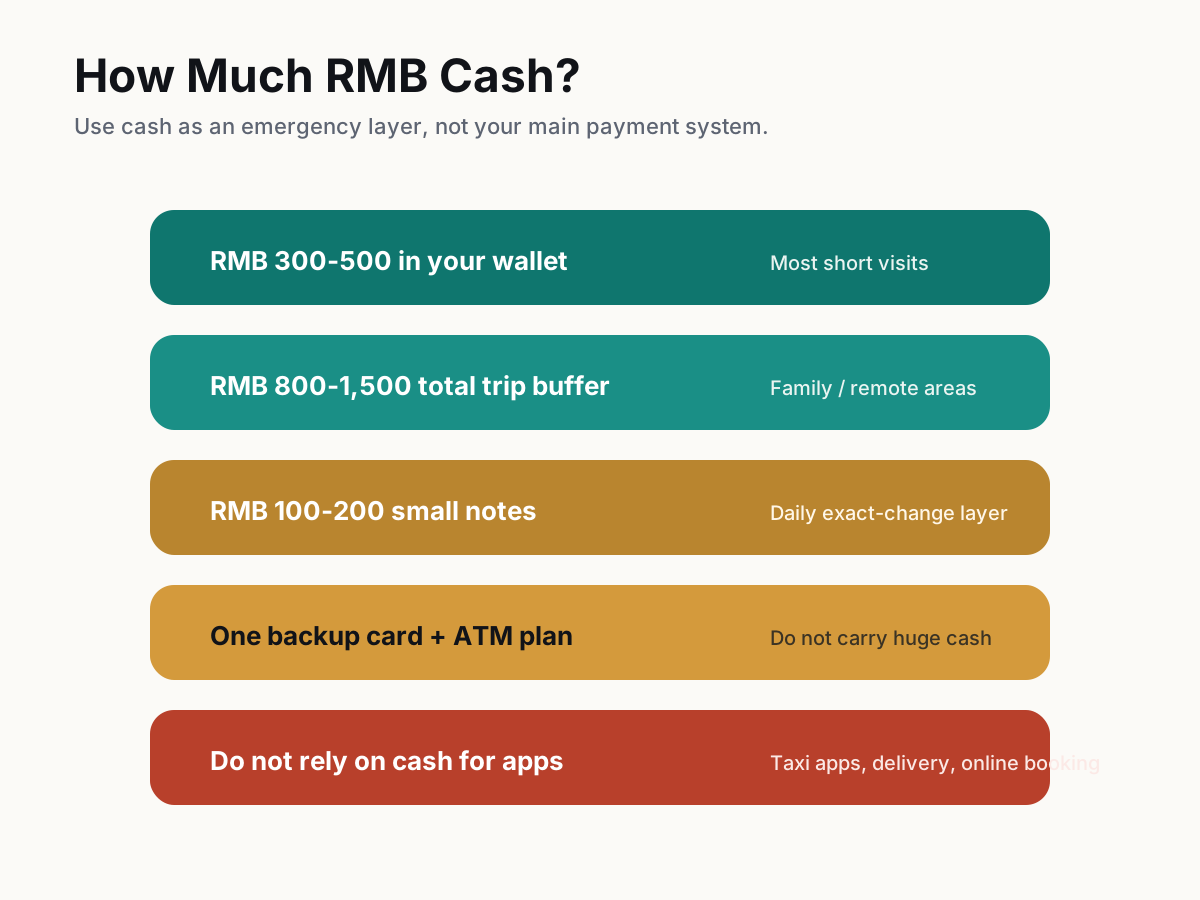
- For most short-term visitors, carry about RMB 300-500 in your wallet as daily backup, ideally in smaller notes such as 10, 20, 50, and a few 100s.
- For a longer trip, family trip, late arrival, or travel outside major cities, keep a total cash buffer around RMB 800-1,500, but do not rely on cash as your main payment system.
- Cash is legal tender in China, and official policy discourages refusing RMB cash, but many real-world workflows are still QR-code-first. Ride-hailing, food delivery, online tickets, mini programs, and some vending machines may still need Alipay, WeChat Pay, or a card/counter backup.
Requirements
- Required: RMB cash in small notes, not only RMB 100 notes.
- Recommended: Alipay and WeChat Pay set up before arrival.
- Recommended: one foreign debit card that can withdraw cash internationally, plus your bank app for travel controls.
- Recommended: passport for bank or exchange-counter currency exchange.
- Optional: exchange receipt if you may exchange leftover RMB back before departure.
Visual manual
Step-by-step guide
Treat cash as backup, not the main system
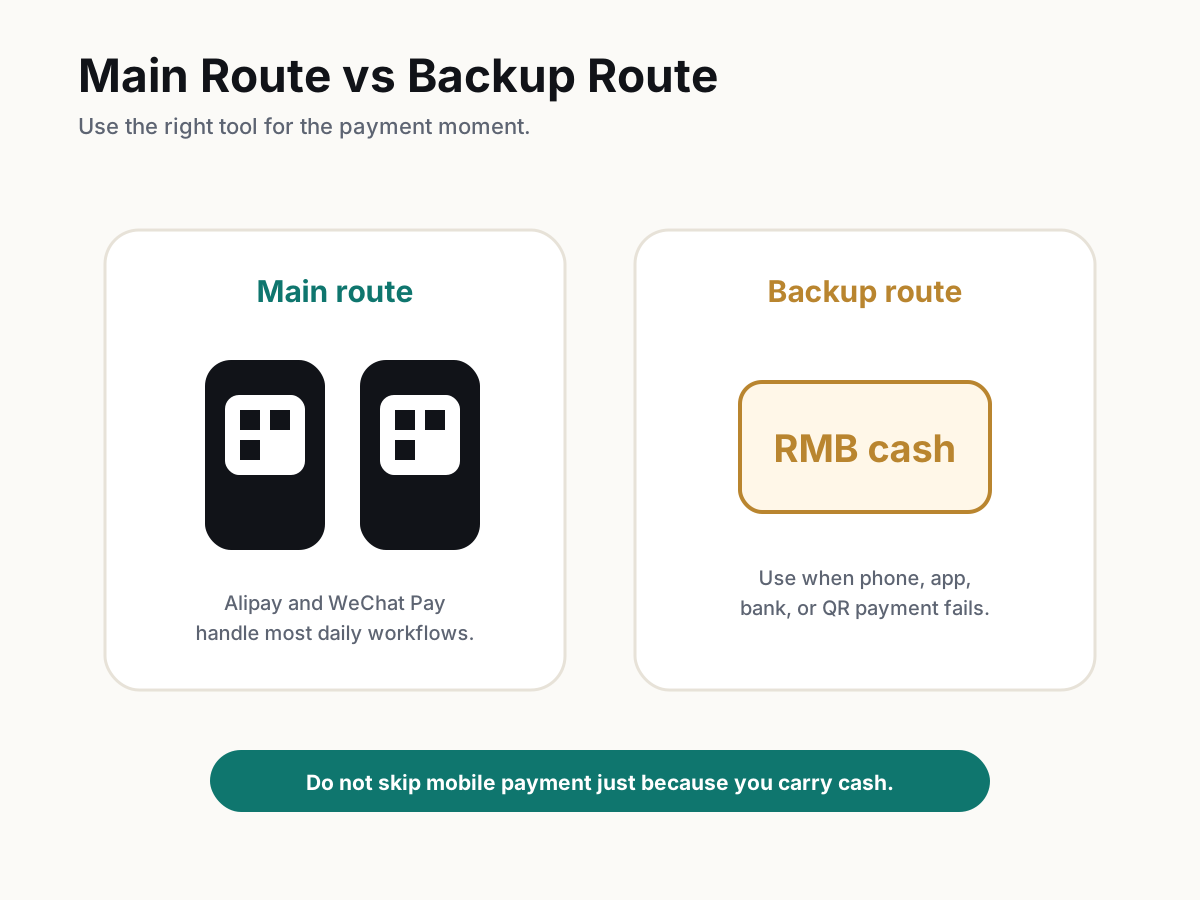
The best payment setup for most foreigners is Alipay first, WeChat Pay second, cash third, and a physical card or service counter as backup. Cash can rescue you when apps fail, but it cannot replace app-based services such as ride-hailing, delivery, online booking, and many mini programs.
Official guidance keeps cash, bank cards, and mobile payment as parallel visitor options, not one single answer.
Carry RMB 300-500 for normal daily backup
For a solo short-stay visitor in a major city, RMB 300-500 is usually enough backup for small purchases, a taxi issue, a phone-battery problem, a payment-app failure, or a deposit surprise. Keep it in your wallet, not buried in luggage.
User reports commonly suggest RMB 200-500 for edge cases, while larger buffers make sense for families, remote travel, or unstable payment setup.
Increase the buffer for family, remote, or late-arrival travel
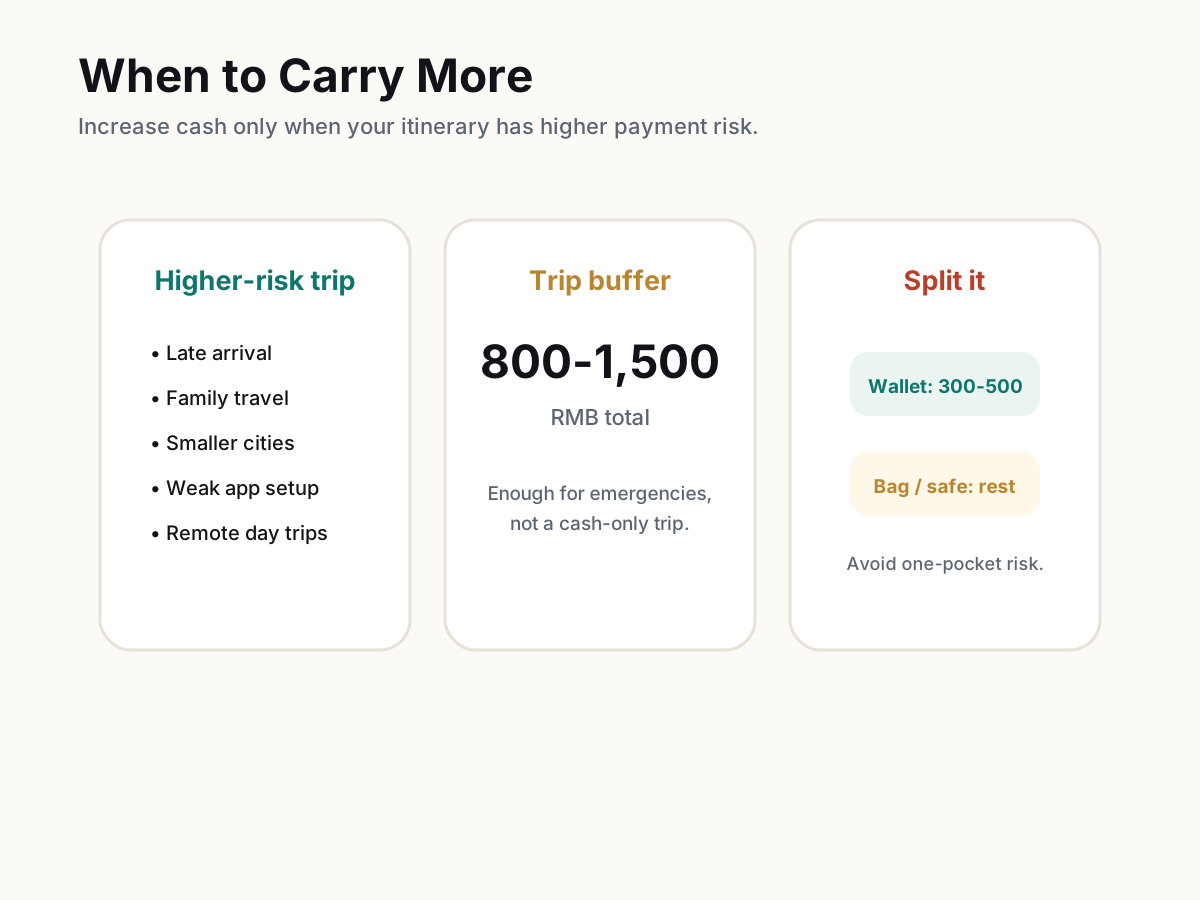
Bring more if you land late, travel with children, visit smaller cities or countryside areas, cannot fully set up Alipay/WeChat Pay, or have a bank card that often blocks international use. A total trip buffer around RMB 800-1,500 can be sensible, kept separately from your daily wallet.
Avoid carrying large amounts unnecessarily. Theft risk, exchange loss, and leftover RMB become annoying fast.
Get RMB from official exchange or ATM routes
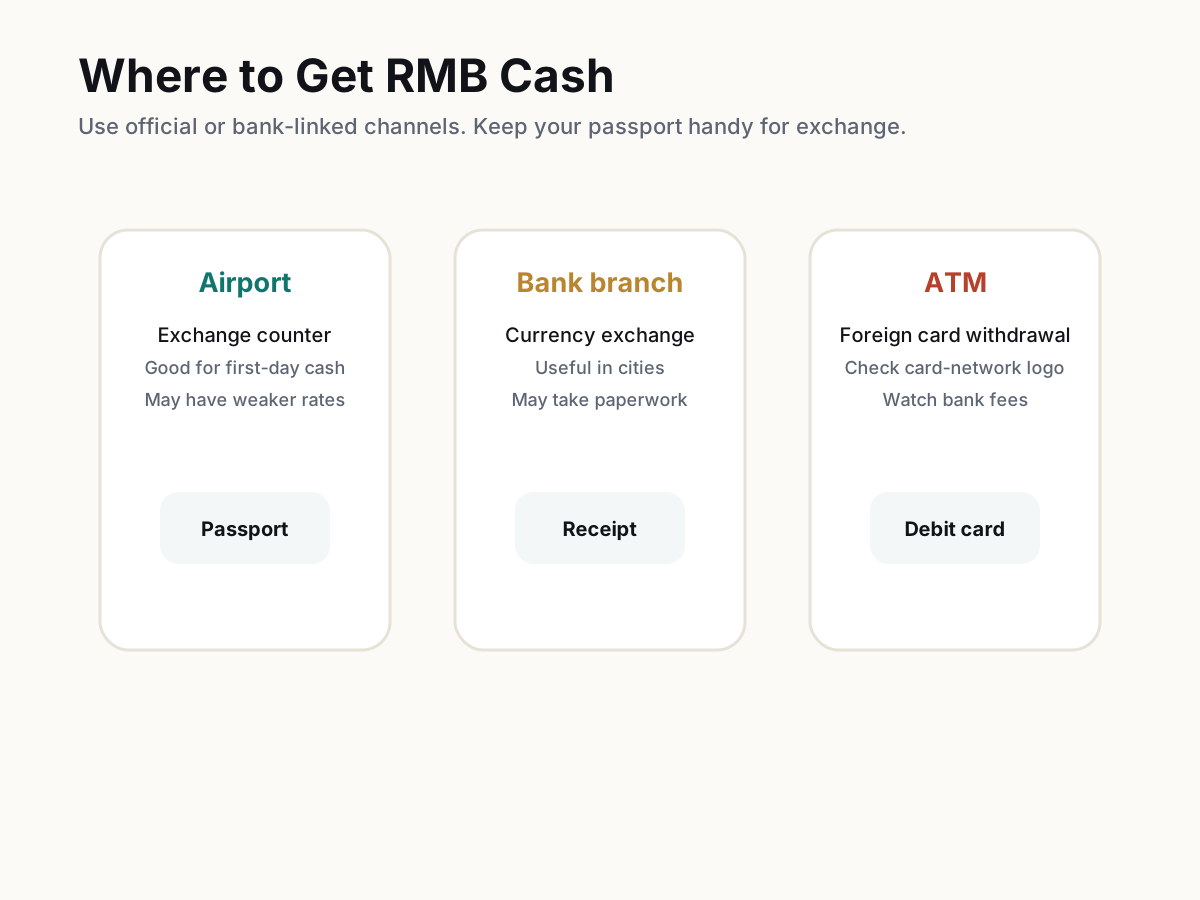
Foreign visitors can exchange currency at bank outlets, qualified exchange institutions, self-service kiosks, and airport exchange points, and can withdraw RMB at ATMs that show the right card-network logo. Use a debit card rather than a credit card for ATM withdrawals when possible, and check your home-bank fees before travel.
Keep your passport available for exchange counters. ATM behavior varies by card issuer and machine.
Break large notes before small purchases
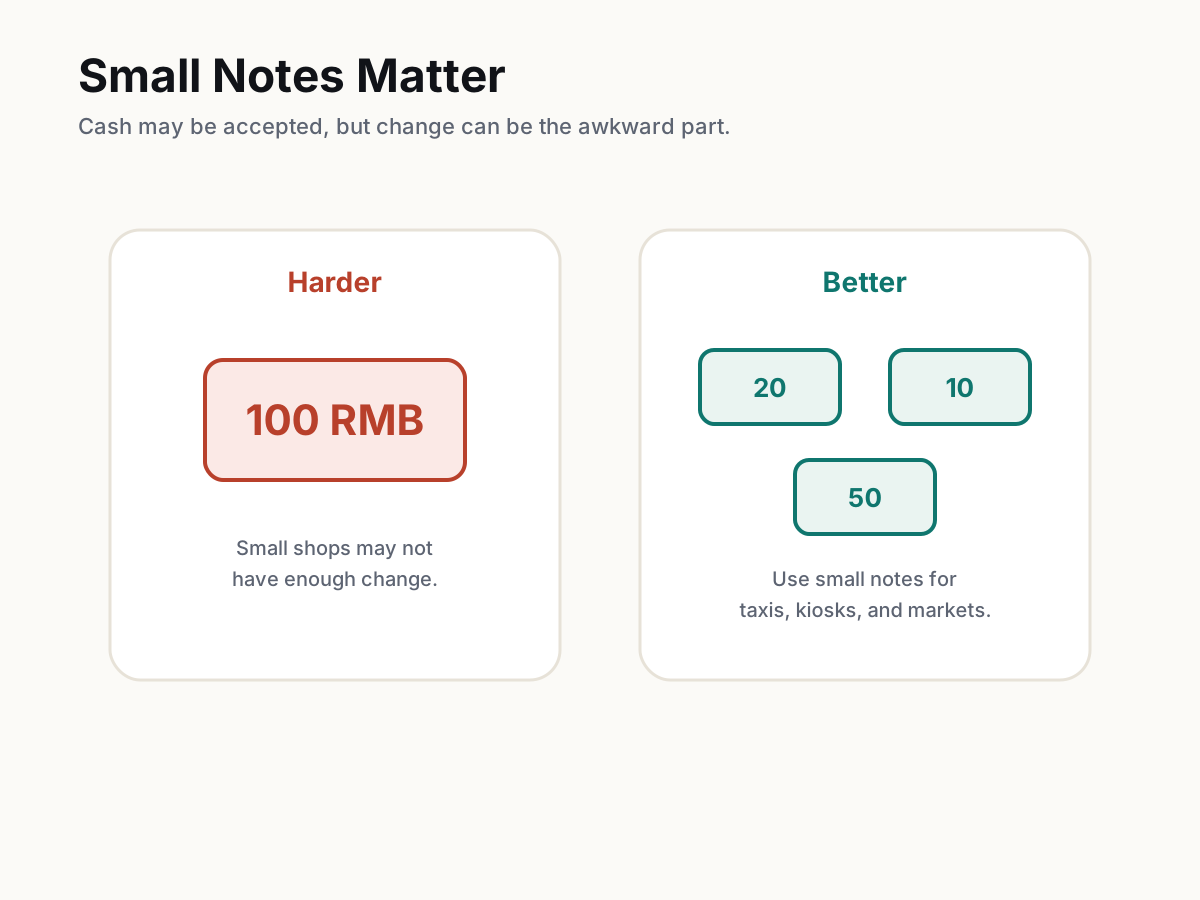
RMB 100 notes are common from ATMs and exchange counters, but they can be awkward for a RMB 6 bottle of water or a small market purchase. Break large notes at a hotel, supermarket, convenience store, or larger merchant before you need exact change.
The practical problem is often not whether cash is legal; it is whether the seller has change.
Use cash where it helps, but know where it is weak
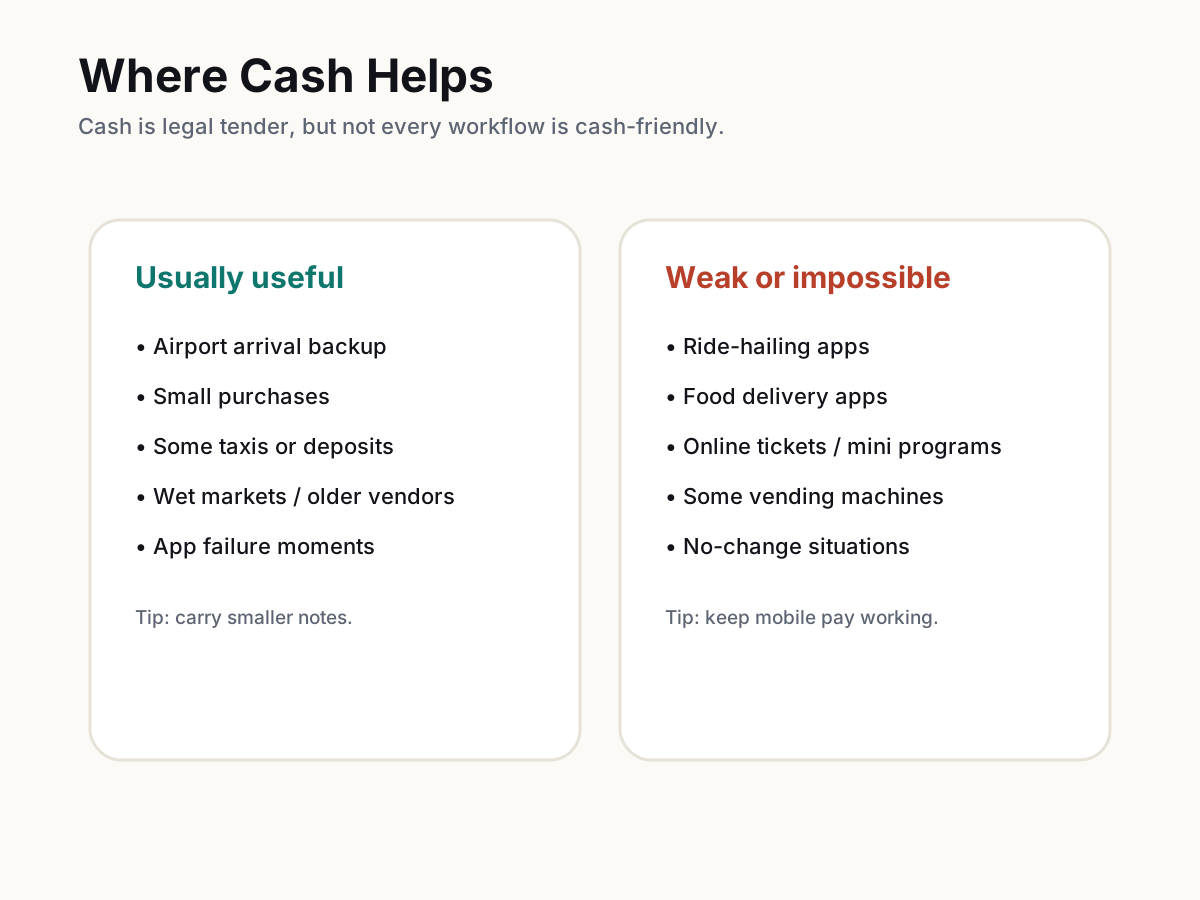
Cash is useful for arrival backup, small purchases, some taxis, wet markets, older vendors, and app-failure moments. It is weak for ride-hailing apps, food delivery, online train or attraction tickets, mini programs, and QR-only self-service machines. For those, fix mobile payment or use a counter/platform route.
If a merchant refuses cash in a normal in-person setting, official PBOC policy is on the side of RMB cash, but arguing at checkout may not be the fastest travel solution.
Plan leftover RMB before leaving China
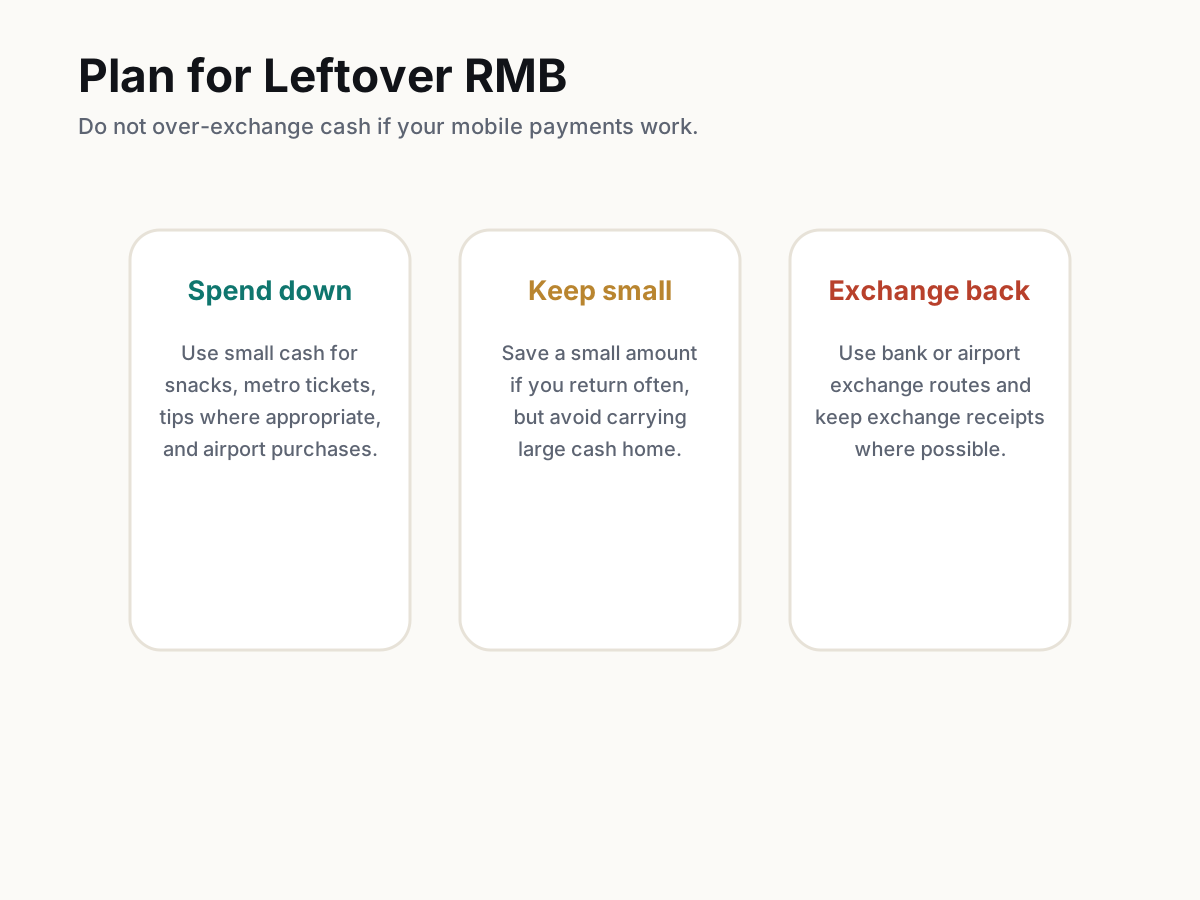
Do not over-exchange just because you are nervous. If mobile payment works, spend down small cash during the trip. Keep exchange receipts where possible and ask banks or airport exchange counters about changing leftover RMB back if you have a large amount.
Small leftover notes are fine if you may return to China; large leftover cash is usually avoidable.
Troubleshooting
Common problems and fixes
- A merchant says no cash: RMB cash is legal tender and PBOC policy discourages refusing it, but real-world checkout friction still happens. If urgent, use mobile payment or ask for a manager/counter.
- The merchant has no change: use smaller notes, buy from a larger shop, or pay by QR.
- ATM does not accept your card: try a different bank ATM, check card-network logos, confirm your bank travel settings, and avoid relying on credit-card cash advances.
- You cannot use cash in an app: ride-hailing, delivery, online tickets, and mini programs usually need in-app payment or a service-counter workaround.
- You exchanged too much: spend down small purchases, keep receipts, or ask a bank/airport exchange counter about exchange-back options.
Important warnings
- Do not assume cash will solve app-only workflows such as DiDi, food delivery, or mini-program ticketing.
- Do not carry excessive cash unless your itinerary genuinely needs it.
- Avoid changing money through strangers or unofficial helpers.
- Keep cash split between wallet and luggage/hotel safe rather than all in one pocket.
- Check your home bank's ATM withdrawal fees, foreign transaction fees, and daily limits before travel.
Best route and backup plan
Recommended route
- Most visitors: set up Alipay and WeChat Pay, carry RMB 300-500 in small notes, and keep one debit card for ATM backup.
- Late arrival or family travel: keep RMB 800-1,500 total buffer split across wallet and luggage.
- If payment apps fail: use cash for the immediate human checkout, then fix the app or bank issue afterward.
Backup options
- Use Alipay or WeChat Pay if cash becomes awkward.
- Use a physical card at hotels, airports, tourist sites, or larger stores with card-network signs.
- Ask a hotel front desk or service counter where the nearest ATM or exchange point is.
- Keep a small emergency cash layer separate from your daily wallet.
Other ways to pay
- Mobile payment: best for daily life, taxis, delivery, transport, and QR checkout.
- Physical card: useful at major hotels, airport counters, tourist attractions, and larger stores with card-network terminals.
- Service counter: useful when app-only payment fails for train tickets, attractions, hospitals, or transport.
FAQ
Can I still use cash in China?
Yes. RMB cash is legal tender, and PBOC policy says organizations and individuals should not refuse cash except where non-cash payment is legally required. In practice, some merchants may still prefer QR payment or lack change.
How much cash should I carry each day?
For most visitors, RMB 300-500 in the wallet is a practical daily backup. Keep smaller notes if possible.
How much cash should I bring for the whole trip?
If your mobile payments work, you usually do not need a large cash reserve. RMB 800-1,500 total buffer is more sensible for family travel, remote areas, late arrivals, or unstable payment setup.
Should I exchange money before I arrive?
It is useful to arrive with a small amount of RMB if possible, especially for late arrivals. You can also exchange at airports, bank outlets, qualified exchange institutions, self-service kiosks, or withdraw from ATMs with compatible foreign cards.
Can I pay taxis with cash?
Some taxis may accept cash, but ride-hailing apps generally require app payment. If you are taking a street taxi, small notes help. If you booked through an app, expect mobile payment.
Can I use cash for metro or bus?
Many metro systems still have ticket machines or service counters, but city rules vary and buses may require exact change or a transport QR/card. Use Alipay Transport or a local metro app when possible.
What denominations should I carry?
Carry mostly 10, 20, and 50 RMB notes, plus a few 100 RMB notes. Small notes reduce change problems.
What if a shop refuses cash?
For ordinary in-person transactions, official policy supports RMB cash acceptance. Practically, if you are in a hurry, pay another way first, then report or escalate later if needed.
Can I exchange leftover RMB back?
Often yes through banks or airport exchange counters, but rules, fees, receipts, and currency availability vary. Avoid over-exchanging in the first place.
Keep going
Related practical guides
How to Fix Alipay / WeChat Pay Fails
Troubleshoot Alipay and WeChat Pay failures in China by checking bank blocks, VPN or SMS issues, merchant QR support, amount limits, fees, and backup payment options.

How to Set Up Alipay as a Foreigner in China
Set up Alipay with a foreign phone number, passport, and international bank card so you can pay by QR code in China.

How to Use WeChat Pay with a Foreign Bank Card
Set up WeChat Pay with a passport and foreign bank card, then use QR payments in shops, taxis, restaurants, and mini programs.