
Shenzhen / Practical Guides
How to Pay in Shenzhen Without Panic: Foreign Cards, Alipay, WeChat Pay and Digital Yuan
Shenzhen is modern enough that foreign visitors sometimes expect payments to be effortless. They can be, but only if you prepare the right stack: one international card, Alipay or WeChat Pay linked before arrival, a little cash as backup, and a calm understanding that not every small merchant treats Visa and Mastercard the same way a hotel does.
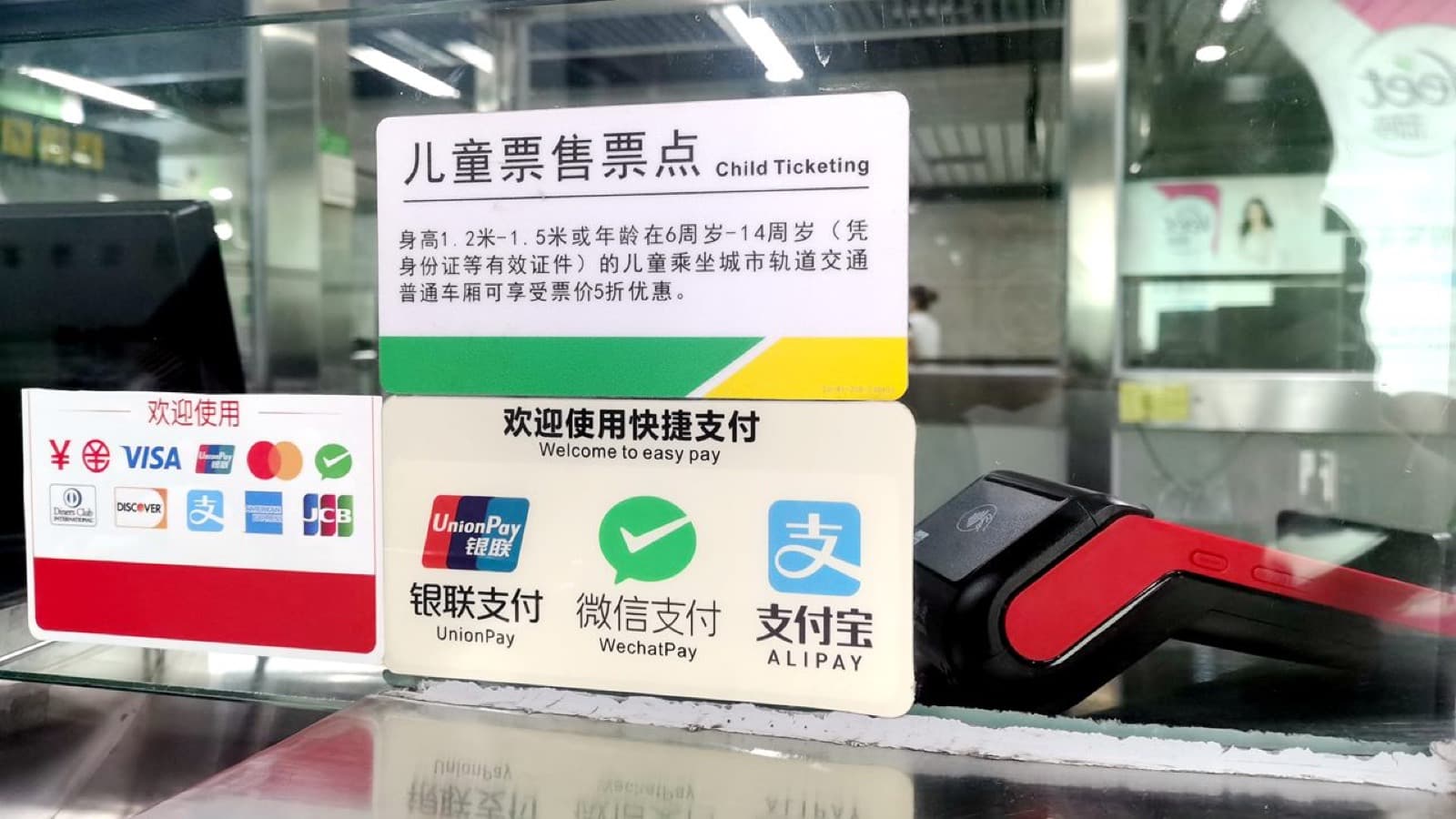
Build a payment stack, not a single bet
The safest Shenzhen setup is layered: Alipay, WeChat Pay, one international bank card, and a small amount of cash. That way a frozen app, card refusal, weak signal, or merchant limitation becomes an inconvenience instead of a day-ruiner.
Shenzhen is one of China's most tech-forward cities, but that does not mean every transaction behaves like an airport lounge. Small restaurants, markets, taxis, vending machines, metro gates, and big hotels can all have different payment habits.
Metro payment is getting easier for foreign visitors
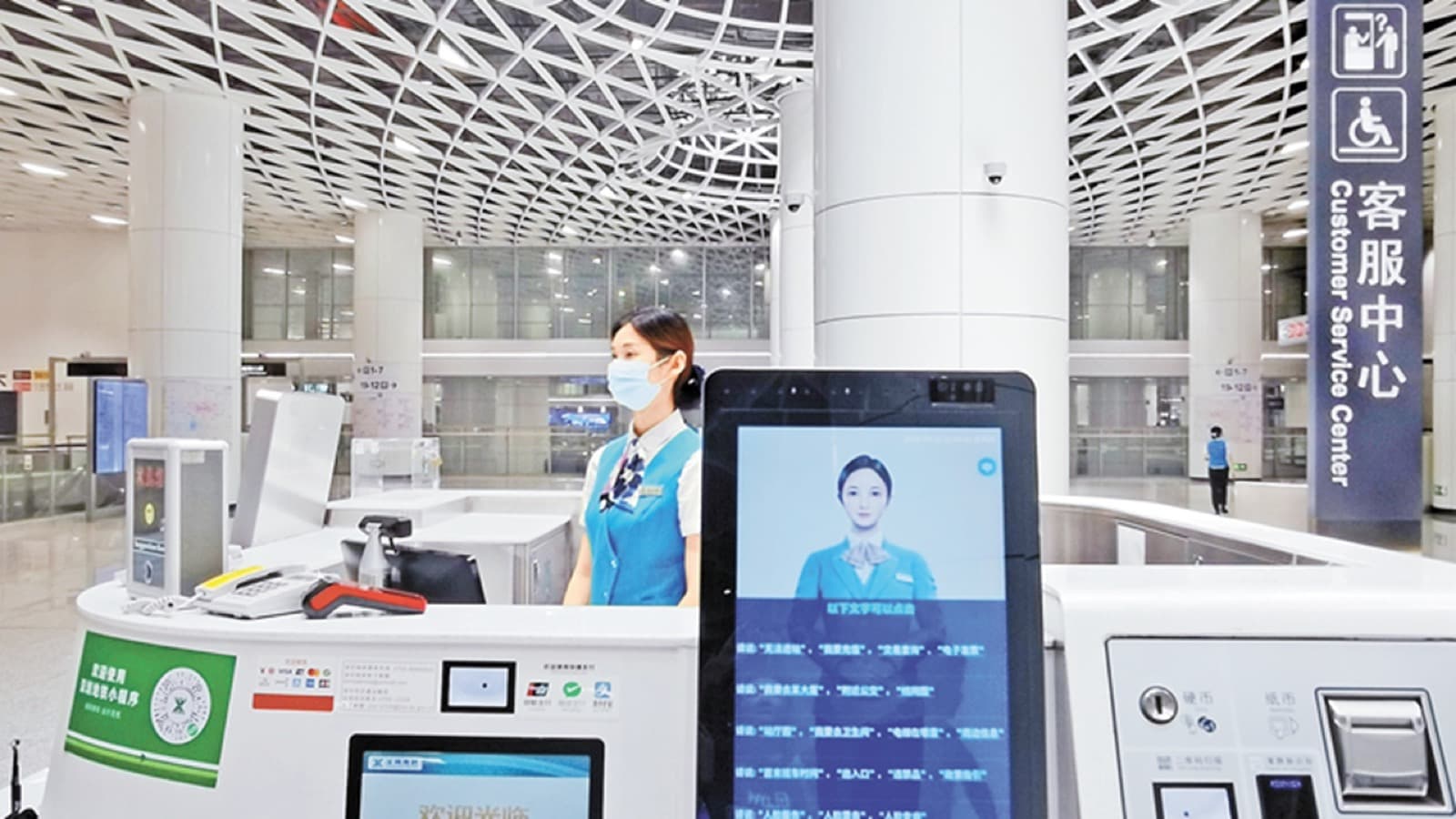
EyeShenzhen's 2024 payment coverage reported expanded metro payment support for overseas bank cards and multilingual ticketing help. That matters because the metro is the city tool tourists use most.
Even so, prepare before you hit a busy station. If you want to use a foreign card at a machine or counter, allow a few extra minutes the first time. If you want to use QR payment, make sure your linked card and app verification are already working.
Alipay and WeChat Pay are still daily-life essentials
For restaurants, coffee, convenience stores, taxis, museums, vending machines, and small merchants, Alipay and WeChat Pay remain the most useful payment tools. Many Western visitors find Alipay slightly easier as a first setup, while WeChat Pay is useful because it connects with messaging and mini programs.
Do not wait until you are at the cashier to begin identity checks. Link your foreign card, verify what the app asks for, and keep your passport name consistent with your bank-card details where possible.
Visa and Mastercard: useful, but not universal
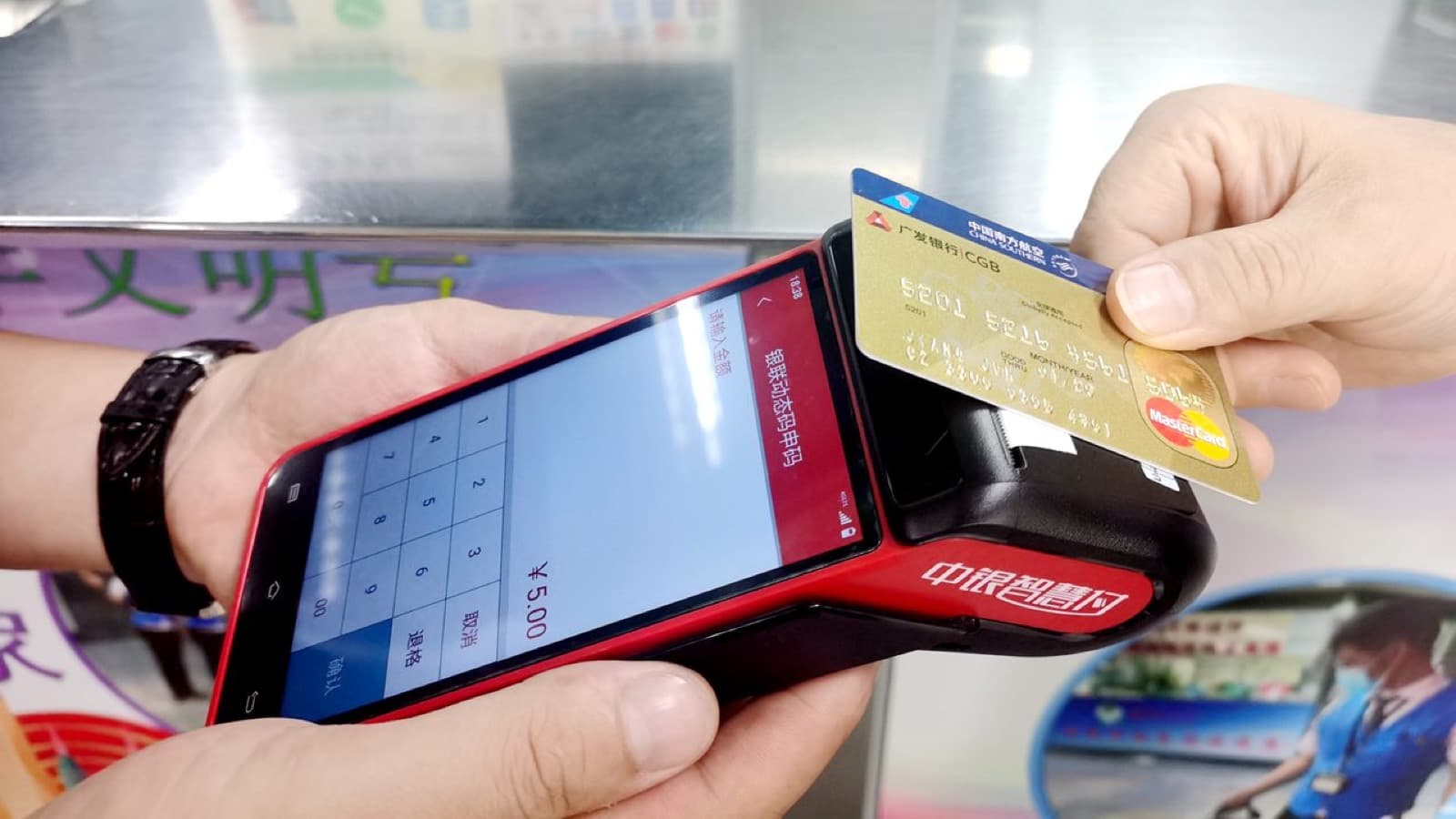
International cards are most useful at hotels, larger malls, airports, some transport points, and more tourist-facing service counters. They are not a complete replacement for Chinese QR payments.
If your card fails, do not assume the whole system is broken. It may be a merchant limitation, card network issue, bank fraud check, terminal setting, or foreign-card cap. That is why a backup app and a second card matter.

Digital yuan is interesting, but not your only plan
EyeShenzhen has covered digital RMB services for overseas visitors, and Shenzhen is a natural place to encounter China's digital-currency experiments. It can be useful and interesting if you are curious about how China builds payment infrastructure.
For a normal tourist, however, digital yuan should be an extra option, not the only option. Alipay, WeChat Pay, international cards, and cash backup still make the more universal visitor stack.
Cash backup still belongs in your pocket
China is highly digital, but cash is still useful when technology fails. Keep small notes for emergencies, older vendors, app verification delays, or the moment your foreign bank decides a Shenzhen noodle shop is suspicious.
The goal is not to use cash all day. The goal is to avoid standing at a counter with four modern payment options and zero working ones.