
Shenzhen / Practical Guides
Shenzhen + Hong Kong: The Two-City China Trip That Actually Makes Sense
Some city pairs feel forced. Shenzhen and Hong Kong do not. They are close enough to connect in one trip, but different enough that the contrast is the whole point: Hong Kong's harbor, finance, tramlines, English-heavy city texture, and old global crossroads energy beside Shenzhen's newer mainland scale, tech districts, mega-malls, parks, border stations, and fast urban confidence.
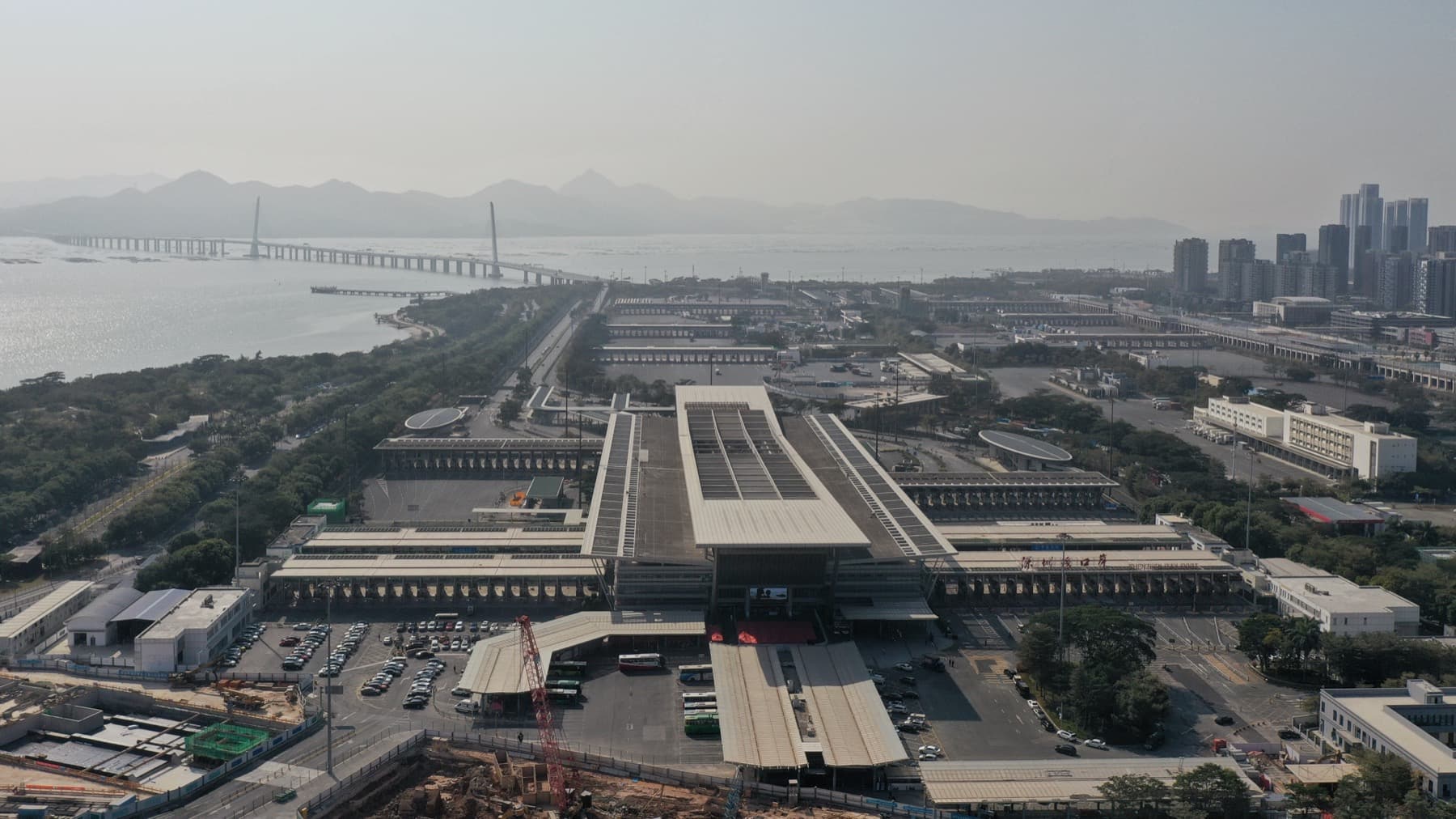
Why this two-city pairing works
Hong Kong gives many Western travelers a familiar international landing: English signs, global banking, dense transit, harbor views, and an urban rhythm shaped by a different history. Shenzhen gives you the mainland version of the future-facing city: huge metro stations, tech districts, design hotels, malls, parks, and a younger urban mood.
Seeing both makes each city clearer. Hong Kong stops being just a skyline, and Shenzhen stops being just a border-side business city. Together, they become a readable Greater Bay Area story.
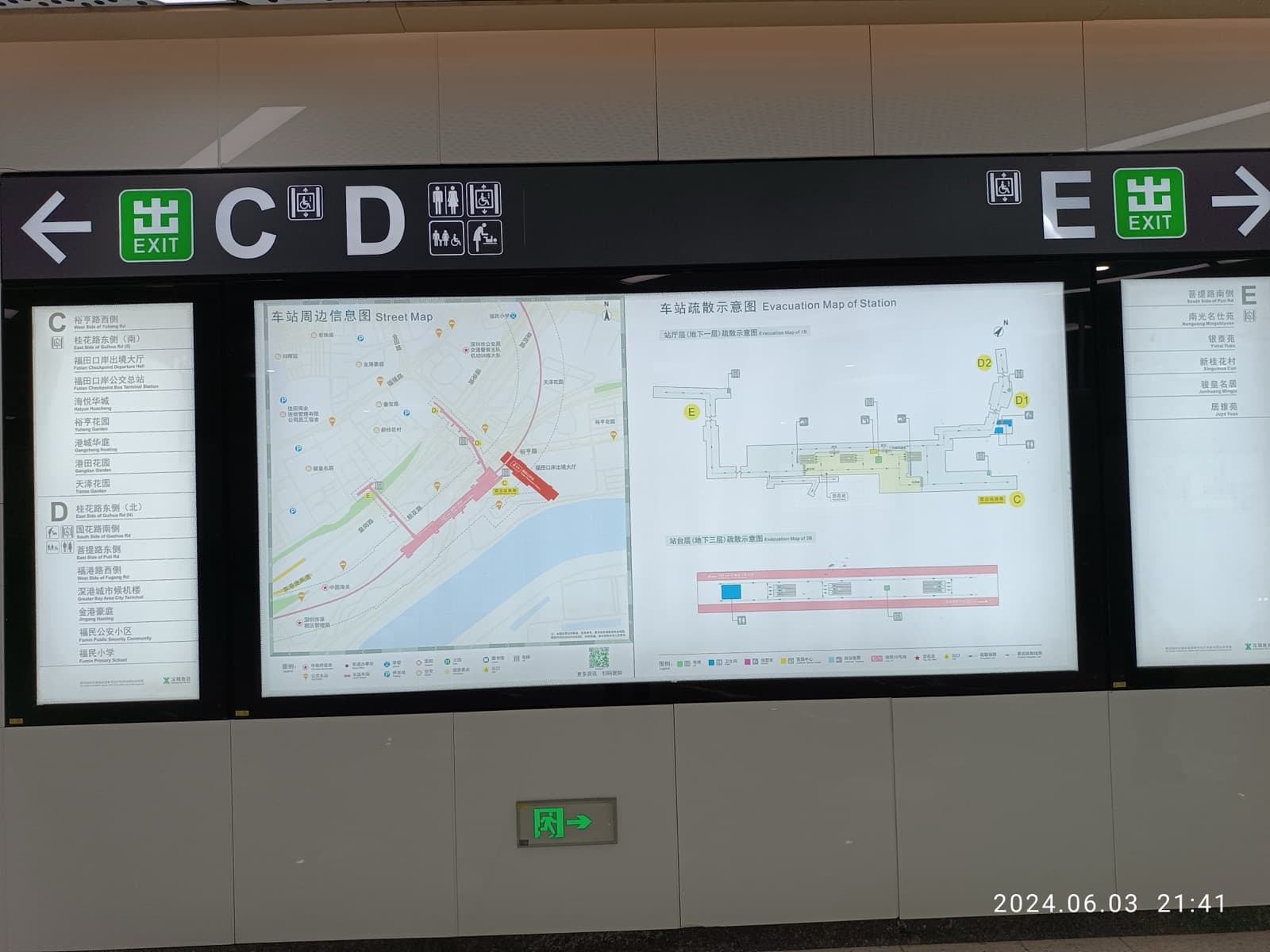
Futian Checkpoint: useful for central Shenzhen
Futian Checkpoint is useful if you are staying around Futian, Civic Center, Convention and Exhibition Center, or central business districts. It links with rail and metro systems, so it can feel efficient when your hotel and Hong Kong route line up.
It is not automatically best for every traveler. The right crossing depends on where you start in Hong Kong, where you sleep in Shenzhen, luggage, time of day, and whether you want rail or road movement.
Luohu: old-school, central, and still useful
Luohu is one of the classic Shenzhen-Hong Kong crossings and remains useful for travelers staying in Luohu, heading toward older commercial areas, or connecting with routes that make sense from the east side of central Shenzhen.
The area can feel busier and less polished than newer Shenzhen districts, but that is part of its usefulness. It shows a more commercial, border-era Shenzhen that contrasts with Nanshan or Futian.
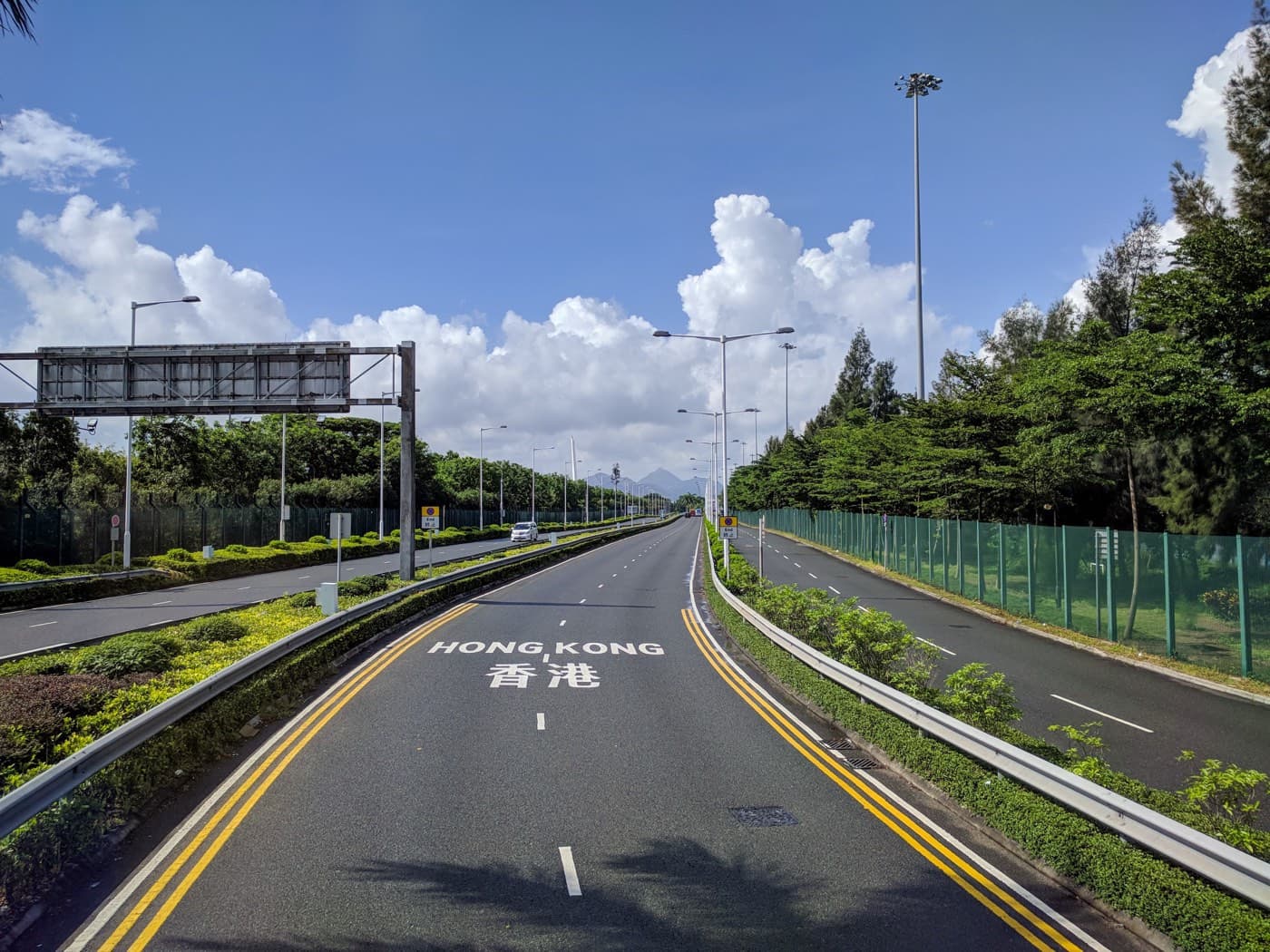
Shenzhen Bay: road-based and good for some hotels
Shenzhen Bay Port works well for road-based routes, some cross-border buses, and travelers whose hotels are in Nanshan, Shekou, or western Shenzhen. It can be more convenient than a rail crossing if your final destination is on the west side.
Check the exact onward route before choosing it. A port that looks close on a regional map may still require a long local transfer if your hotel is in the wrong zone.
Shekou and West Kowloon: two very different shortcuts
Shekou Cruise Homeport is useful when your trip connects by cruise, ferry-style movement, or the western side of Shenzhen. It also fits itineraries that include sea routes within the Greater Bay Area.
West Kowloon high-speed rail is a different tool: fast, central, and excellent when your route fits the station geography. It can be especially useful if Shenzhen is part of a longer mainland rail itinerary rather than only a border hop.
A simple two-city itinerary
A clean first route is three to four nights split between the two cities. Start in Hong Kong for harbor views, Central, Kowloon, food, and museums. Cross into Shenzhen for Futian or Nanshan, add OCT Loft, Shekou, Nantou Ancient City, malls, parks, and one strong dinner area. Return to Hong Kong or continue onward by air or rail.
If you are using visa-free transit, make sure the route still satisfies the official transit logic. The fun itinerary should not outrun the immigration itinerary.
Passport, payment, and luggage reality
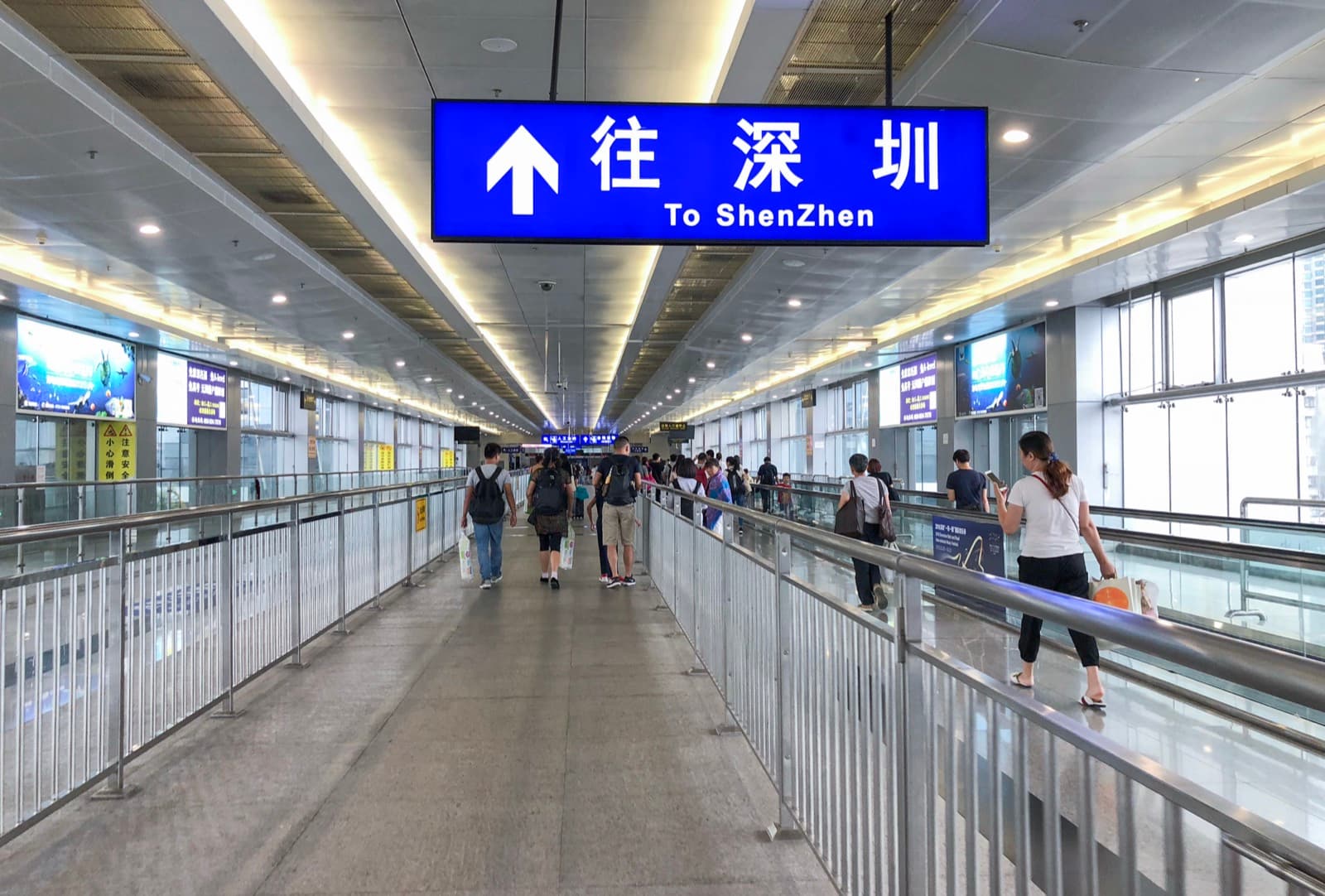
Every border crossing adds a small layer of admin: passport checks, possible queues, different payment habits, mobile data behavior, and luggage movement. Keep hotel names in Chinese and English, carry your passport, and avoid dragging large bags through a multi-stop crossing unless you must.
Also remember that Hong Kong and mainland China have different payment defaults. A setup that works perfectly in Hong Kong may not be enough in Shenzhen, and a mainland QR wallet may not solve everything in Hong Kong. Prepare both sides.