
Shanghai / Practical Guides
Shanghai Travel Guide for First-Time Visitors
Shanghai is one of the best first cities for understanding modern China: skyline views, walkable historic streets, huge malls, polished cafés, riverside nights, and very practical transport. This guide gives you a simple way to plan your first Shanghai stay without turning it into a generic tourist checklist.
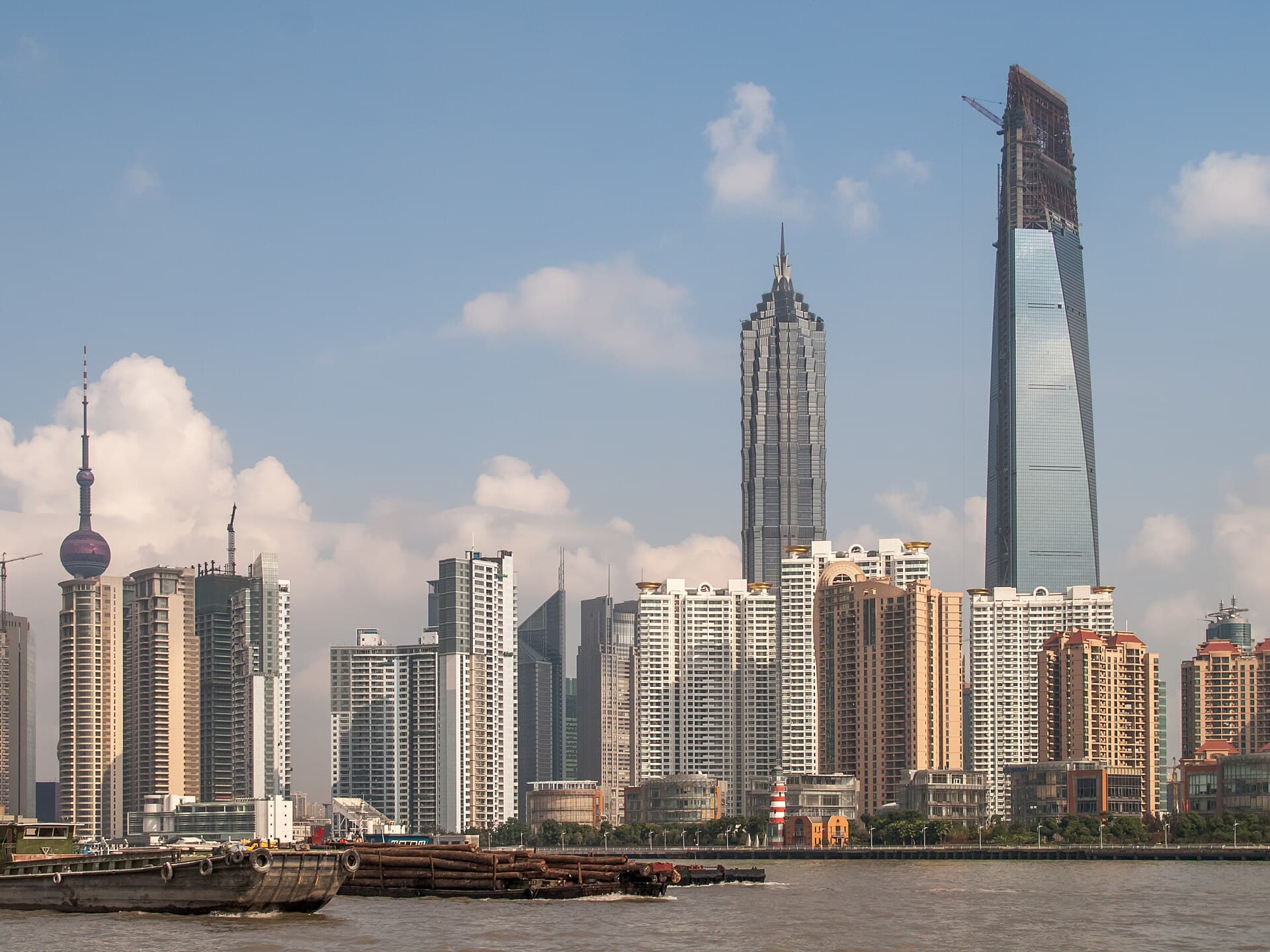
Why Shanghai works well as a first China city
Shanghai is a useful first stop because it gives you several versions of China in one city. You can see the classic skyline from the Bund, walk through quieter historic streets, spend an afternoon in polished malls and cafés, and still use very practical public transport to move between areas.
The city feels international enough that first-time visitors usually adjust quickly, but it still teaches the daily systems you will use elsewhere in China: QR payments, metro navigation, Amap, ride-hailing, delivery apps, hotel addresses, and Chinese place names.
Where to stay
For a first visit, the best area is usually not the cheapest or the most famous. Pick somewhere that keeps your first two days simple. People's Square and Nanjing Road are central and convenient for classic sightseeing. Jing'an, Xintiandi, and the Former French Concession feel more relaxed and are good for cafés, restaurants, and walking. Lujiazui is useful if you want skyline hotels or have meetings in Pudong.
Hongqiao can make sense if your trip connects to domestic flights, high-speed rail, exhibitions, or business meetings in western Shanghai. Pudong Airport hotels are practical for very late arrivals, but they are not a good base for exploring the city.
What to do on a first trip
A simple first route is to start around People's Square or East Nanjing Road, walk toward the Bund, and stay for the skyline if the weather is clear. This gives you the easiest first impression of Shanghai without requiring a complicated route.
On another day, cross to Lujiazui for the modern skyline side, or slow down around Jing'an, Wukang Road, Anfu Road, Xintiandi, and nearby café streets. Yuyuan is useful if you want a more traditional visitor experience, but it can be crowded and commercial, so go earlier if possible.
Food, cafés, and daily life
Shanghai is easy to enjoy when you mix planned meals with flexible daily backups. Try local breakfast near your hotel if you are comfortable with Chinese-only menus, or keep it simple with mall restaurants, cafés, bakeries, and convenience stores when you need an easier day.
Classic foods to look for include xiaolongbao, shengjianbao, noodles, and Shanghainese braised dishes. Do not build every meal around viral restaurants; queues can waste a lot of time. For late nights or tired evenings, food delivery can be useful if your payment and address setup work.
Getting around without making the day stressful
Shanghai Metro is the best default for predictable cross-city movement. It is especially useful for areas around People's Square, Nanjing Road, Lujiazui, Jing'an, Hongqiao, and many museum or shopping districts. The important detail is the station exit: the wrong exit can add a long walk.
Use taxis or ride-hailing when you have luggage, bad weather, late-night movement, or a destination that is not close to a metro station. At airports, stations, malls, and office complexes, the pickup point matters more than the app itself, so check the exact gate or zone.
Practical setup before you go
Before arriving in Shanghai, set up Alipay, WeChat Pay, a data plan, Amap, a translation app, and your hotel address in Chinese. Shanghai is one of the easier cities for foreign visitors, but app verification, foreign cards, hotel check-in, ride-hailing pickup, and delivery addresses can still create friction.
Keep one backup for each important system: a payment backup, an internet backup, a hotel-address screenshot, and a simple food option near your hotel. This is not dramatic, but it makes the first day much calmer.