
How to Get a SIM Card in China as a Foreigner
A working phone number and reliable data make China much easier: maps, translation, taxis, delivery calls, hotel contact, Alipay, WeChat, and emergency backup all depend on connectivity. Foreigners can get mobile service in China, but local SIM cards normally require real-name registration with a passport, and the easiest option depends on whether you need a Chinese phone number or only data.
Difficulty
Easy
Time needed
20-45 minutes
Updated
May 14, 2026
Start here
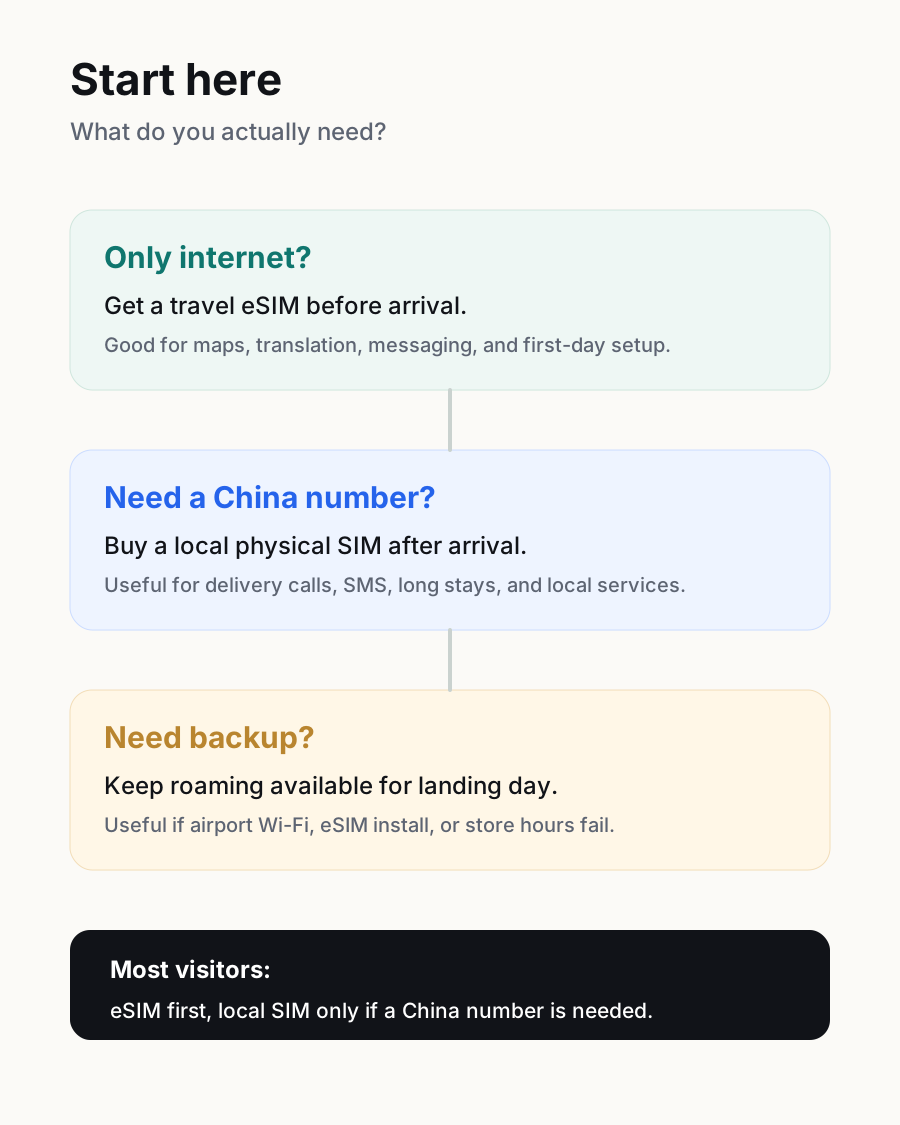
Quick answer
- If you only need internet, buy a China/HK/Macau travel eSIM before arrival and keep your home SIM active for bank and account texts.
- If you need a mainland Chinese phone number, buy a physical SIM from an airport counter or an official China Mobile, China Unicom, or China Telecom store after arrival.
- Bring your physical passport for real-name registration, ask for a short tourist or monthly package, then test data, SMS, and your phone number before leaving.
Requirements
- Unlocked phone, or an eSIM-capable phone if choosing eSIM.
- Physical passport for a mainland local SIM or local-number plan.
- Backup internet for arrival: roaming, airport Wi-Fi, hotel Wi-Fi, or preloaded eSIM.
- Payment method: cash, card, Alipay, WeChat Pay, or platform payment depending on where you buy.
- Chinese carrier names saved: 中国移动 China Mobile, 中国联通 China Unicom, 中国电信 China Telecom.
Visual manual
Step-by-step guide
Decide: eSIM, local SIM, or roaming
Start with your real need. A travel eSIM is fastest if you only need data and western app access. A local physical SIM is better if you need a mainland Chinese number for delivery calls, some local services, long stays, school, work, or frequent app verification.
Most short tourists can use eSIM plus home-number SMS. Students, workers, and residents usually benefit from a local Chinese number.
Check your phone before arrival
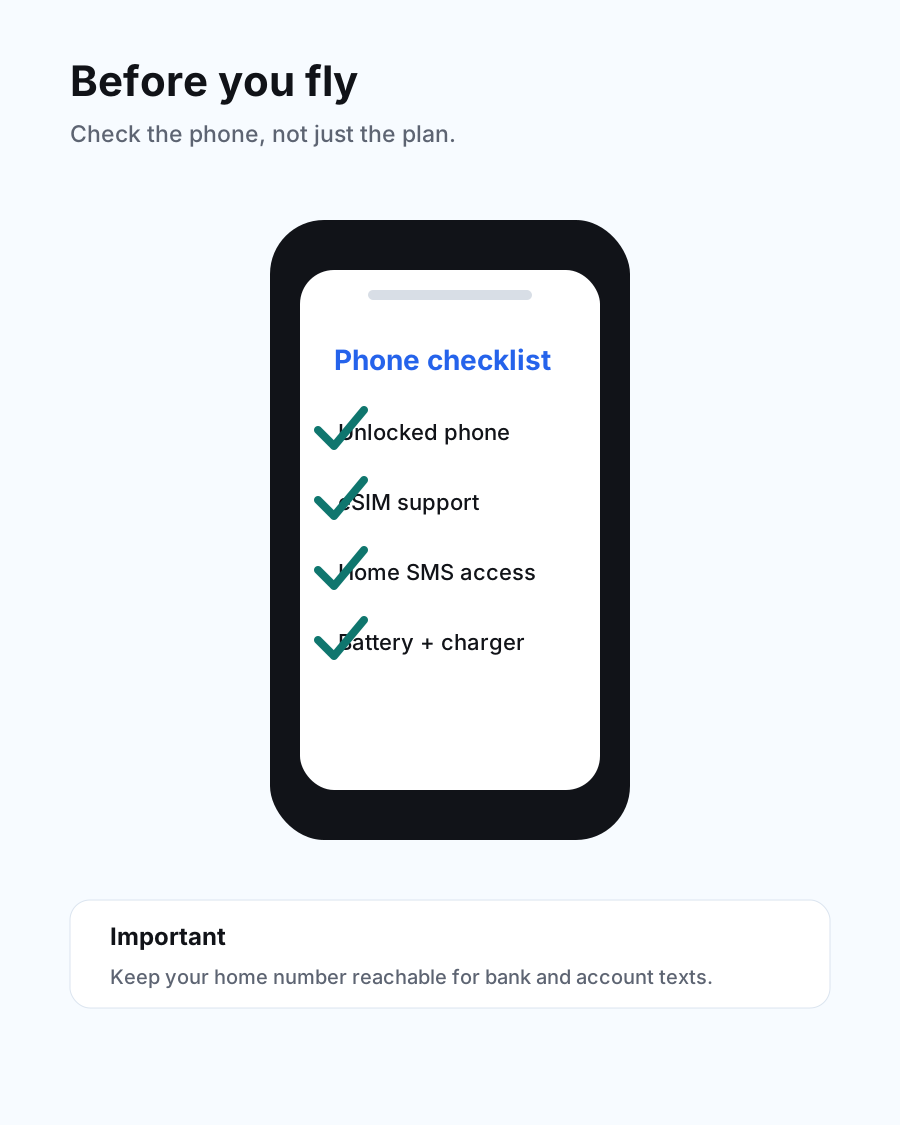
Make sure your phone is unlocked by your home carrier. If using eSIM, confirm your phone supports eSIM and that your existing physical SIM or home eSIM can stay active for bank, email, and two-factor authentication messages.
Do this before flying. You may not be able to install, receive login texts, or fix account problems easily after landing with no data.
Know the three main carriers
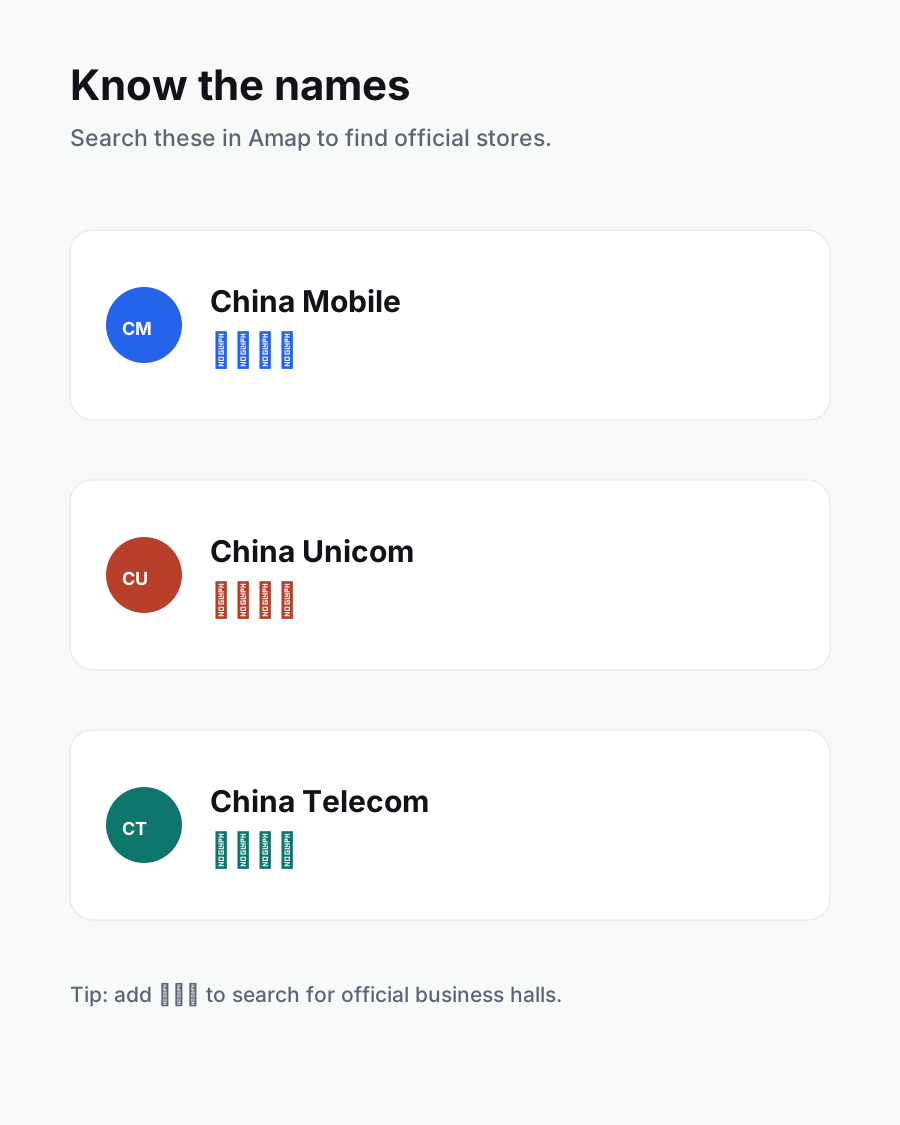
China has three major mobile providers: China Mobile (中国移动), China Unicom (中国联通), and China Telecom (中国电信). All three are common, but China Unicom is often recommended by travel guides and users for foreign-phone compatibility and tourist counters in major cities.
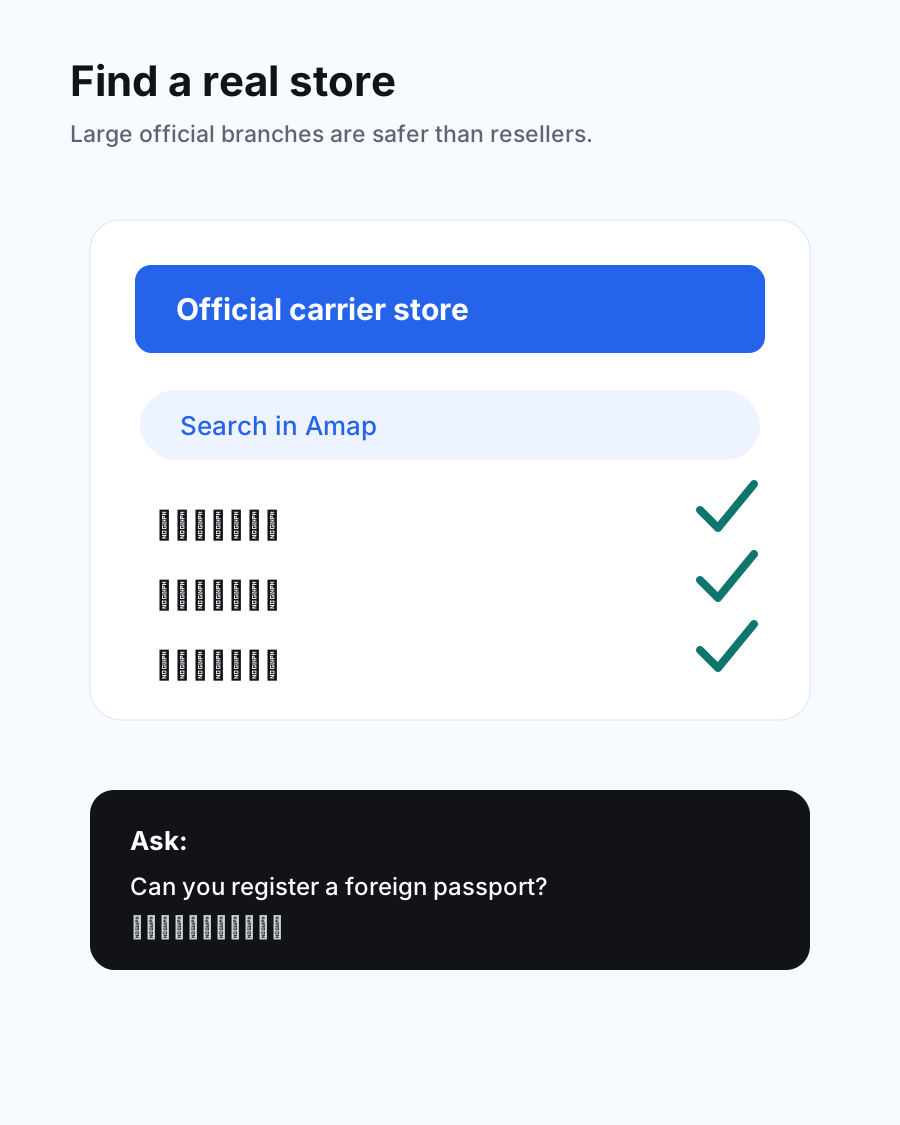
Coverage and staff experience vary by city and branch. A large official branch is safer than a small reseller shop.
Buy at the airport if convenience matters
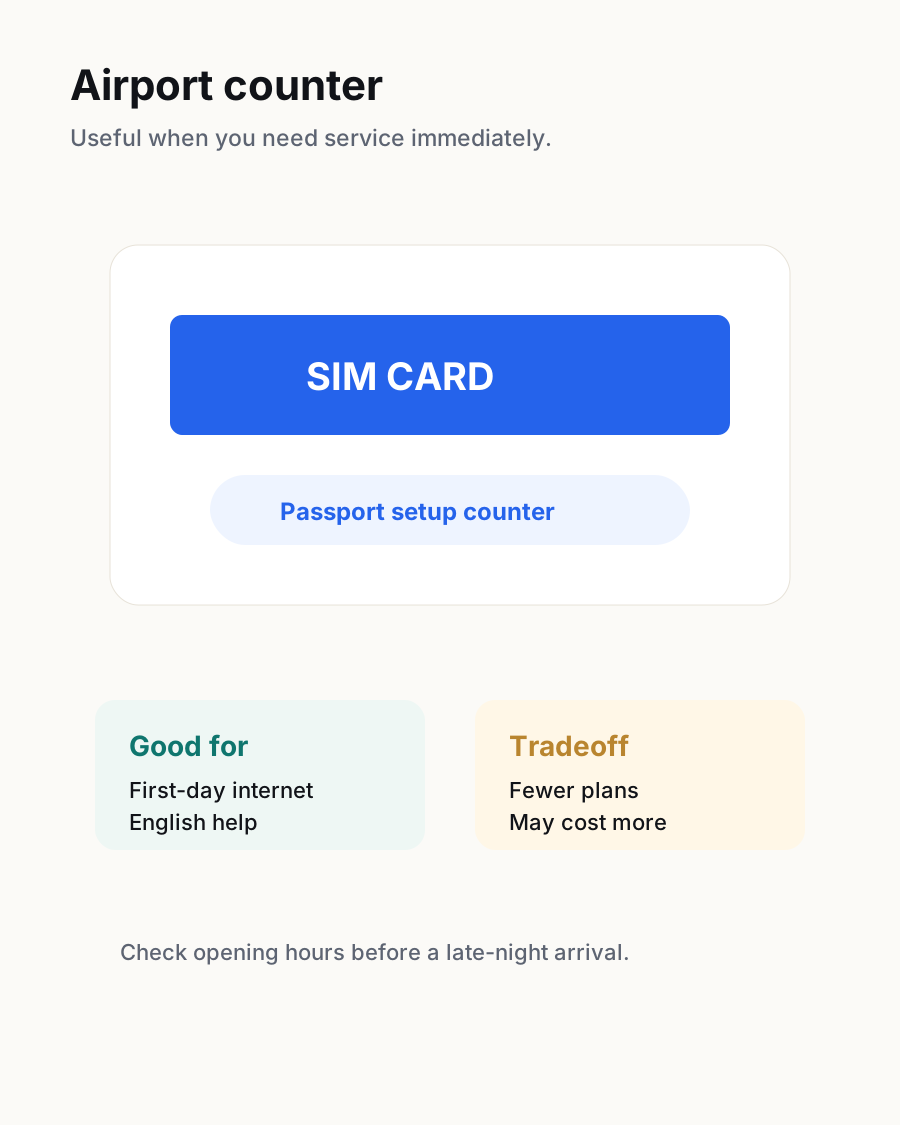
Airport telecom counters are usually the easiest place for first-time visitors because plans may be displayed in English and staff are used to passports. The tradeoff is that airport tourist packages can cost more or offer fewer choices than city stores.
If you arrive late at night, check counter hours in advance and keep roaming or eSIM as backup.
Use an official city store for more choice
If you can wait, search Amap for 中国移动营业厅, 中国联通营业厅, or 中国电信营业厅. Choose a larger official branch in a mall or downtown area, then bring your passport and use translation to ask whether they can process foreign-passport registration.
Useful phrase: 我要办一张手机卡。I would like to get a mobile SIM card.
Complete passport real-name registration
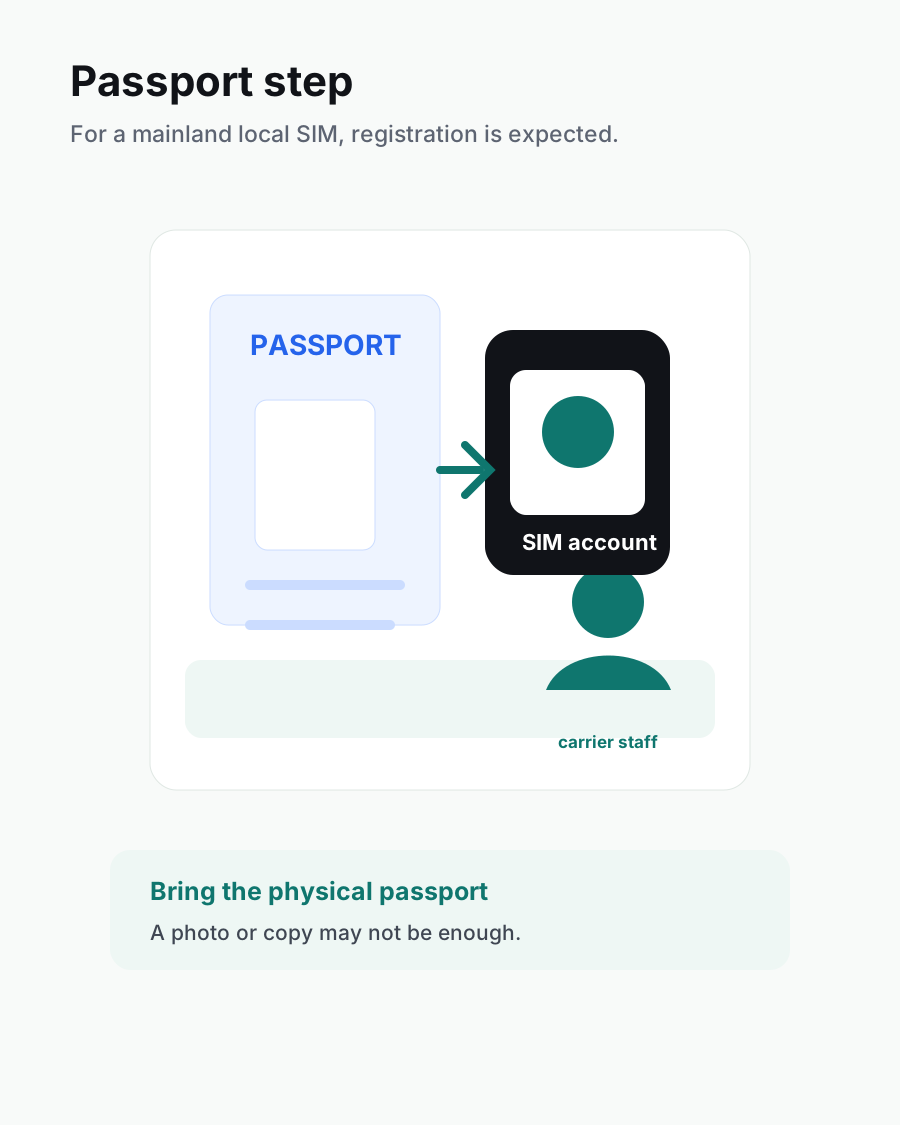
For a local mainland SIM, expect staff to register the line under your real identity. They may scan or photograph your passport and complete face or in-person verification. This is normal for local SIM activation.
If one branch refuses or cannot process foreign passports, ask for the nearest larger official branch.
Choose the plan carefully
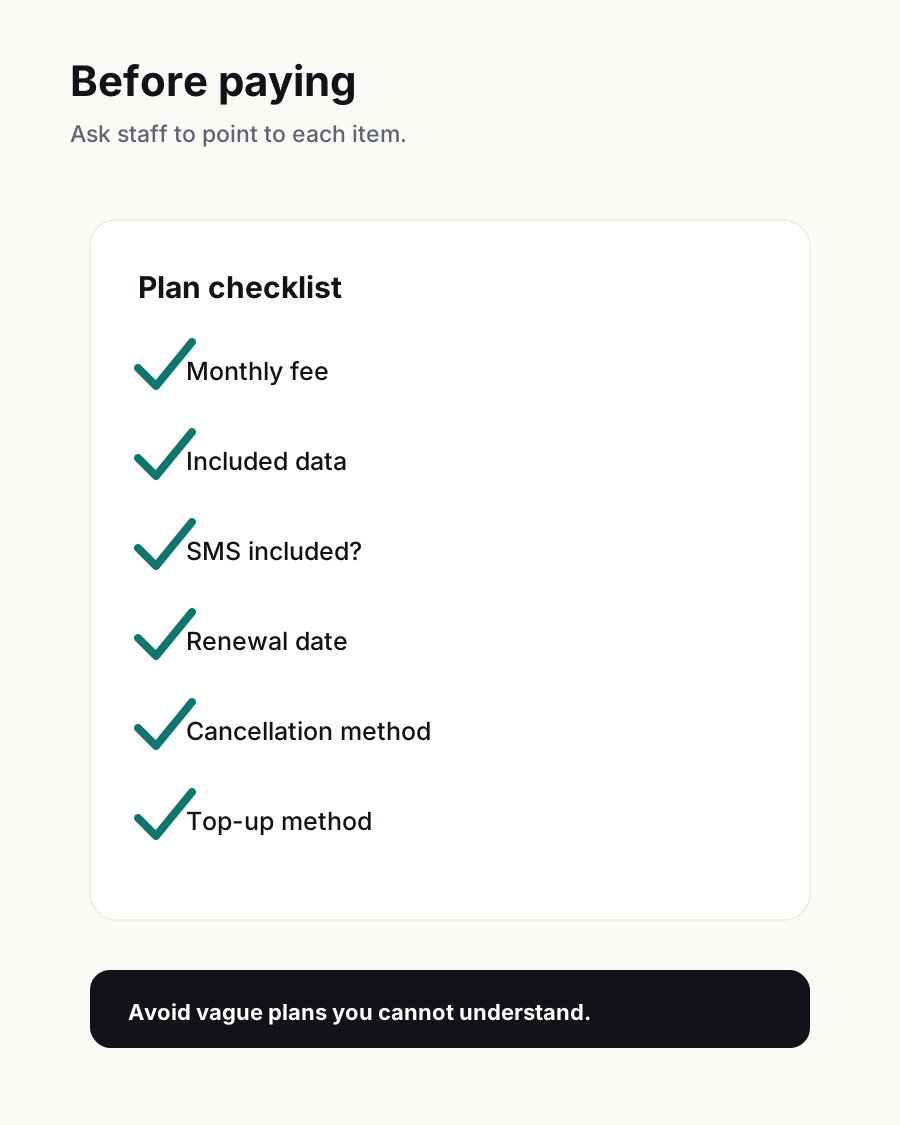
Before paying, confirm the monthly fee, included data, domestic calls, SMS, whether unused balance rolls over, whether the plan renews automatically, and how to cancel before leaving China. Do not accept a vague plan you cannot understand.
User-reported issue: some travellers later discover they were placed on recurring monthly service. Ask clearly how to stop it.
Test everything before leaving
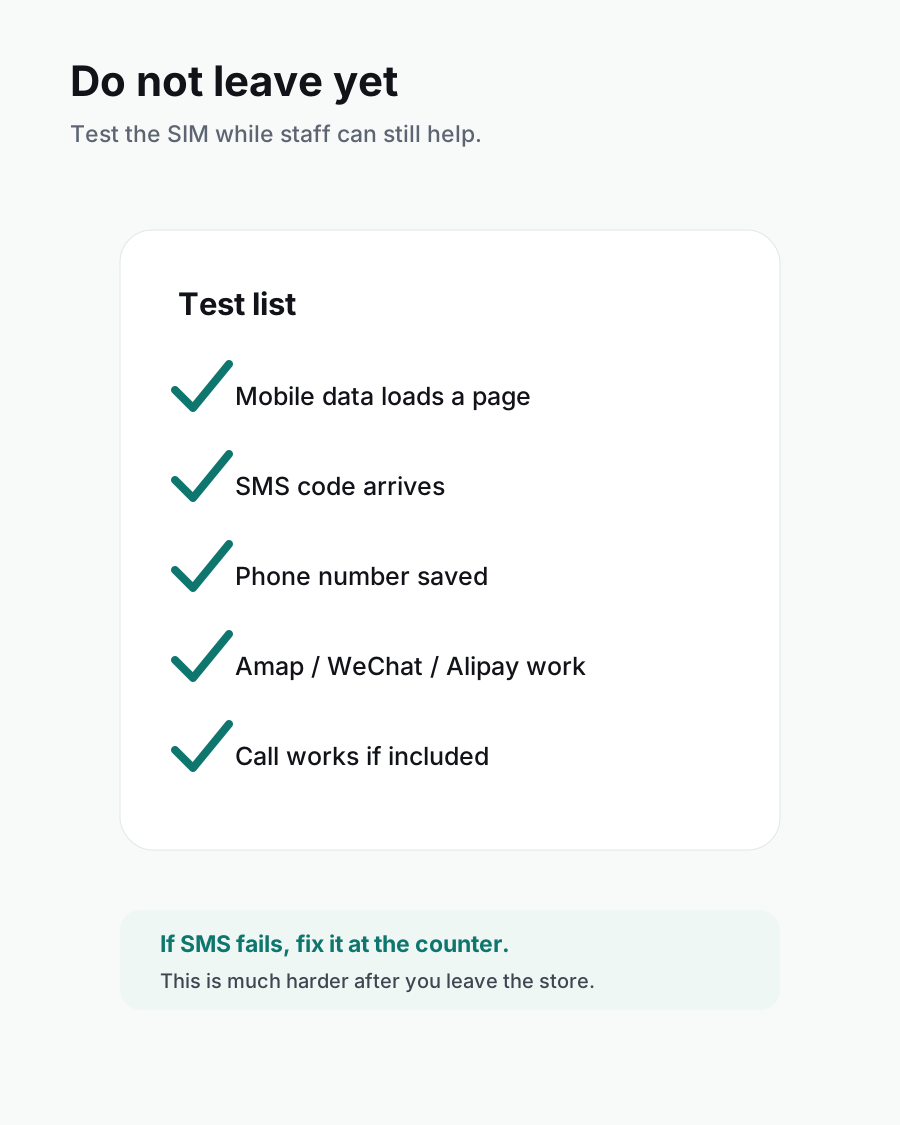
Insert the SIM, restart your phone if needed, turn on mobile data, and test a webpage, Amap, SMS receiving, your new phone number, Alipay or WeChat verification, and a call if your plan includes calls. Save your number in Notes and contacts.
If SMS verification fails, fix it immediately at the store while staff can still check the account.
Troubleshooting
Common problems and fixes
- Store says it cannot register foreigners: try a larger official carrier branch or airport counter.
- Need data immediately after landing: use roaming, airport Wi-Fi, or a preinstalled eSIM before buying a local SIM.
- No Google, Gmail, WhatsApp, Instagram, or ChatGPT access on a mainland SIM: use a travel eSIM, roaming, or your own compliant access plan if you need foreign services.
- SMS verification does not arrive: check the number format, restart the phone, confirm SMS is included, and test at the counter.
- Plan renews after you leave: ask how to cancel or downgrade before departure and keep the carrier account details.
- Phone has no service: check SIM lock, APN/settings, network mode, physical SIM seating, and whether the line was fully activated.
- Small reseller shop offers a cheap SIM: avoid unless you are sure it can legally register your passport and provide after-sales support.
Important warnings
- A mainland local SIM gives you local connectivity, but it does not automatically bypass China internet restrictions.
- Real-name registration with a passport is expected for local SIM activation.
- Do not rely on airport Wi-Fi as your only plan for app setup, transport, or hotel contact.
- Confirm cancellation or renewal terms before leaving China, especially for monthly plans.
- Prices, airport counters, plan names, and passport handling vary by city, airport, branch, and date.
Best route and backup plan
Recommended route
- For most short visitors: buy a travel eSIM before arrival, keep your home number active, and use it as your first-day internet.
- If you need a Chinese number: buy a China Unicom or other major-carrier tourist SIM at the airport, or visit a large official store with your passport.
- For stays over one month: use the airport option only if you need immediate service; otherwise compare official city-store plans and ask clearly about monthly renewal and cancellation.
Backup options
- Use a China/HK/Macau travel eSIM for data and keep your home number active for account texts.
- Use international roaming for the first day, then buy a local SIM when you can visit a proper branch.
- Ask hotel, school, employer, or a local friend to point you to a branch that has handled foreign passports.
- If you only need payment apps and maps, you may not need a local number for a short trip, but you still need reliable data.
Other ways to pay
- International roaming: easiest but often expensive; useful as a backup.
- Travel eSIM: best for data-only tourists and foreign app access, but may not provide a mainland phone number.
- Local physical SIM: best for long stays and local calls/SMS, but requires passport registration and branch support.
- Nihao Mobile or similar expat-focused services: useful for English support; verify current pricing, coverage, and registration requirements.
FAQ
Can foreigners buy a SIM card in China?
Yes. Foreigners can buy local SIM cards in China, but a local mainland SIM normally requires real-name registration with a passport. Use an official carrier store or airport telecom counter rather than a random reseller.
Do I need a passport to get a China SIM card?
Yes for a local mainland SIM. Real-name registration is normally required, and visitors should bring a passport. A physical passport is safer than relying on a photo.
Should I get an eSIM or a physical SIM in China?
Choose eSIM if you mainly need data, quick setup, and foreign app access. Choose a physical local SIM if you need a mainland Chinese phone number, domestic calls, SMS, or a longer-term mobile account.
Which carrier is best for foreigners?
China Mobile, China Unicom, and China Telecom are the main carriers. China Unicom is often recommended in travel guides and user reports for foreign visitors, but the best choice depends on your city, phone, plan, and branch support.
Can I buy a SIM card at the airport?
Usually yes at major international airports, but counter availability, hours, and pricing vary. Airport SIMs can be more expensive than city-store plans, but they are often easier for first-time visitors.
Will a China SIM let me use Google, WhatsApp, Instagram, or ChatGPT?
A normal mainland SIM gives you China mobile data but does not automatically provide access to blocked foreign services. Many travellers use roaming or a travel eSIM if they need foreign app access.
Can I use Alipay or WeChat without a Chinese phone number?
Often yes for basic account setup and payment with an overseas number, but a Chinese number can help with delivery calls, local services, ride-hailing, and some verification flows.
What should I test before leaving the SIM store?
Test mobile data, SMS receiving, your new number, Amap, a normal website, and at least one important verification flow such as WeChat, Alipay, hotel contact, or ride-hailing.
Do I need to cancel my China SIM before leaving?
If the plan renews monthly or has an account balance, ask the carrier how to cancel or downgrade before you leave. User reports mention trouble later when a recurring plan was left active.
Amap
A Chinese map app for finding stores, planning metro routes, checking addresses, and navigating daily life.