
How to Eat in China With Dietary Restrictions
Eating with restrictions in China is possible, but you need clearer communication than 'vegetarian' or 'not spicy' in English. This guide turns the main restriction types into a practical restaurant workflow: phrase card first, hidden-ingredient check, safer restaurant choice, and backup plan.
Difficulty
Medium
Time needed
15-30 minutes
Updated
May 16, 2026
Start here
Quick answer
- Prepare a short Chinese phrase card before you enter the restaurant. Show it before ordering, because staff need to know the restriction before the kitchen starts cooking.
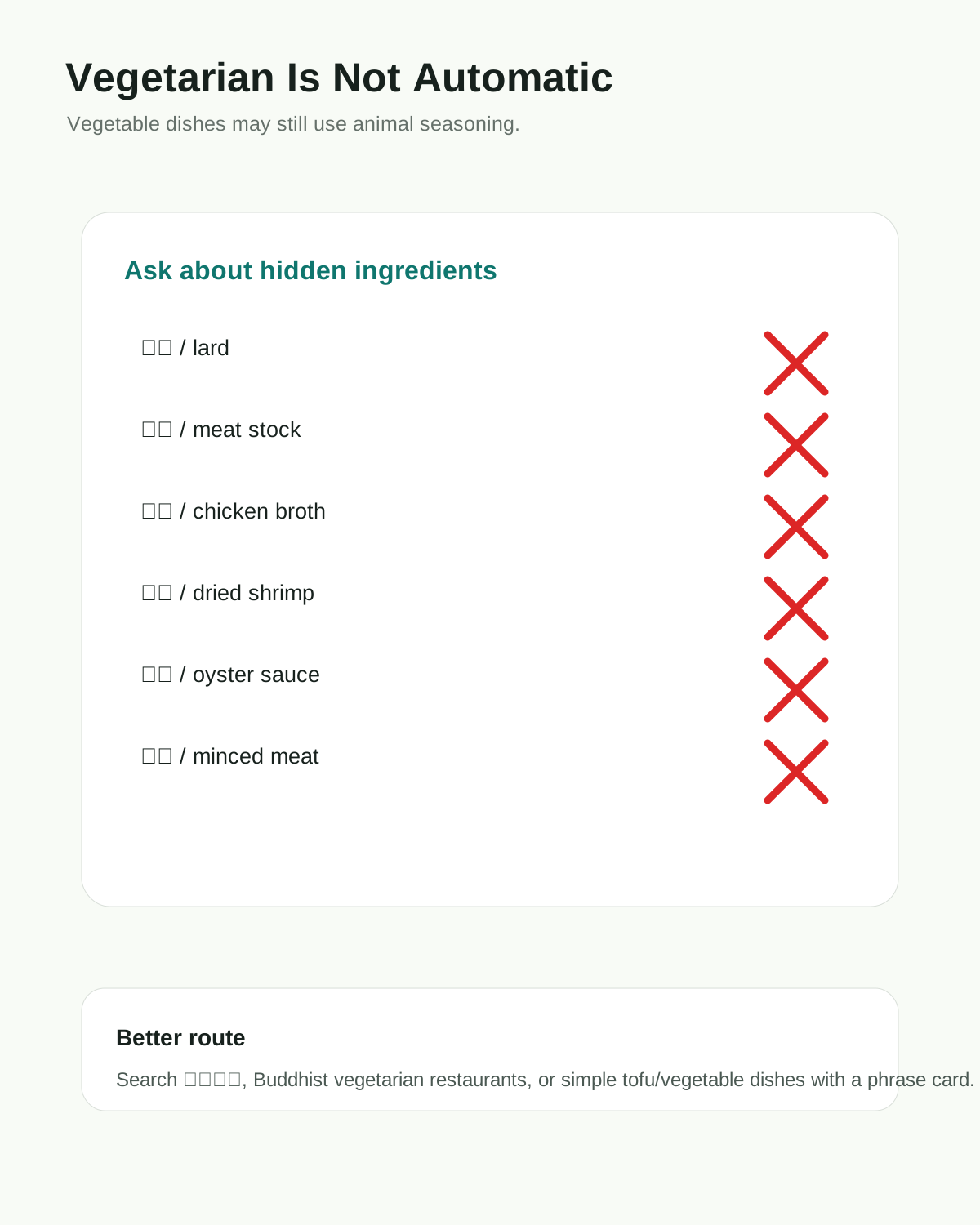
- Vegetarian and vegan travelers should check hidden animal ingredients such as 猪油 lard, 肉汤 meat stock, 鸡汤 chicken broth, 蚝油 oyster sauce, 虾皮 dried shrimp, and 肉末 minced meat.
- For serious allergies, do not rely only on a QR menu note or machine translation. If staff cannot confidently confirm ingredients, choose a safer restaurant or simpler meal.
Requirements
- Required: phrase card saved offline with your exact restriction in Chinese.
- Required: translation app for menu and staff messages.
- Recommended: list of unsafe ingredients in Chinese.
- Recommended: map searches for 素食餐厅 vegetarian restaurant, 清真餐厅 halal restaurant, and nearby mall/hotel restaurants.
- Required for allergies: your normal medication, emergency plan, and travel insurance information.
- Optional: backup snacks, fruit, supermarket food, or simple breakfast items.
Visual manual
Step-by-step guide
Create one clear phrase card
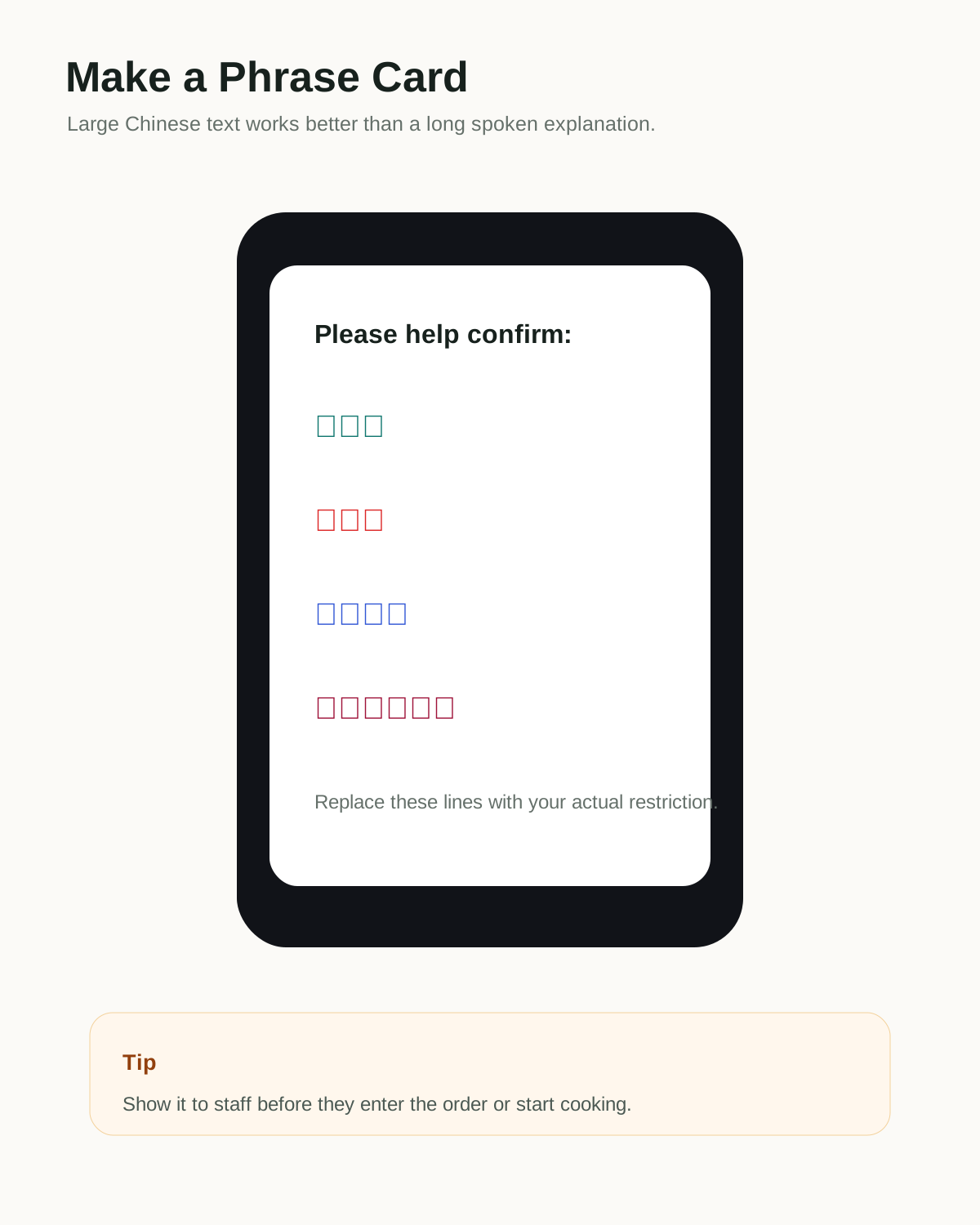
Do not try to explain a complicated restriction out loud at a busy restaurant. Write short Chinese text in large font and show it before ordering. Examples: 我吃素 means I am vegetarian; 不要辣 means not spicy; 不吃猪肉 means I do not eat pork; 我对花生过敏 means I am allergic to peanuts.
Adjust the phrase card to your real restriction. Do not use a sample allergy phrase unless it is true.
Vegetarian and vegan travelers: check hidden animal ingredients
In China, a vegetable dish may still include animal-based cooking fat, broth, oyster sauce, dried shrimp, or minced meat. If you are strict vegetarian or vegan, do not just say 'no meat.' Ask about 猪油, 肉汤, 鸡汤, 蚝油, 虾皮, and 肉末. Dedicated vegetarian restaurants are safer than regular restaurants.
User-reported experience strongly agrees on this point: regular restaurants may understand vegetarian as no visible chunks of meat.
Non-spicy eaters: be specific about chili and numbing pepper
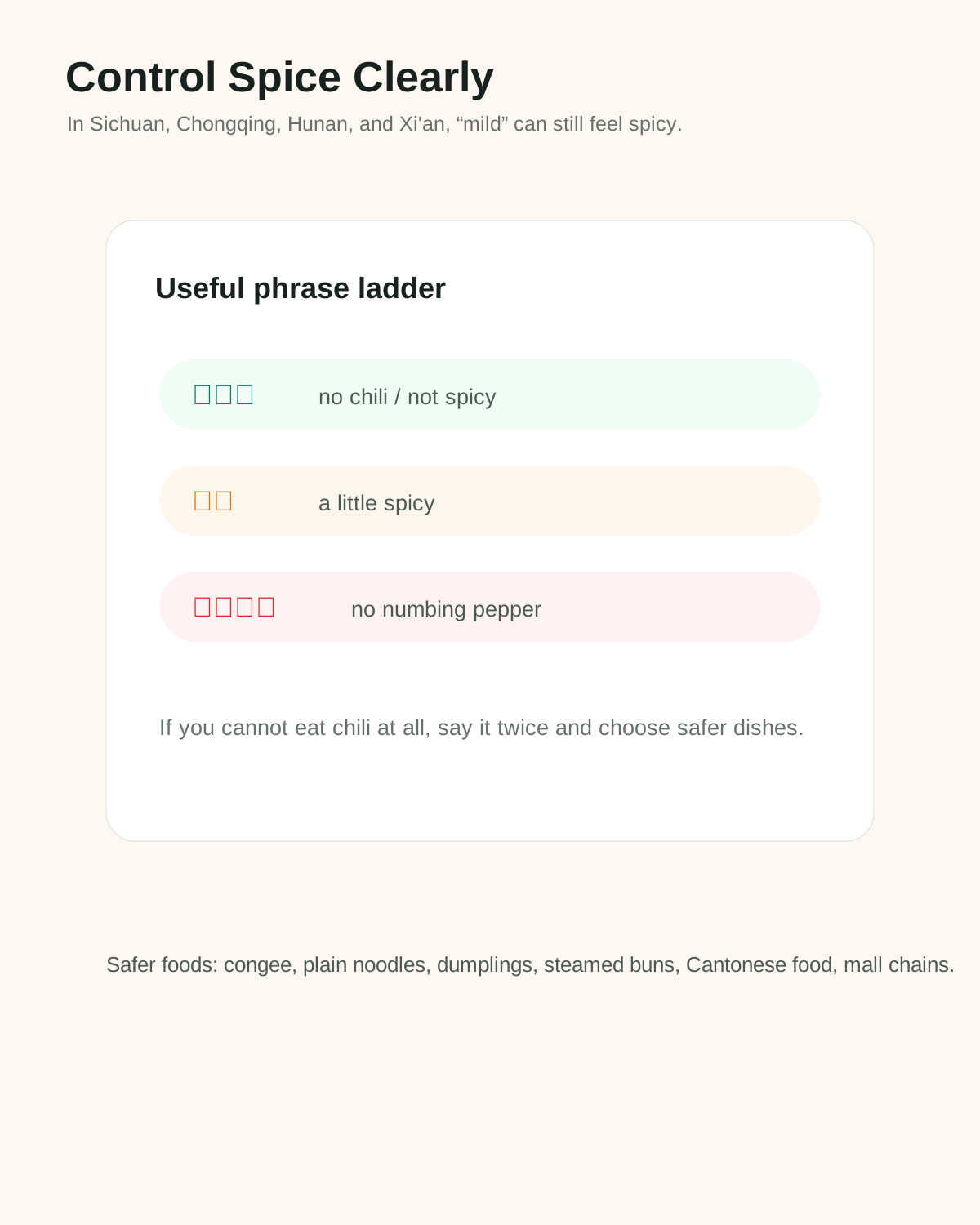
Say 不辣 for not spicy, 微辣 for a little spicy, and 不要花椒 for no Sichuan pepper. In Sichuan, Chongqing, Hunan, Xi'an, and some noodle/hotpot restaurants, less spicy can still be spicy for visitors. Choose Cantonese food, congee, dumplings, buns, plain noodles, or mall restaurants when you need a safer meal.
If you cannot eat chili at all, show the phrase card and confirm twice.
Halal travelers: search for dedicated halal restaurants
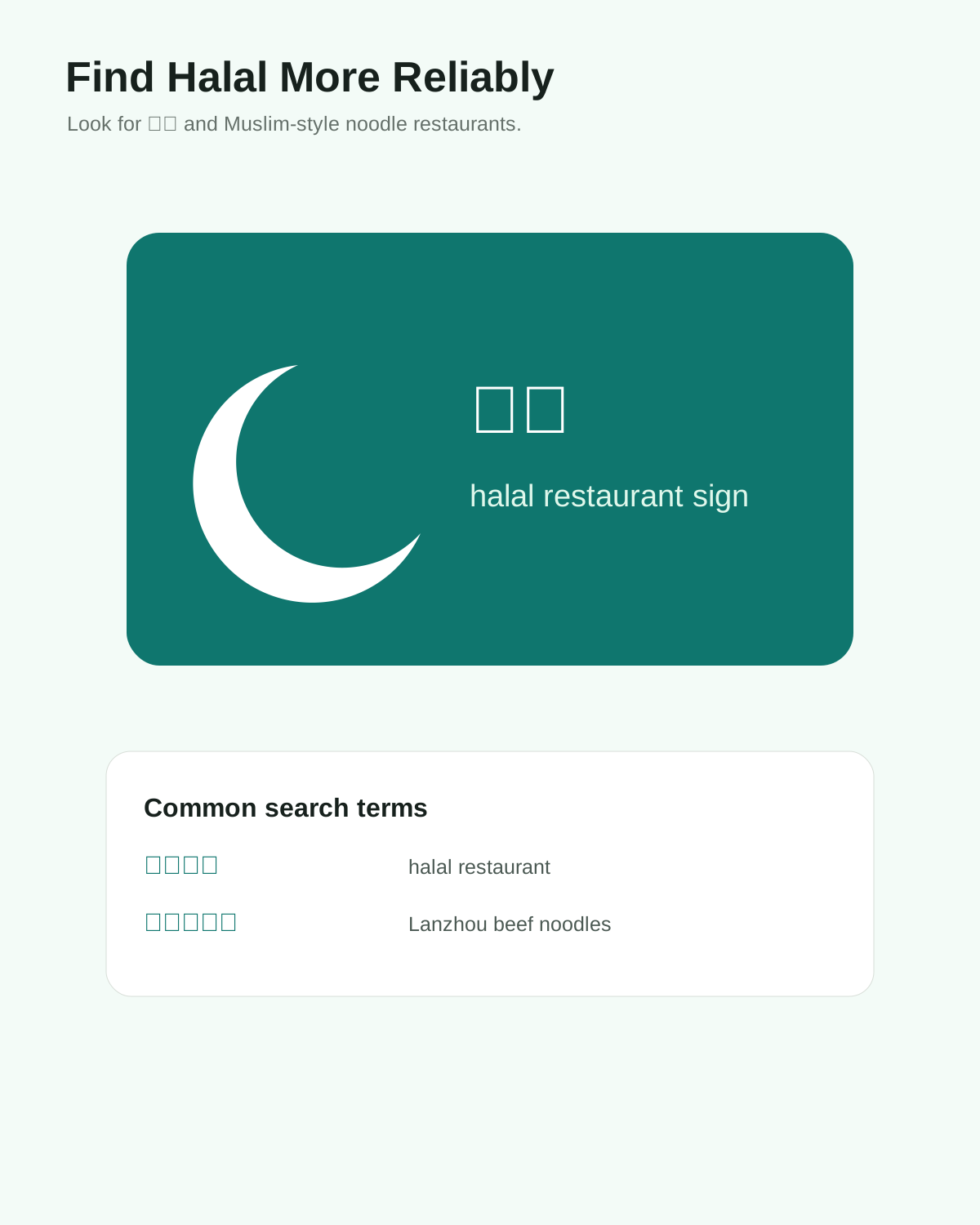
Look for 清真 signs and search 清真餐厅 or 兰州牛肉面 in Amap or Dianping. Dedicated halal restaurants are much safer than asking a normal restaurant to avoid pork. Do not assume every beef or lamb dish is halal unless the restaurant is clearly halal.
Halal availability is usually easier in cities with Hui Muslim food networks and around Lanzhou noodle restaurants, but standards still need personal review.
Allergy travelers: use a safety workflow
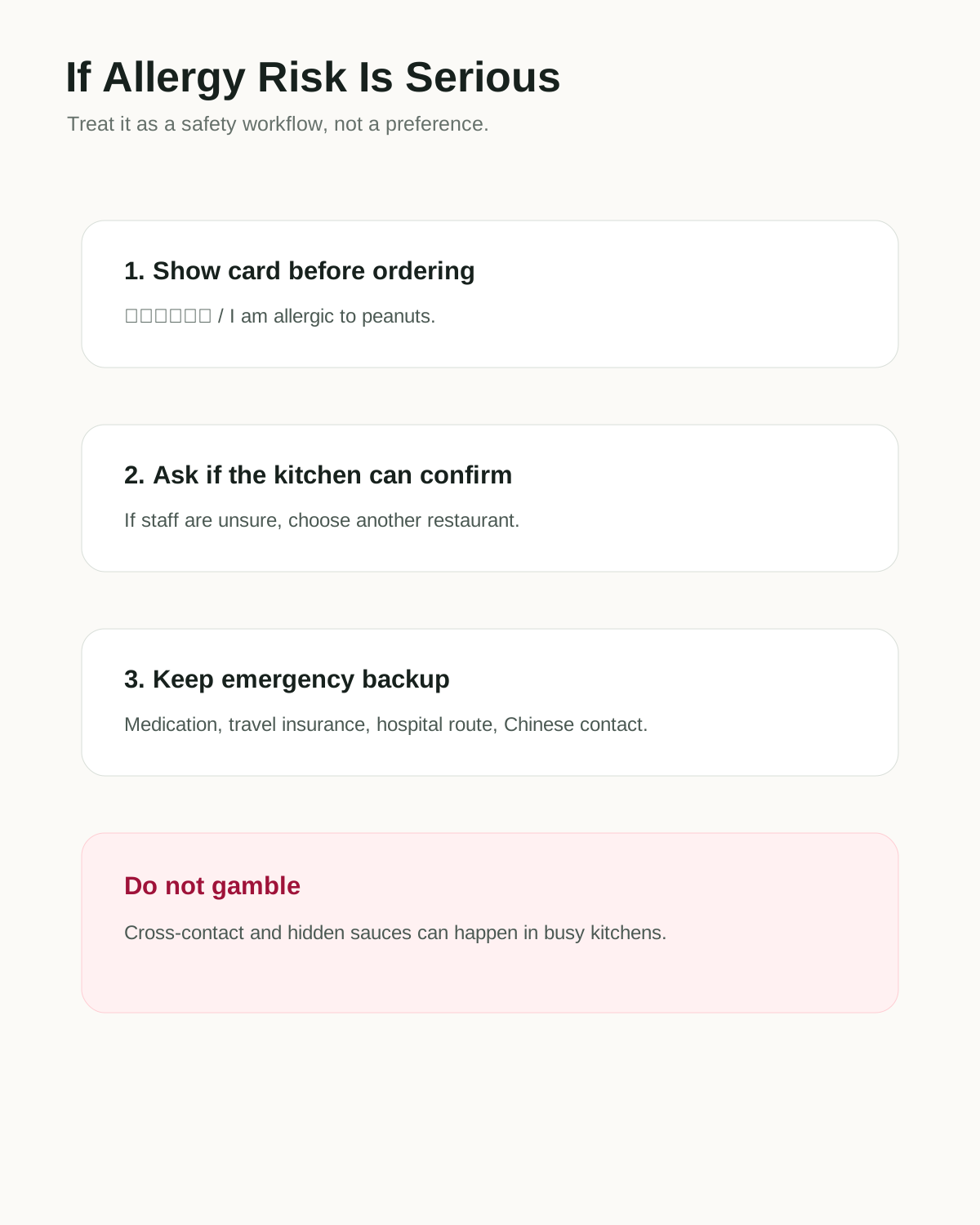
For serious allergies, show your Chinese allergy card before ordering, ask if the kitchen can confirm, and leave if the answer feels uncertain. QR menu notes may be missed. Machine translation can mistranslate ingredient names. Keep medication, travel insurance, and a hospital route ready if your allergy is severe.
This guide is practical travel content, not medical advice. Follow your doctor's allergy plan.
Troubleshooting
Common problems and fixes
- Staff say yes too quickly: ask one more specific ingredient question, or choose a simpler dish.
- QR menu note field is the only place to write restrictions: show staff directly as well, because app notes may not be seen in time.
- Vegetarian dish arrives with minced meat: photograph the issue, ask staff politely, and switch to dedicated vegetarian options next time.
- Non-spicy dish still has chili oil: choose plain broth, rice, congee, dumplings, steamed buns, or Cantonese-style food.
- Halal restaurant search shows normal restaurants: look for 清真 signage and restaurant identity, not just beef/lamb menu items.
- Allergy risk feels unclear: do not gamble; choose hotel, mall, international, vegetarian, halal, or supermarket food.
Important warnings
- Do not assume food allergies are handled the same way as in your home country.
- Do not rely only on English menu labels for vegetarian, vegan, halal, gluten-free, or allergy safety.
- Do not assume no visible meat means no animal ingredient.
- Do not trust machine translation alone for life-threatening allergies.
- Do not use someone else's phrase card if the restriction is not exactly yours.
Best route and backup plan
Recommended route
- Before the meal, save a phrase card with your exact restriction and unsafe ingredient list.
- At the restaurant, show the card first, choose simpler dishes, and confirm hidden ingredients.
- For strict vegetarian, halal, or allergy needs, prefer dedicated restaurants, hotel restaurants, malls, or trusted chains over tiny busy kitchens.
Backup options
- Use dedicated vegetarian, Buddhist vegetarian, halal, hotel, mall, or international restaurants.
- Buy supermarket food, fruit, yogurt, bread, instant oats, or simple snacks for backup.
- Ask hotel staff to write a cleaner Chinese note for your exact restriction.
- Use food delivery only after the address and phrase notes are reliable.
FAQ
Is China easy for vegetarians?
It depends on how strict you are and where you eat. Major cities have vegetarian restaurants, but regular restaurants may use lard, stock, oyster sauce, dried shrimp, or minced meat in vegetable dishes.
How do I say I am vegetarian in Chinese?
我吃素 means I am vegetarian. For stricter wording, add 不吃肉, 鱼, 海鲜, 鸡蛋, 牛奶 depending on what you avoid.
How do I say not spicy?
Say 不辣. If you want only a little spice, say 微辣. If Sichuan pepper is a problem, say 不要花椒.
Is halal food available in China?
Yes, especially in cities with Hui Muslim restaurants and Lanzhou beef noodle shops. Look for 清真 signage and dedicated halal restaurants rather than relying on regular restaurants to modify dishes.
Are food allergies understood in China?
Awareness varies. Use a clear Chinese allergy card, talk to staff directly, avoid complex dishes, and leave if staff cannot confirm ingredients.
Can I use food delivery with dietary restrictions?
It is possible, but riskier because communication is indirect. Use saved notes, simple dishes, trusted restaurants, and direct phone/chat confirmation when needed.
What food is safest if I cannot explain my diet?
Choose dedicated vegetarian/halal restaurants, hotel restaurants, supermarkets, fruit, plain rice, congee, steamed buns, simple noodles, or international chains where ingredients are clearer.
Meituan
A major local-life app for food delivery, restaurants, groceries, deals, and everyday services.
Keep going
Related practical guides
What to Eat in China by City
A city-by-city Chinese food guide for foreigners: what to eat in Beijing, Xi'an, Chengdu, Chongqing, Guangzhou, and Shanghai, plus ordering strategy, spice warnings, and backup meals.

How to Order Food in Restaurants in China
Use QR-code restaurant menus, translate Chinese dishes, customize orders, pay with WeChat Pay or Alipay, and ask staff for help when the mini program is confusing.

How to Communicate in China Without Speaking Mandarin
Set up a practical communication system for China travel using translation apps, camera translation, WeChat translation, screenshots, phrase cards, and confirmation habits.