
First-Time China Itinerary: 7, 10, 14, or 21 Days
The biggest first-time China itinerary mistake is trying to visit every famous place in one trip. China rewards a focused route: fewer bases, better travel days, and enough time to understand each city beyond the train station.
Difficulty
Easy
Time needed
20-30 minutes
Updated
May 16, 2026
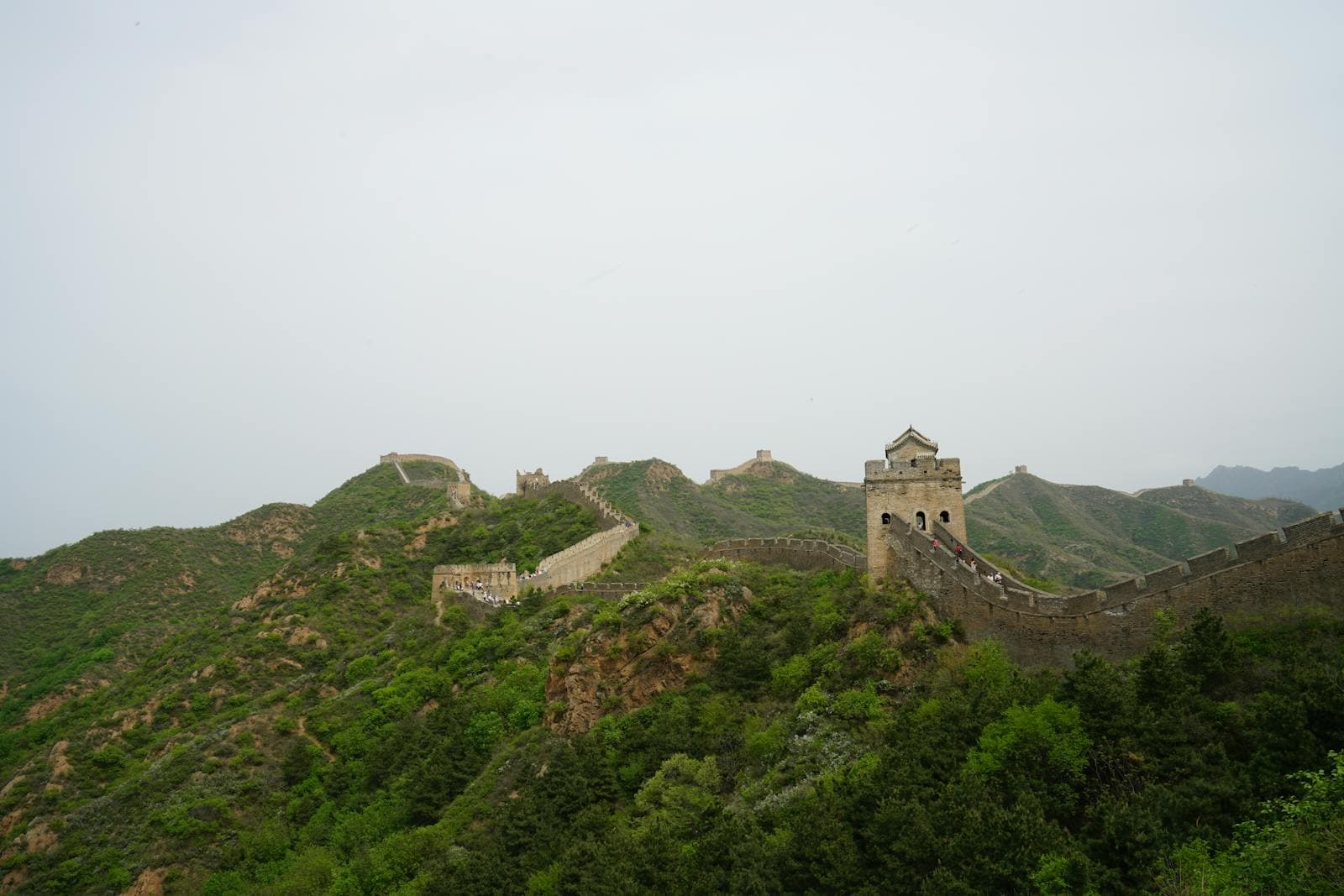
Start here
Quick answer
- For 7 days, choose Beijing and Shanghai only. For 10 days, use the classic Beijing -> Xi'an -> Shanghai route. For 14 days, keep that core and add one theme destination such as Chengdu, Guilin/Yangshuo, Hangzhou/Suzhou, or Zhangjiajie.
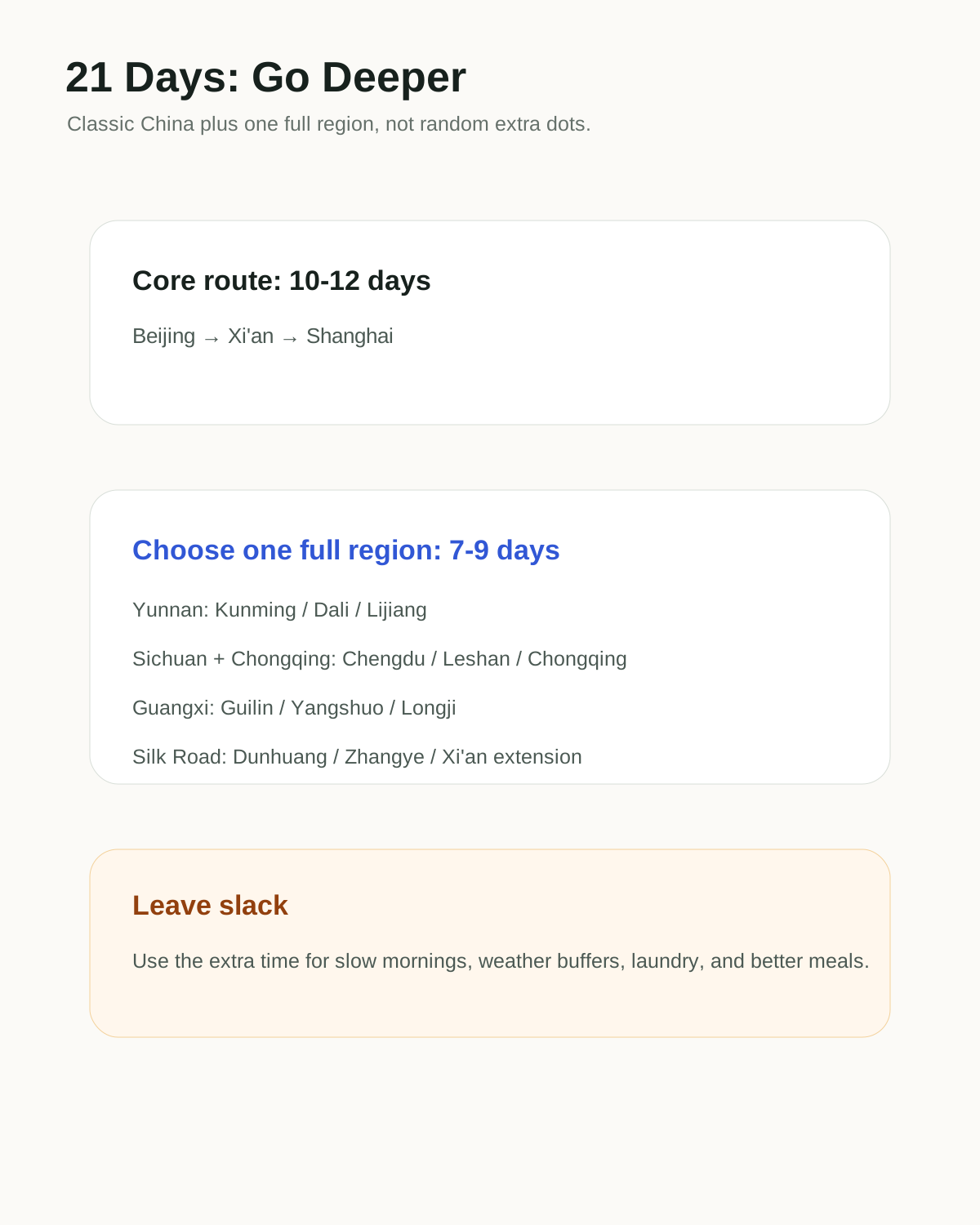
- For 21 days, do not just add random dots. Use 10-12 days for the classic route, then spend 7-9 days in one full region such as Yunnan, Sichuan/Chongqing, Guangxi, or the Silk Road.
- A route is probably too rushed if it has one-night stops, travel every other day, famous sights as quick photo stops, or no buffer before your flight home.
Requirements
- Required: total nights in China, not only vacation days.
- Required: arrival and departure cities.
- Required: season and public holiday check, especially Spring Festival, Labor Day, and National Day.
- Recommended: train/flight transfer estimate door-to-door, not just scheduled ride time.
- Recommended: travel style choice: highlights, food, nature, family pace, or photography.
- Optional: visa-free transit or visa constraints if your trip depends on exact stay length.
Visual manual
Step-by-step guide
Choose the route by number of days
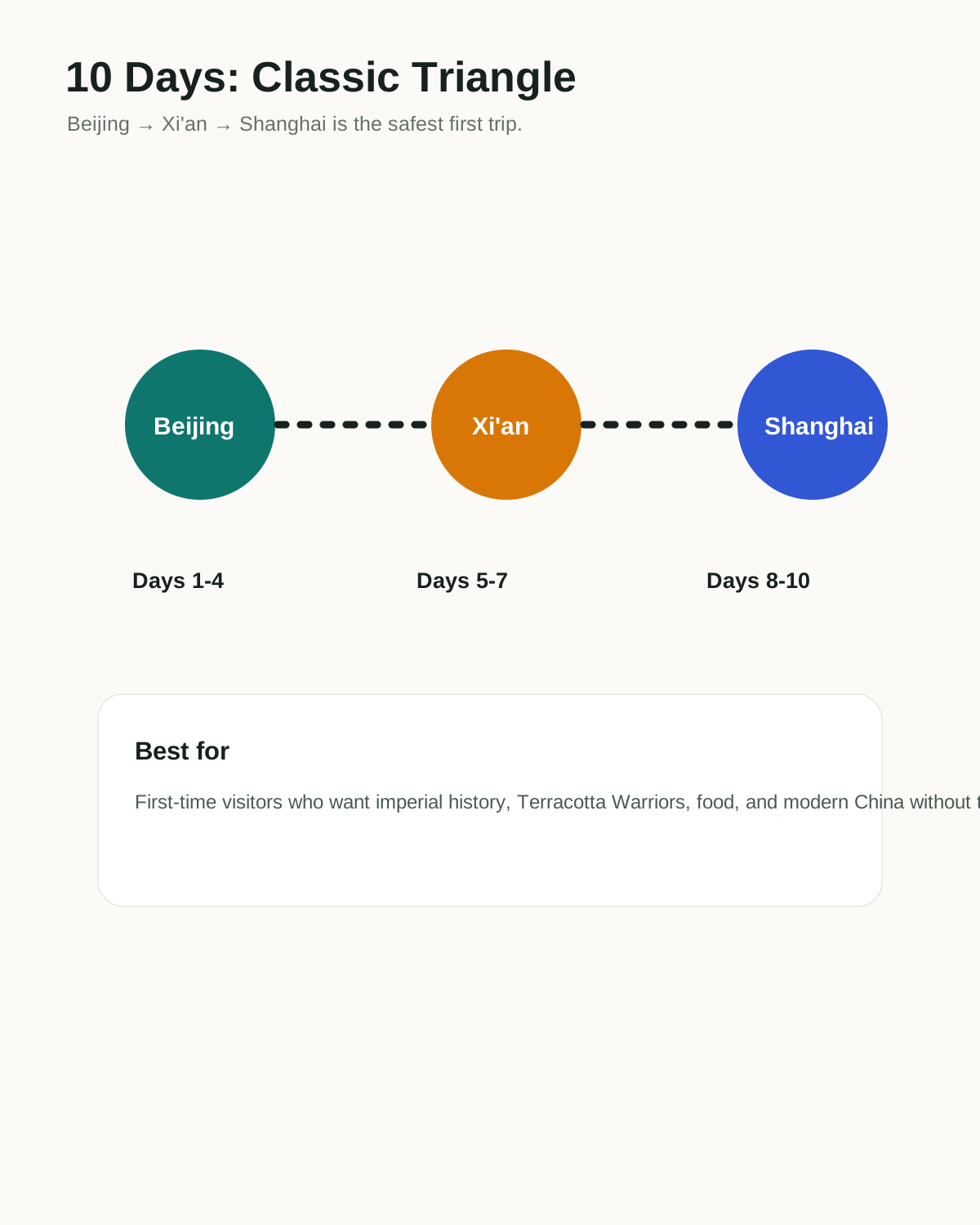
Start with the number of nights and set the city count first. Seven days is two cities. Ten days is three cities. Fourteen days is usually four bases. Twenty-one days can handle the classic route plus one full region. This simple limit prevents the most common Reddit itinerary problem: impressive routes that are exhausting in real life.
A city change costs more than the train or flight time: packing, station transfer, security, waiting, arrival transfer, and check-in all count.
Use 7 days for Beijing and Shanghai
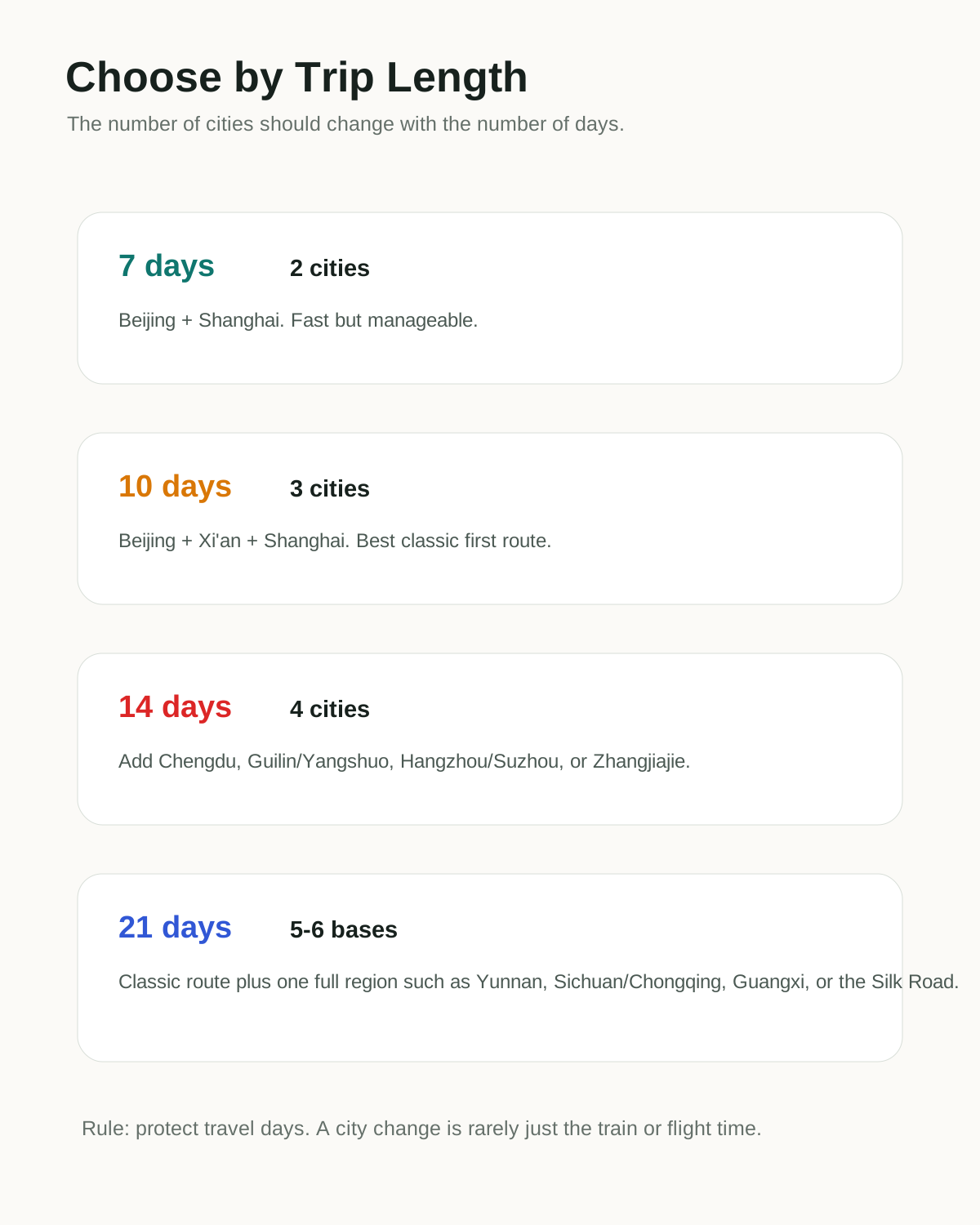
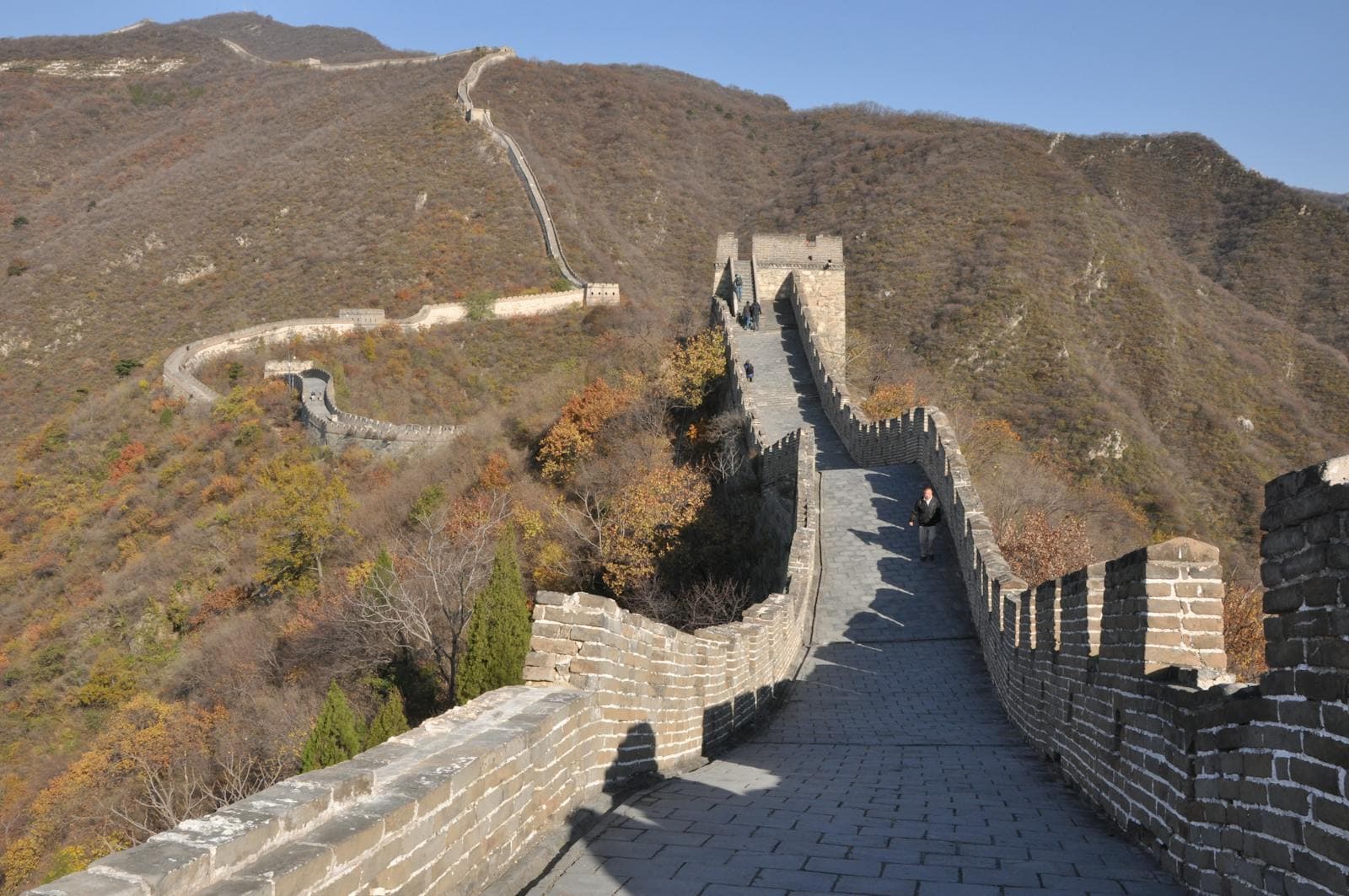
Seven days is enough for contrast, not for covering China. Spend about four days in Beijing for the Great Wall, Forbidden City, Temple of Heaven, hutongs, and food. Then take the train or flight to Shanghai for the Bund, museums, neighborhoods, shopping, and departure buffer.
Do not add Xi'an unless you can extend to around 10 days or accept a very fast trip.
Use 10 days for the classic triangle
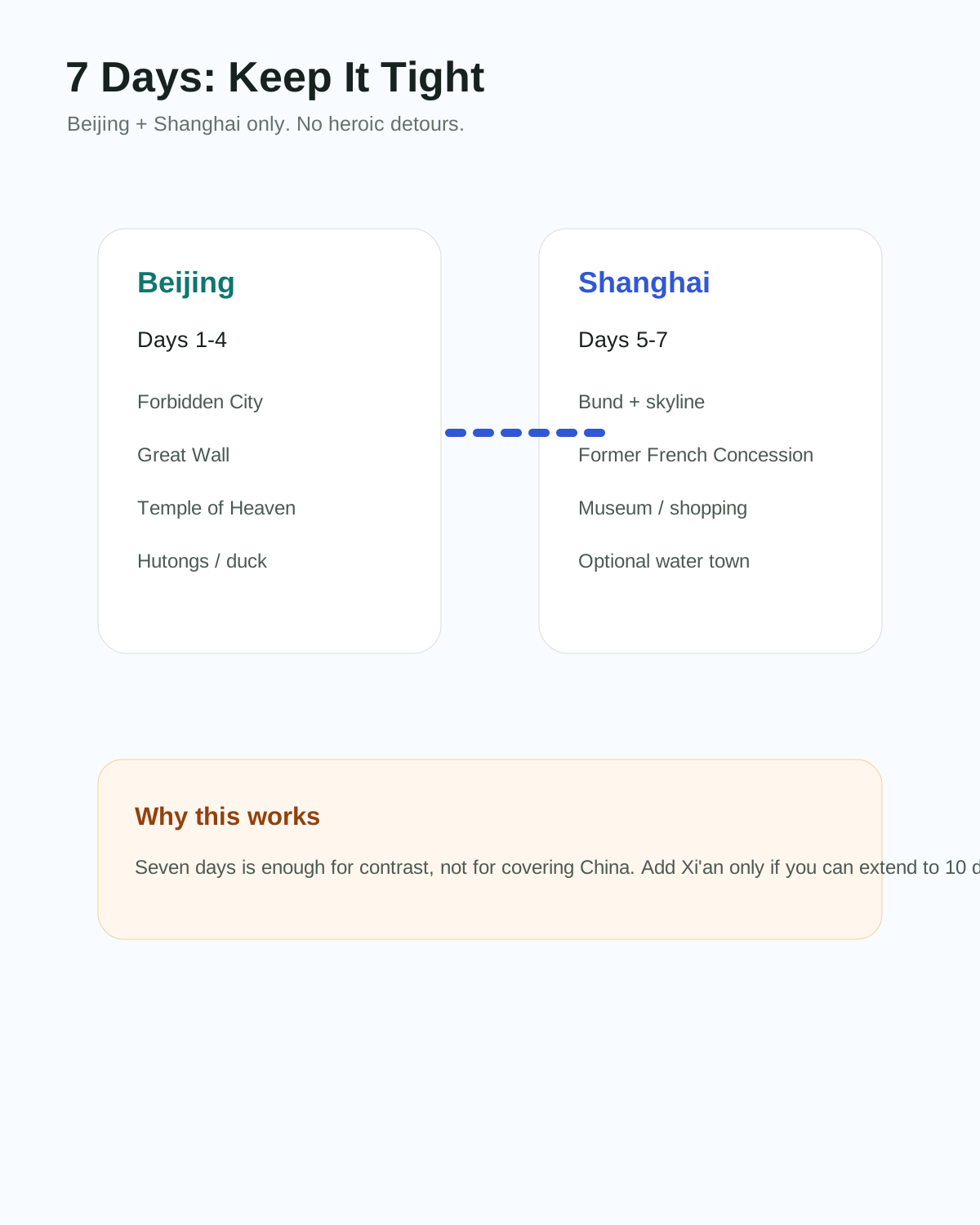
For most first-time visitors, 10 days is best as Beijing -> Xi'an -> Shanghai. Beijing gives imperial history and the Great Wall. Xi'an adds Terracotta Warriors, city wall, and food. Shanghai gives modern China, easier departure logistics, and optional day trips if energy allows.
If your international flight arrives in Shanghai, you can reverse the route.
Use 14 days to add one theme, not four
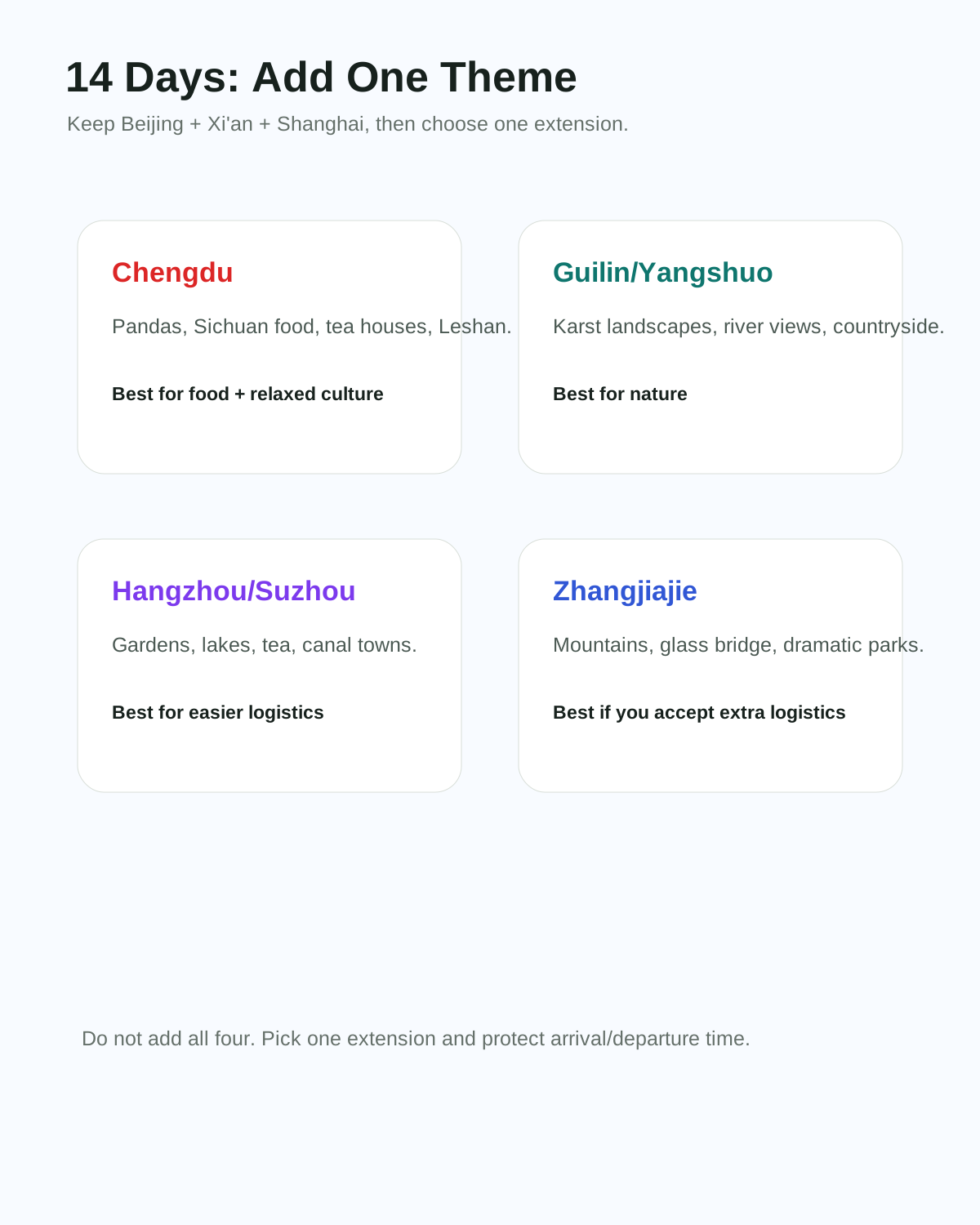
Two weeks lets you add one major extension. Choose Chengdu for pandas, food, tea houses, and Leshan. Choose Guilin/Yangshuo for karst landscapes and slower countryside. Choose Hangzhou/Suzhou for gardens, tea, and easy Shanghai logistics. Choose Zhangjiajie only if dramatic mountains matter enough to accept extra weather and transport risk.
This is where many itineraries go wrong: Chengdu, Guilin, Zhangjiajie, and Hong Kong cannot all be casual add-ons.
Use 21 days for one real region
With three weeks, keep the classic route, then go deeper in one region. Yunnan can mean Kunming, Dali, Lijiang, and Shangri-La. Sichuan/Chongqing can mean Chengdu, Leshan, Chongqing, and nearby food/culture days. Guangxi can mean Guilin, Yangshuo, Longji, and slower landscapes. The Silk Road can mean Xi'an, Dunhuang, Zhangye, and western scenery.
If you add Tibet or high-altitude regions, check permit, altitude, guide, and route requirements separately.
Cut cities with a simple stress test
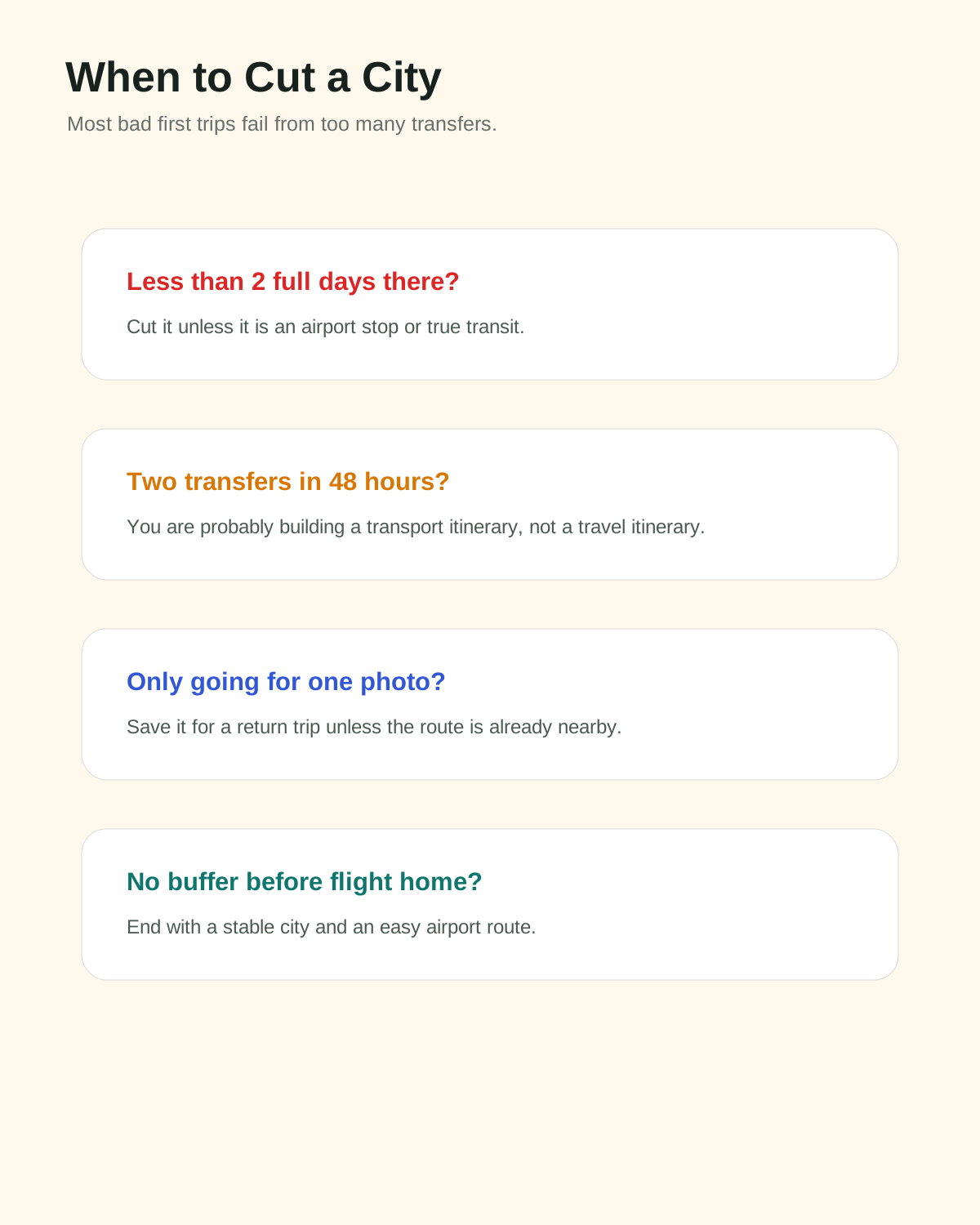
Cut a city if it gives you less than two full days, forces two transfers in 48 hours, exists only for one photo, or leaves no buffer before your flight home. The city you cut often becomes the seed of a better second China trip.
User-reported route reviews repeatedly warn that China feels larger on the ground than it does on a spreadsheet.
Troubleshooting
Common problems and fixes
- Too many bases: limit 7 days to 2 cities, 10 days to 3 cities, 14 days to about 4 bases, and 21 days to 5-6 bases.
- Not enough Beijing time: Beijing attractions are large and spread out, and the Great Wall usually takes half a day or more.
- Zhangjiajie or Guilin is treated as a quick stop: both need weather, transport, and park/landscape time to feel worthwhile.
- Travel days are counted as sightseeing days: protect them as transition days with light evening plans.
- Holiday crowds break the route: check official holiday dates before booking trains, hotels, and famous attractions.
Important warnings
- Do not build a first-time itinerary around five or six famous places if the trip is only 10-14 days.
- Do not rely on flight time alone; airport transfers and delays can erase the time advantage over trains.
- Do not schedule a major train/flight transfer and a high-demand attraction on the same day unless you have a buffer.
- Do not end the trip in a distant city from your international departure airport.
- Do not ignore National Day Golden Week, Spring Festival, Labor Day, school holidays, and summer heat.
Best route and backup plan
Recommended route
- 7 days: Beijing 4 days + Shanghai 3 days.
- 10 days: Beijing 4 days + Xi'an 3 days + Shanghai 3 days.
- 14 days: Beijing + Xi'an + one extension + Shanghai.
- 21 days: classic route + one full region, with rest days and travel buffers.
Backup options
- Cut the hardest-to-reach city first.
- Keep Beijing, Xi'an, and Shanghai as the first-trip core if history and classic highlights matter.
- Choose Chengdu for food and pandas, Guilin/Yangshuo for landscapes, Hangzhou/Suzhou for easier logistics, or Zhangjiajie only if you accept weather/logistics risk.
- Leave at least the final night in your departure city.
FAQ
How many days do I need for a first trip to China?
Ten to fourteen days is the best range for most first-time visitors. Seven days is possible for Beijing and Shanghai, while twenty-one days lets you add one deeper region.
What is the best first-time China route?
The safest classic route is Beijing, Xi'an, and Shanghai. It gives imperial history, the Great Wall, Terracotta Warriors, food, and modern China with strong transport connections.
Is 7 days enough for China?
It is enough for a focused first taste, usually Beijing and Shanghai only. It is not enough for a broad national route.
Is 14 days in China too rushed?
Not if you keep it to about four bases. It becomes rushed when you add five or six cities, one-night stops, or long-distance day trips.
Should I add Chengdu or Guilin?
Choose Chengdu for food, pandas, tea houses, and Sichuan culture. Choose Guilin/Yangshuo for landscapes, countryside, and a slower nature break.
Should I include Hong Kong on a first China trip?
Hong Kong is excellent, but it adds a separate city system and often works better on a longer southern route unless your flights already use Hong Kong.
Should I travel by train or plane?
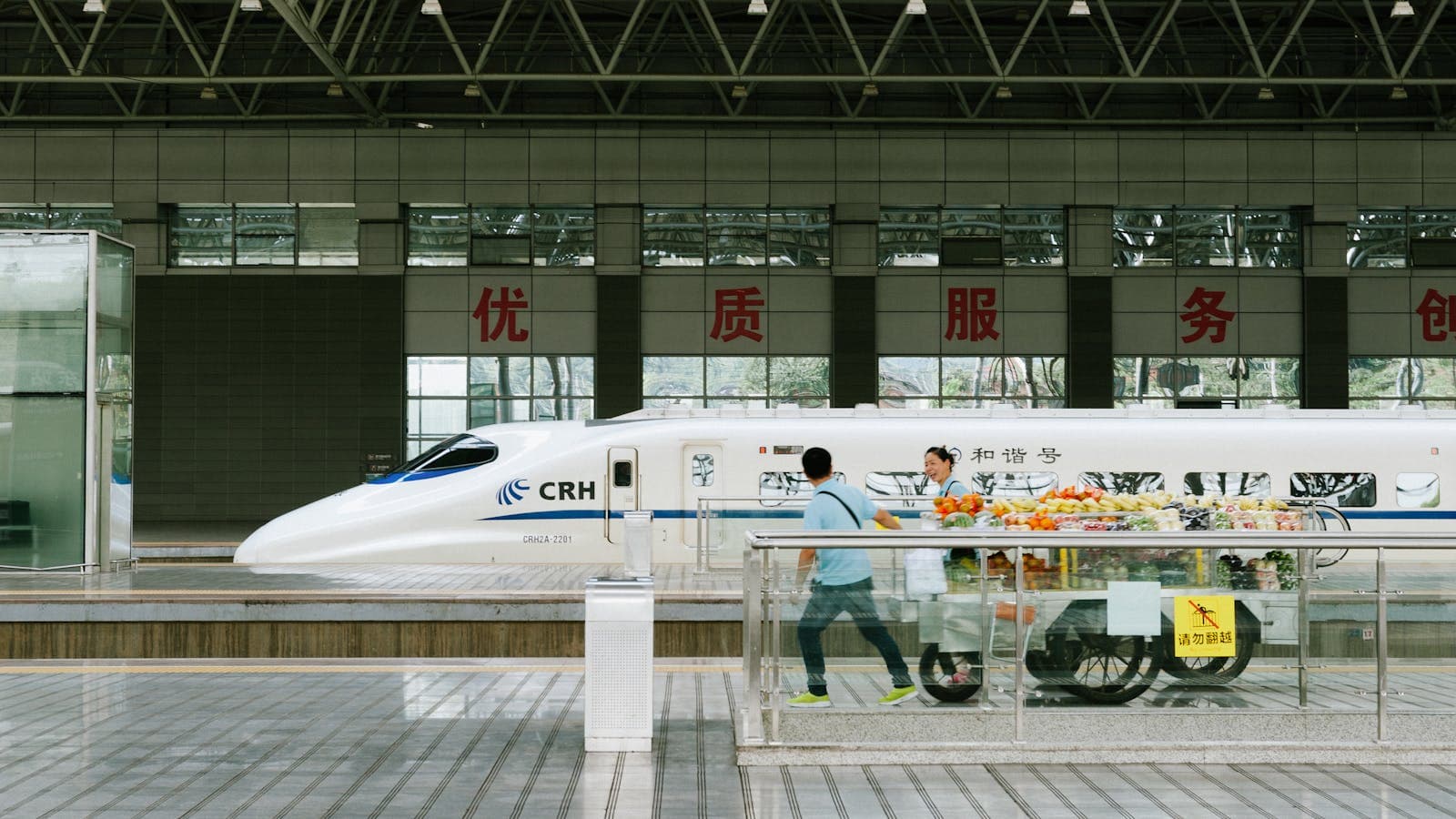
For Beijing-Xi'an and many city pairs under about 5-6 train hours, high-speed rail is often simpler door-to-door. Flights can help for long cross-country jumps.
Trip.com
A foreigner-friendly booking app for China hotels, domestic flights, high-speed trains, and travel support.
Keep going
Related practical guides
Best 2-Week China Itinerary for First-Time Visitors
A balanced 14-day China itinerary for first-time visitors: Beijing, Xi'an, Chengdu or Guilin, and Shanghai, with pacing checks, travel-day advice, and extension choices.
Best Time to Visit China: Month-by-Month Guide
Month-by-month guide to the best time to visit China by region, weather, crowds, holidays, route type, and packing needs.
How to Use China 240-Hour Visa-Free Transit
Check whether your nationality, route, onward ticket, entry port, stay area, and timing qualify for China's 240-hour visa-free transit policy.