
Suzhou / Local Culture
Suzhou Silk and Song Brocade: From Mulberry Leaves to Museum Looms
Suzhou's silk story is much bigger than scarves in a gift shop. It starts with mulberry leaves and silkworms, moves through reeling and weaving, becomes brocade, kesi, court robes, modern fashion, and museum conservation. If gardens are Suzhou's spatial art and Pingtan is its sound, silk is the city's material culture: soft, technical, luxurious, and easy to miss if you only shop for a bargain.
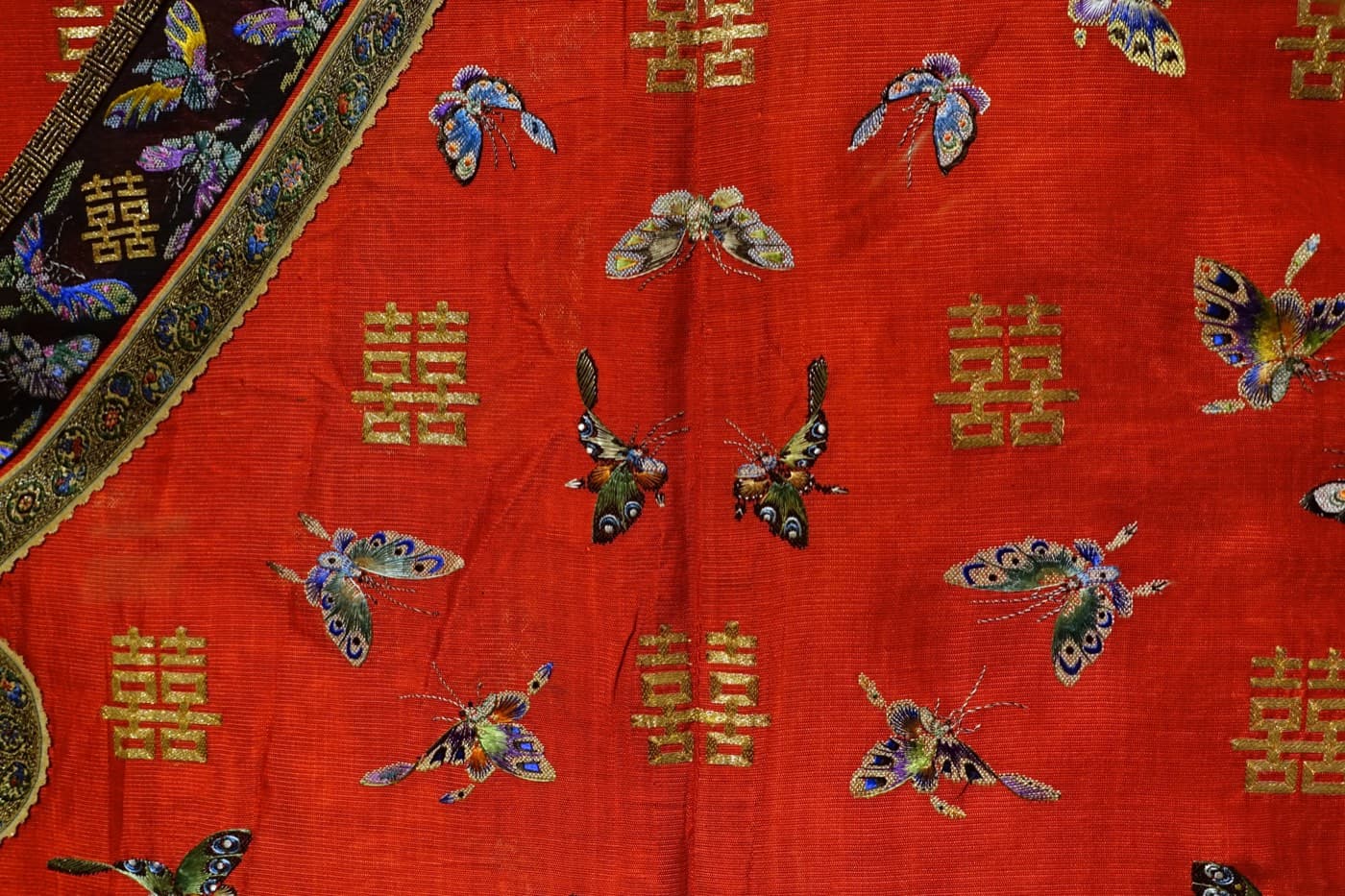
Why silk belongs in the Suzhou story
Suzhou's old wealth was not built only on gardens and scholar culture. It was also built on water, trade, workshops, and textiles. Silk is one of the easiest ways to make that economic history visible to visitors.
The trap is treating silk as a shopping category. A better question is: how did a living material become thread, fabric, pattern, court luxury, export object, and modern cultural identity?
Start at the Suzhou Silk Museum
The official Suzhou Silk Museum page says the museum was founded in 1991 and is China's first museum specialized in silk. It sits near Beisi Pagoda in the old town and covers ancient silk, modern silk, children's exhibits, a mulberry yard, weaving machinery, and silk cultural art.
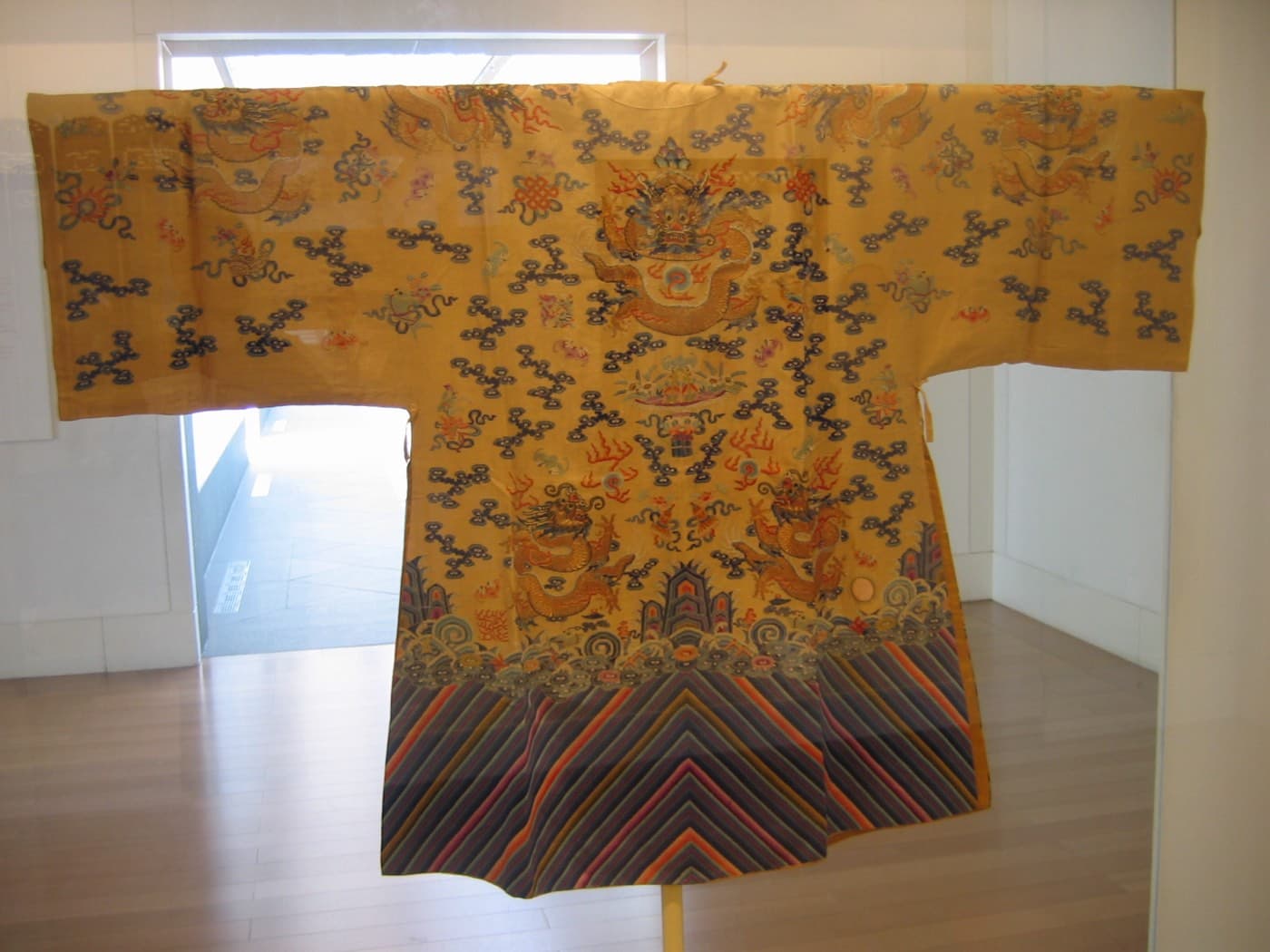
For Western visitors, this is useful because it turns silk from a vague luxury word into a sequence. You see history, sericulture, weaving and dyeing, imperial weaving, Republican-period garments, intangible heritage, and restoration work in one place.
Follow the process: leaf, thread, loom
Silk becomes more interesting when you follow the chain. Mulberry leaves feed silkworms. Cocoons become filament. Filament becomes thread. Thread becomes woven surface. Woven surface becomes clothing, brocade, tapestry, or decorative art.
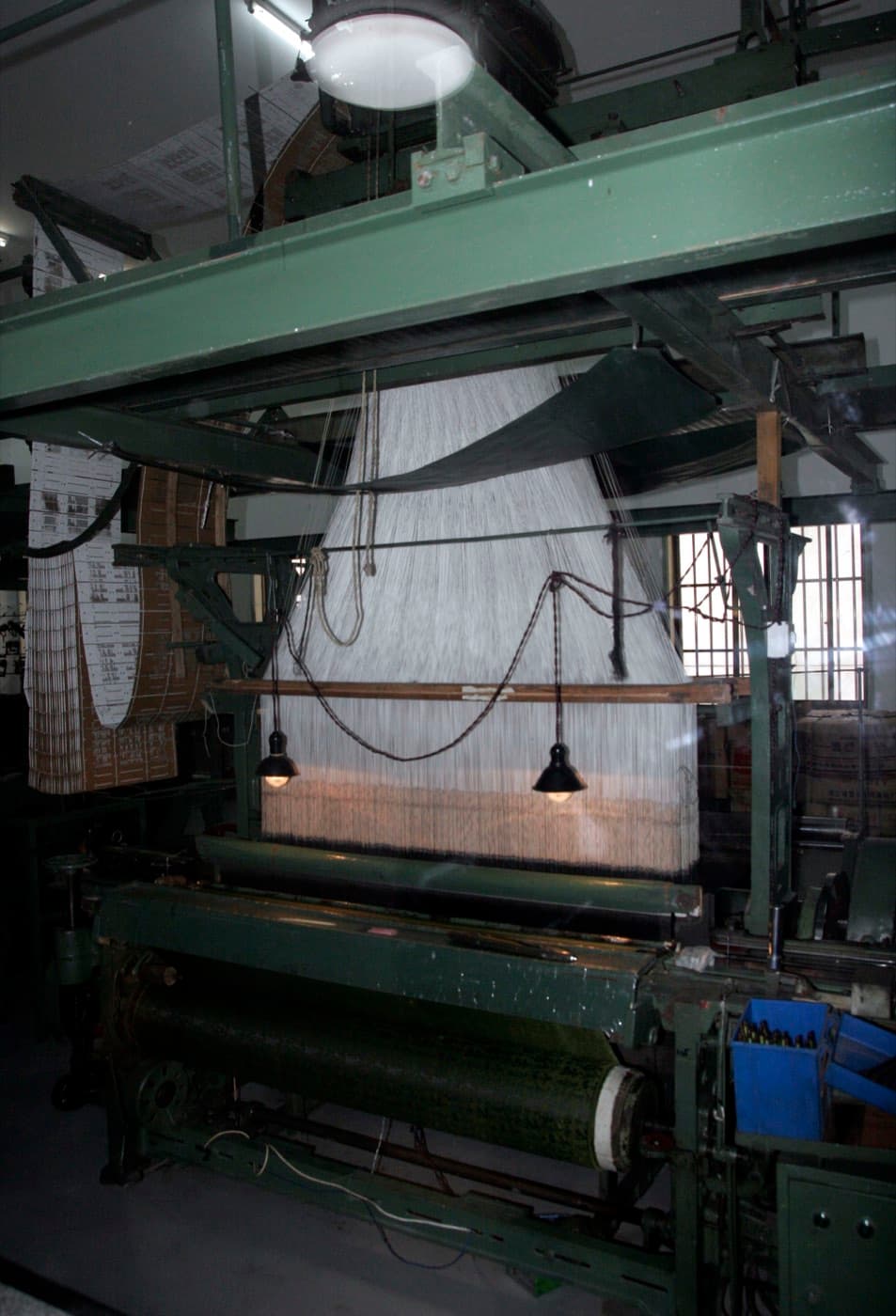
This process is what makes the museum more than a display room. The official page notes both static exhibits and dynamic activities, including traditional silk weaving. Try to catch demonstrations if timing allows; a loom makes the complexity immediately physical.
Song brocade and kesi: two names worth knowing
The official museum page identifies Songjin, often rendered as Song brocade or lampas, and Zhangduan, patterned velvet, as weaving skills connected with intangible heritage research. Kesi, a silk tapestry technique, is another important term to watch for in Suzhou textile displays.
You do not need to become a textile specialist. Just knowing these names helps you look differently: brocade is pattern woven into structure, not just printed on top; kesi can feel almost like painting made through weaving.
How silk connects to Su embroidery
Silk and embroidery are separate subjects, but they strengthen each other. Suzhou embroidery depends on silk thread, while silk weaving explains the material world that made embroidery, robes, screens, and decorative textiles possible.
If you have one culture-heavy day, pair the Silk Museum with an embroidery gallery or Su Xiu stop. It gives you both sides of the story: woven ground and stitched image.
Shopping without getting lost
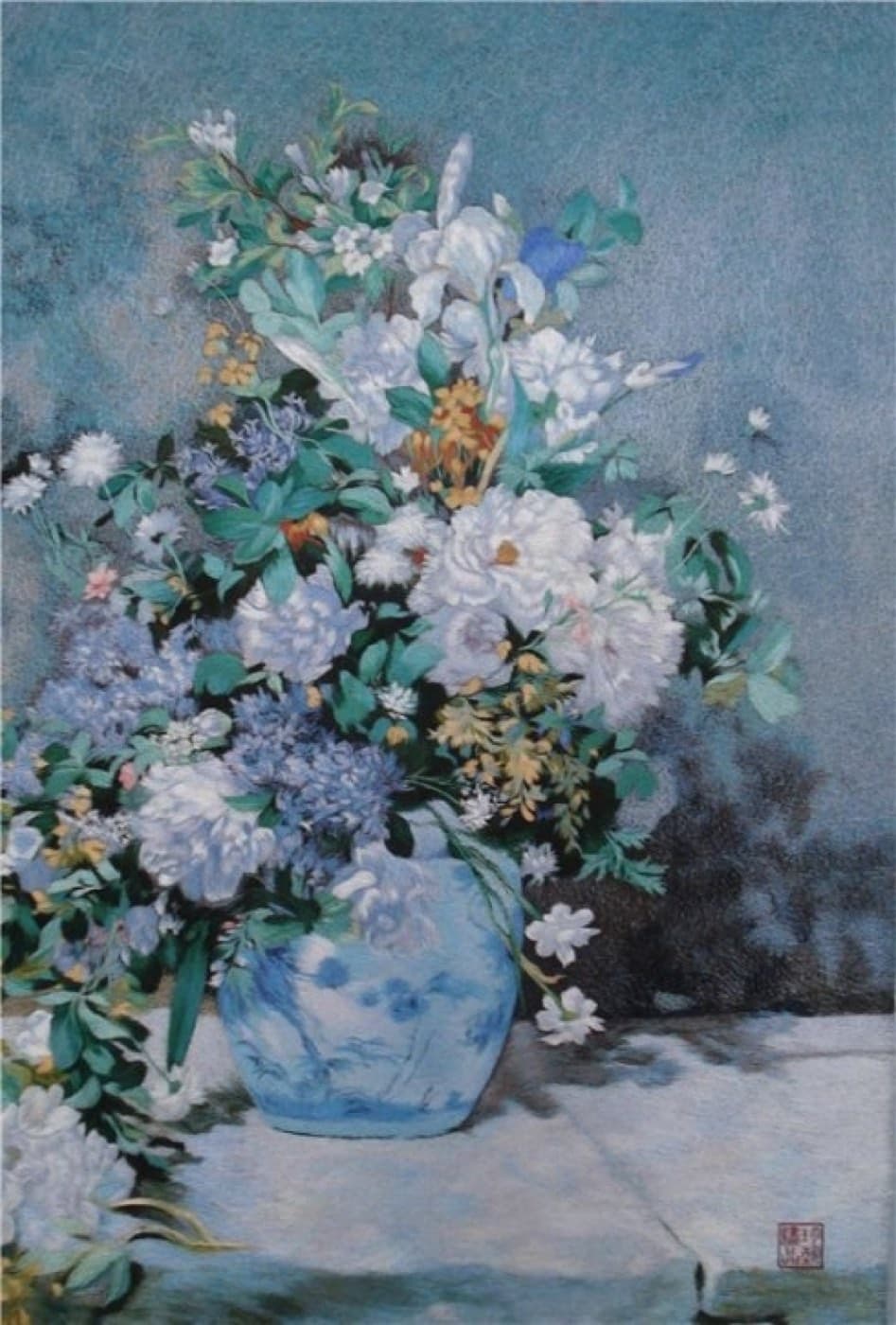
Suzhou silk shopping can be enjoyable, but the range is huge: factory souvenir, machine-made scarf, hand-finished piece, contemporary design, museum shop item, brocade object, or expensive art textile. Ask what the material is, how it was made, and whether the pattern is woven, printed, or embroidered.
A good rule for travelers: learn before buying. Visit the museum first, then shop. You will have better eyes and fewer regrets.