Shenzhen / Local Culture
Shenzhen's Hardware DNA: Where AI Gadgets, Drones and Supply Chains Become Culture
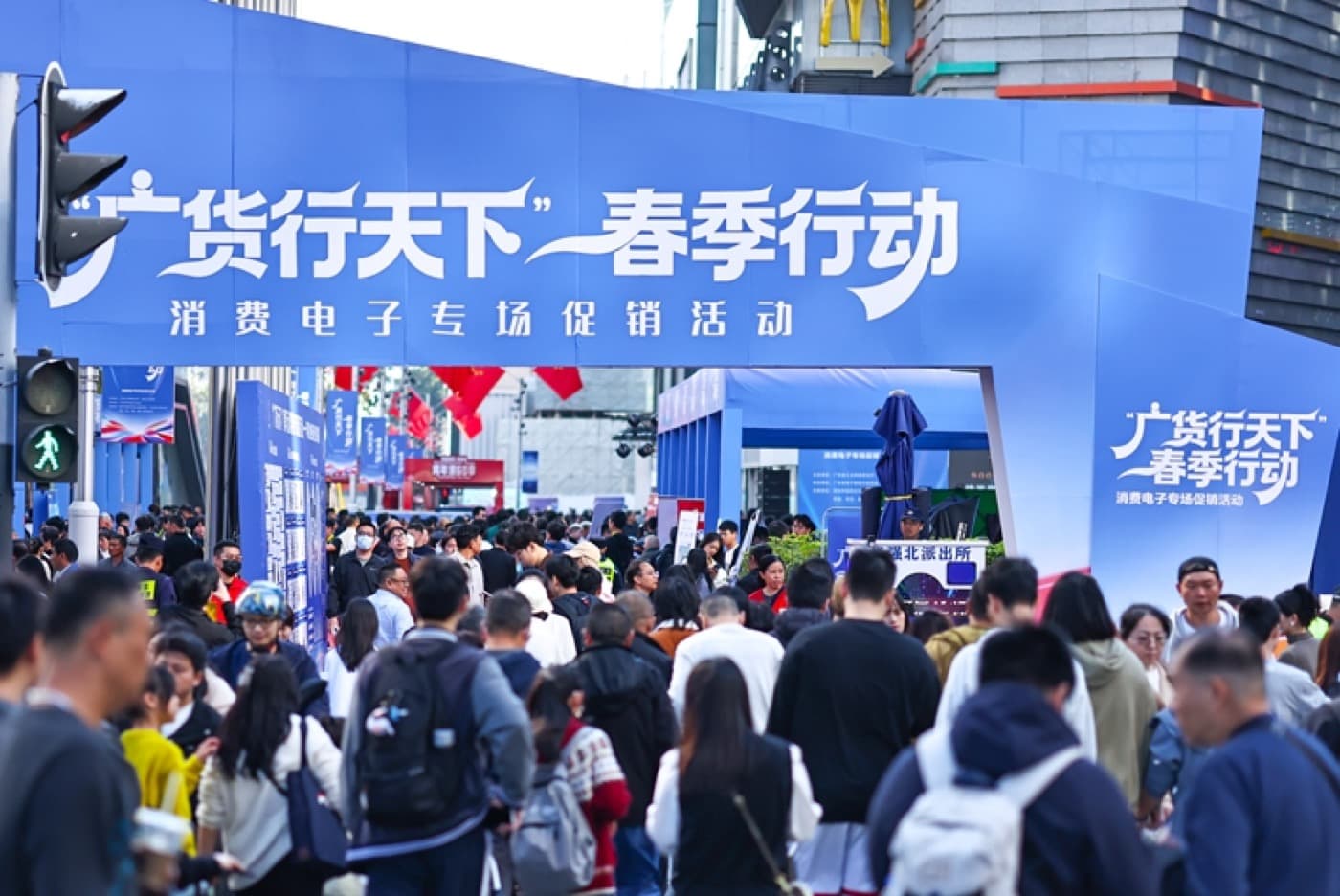
In Shenzhen, technology is not hidden inside campuses and press releases. It leaks into the street. You see it in Huaqiangbei counters, drone demos, livestream sales, phone repair stalls, AI wearables, maker conversations, component markets, and the confidence that hardware is something you can touch, test, modify, sell, and ship.
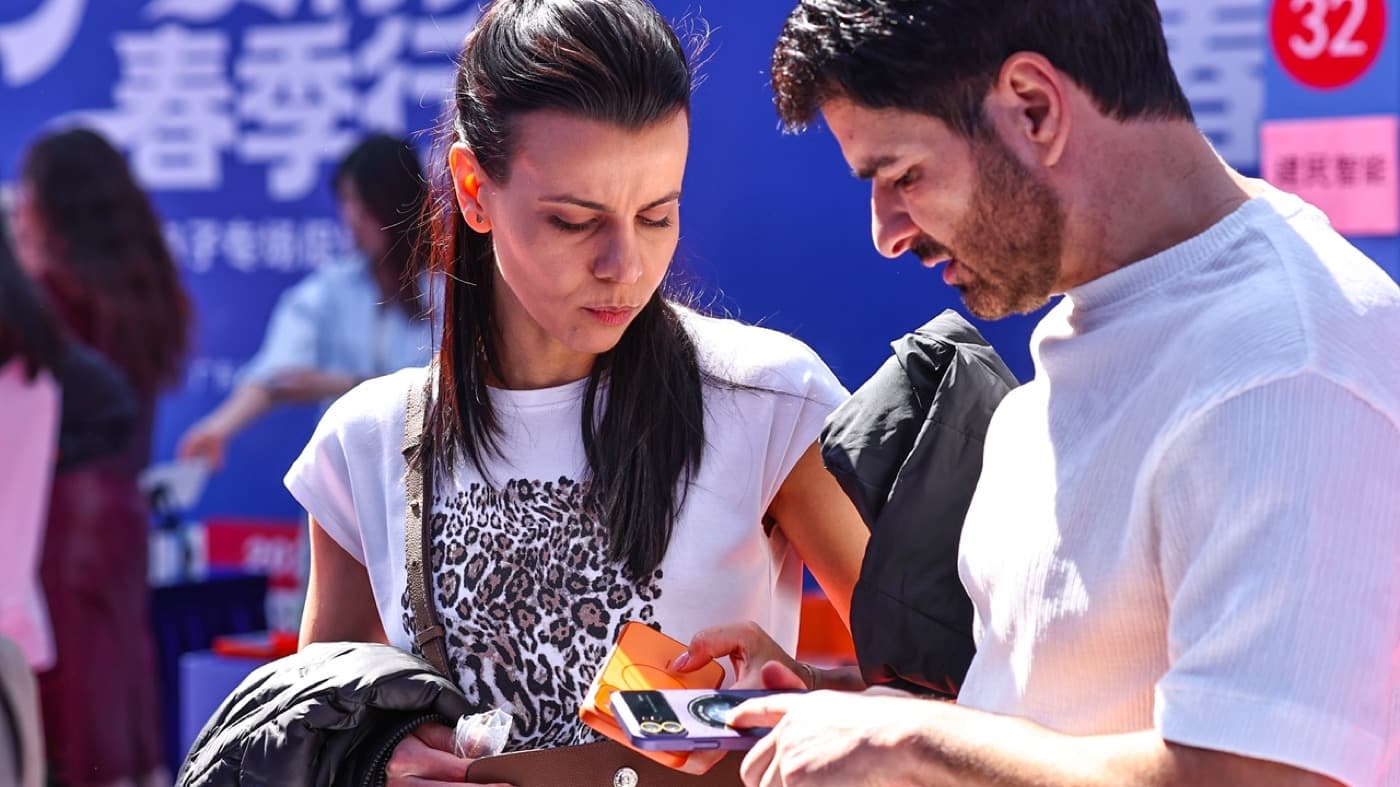
Hardware is a city language here
In many global tech cities, the technology scene is hidden behind campuses, venture offices, or conference badges. Shenzhen feels more physical. The products, parts, demos, repairs, and sales channels sit close enough that visitors can see the pipeline.
That is why Huaqiangbei matters culturally. It is not only where you buy accessories. It is where the city's hardware imagination becomes visible.
The supply chain is the attraction
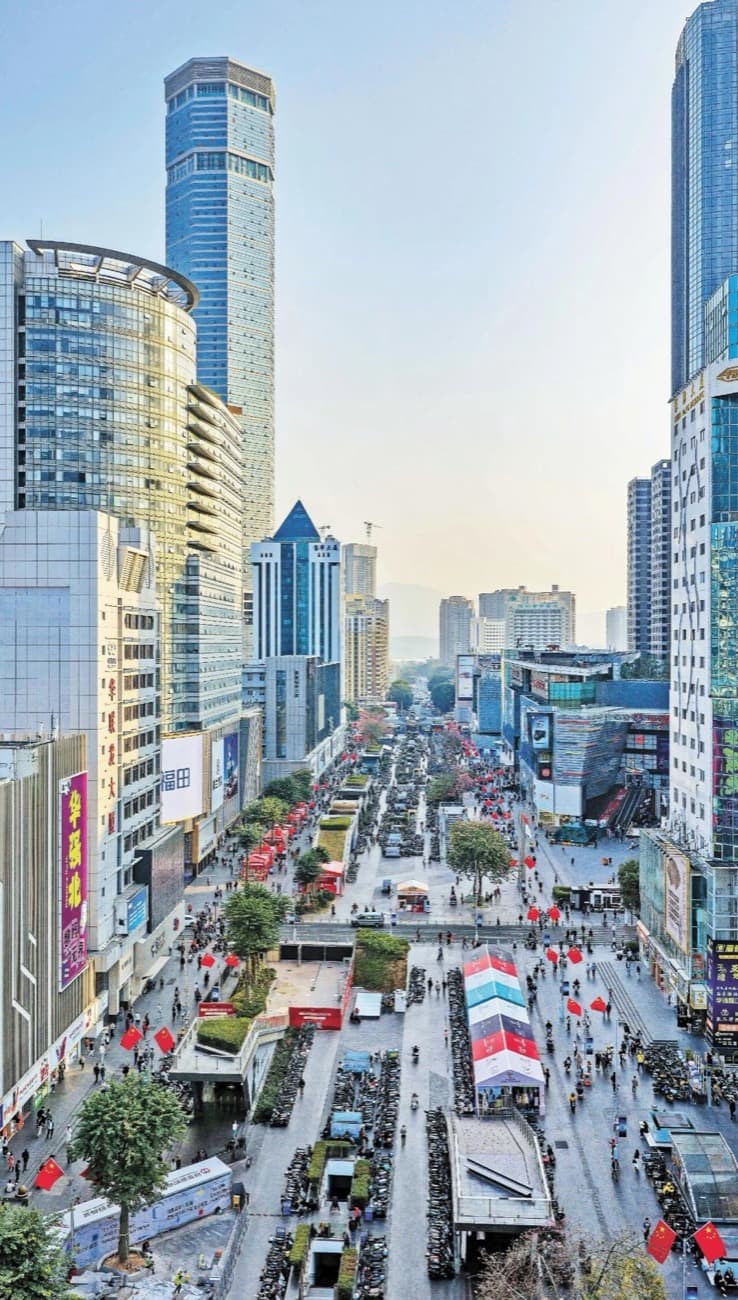
EyeShenzhen's 2026 Huaqiangbei coverage describes the district as home to the world's largest electronics market and a global barometer for smart hardware. It also notes the density of markets, merchants, product types, and international buyers.
For a Western traveler, that means the attraction is not a single famous building. The attraction is proximity: components near repair, repair near wholesale, wholesale near livestream sales, livestream sales near export buyers, and all of it close to metro stations.
AI gadgets are the new street-level tech
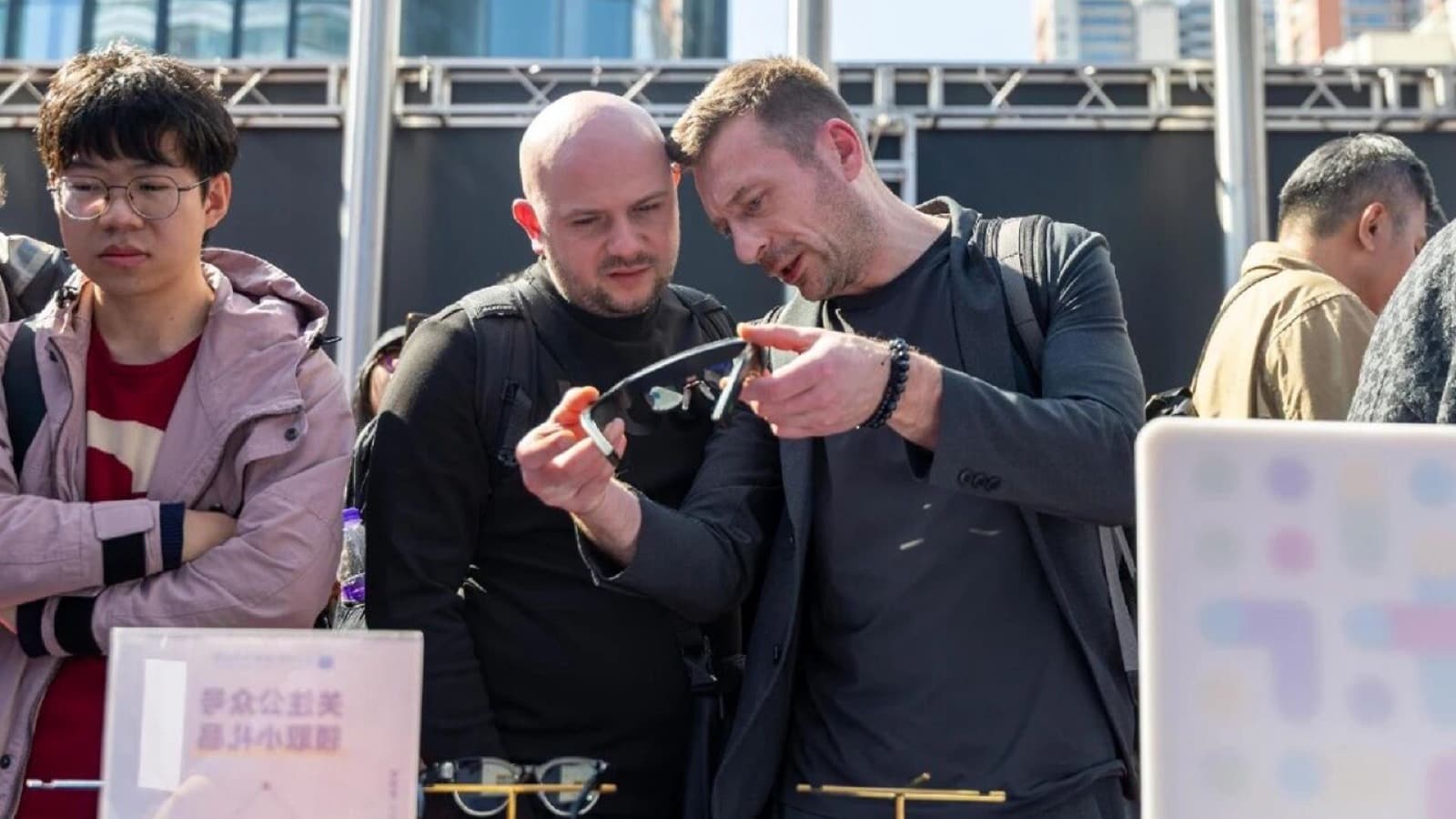
AI can sound abstract until you see it turn into glasses, smart learning devices, translation tools, wearables, cameras, robots, and demos on a counter. Shenzhen's strength is that ideas become objects quickly enough for ordinary visitors to notice the cycle.
Some products will be brilliant, some unfinished, and some simply strange. That is part of the point. Shenzhen lets you see technology before it becomes fully domesticated.
Drones, cameras, and creator gear feel local
Drones and camera gear fit Shenzhen especially well because the city has companies, component suppliers, export channels, creators, and buyers all orbiting the same ecosystem. Even if you do not buy anything, the demos tell you what kind of city this is.
The same goes for phone accessories, small lights, microphones, gimbals, and livestream equipment. They are not side products. They are part of a creator-and-commerce culture that makes the city feel constantly on.
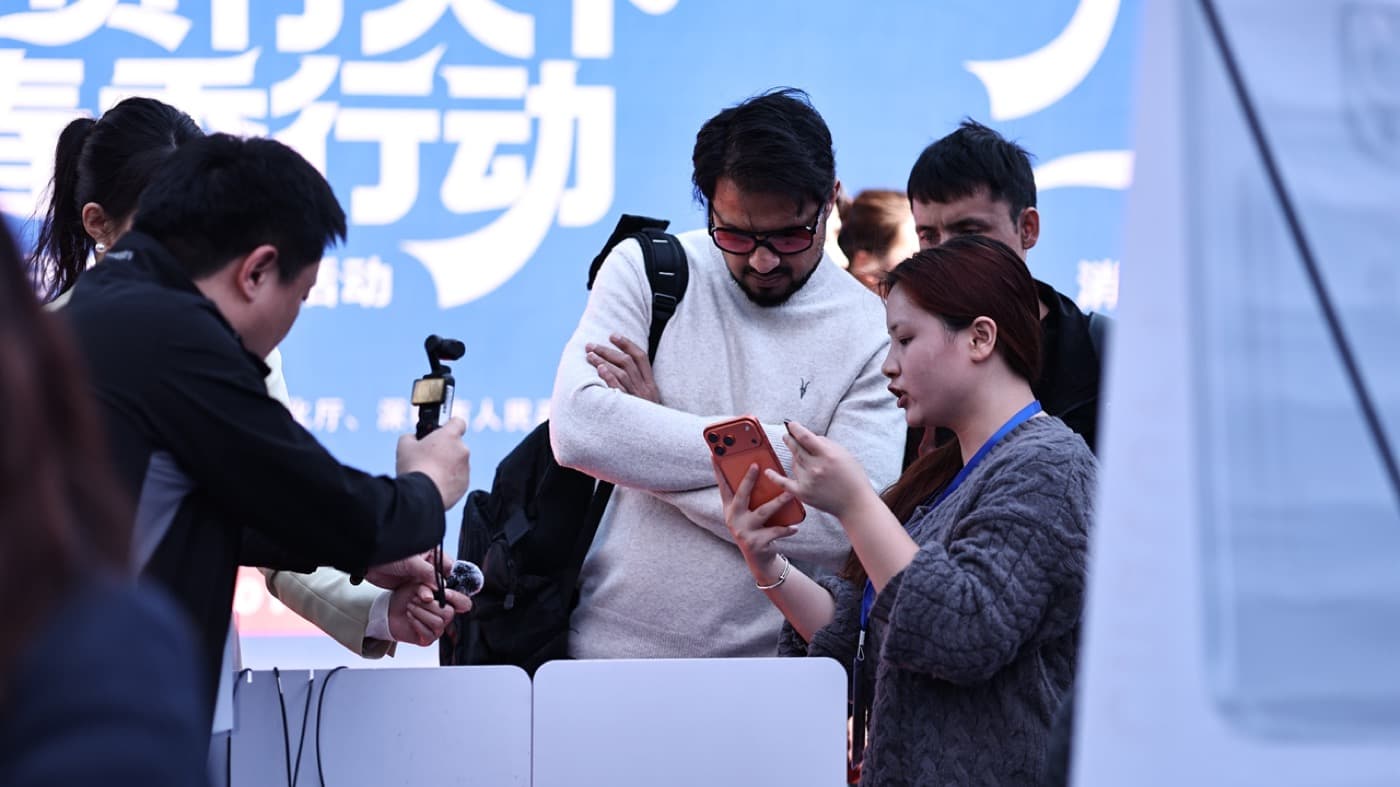
Livestream sales are the new market voice
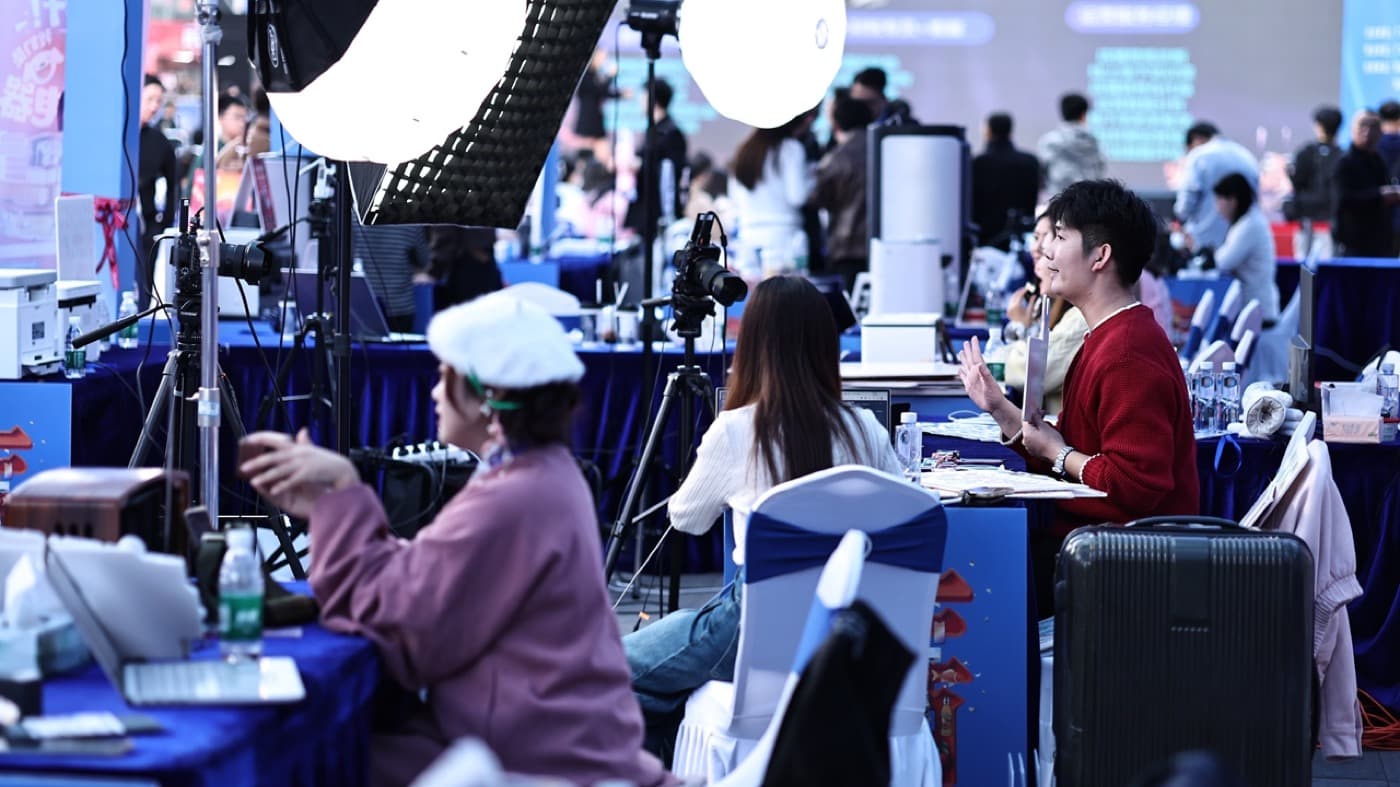
EyeShenzhen's consumer electronics report notes on-site livestreaming sales and virtual exhibition tours. That detail matters because it shows how Shenzhen connects old market behavior with new platforms.
The seller shouting across a market hall and the host explaining a product on camera are part of the same city habit: make the product visible, explain it quickly, move inventory, and adjust tomorrow.
From made to created
EyeShenzhen's official city profile lists major companies such as Huawei, BYD, Tencent, and DJI among Shenzhen's innovation landscape, and its industrial strategy includes intelligent terminals, sensors, robotics, new energy, and future industries. The city is not only assembling things for others.
For visitors, the practical takeaway is simple: Shenzhen's culture is partly manufacturing literacy. People talk about versions, suppliers, delivery, testing, price, function, and launch timing with a fluency that turns technology into everyday conversation.