
Shenzhen / Food & Daily Life
Beyond Tech Towers: Shenzhen's Oyster and Seafood Trail from Shajing to Fuhai
Shenzhen looks like glass towers from the train window, but its food memory still has salt in it. West of the city, Shajing oysters carry a thousand-year local story. Around Fuhai, seafood markets turn dinner into a choose-your-own-crab situation. Toward the east, Yantian and Nan'ao remind you that Shenzhen is also a coastal city, not only a hardware city.
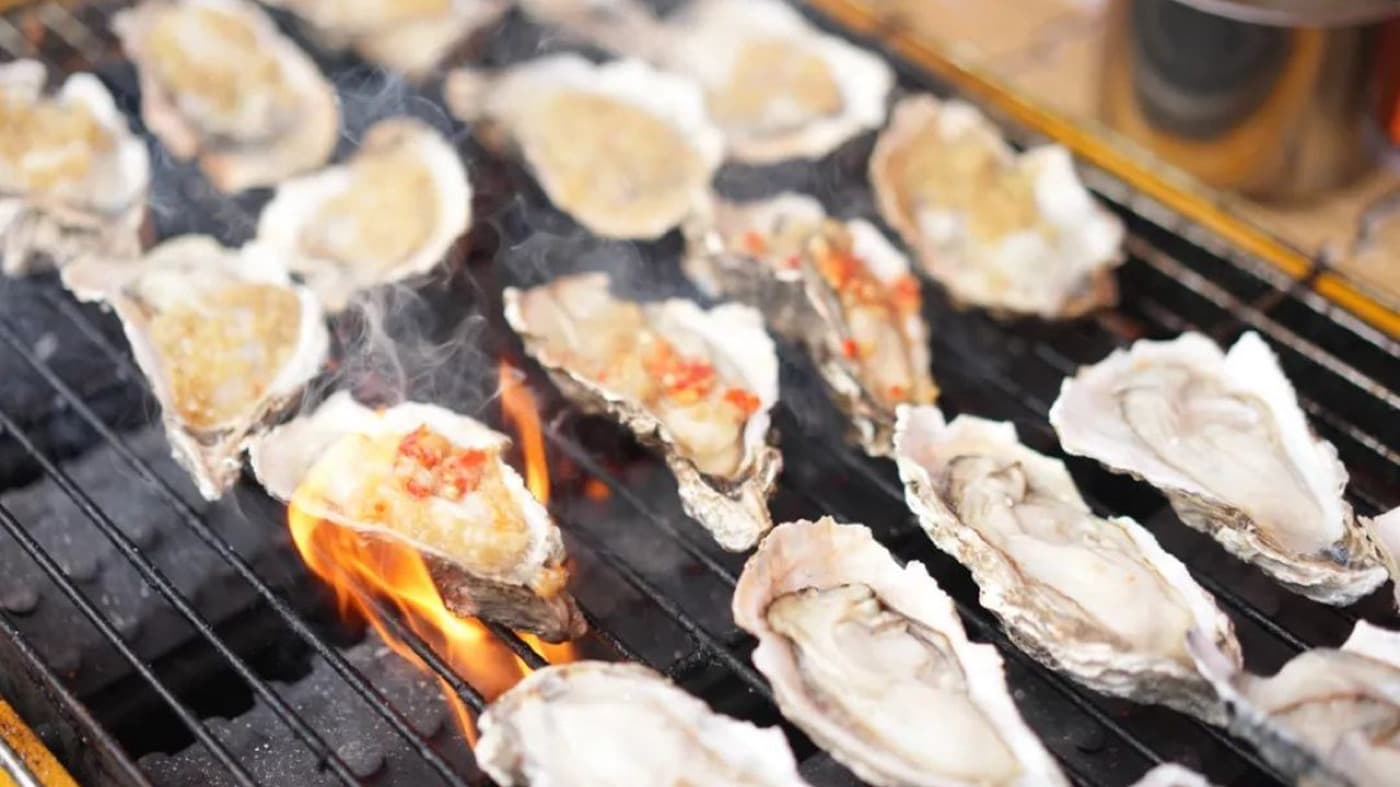
Shenzhen has a seafood memory
Because Shenzhen is so young in the popular imagination, visitors often forget that its coastal villages, oyster beds, fishing areas, and port districts existed before the skyline. Seafood is one of the easiest ways to see that older layer.
Shajing oysters are the anchor. EyeShenzhen describes Shajing as a historic oyster area in Bao'an and names Shajing oysters among the city's famous specialties.
Why Shajing oysters matter
The appeal is not only taste. It is identity. Shajing oysters let visitors understand that Shenzhen is part of a delta food world: tidal flats, seafood markets, village memory, and local specialties that do not fit the usual tech-city stereotype.
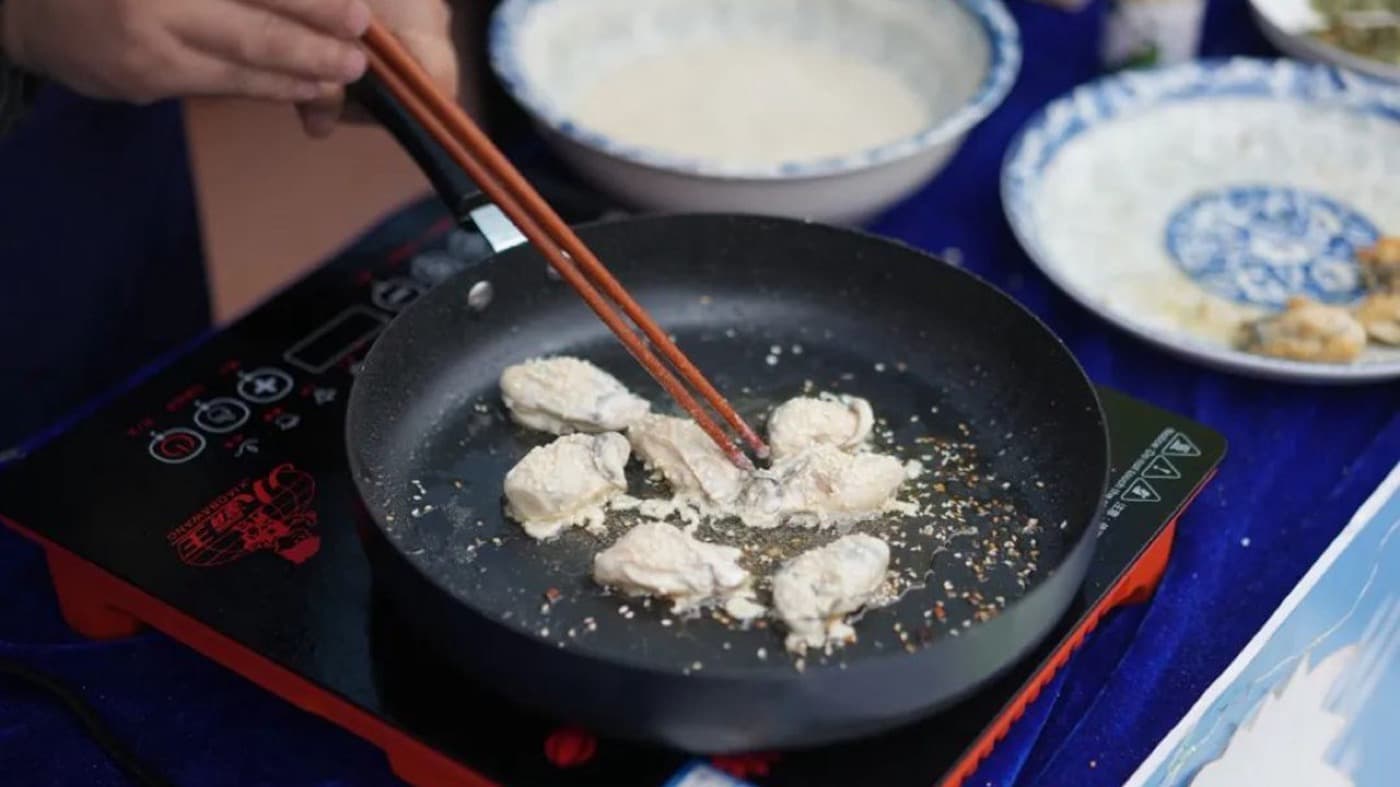
Expect oysters served grilled, steamed, fried, or worked into local dishes. If you are cautious about raw shellfish while traveling, choose cooked preparations.
Fuhai Fisherman's Wharf is the market version
EyeShenzhen's 2026 coverage describes Fuhai Fisherman's Wharf as a major seafood market in western Shenzhen and a Greater Bay Area food landmark, combining wholesale, retail, dining, cultural tourism, and intangible-heritage elements.
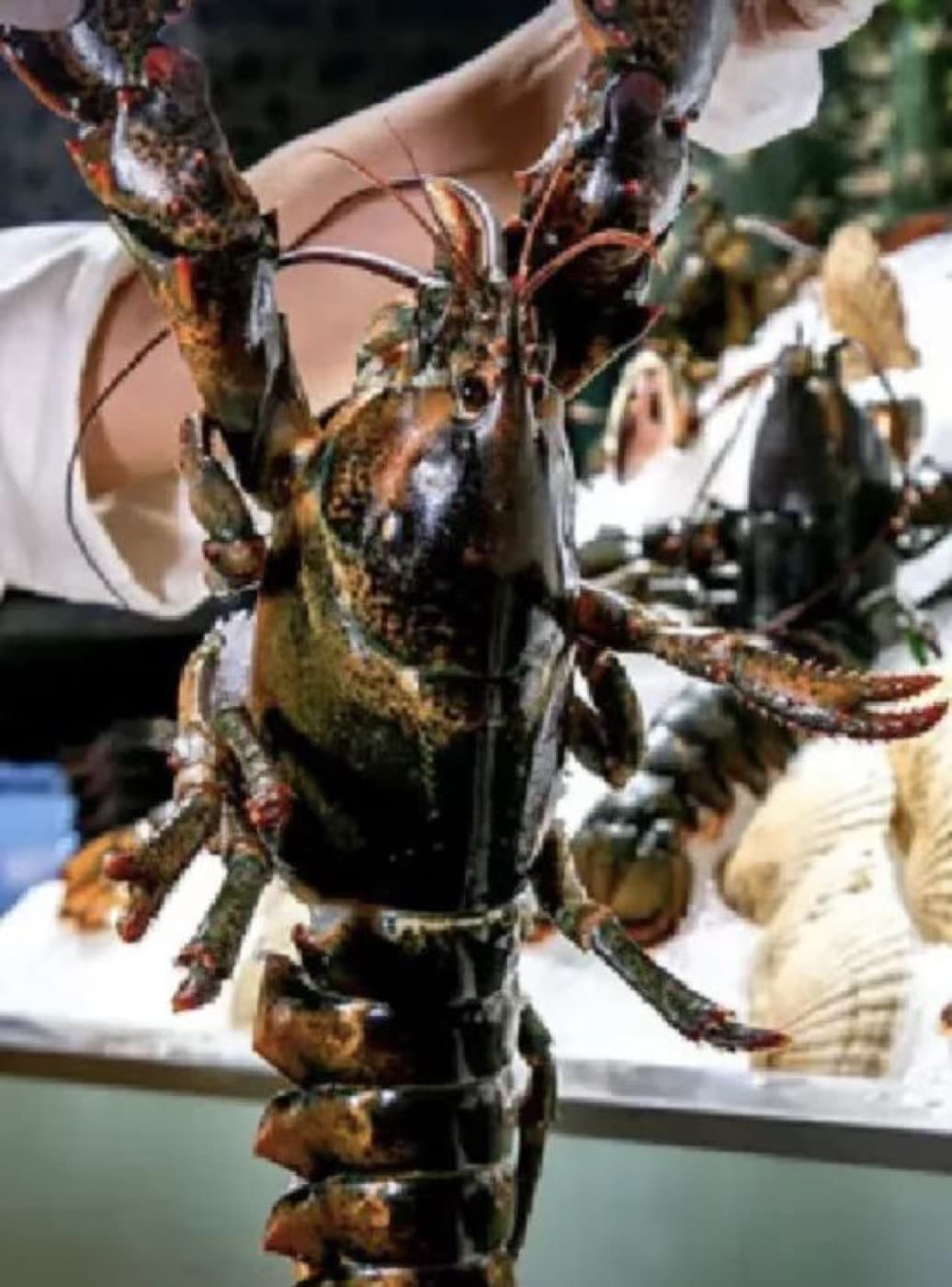
That combination is useful for visitors because it turns seafood from a menu item into a scene: tanks, displays, bargaining energy, families eating, cooks preparing seafood nearby, and the feeling that dinner is still attached to a supply chain.
How to order without getting overwhelmed
Keep the order simple: one shellfish dish, one fish or crab, one vegetable, rice or noodles, and maybe a soup. Ask for the cooking method before agreeing to the final price. Steamed with ginger and scallion, garlic grilling, or light stir-frying are easier than complicated sauces.
Use your translation app for species, cooking method, and price per jin. If a stall or restaurant feels chaotic, step aside and compare before committing. Seafood is fun when you feel in control.
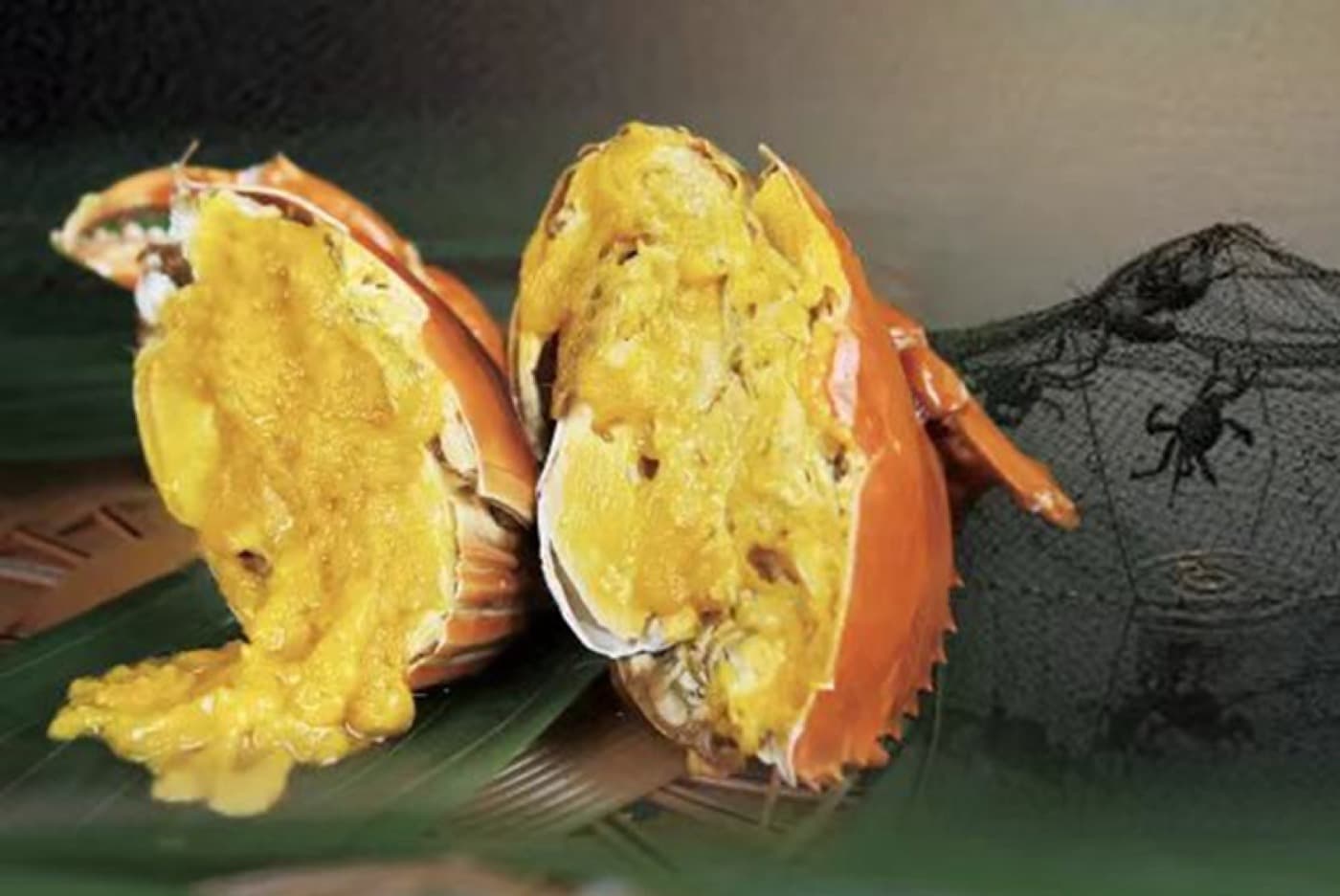
East Shenzhen has the coastal mood
Yantian and Nan'ao are useful names if you want the sea to feel more visible. They work best as part of a coastal day rather than a quick dinner detour from Futian.
Think of the seafood trail in layers: Shajing for oyster identity, Fuhai for market dining, Yantian or Nan'ao for the wider coastal feeling.