
Shenzhen / Food & Daily Life
Your First Shenzhen Dim Sum Morning: Cantonese Tea, Har Gow, Phoenix Claws and Roast Meats
Shenzhen is one of the easiest places in mainland China to fall in love with Cantonese food. You get the tea-house ritual of yum cha, the glossy comfort of shrimp dumplings, the bravery-test texture of phoenix claws, the roast-meat counter, and enough modern malls and picture menus to make a first dim sum breakfast feel exciting instead of intimidating.
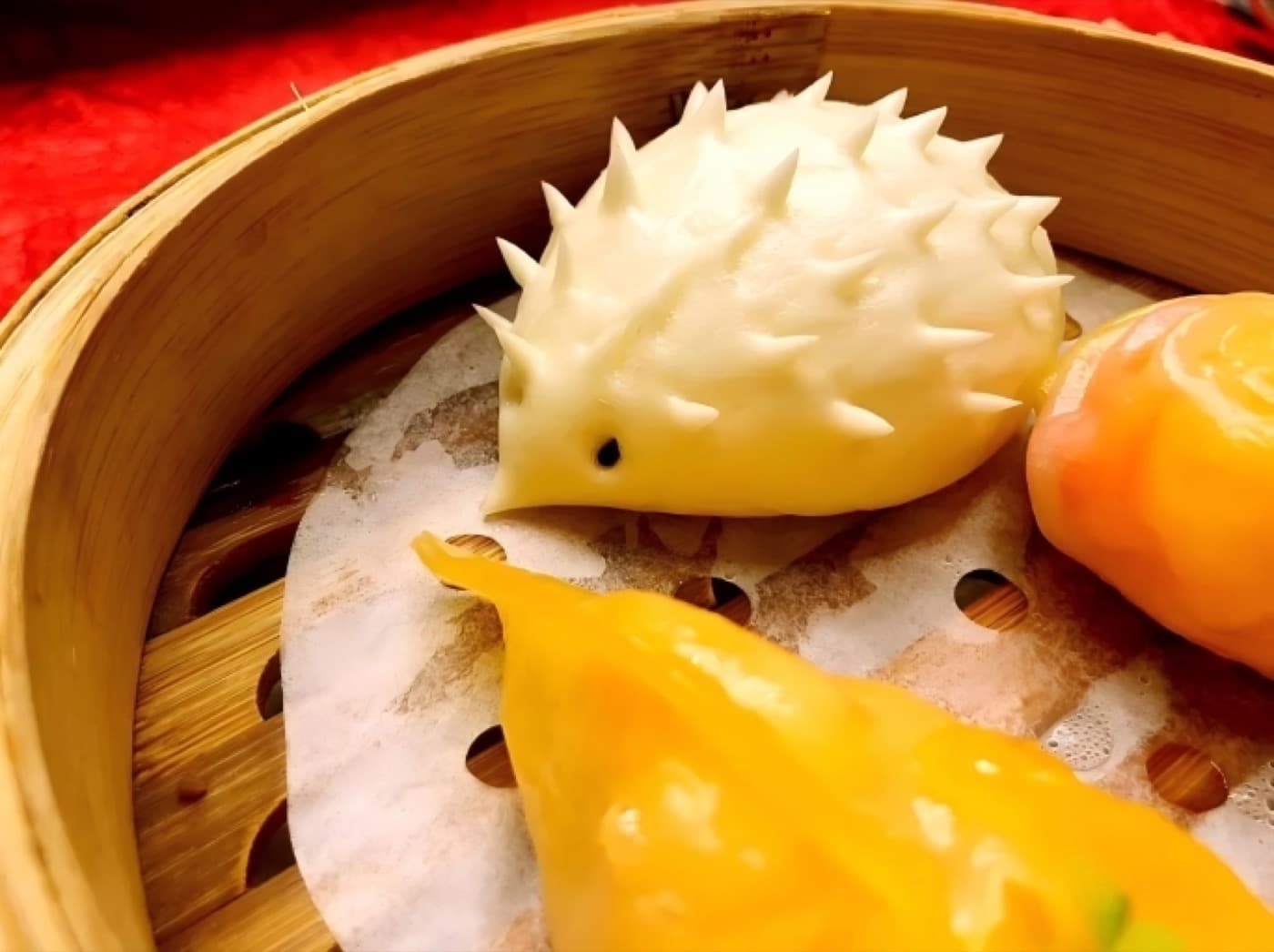
Why Shenzhen is a good first dim sum city
Guangzhou may be the spiritual heavyweight of Cantonese food, but Shenzhen is often easier for foreign travelers. The city is younger, more mall-based, more used to newcomers, and more forgiving if you need a photo menu, a translation app, or an English-friendly ordering system.
EyeShenzhen describes the city as an ideal place for first timers to try dim sum and classic Cantonese cooking, with many restaurants that are well-run, affordable, and easy to navigate. That is exactly what a jet-lagged traveler needs: delicious food without a decoding marathon.
Yum cha is breakfast with choreography
The meal is not just food. It is tea, pacing, sharing, pointing, lifting steamer lids, deciding whether to order one more basket, and realizing that breakfast can last long enough to become a social event.
For Western visitors, the trick is to treat dim sum like tapas with tea. Order several small things, share everything, and do not panic if the meal arrives in waves.
What to order first
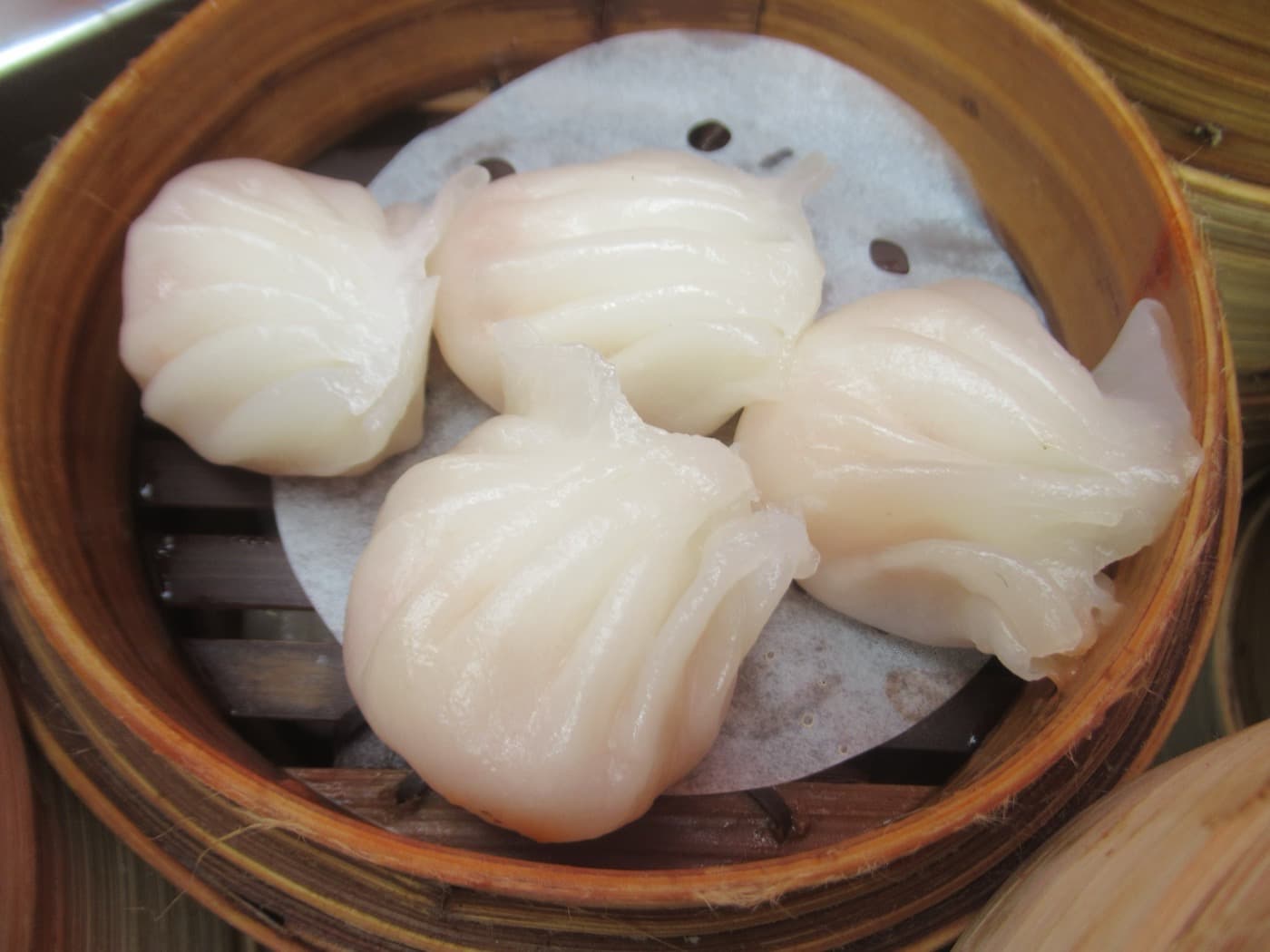
Start gentle: har gow, shumai, steamed barbecue pork buns, rice noodle rolls, turnip cake, spring rolls, egg tarts, and a roast-meat plate if the restaurant has one. These dishes are familiar enough in flavor but still give you the Cantonese texture range.
Then choose one curiosity dish. Phoenix claws, the dim sum name for chicken feet, are famous because they test texture expectations. They are soft, gelatinous, saucy, and more about skin and sauce than meat. You do not have to love them, but they make a good story.
Do not ignore roast meats
A dim sum morning can easily slide into broader Guangfu cuisine. If you see roast goose, char siu, soy-sauce chicken, or crispy pork, consider adding a small plate. The roast-meat counter is one of the most visual and delicious parts of Cantonese dining.
This is especially useful for travelers who want a meal that feels less unfamiliar. Rice, roast meat, greens, and tea can be the bridge between dim sum exploration and a normal lunch.
How to make ordering easy
Bring a charged phone, open translation, and look for picture menus. If the restaurant has a paper dim sum sheet, mark quantities beside each item and give it to staff. If it is QR-code ordering, photos will do most of the work.
Weekends are lively but busier. If you want atmosphere, go Saturday or Sunday before the peak. If you want a calmer first attempt, choose a weekday late morning in a mall or hotel-adjacent restaurant.