Hangzhou / Local Culture
Don't Just Buy Longjing Tea in a Gift Box: A Smarter Route Through Hangzhou's Tea Hills
Longjing is one of the rare Hangzhou experiences where the souvenir, the landscape, and the local identity are all the same thing. You can drink Dragon Well tea in a city shop, but the better trip is west of the lake: tea terraces, village lanes, farmhouse tastings, the smell of roasting leaves, and the awkward but fascinating question of how not to overpay for tea you barely know how to judge.
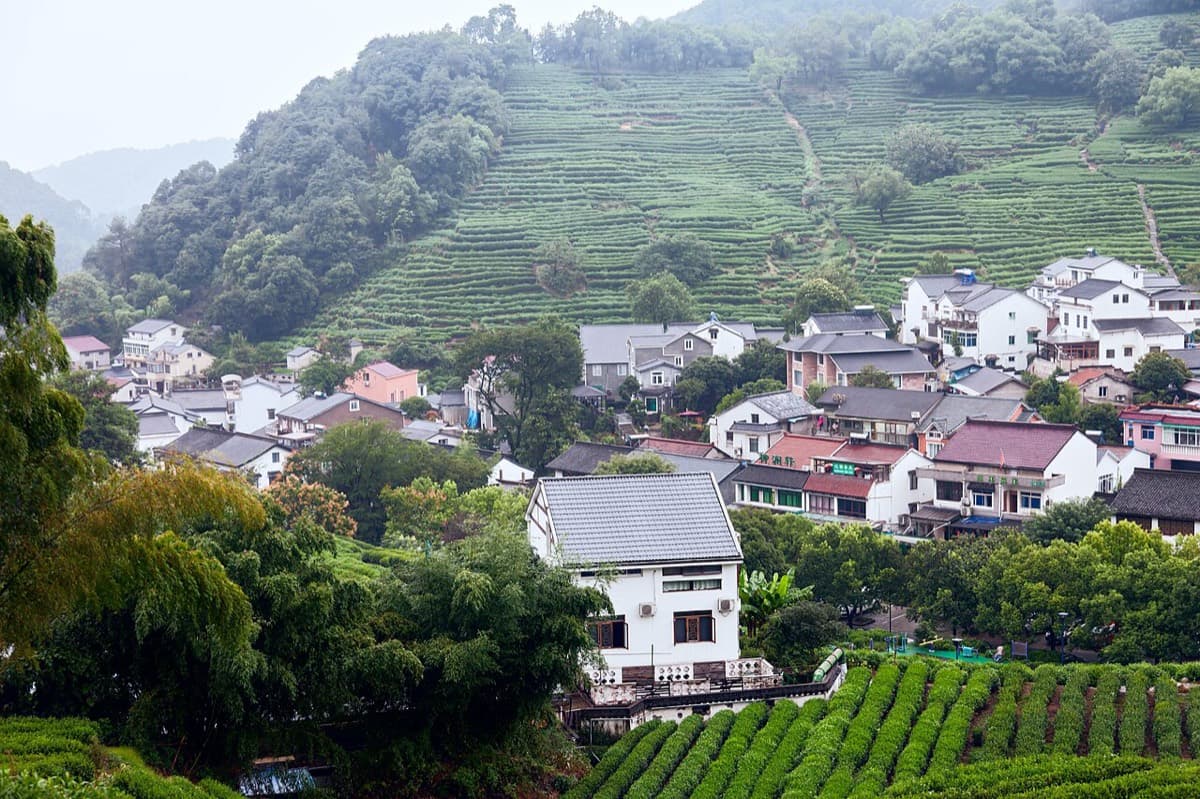
Longjing is a place before it is a product
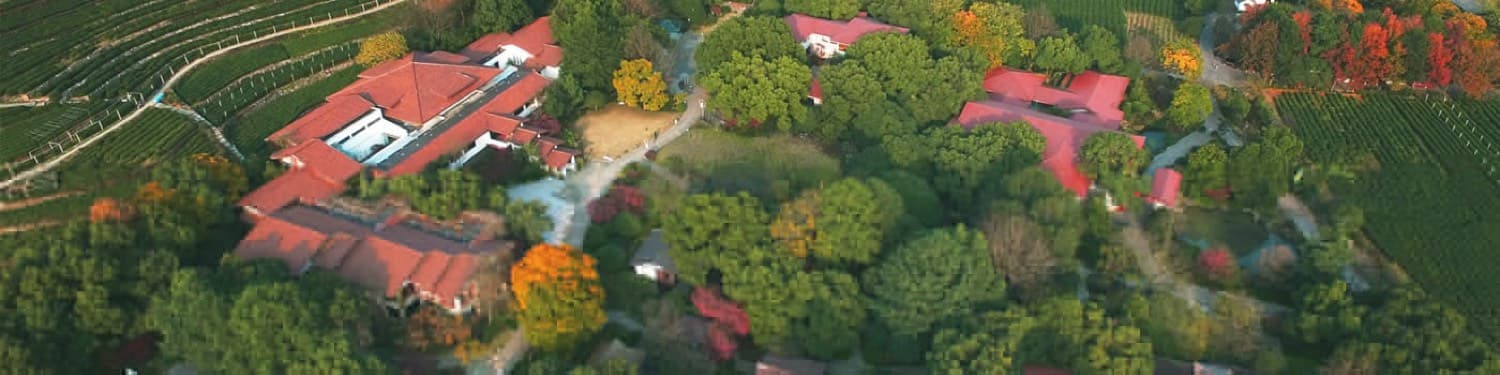
West Lake Longjing, or Dragon Well tea, is usually introduced to foreign visitors as a famous green tea. That is true, but in Hangzhou it is also a landscape: hills, terraces, village houses, small roads, tea shops, and families who know exactly when the leaves are ready.
If you only buy a box in a mall, you get the product. If you visit the tea hills, you understand why the product became famous.
Longjing Village, Meijiawu, Wengjiashan and Shifeng
For visitors, the main names to understand are Longjing Village, Meijiawu, Wengjiashan, and Shifeng. They are not interchangeable marketing words. They refer to the tea-growing landscape west of West Lake, with different levels of fame, access, tea-house density, and pricing confidence.
Meijiawu is a strong first tea-village choice because it is visually clear, visitor-friendly, and easy to pair with a tea-house stop. Wengjiashan and Shifeng are more interesting if you are already serious about Longjing origin and quality.
Tea picking and roasting: what travelers actually remember
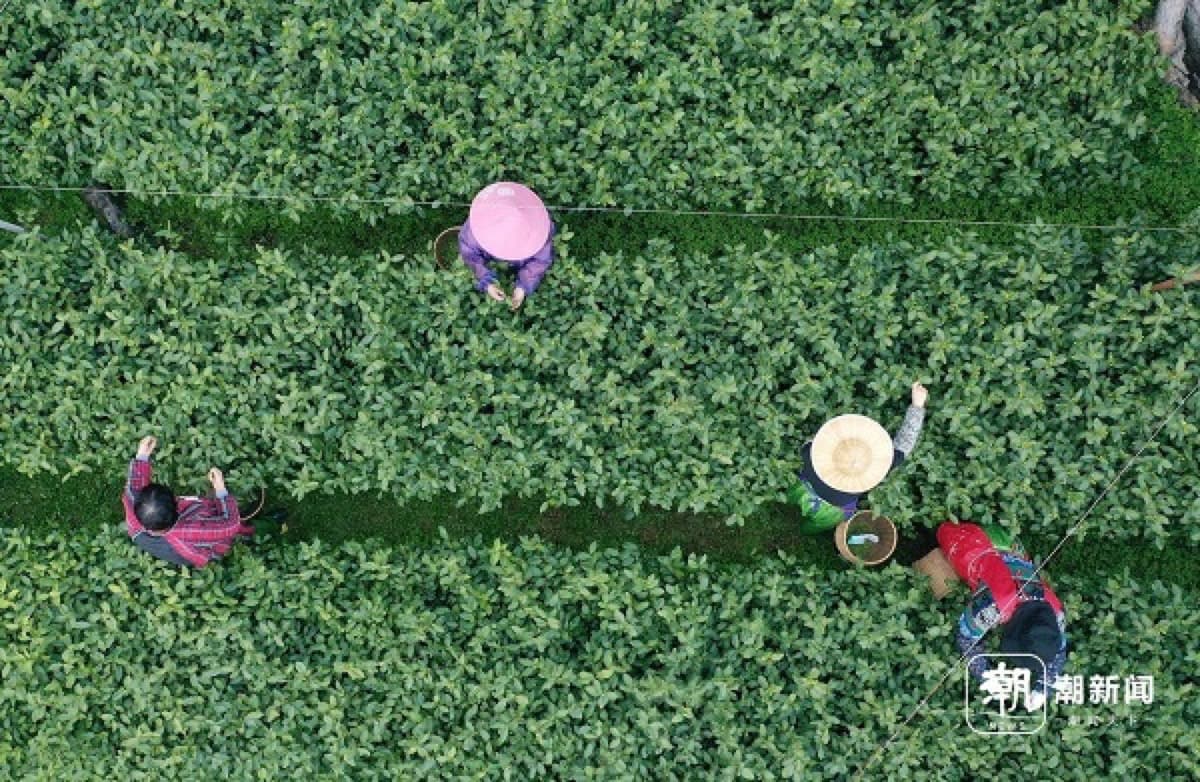
A recent Reddit tea traveler described booking a Hangzhou trip specifically for Longjing, starting in Meijiawu in the morning, picking leaves with instructions, then learning about withering and roasting at a farmhouse. That is exactly the kind of experience that makes the tea route more than shopping.
If you book a picking or roasting activity, check what is included, how long it lasts, whether English or translation support exists, and whether there is an expectation to buy tea afterward. A good experience teaches you something; a bad one is just a sales funnel with scenery.
Use the China National Tea Museum as your calibration stop
The China National Tea Museum says its Shuangfeng site opened in 1991 and its Longjing site opened in 2015, with the twin museums covering tea exhibitions, research, public education, intangible heritage preservation, and experience activities. For visitors, that makes it the cleanest way to learn before buying.
If you are nervous about being sold expensive tea in a village, go to the museum first. You will understand the vocabulary, the cultural context, and the difference between a calm tea experience and a pressured transaction.
How to avoid overpriced tourist tea
Longjing is famous, seasonal, and hard for beginners to evaluate, which makes it easy to overspend. The safest rule is to buy smaller amounts, taste before buying, ask for clear packaging, compare prices, and avoid any shop or host who turns hospitality into urgency.
Be especially calm around Mingqian tea, tea picked before Qingming. It can be culturally prized and expensive, but not every traveler needs the most prestigious batch. A modest, good tea you enjoy drinking is better than a costly story you cannot verify.
A simple half-day route
Start with the China National Tea Museum or a tea village, depending on your confidence. Then spend real time in Longjing or Meijiawu, sit for tea, walk a little, and leave before late-afternoon traffic or weekend ride-hailing frustration builds.
Pairing Longjing with Lingyin is possible because both sit west of the lake, but do not make the route too greedy. Lingyin plus Feilai Feng plus tea tasting is already a full, rich day.