
Hangzhou / Local Culture
Silk, Fans and Umbrellas: Hangzhou's Handmade Side Beyond West Lake
Hangzhou is famous for West Lake, but its quieter handmade side is just as useful for understanding the city. Silk, fans, umbrellas, scissors, tea, porcelain, and small craft museums show a Hangzhou that is not only scenic but tactile. This is the version of the city where a souvenir can become a material story: what it is made from, who kept the craft alive, and why the city still treats beauty as something you hold in your hands.
Why Hangzhou is a craft city
UNESCO describes Hangzhou as a Creative City of Crafts and Folk Art and notes several handicraft traditions, including silk and tea production, porcelain, bronze sculpture, and Xiling seal engraving. It also says Hangzhou has long been a historic design, production, and trade center for Chinese silk.
That matters because it pulls Hangzhou away from the idea of a purely romantic lake city. The city also has workbench culture: material, technique, repetition, trade, and the slow improvement of beautiful useful things.
China National Silk Museum: the smart first stop
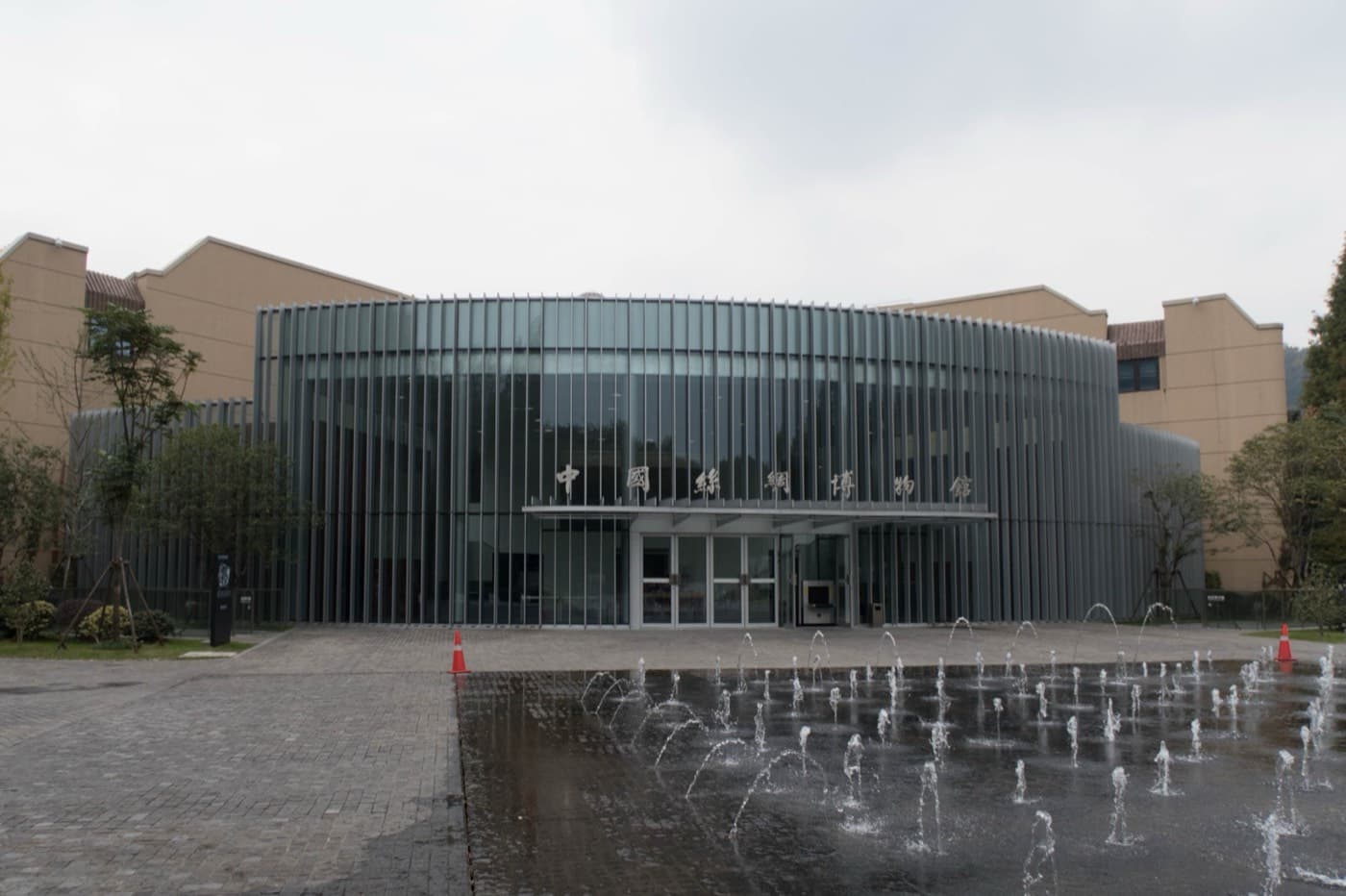
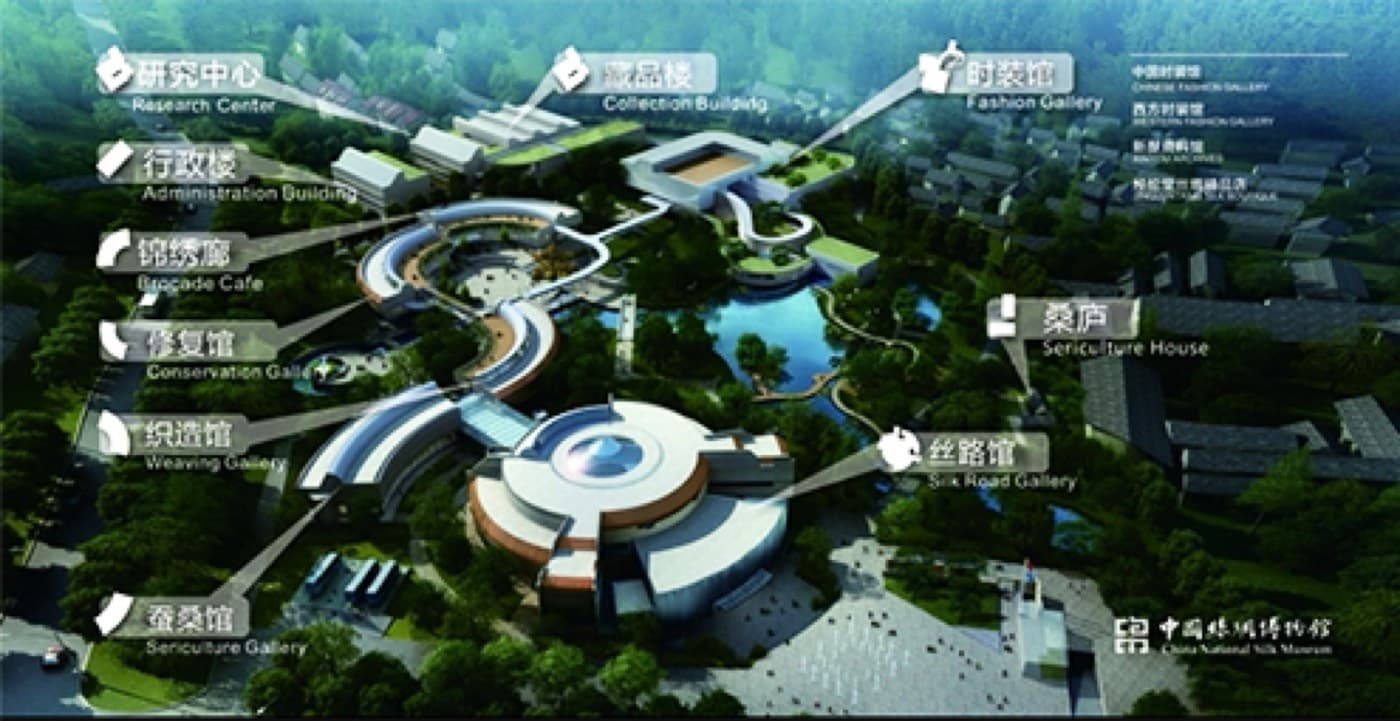
The museum's official introduction says the China National Silk Museum is near West Lake, opened in 1992, and is open to the public without charge. It collects, protects, researches, displays, inherits, and innovates textiles, starting with Chinese silk and expanding to costume studies, traditional craftsmanship, textile conservation, and contemporary fashion.
For travelers, this makes the museum a shopping filter. After seeing how silk is made, conserved, and displayed, you are less likely to confuse every shiny scarf with meaningful Hangzhou craft.
Silk is history, fashion and gift culture
eHangzhou's museum overview connects silk to the Silk Road and notes that the museum displays sericulture and silk craftsmanship, including mulberry cultivation, silkworm breeding, reeling, dyeing, weaving, and related customs. That is the story hidden behind a scarf.
Modern brands such as Wensli keep this craft identity visible in gift culture and official-event imagery. The useful traveler rule is simple: buy silk where the story, fiber, price, and aftercare are clear.
Fans, umbrellas, scissors and the Grand Canal craft cluster
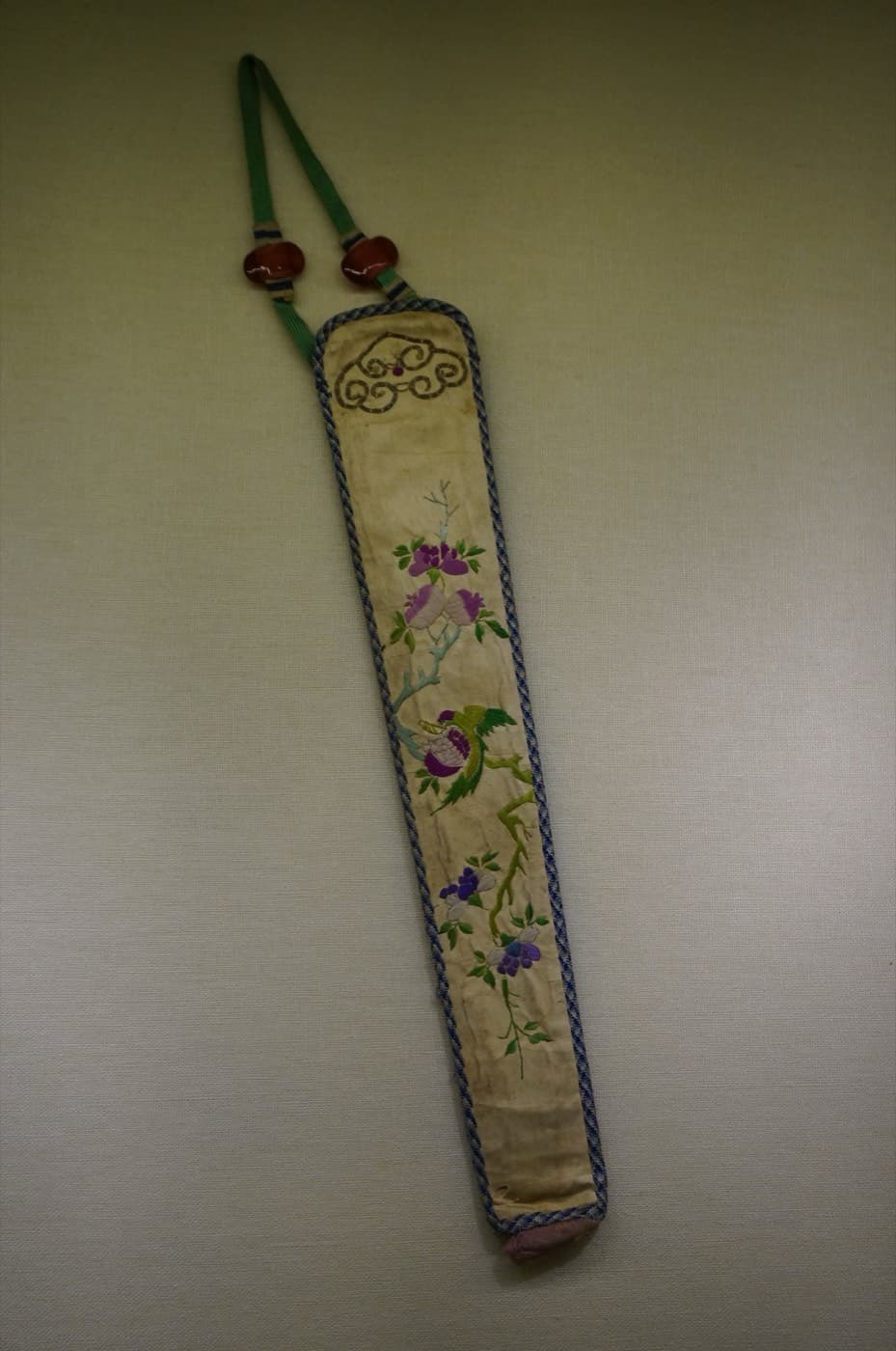
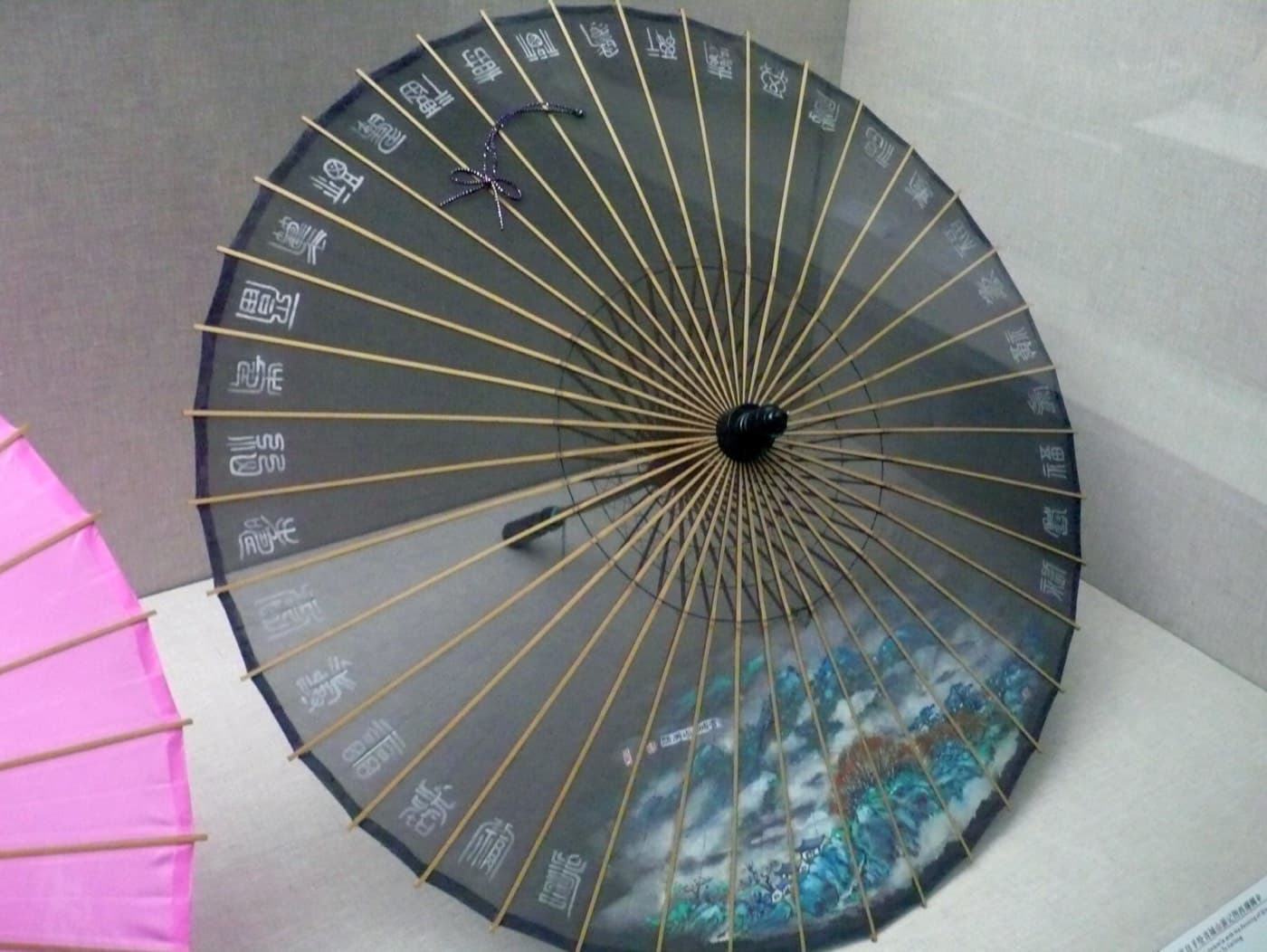
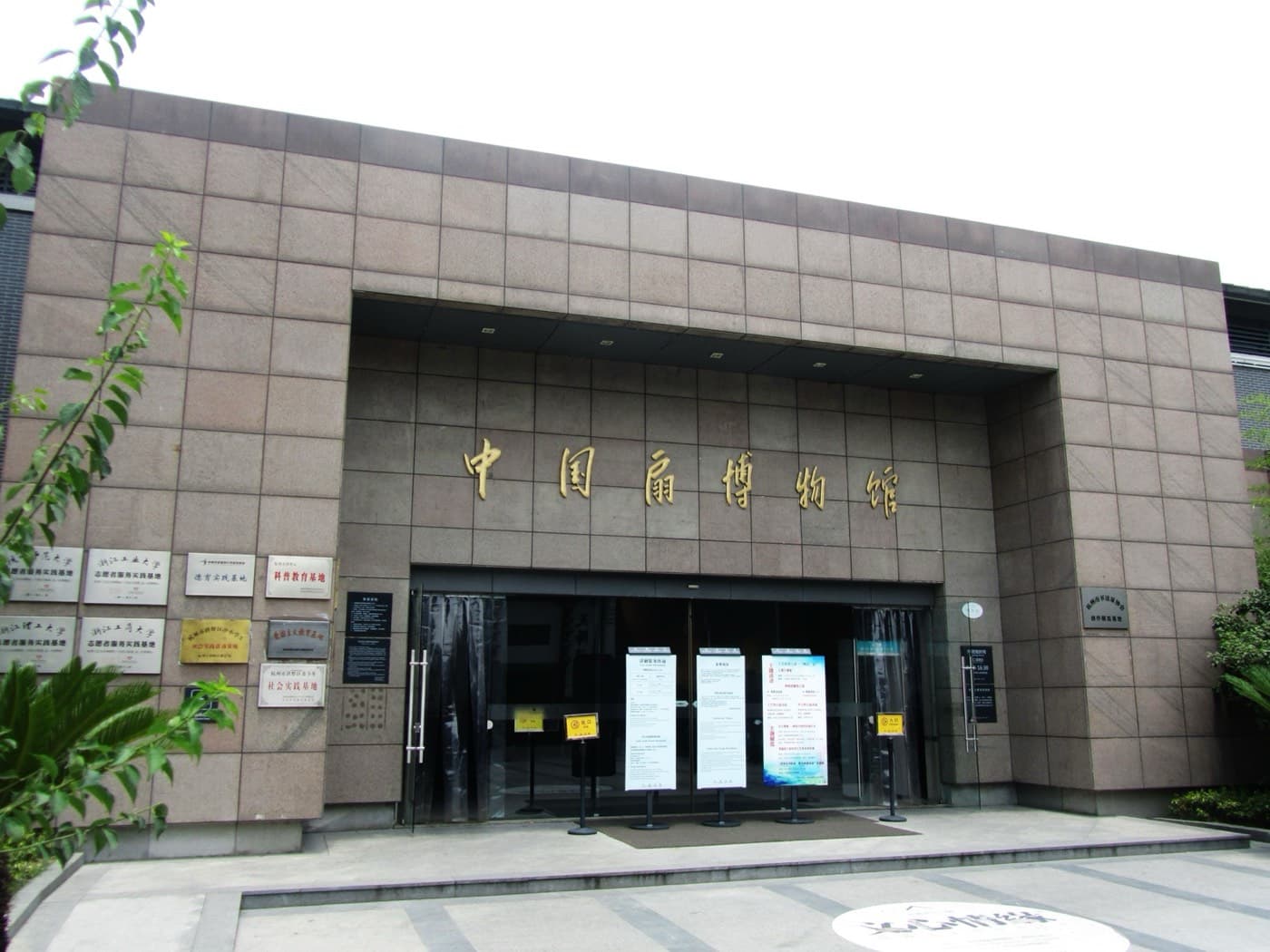
Hangzhou's craft story is broader than silk. The city's White Snake themed-route guide points visitors toward the Grand Canal at Gongchen Bridge, the Handicraft Live Museum, China Umbrella Museum, China Fan Museum, and Hangzhou Arts and Crafts Museum as places to experience classical artistry.
This is a good rainy-day or slow-afternoon option for visitors who like objects. West Lake silk umbrellas, folding fans, scissors, and small craft demonstrations often feel more personal than another crowded photo stop.
How to buy without getting trapped by a souvenir story
Silk is one of those souvenirs where confidence matters. A low price can mean blended material, machine-made tourist stock, or just a perfectly fine inexpensive gift. A high price does not automatically mean heritage quality.
Use established brands, museum shops, and clearly priced stores when you want less friction. If a stop feels like a bus-tour sales room, stay polite, buy nothing, and leave. A real Hangzhou craft memory should not require pressure.
A simple craft-focused afternoon
If you want a clean route, start with the China National Silk Museum near the south side of West Lake, then add a brand or museum-shop purchase only if something genuinely appeals. On a separate day, use the Grand Canal craft cluster for fans, umbrellas, scissors, and folk-art museums.
Do not overload this with West Lake, Lingyin, and tea hills on the same day. Craft visits work best when you leave time to look closely.