
Hangzhou / Food & Daily Life
Is Hangzhou Really a Food Desert? Read This Before You Order Hangbang Cuisine
Hangzhou food has an odd reputation. The city is beautiful, wealthy, historic, and packed with restaurants, yet Chinese internet jokes sometimes call it a food desert. The truth is more interesting: Hangbang cuisine is subtle, soft, sweet-edged, seasonal, and very tied to Jiangnan literati culture. If you arrive expecting Chengdu fire, Xi'an street-food swagger, or Cantonese dim sum abundance, you may be disappointed. If you understand what Hangzhou is trying to do, the meal becomes much easier to enjoy.
The food-desert joke is really about expectations
The Reddit debate around Hangzhou food is useful because people disagree so sharply. Some defend Zhejiang food, seafood, bamboo shoots, noodles, pastries, and everyday restaurants. Others argue that Hangzhou's mid-range dining can feel bland, standardized, expensive, or over-romanticized by tourism and old literary fame.
For Western visitors, that argument is a gift. It tells you not to chase Hangzhou food as if it were a universal top-three food city. Treat it as a quiet regional cuisine with a few famous dishes, some real misses, and several soft pleasures.
What Hangbang cuisine is trying to do
Hangbang cuisine usually rewards delicacy more than drama. Think freshwater fish, pork belly, shrimp, bamboo shoots, greens, soups, noodles, rice wine, light sweetness, vinegar brightness, and sauces that are meant to polish rather than overwhelm.
That is why the cuisine can feel elegant to some travelers and underpowered to others. If your favorite Chinese food is Sichuan chile oil, cumin lamb, hotpot broth, or smoky wok heat, Hangzhou may seem shy. If you like seasonal produce, soft textures, old stories, and lake-city atmosphere, it starts to make sense.
Four classic dishes to understand first
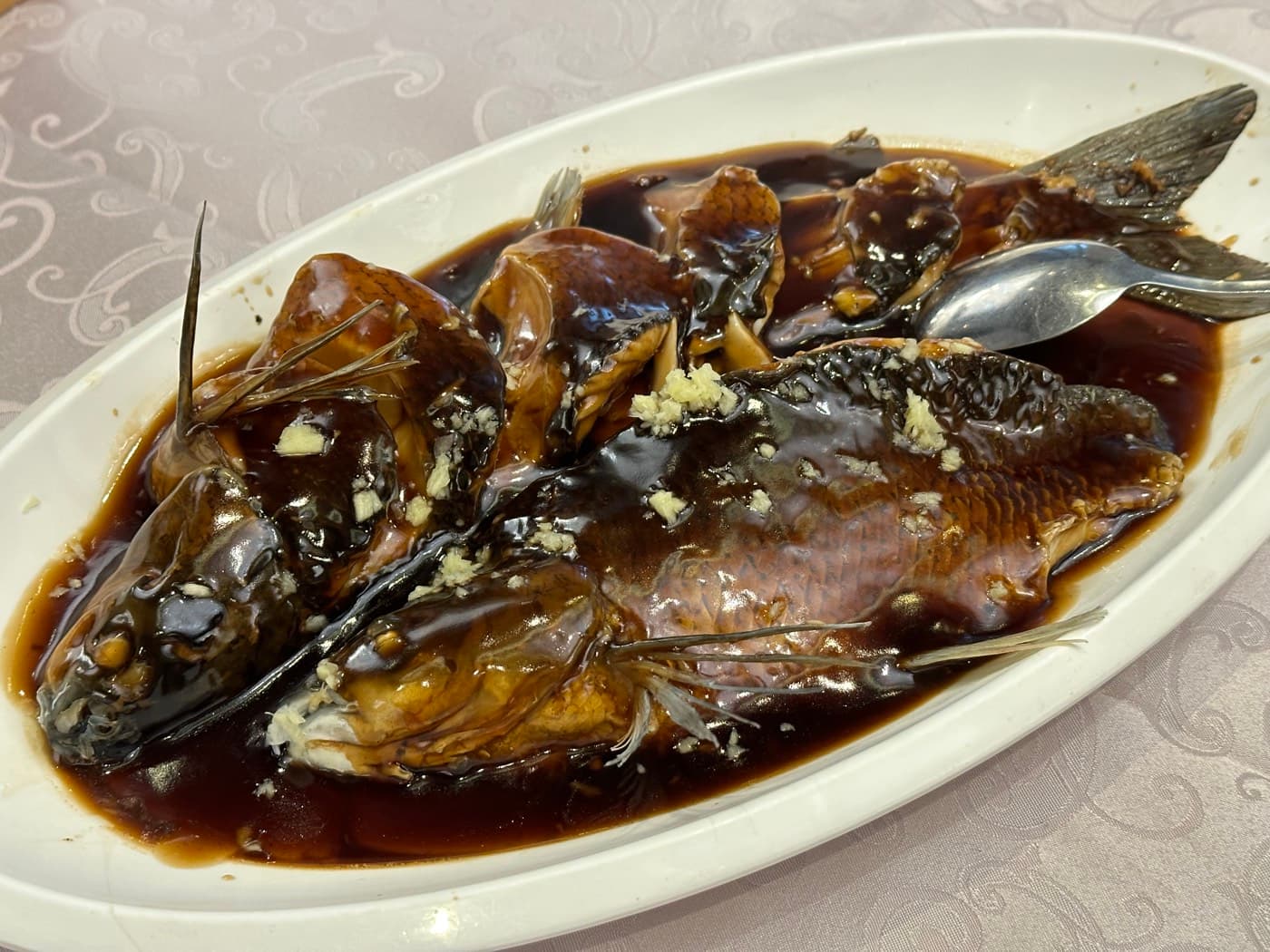
West Lake vinegar fish is the famous troublemaker: often grass carp, cooked gently, then covered with a sweet-sour vinegar gravy. It is historically important, but many visitors find the texture, bones, or earthy fish flavor challenging.
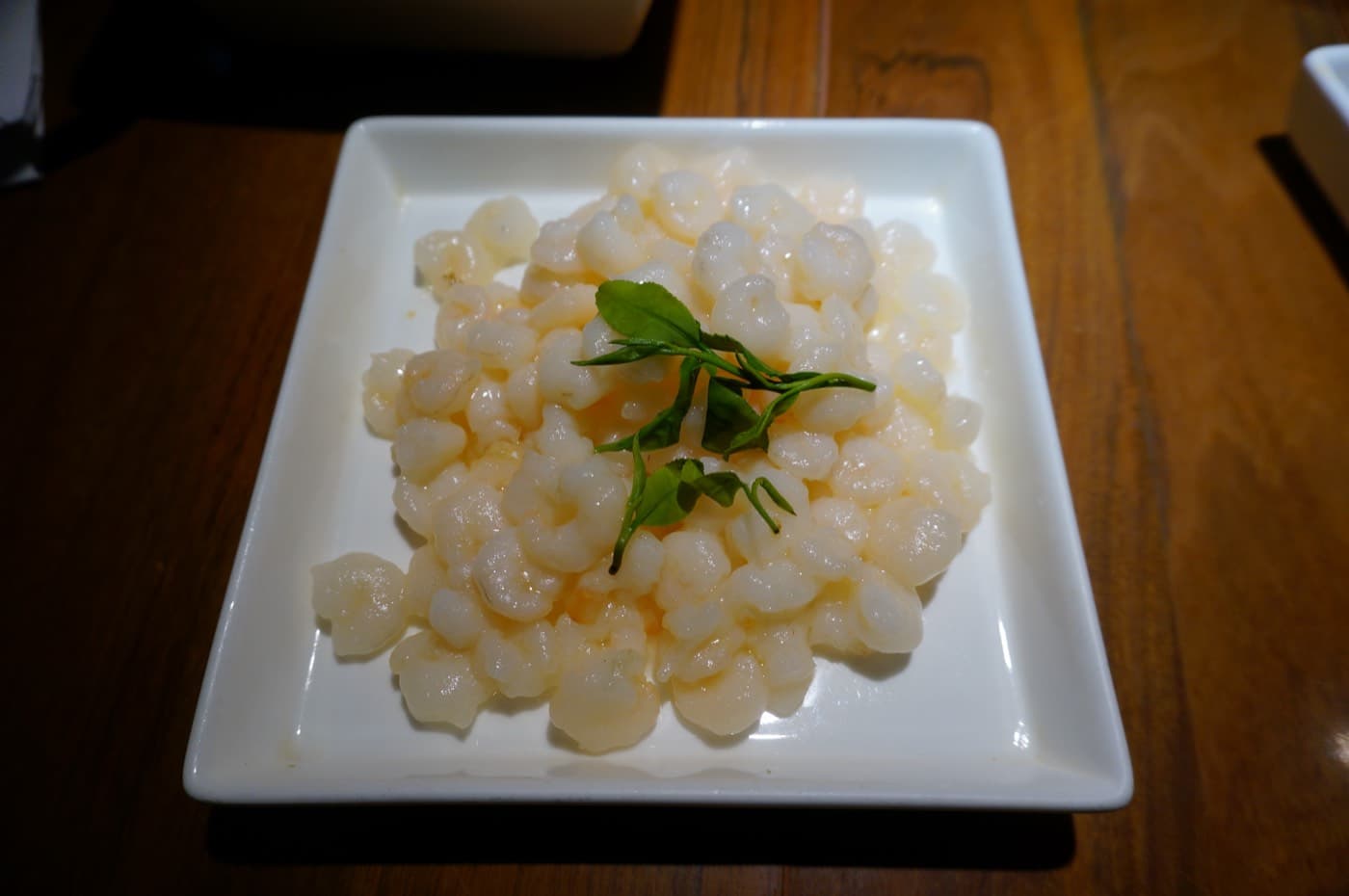
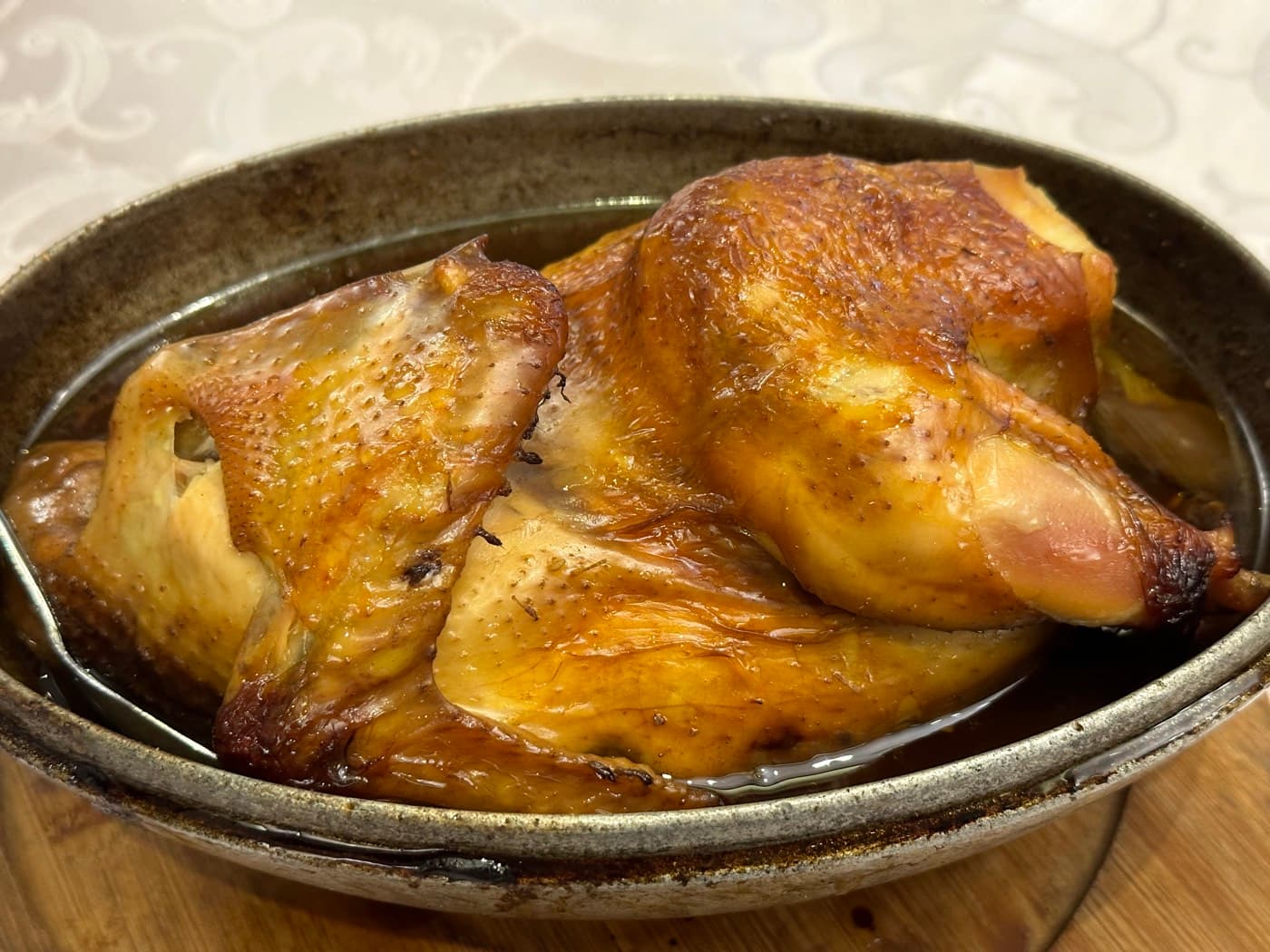
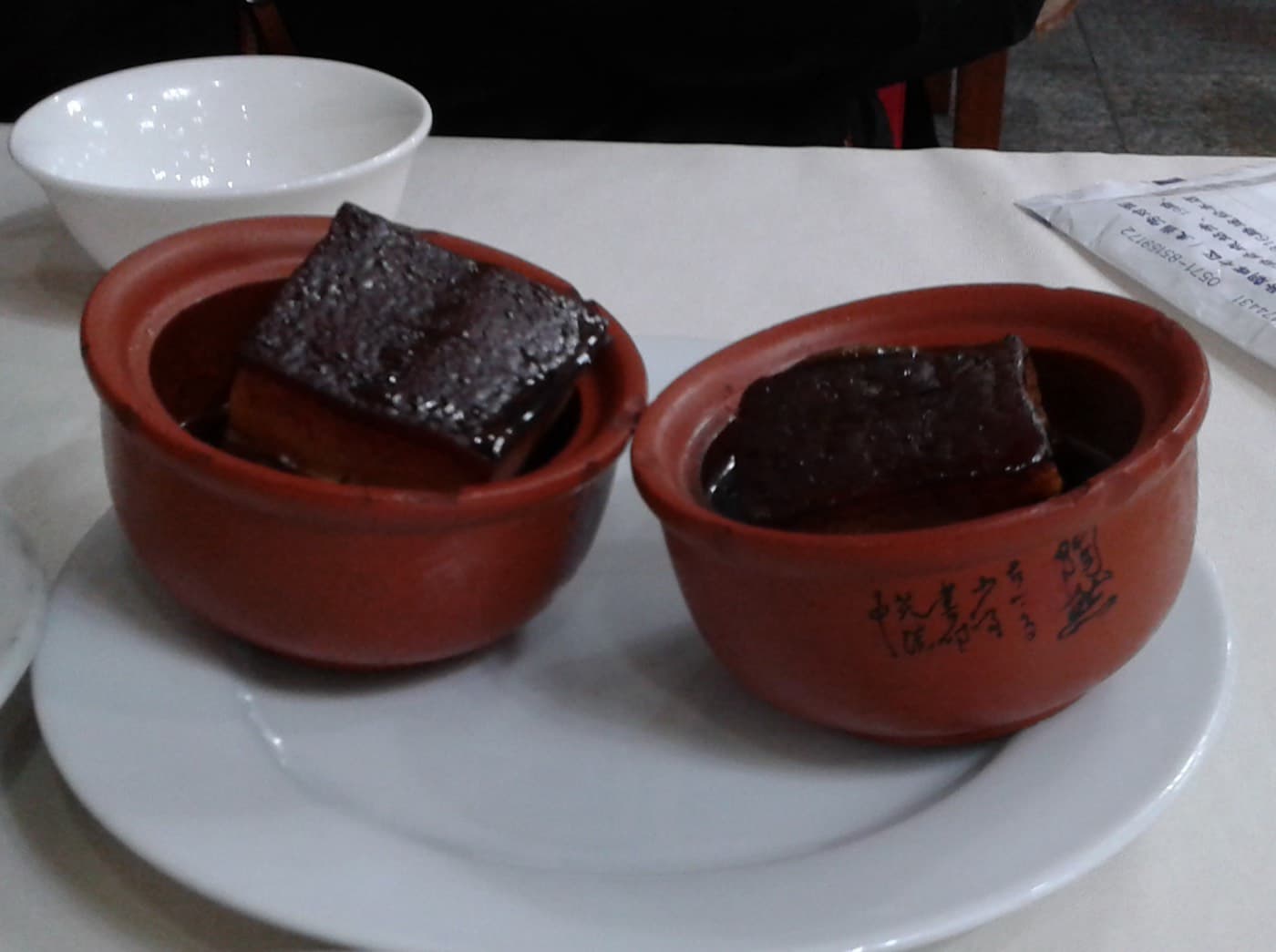
Dongpo pork is the easier ambassador: glossy pork belly, slow heat, wine, soy, sugar, and a Su Dongpo story. Longjing shrimp is delicate and tea-scented. Beggar's chicken is the more theatrical choice, especially if you want a dish that feels like folklore rather than a simple protein.
How to build a safer first Hangzhou meal
Do not order only the most famous names. A better first table is balanced: one signature such as Dongpo pork or Longjing shrimp, one vegetable or bamboo-shoot dish, one soup or noodle, rice, and perhaps one small portion of vinegar fish if everyone is curious.
This reduces risk. If the vinegar fish is not your thing, dinner still works. If Dongpo pork is too rich, the vegetables and soup rescue the table. If the restaurant is famous but touristy, the meal still has enough structure to be enjoyable.
Old names, chains and local backups
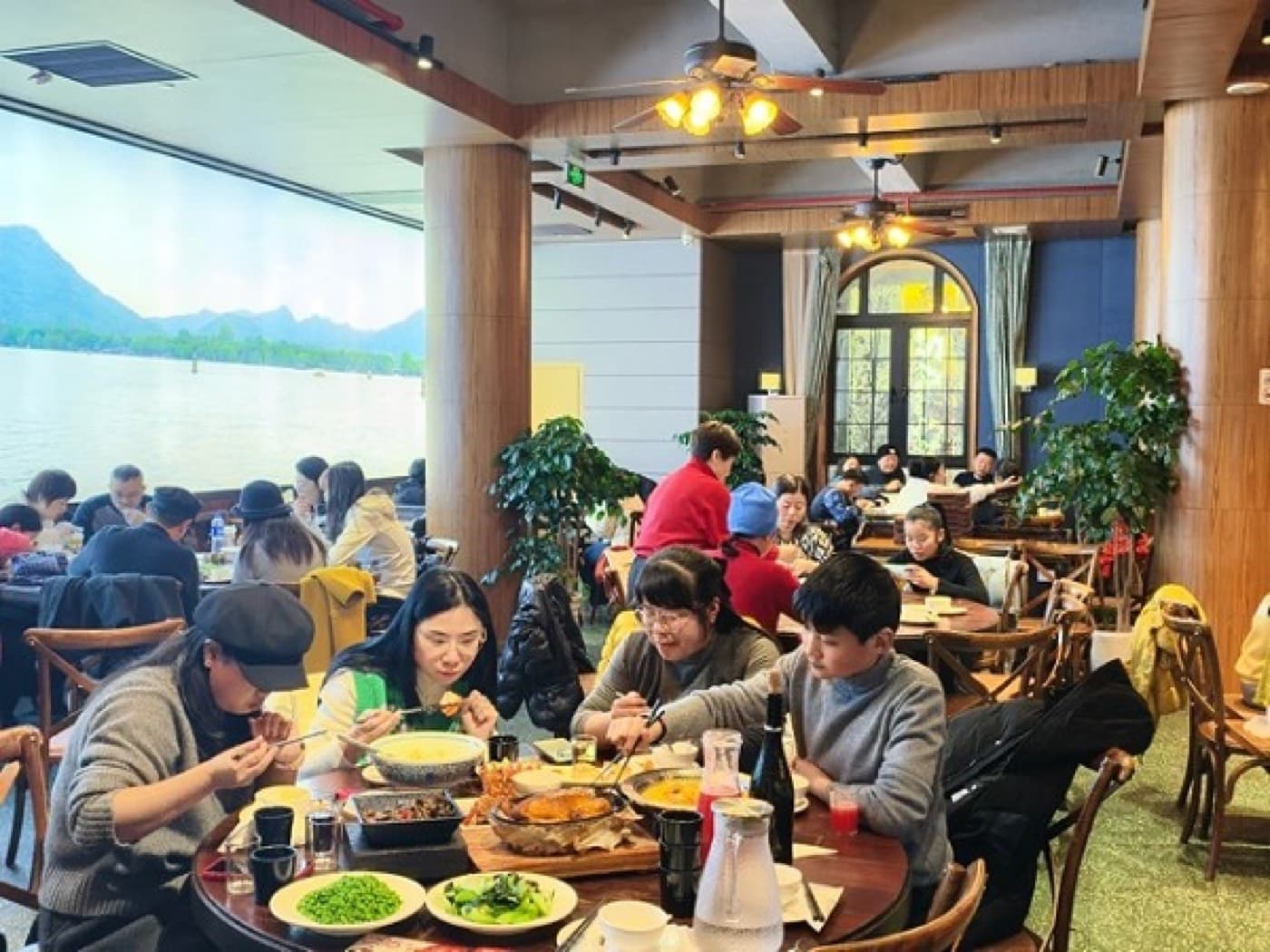
Mafengwo's Hangzhou food page shows how the visitor map usually forms: West Lake vinegar fish, Dongpo pork, Zhi Wei Guan snacks, Longjing shrimp, Song Sao fish soup, Pian'erchuan noodles, Lou Wai Lou, Hangzhou Restaurant, Zhi Wei Guan, Xin Bailu, Grandma's Home, Green Tea, and other easy-to-find names.
Old names give you the heritage mood, but they can also feel touristy. Mall chains are not always romantic, but they are often easier, cheaper, and more reliable for tired travelers. The best plan is not purity. It is one heritage meal, one casual local meal, and enough flexibility to follow current Amap photos and queues.
Who will love it, who may need a backup
You may love Hangzhou food if you like gentle flavors, soft braises, fish, tea culture, old restaurants, and the feeling that dinner belongs to the same world as West Lake. You may struggle if you need chile, crunch, smoke, grilled meat, late-night street food, or very clear value for money.
The fix is simple: do not make every meal Hangbang cuisine. Hangzhou is a big modern city. Use local classics for context, then add noodles, snacks, cafes, regional Chinese restaurants, international food, or a tea-village lunch when your palate wants another direction.