Hangzhou / Local Culture
Dragon Well Is Not Just a Souvenir: How to Read Hangzhou's Tea Culture
Longjing tea is one of the easiest Hangzhou souvenirs to buy and one of the hardest to understand. For locals, it is not only a box of green leaves. It is spring weather, village courtyards, hand work, family tastings, glass cups, tea houses, hill paths, and a whole west-of-West-Lake way of spending time. If you treat Dragon Well tea as a lifestyle rather than a shopping errand, Hangzhou becomes much more intimate.
Why Longjing matters to Hangzhou
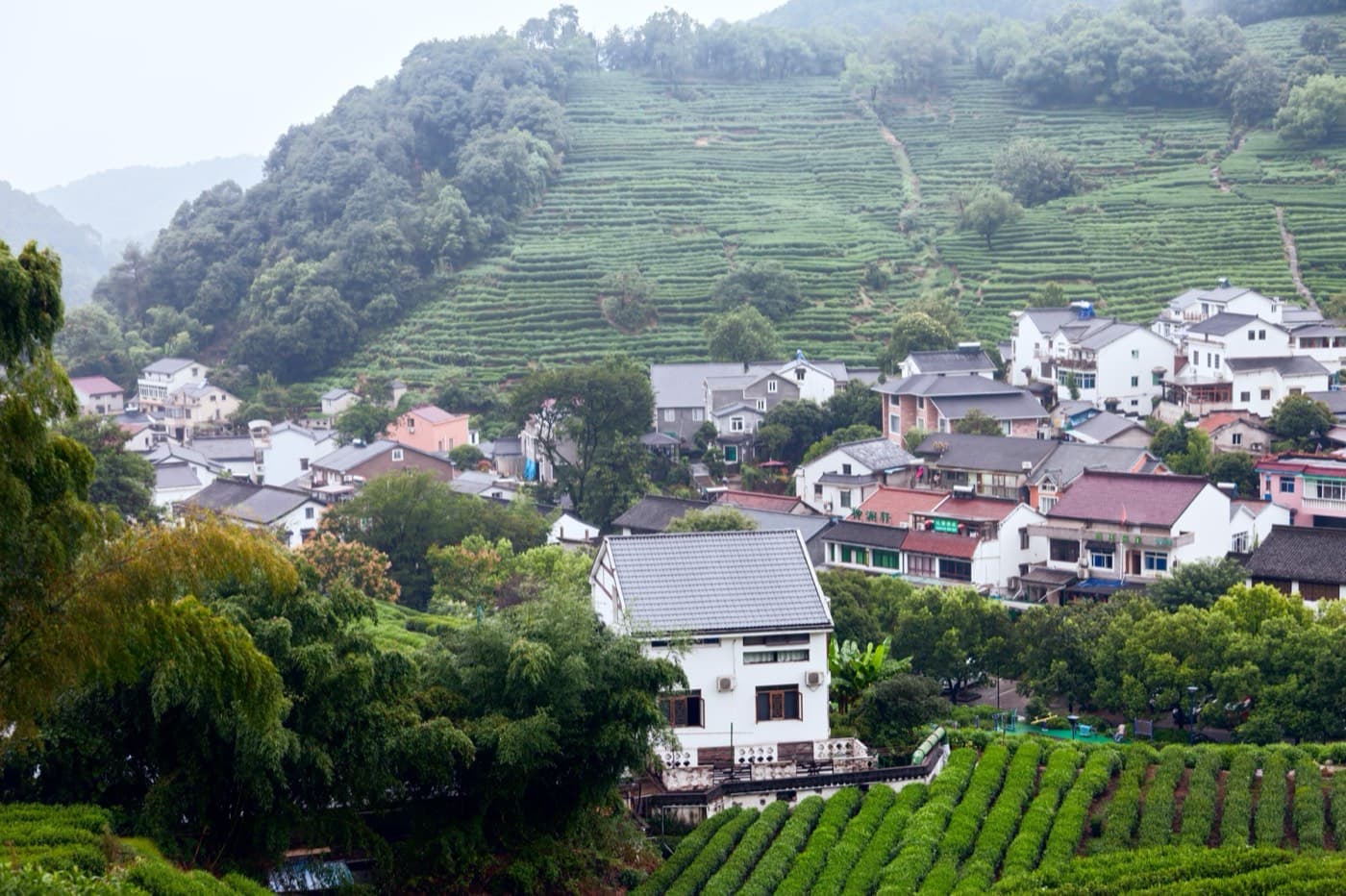
UNESCO's Creative Cities page describes Hangzhou as one of China's famous tea production areas and points specifically to West Lake Longjing green tea. That is a useful clue for visitors: tea is not a side product here. It is part of how Hangzhou explains itself.
Longjing tea, also called Dragon Well tea, comes from the hills and villages around West Lake. eHangzhou describes it as one of China's top ten famous teas, known for flat smooth leaves, delicate fragrance, crisp sweetness, and the prized West Lake Longjing variant. Those tasting words can sound abstract until you walk through the tea hills and see how much work hides behind a small cup.
Mingqian tea: why spring makes everyone serious
Mingqian tea means tea picked before Qingming, the early-April festival period. In simple traveler language, it is prized because the first tender spring shoots are limited, delicate, and labor-intensive. It is also where prices can become confusing very quickly.
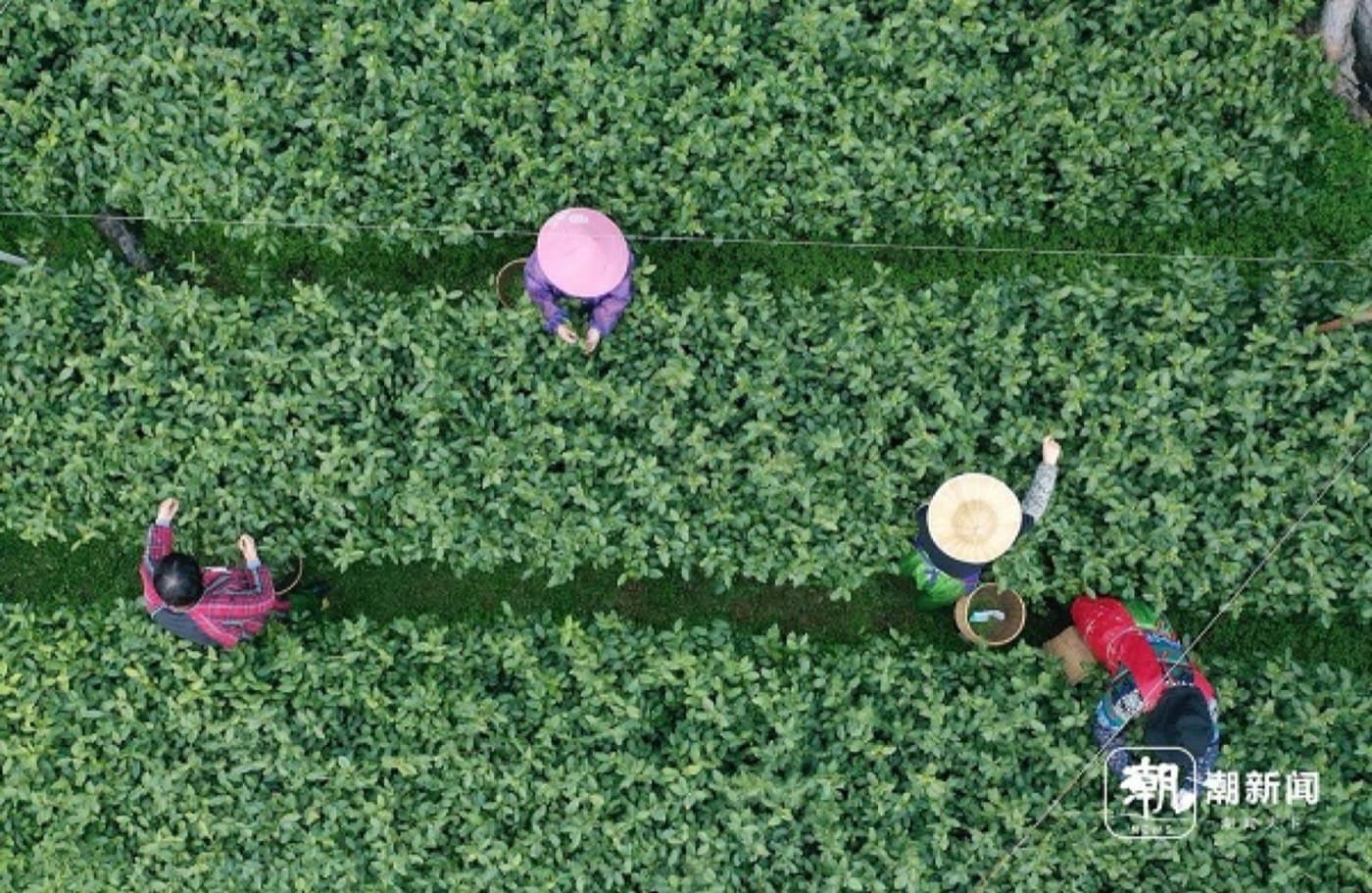
The 2025 eHangzhou harvest report is a good example of how exact the timing can be. It notes tea farmers beginning sporadic spring plucking in Wengjiashan on March 16, with Longjing 43 officially expected from March 20 and mass harvesting in late March. That is why serious tea people talk about weather, cultivar, origin, and date rather than just brand.
Tea farmers' courtyards are social spaces
A tea farmer courtyard can feel wonderfully local: simple tables, glass cups, hot water, leaves opening slowly, and someone explaining the difference between this year's harvest and last year's. It is also a semi-commercial space, so go in with warm manners and clear boundaries.
For Western visitors, the trick is to enjoy the hospitality without losing practical judgment. Ask what the tasting costs, whether buying is expected, and what price range you are looking at before the session becomes emotionally awkward.
How locals actually drink it
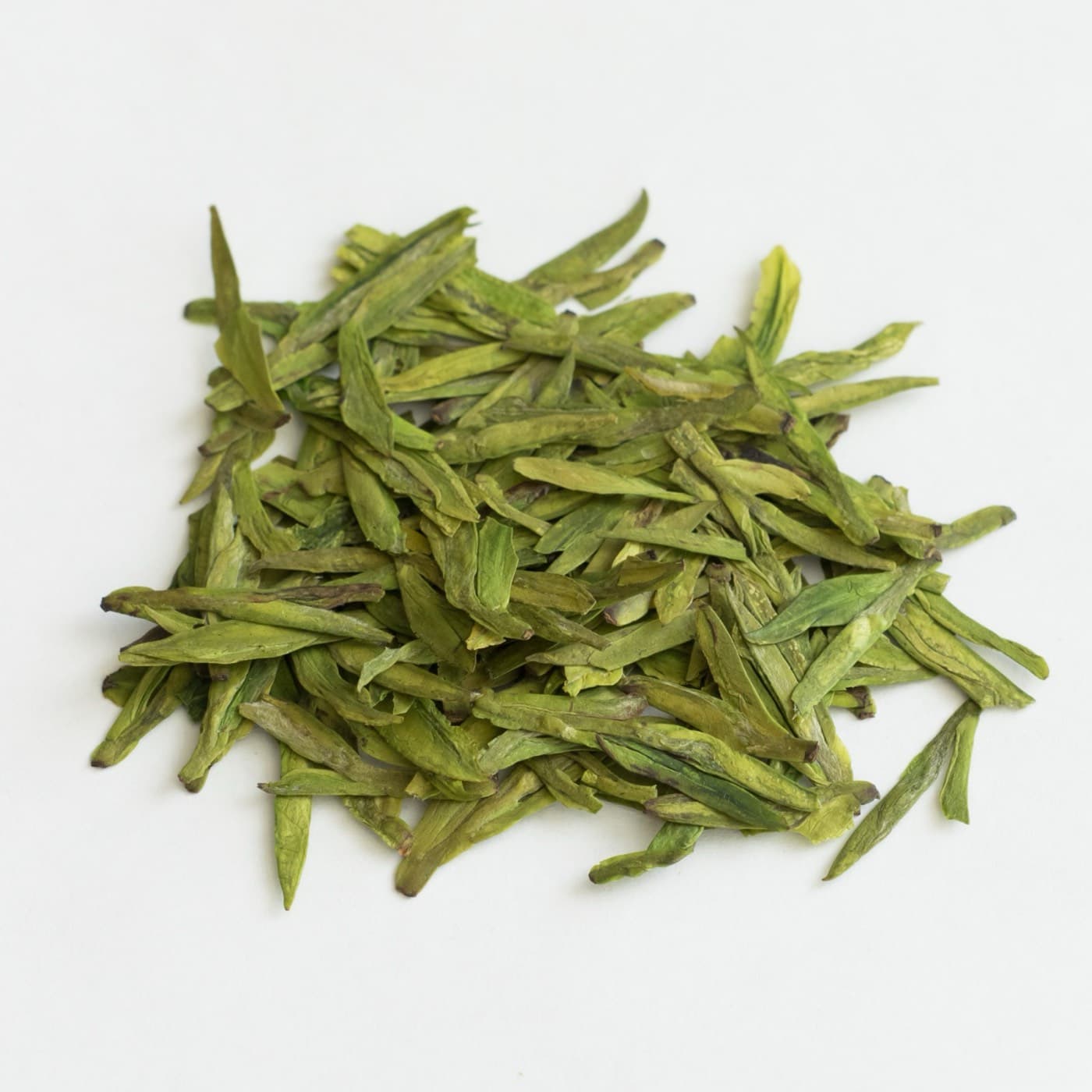
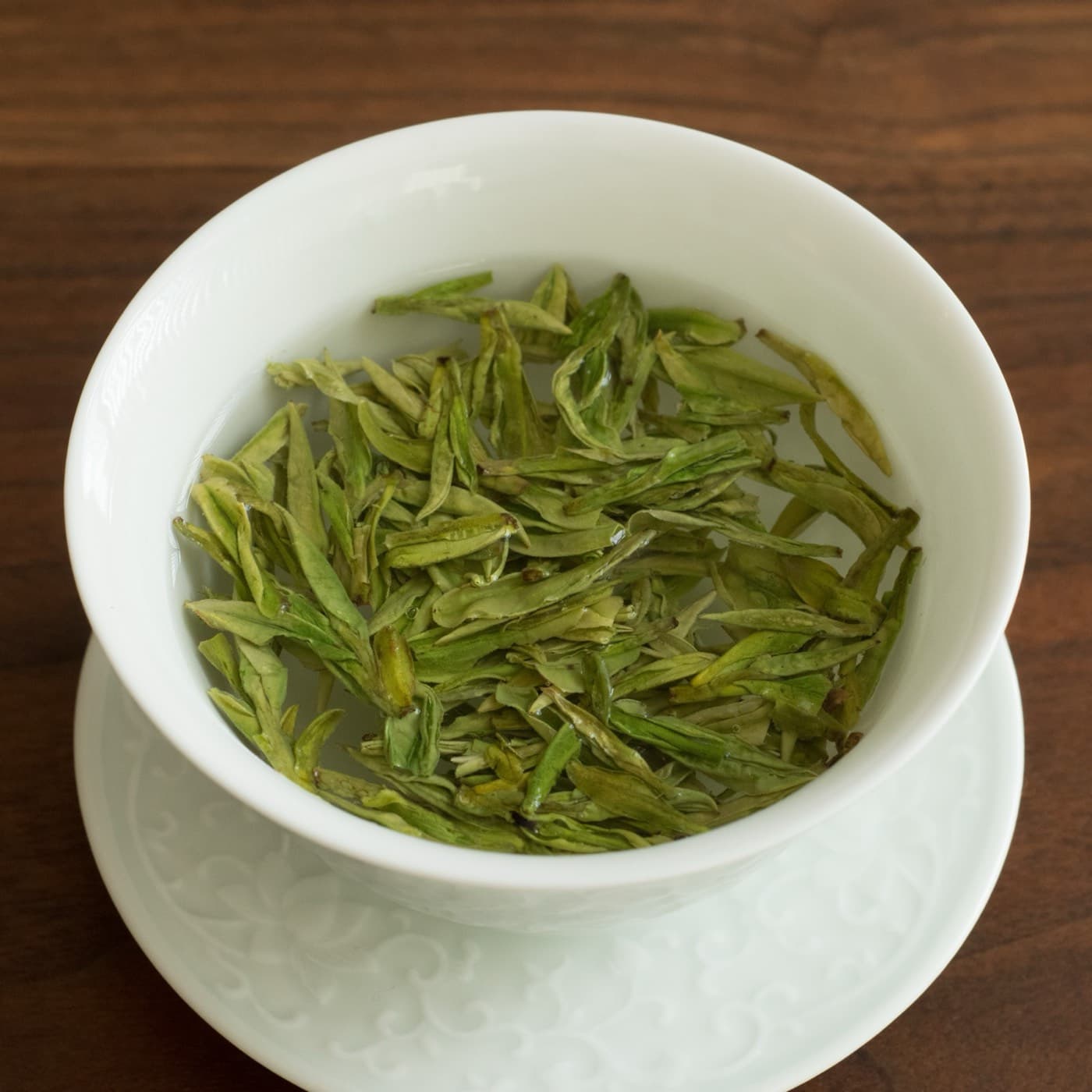
Many visitors expect a formal ceremony, but one of Longjing's charms is how ordinary it can be. A clear glass or simple cup lets you watch the leaves sink and unfurl. The taste is usually light, green, nutty, and gently sweet rather than perfumed or heavy.
Do not chase drama. Longjing rewards attention. Use water that is hot but not violently boiling, drink slowly, refill, and notice how the cup changes. A quiet hour with tea can be as Hangzhou as any temple or pagoda.
Use the Tea Museum as your translator
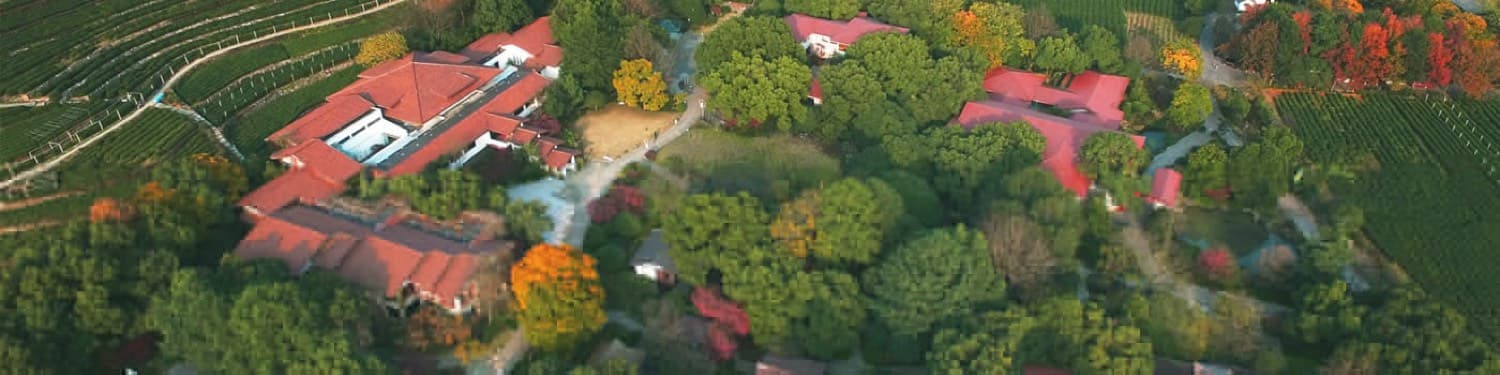
The China National Tea Museum calls Hangzhou a tea capital and says its Shuangfeng site opened in 1991 while its Longjing site opened in 2015. The twin museums cover exhibitions, academic research, education, intangible heritage preservation, international exchange, training, and experience activities.
That makes it useful for travelers who feel under-informed. Go before shopping if you want context, or after visiting a village if you want to understand what you just saw. Either way, it turns tea from a sales conversation into a cultural one.
What to buy, if anything
Buy small, especially if you are new to Chinese green tea. Fresh Longjing is delicate and better enjoyed while it still smells alive. A modest amount you actually drink is a better souvenir than an expensive tin that sits in a hotel room and then a kitchen cabinet.
If you want a safer purchase, use reputable shops, museum shops, hotel-recommended stores, or clearly priced brands. If you want the courtyard experience, treat it as an experience first and a purchase second.