Beijing / Food & Daily Life
Beijing Breakfast Is Not Here to Flatter You: Douzhi, Chao Gan and Snacks Locals Love
Old Beijing breakfast is the opposite of a polished brunch. It can be sour, garlicky, offal-heavy, sesame-sweet, boiling hot, noisy, fast, and very local. That is exactly why it is worth writing into a Beijing food trip. You do not have to love every bite. You just have to understand why locals line up for it before 9 am.
Why old Beijing breakfast is so polarizing
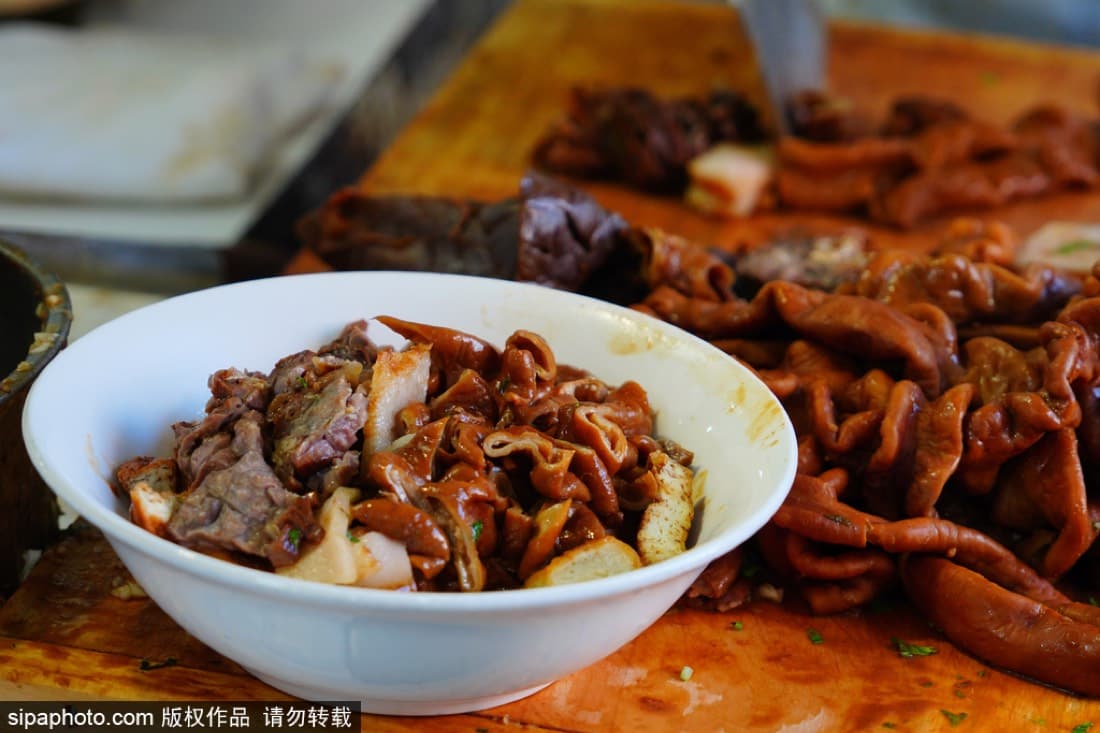
Some city foods try to be universally loved. Old Beijing breakfast does not. Douzhi tastes sour and fermented. Chao gan is thick with garlic and pork liver. Luzhu is built around braised intestines, lung, tofu, and wheat cakes. Baodu is quick-cooked tripe. Even the friendly items can be dense, sesame-heavy, or much less sweet than Western pastries.
That is the fun. This is one of the few Beijing food categories where a visitor can learn a lot from a small table: what the city ate before glossy malls, how early-morning shops work, and why older residents defend flavors that younger travelers may find shocking.
Douzhi and jiaoquan: start small
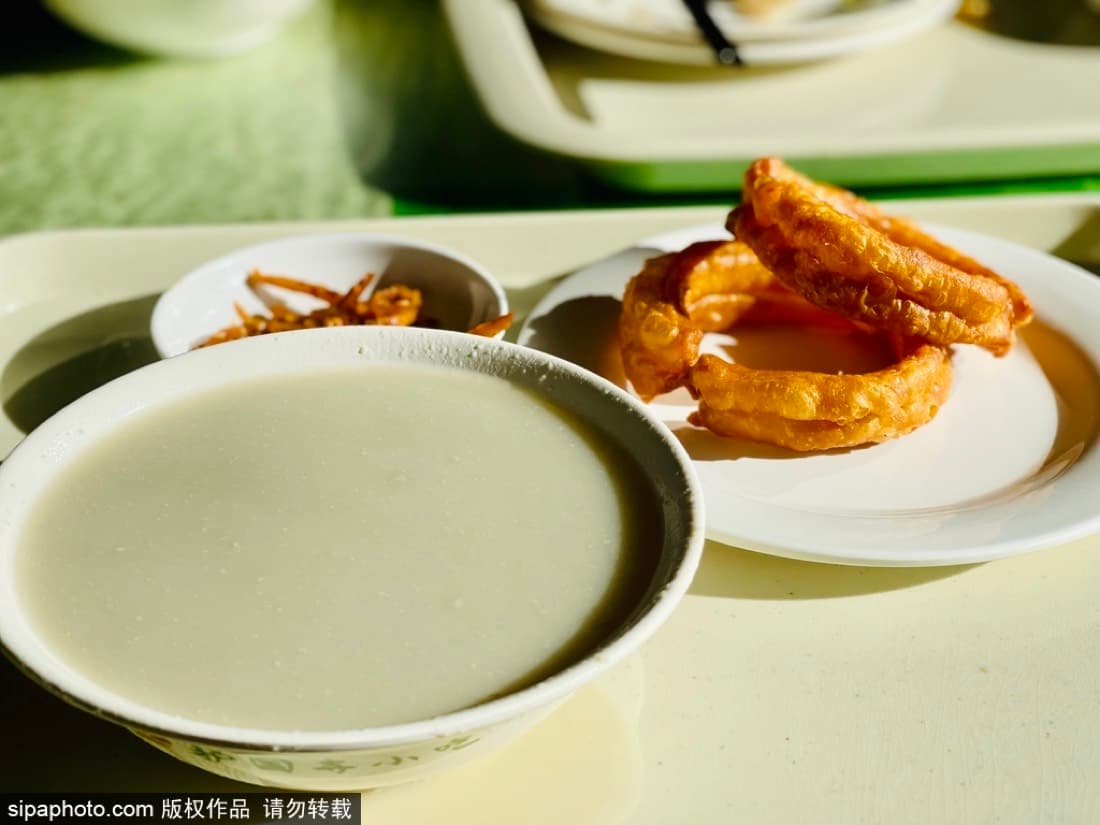
Douzhi is a fermented mung bean drink with a pale green-gray color and a sour aroma. Visit Beijing notes that Lao Ciqikou Douzhi near Temple of Heaven is known for douzhi paired with jiaoquan, the crisp fried ring that gives the drink a salty crunch partner.
Order one bowl for the table first. If you love natural wine, kefir, pickles, or fermented foods, you might respect it quickly. If you are sensitive to sour smells, you may only need two sips. Either result is normal. The point is not to force yourself through a bowl; it is to taste a flavor that has survived because it means home to someone.
Chao gan, luzhu and baodu: the offal chapter
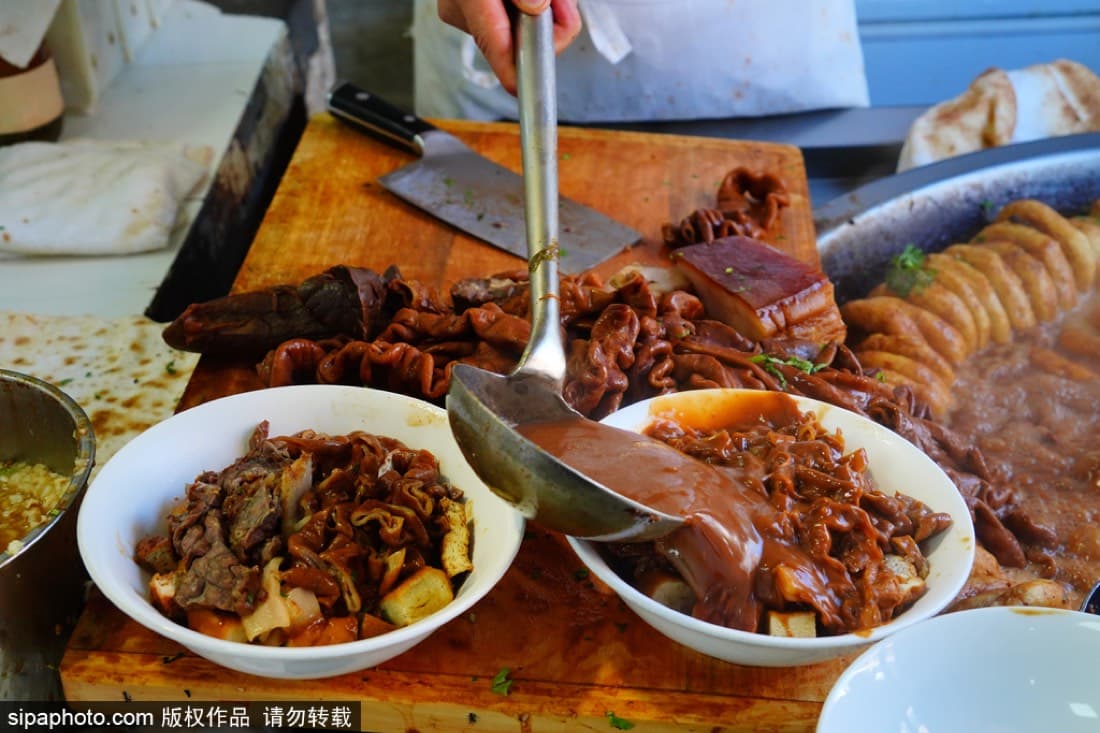
If you like nose-to-tail eating, this is where breakfast becomes interesting. Chao gan is not stir-fried in the Western sense; it is a thick pork-liver-and-intestine gravy, usually heavy on garlic. Luzhu is stronger: braised pork offal, tofu, and wheat cakes in a dark broth. Baodu is quicker and lighter, often about tripe texture and dipping sauce.
These dishes are not ideal for nervous eaters, halal travelers, vegetarians, or anyone avoiding pork. They are excellent for curious eaters who want Beijing to feel specific rather than generic. Go early, order modestly, and pair one heavy bowl with a walk through Dongsi, Qianmen, Huguosi, or around Temple of Heaven.
Huguosi Snacks is the safer sampler
Huguosi Snacks is useful because it gathers many old Beijing snack types in one place. Visit Beijing describes the Huguosi headquarters as a long-running snack shop where almost every traditional Beijing snack you can think of is available. For a traveler, that makes it a controlled tasting route.
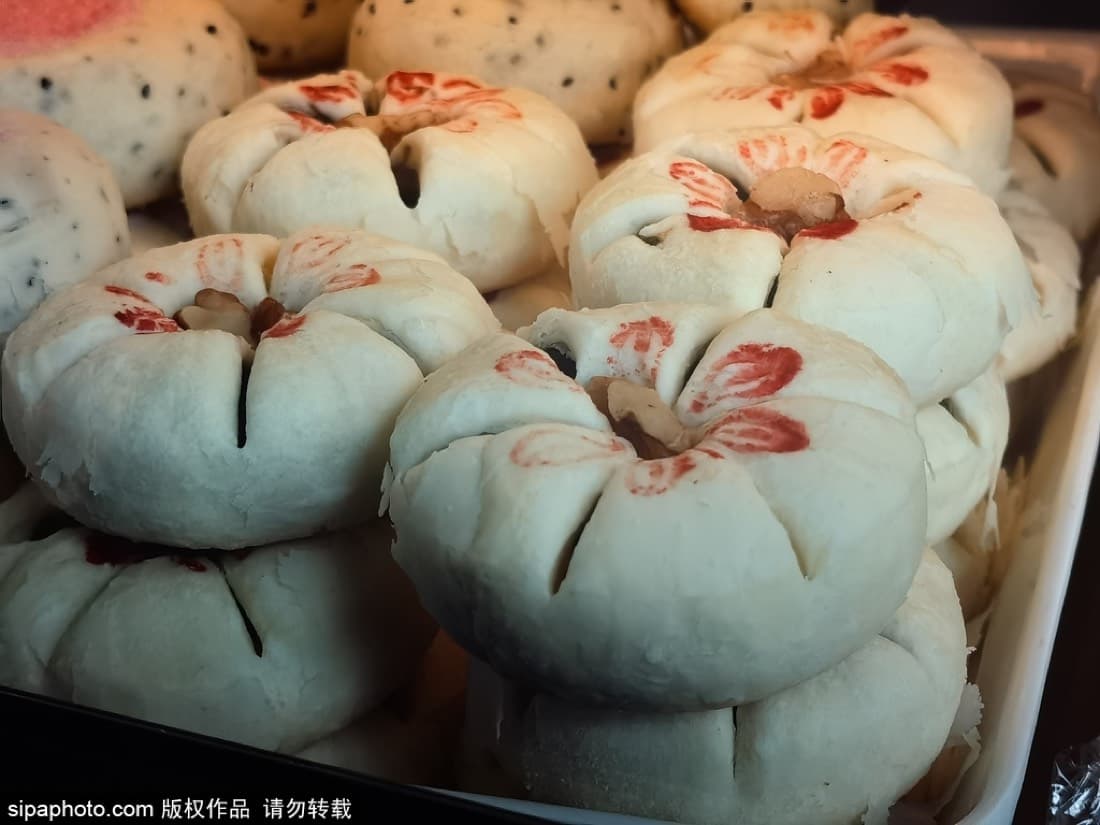
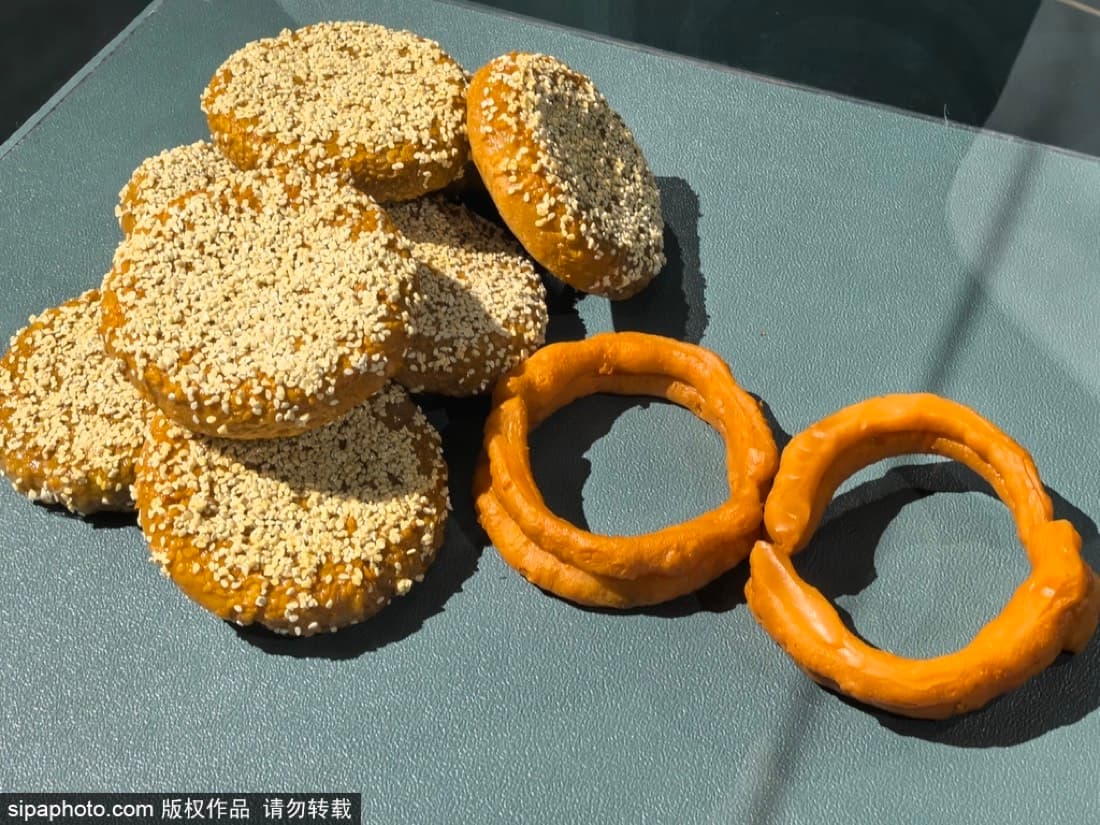
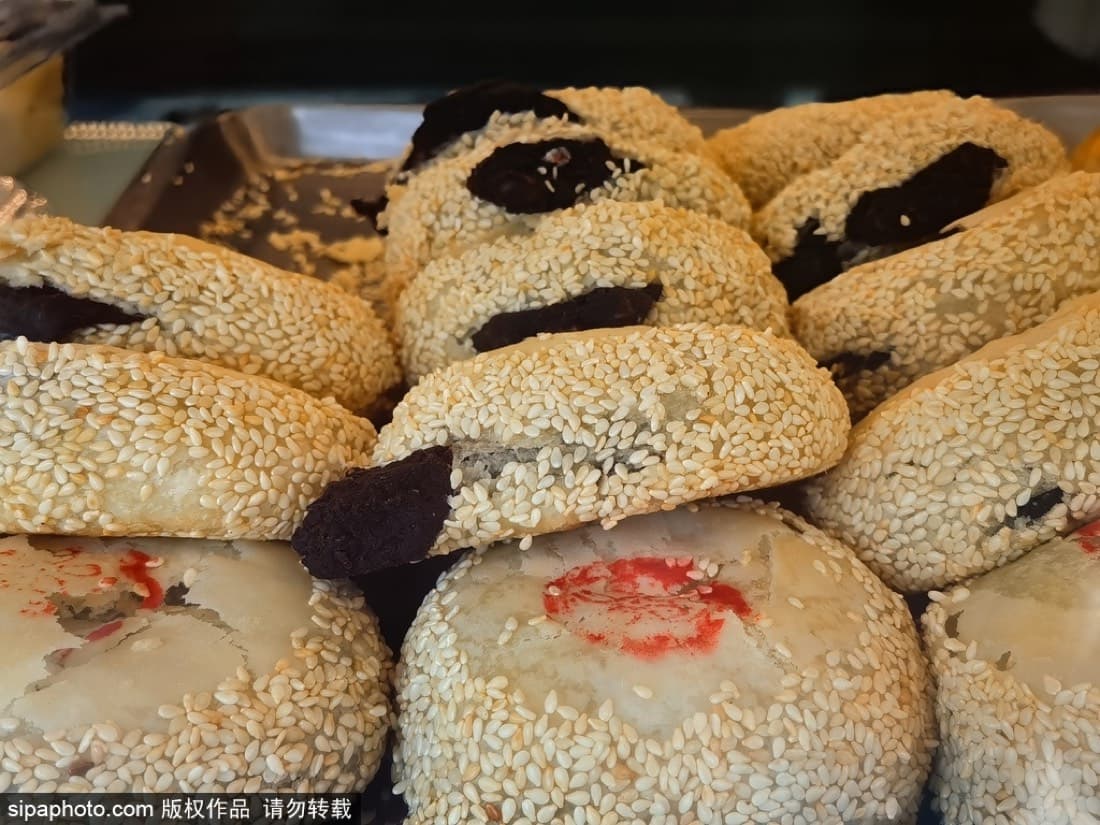
This is where you can balance the harder flavors with easier sweets: ludagun, wandouhuang, aiwowo, sesame pastries, rice cakes, and other small bites. You can still try douzhi if you want the badge of honor, but the counter gives you room to recover.
A good first-timer breakfast route
For a first visit, do not build an entire morning around one difficult bowl. Pair breakfast with sightseeing. Temple of Heaven plus Lao Ciqikou Douzhi is efficient. Dongsi can work with Dongsi Luzhu and a hutong walk. Huguosi works well before Shichahai, Beihai, or a slower north-city day.
Bring translation, cash backup, and patience. Some old shops are fast, crowded, and not designed around English service. Pointing works. Photos help. The phrase to remember is small portions first. Beijing breakfast rewards bravery, but it also rewards knowing when to stop.