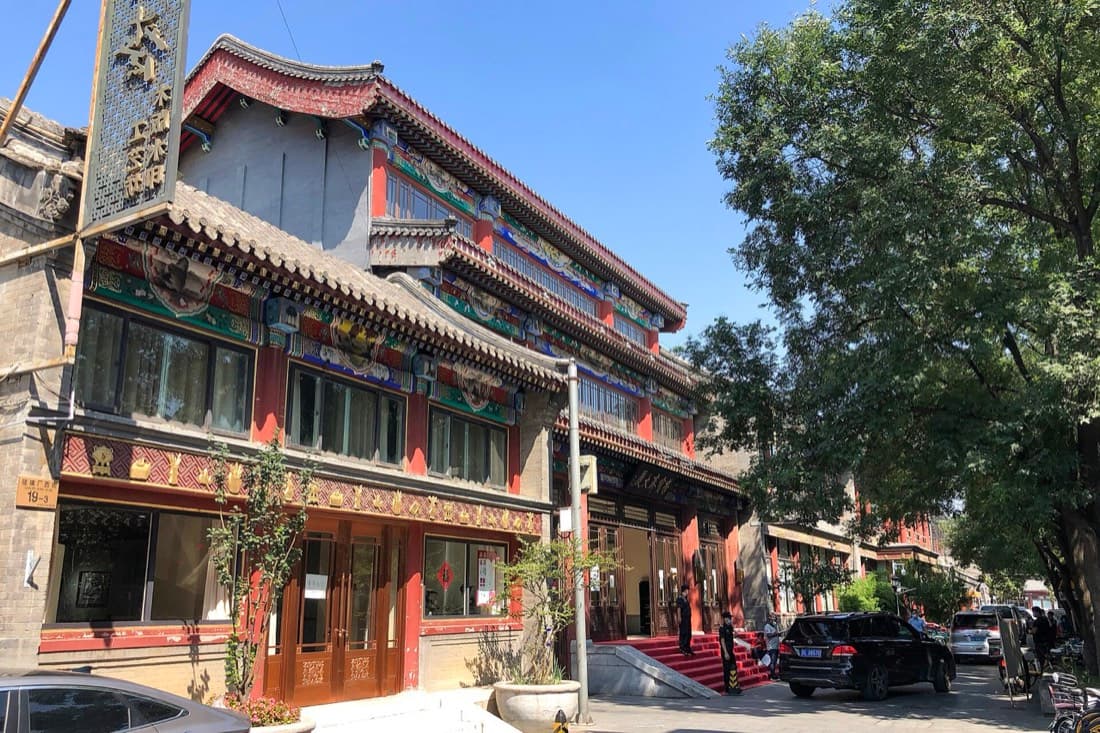
Beijing / Local Culture
What to Buy in Old Beijing: Roast Duck, Cloth Shoes, Herbal Shops and Scholar Gifts
Beijing's old brands are more than shopping stops. They are edible memory, medicine cabinets, brush counters, duck ovens, cloth shoes, tea tins, and storefront signs that explain how the city did business before malls became the default. If you want souvenirs with a story, Qianmen, Dashilan, Liulichang, and Wangfujing are better than a random airport gift shelf.
Old brands make Beijing feel less generic
A time-honored brand in Beijing is not automatically charming, cheap, or tourist-proof. Some are polished, some are crowded, some are heavily commercial, and some are genuinely wonderful. The point is that these names connect shopping to city memory: who ate what, wore what, wrote with what, gifted what, and trusted which counter.
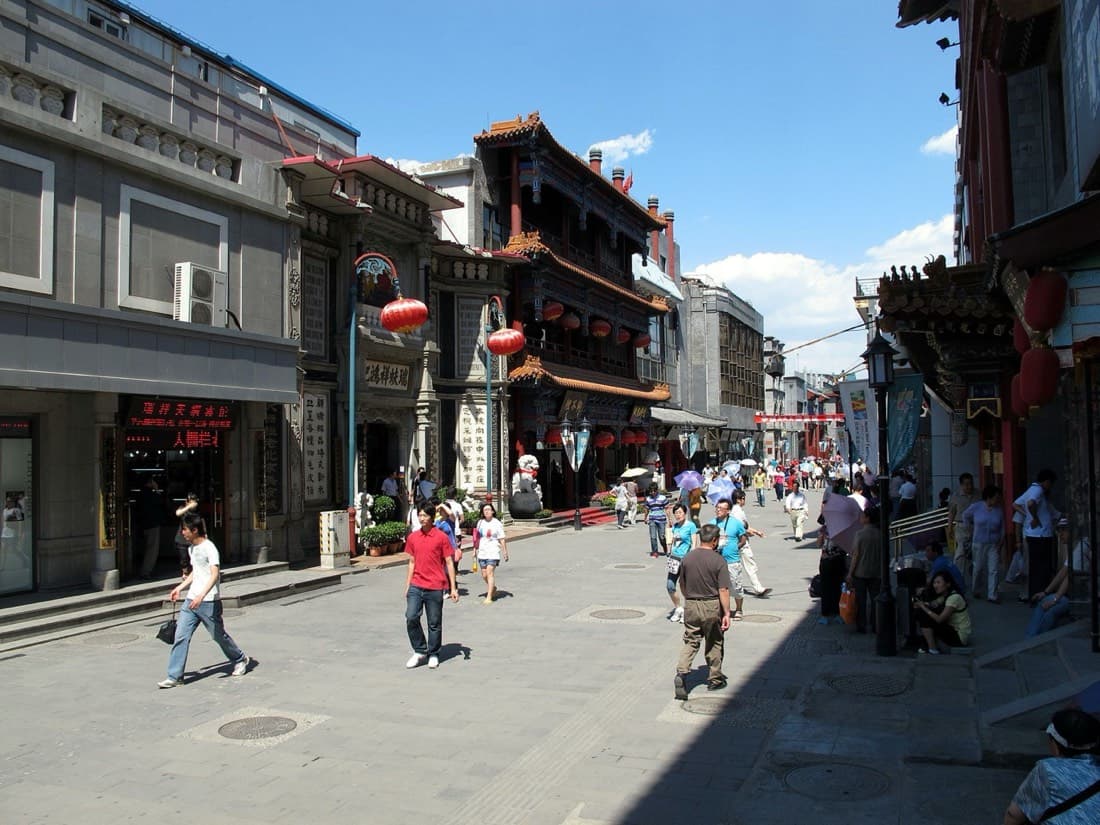
Official Beijing pages list many time-honored names, while Visit Beijing notes that Qianmen and Dashilan have long been tied to old shops for shoes, silk, tea, hats, watches, medicine, and roast duck. That concentration makes the area a useful walking route.
Qianmen and Dashilan: the easiest old-brand street walk
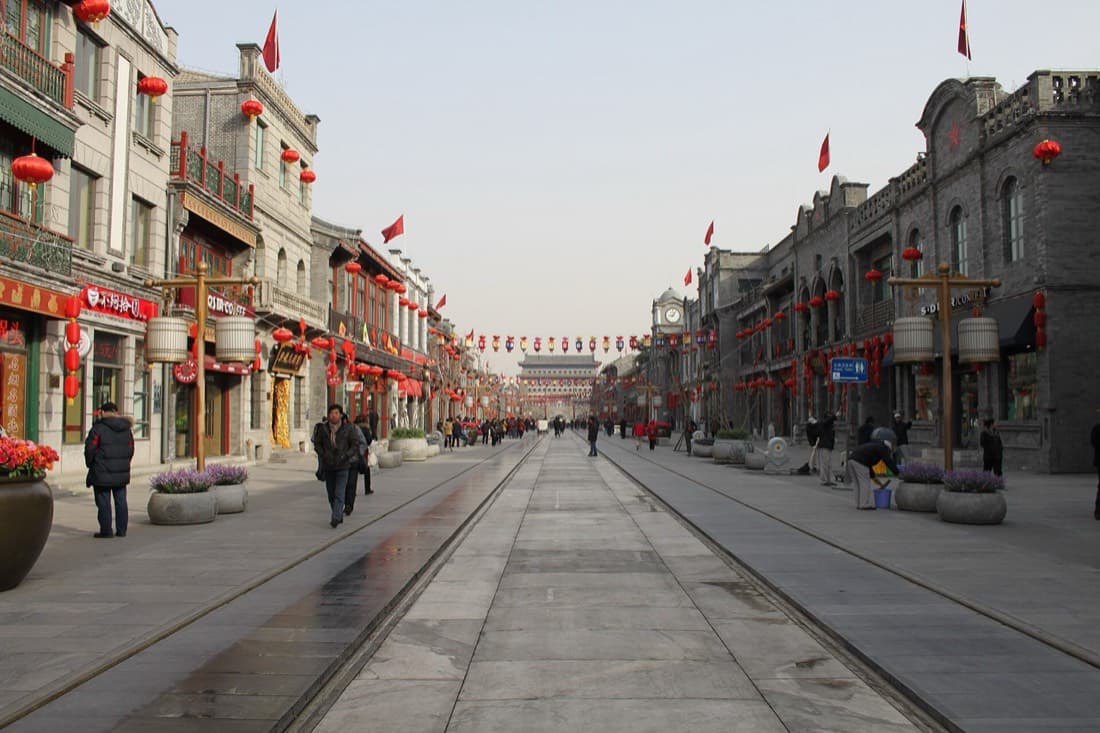
Qianmen Street is the simplest entry point because it is central, pedestrian-friendly, and packed with famous storefronts. It can feel touristy, but the density is useful: Quanjude, Neiliansheng, Tongrentang, tea shops, silk shops, snack names, and renovated old-commercial architecture all sit within a manageable walk.
Go with realistic expectations. This is not a hidden local secret. It is a historic commercial stage that locals, tour groups, families, and visitors all use differently. That mix is part of the story.
Tongrentang: medicine history, not casual souvenir shopping
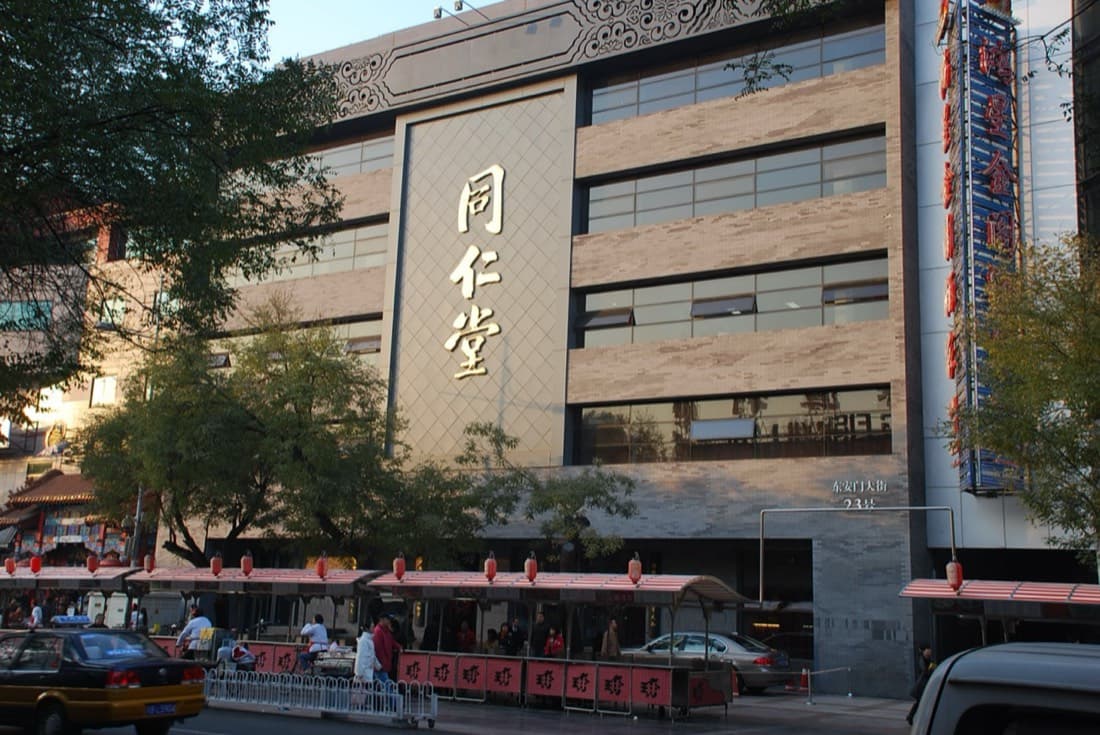
Tongrentang is one of Beijing's most famous traditional Chinese medicine brands, with Visit Beijing tracing its history back to 1669 and its long connection to court medicine. The storefronts can be fascinating even if you are not buying anything: drawers, counters, packaged remedies, and a sense of trust built over centuries.
For Western tourists, the rule is simple: browse respectfully, ask questions, translate labels, and do not treat unfamiliar medicines as novelty gifts. If you buy teas, balms, or simple packaged products, make sure you understand ingredients, usage, and customs rules before taking them home.
Quanjude and roast duck: go for the ritual
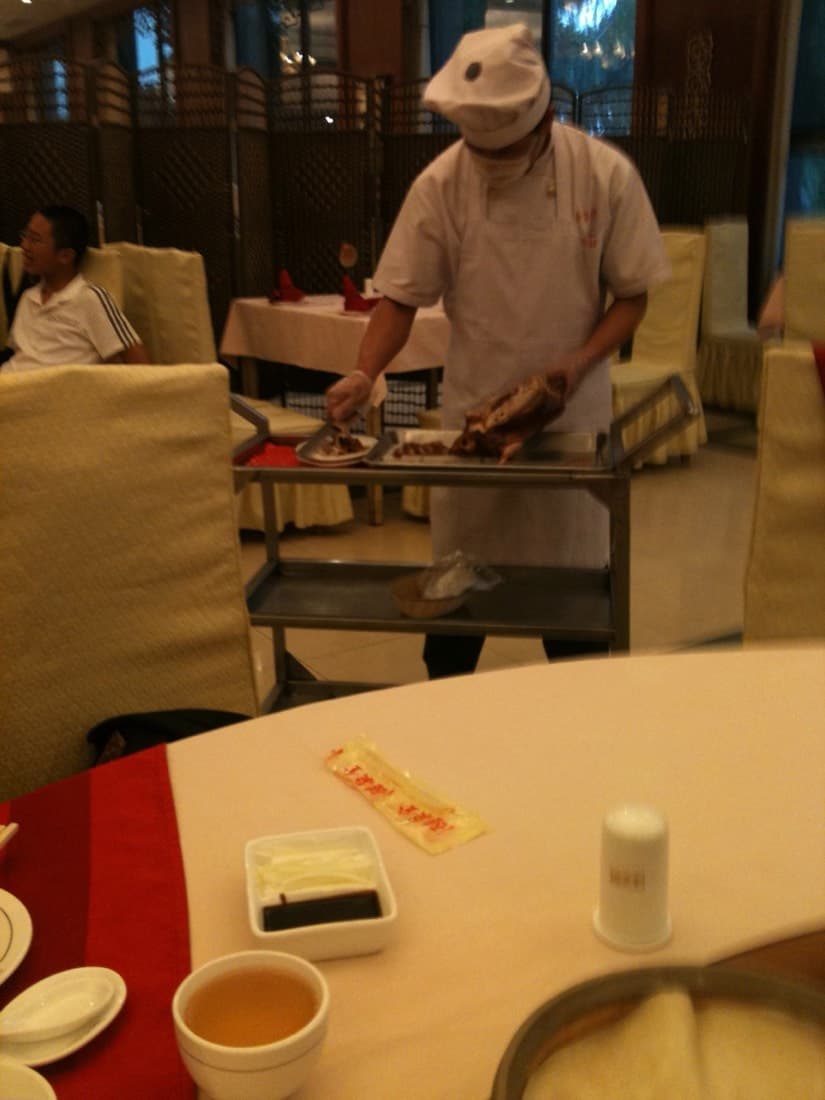
Quanjude is famous because roast duck in Beijing is not just a dish; it is a performance of slicing, skin, pancakes, sauce, scallion, cucumber, and shared pacing. Visit Beijing notes Quanjude's long culinary heritage and the role of the Qianmen branch in the classic roast-duck story.
Will every traveler think it is the city's best duck? Not necessarily. Some locals prefer other restaurants. But if you want the famous historical name and the ceremony, Quanjude still makes sense as part of a classic Beijing commercial-memory day.
Neiliansheng: cloth shoes with a museum angle
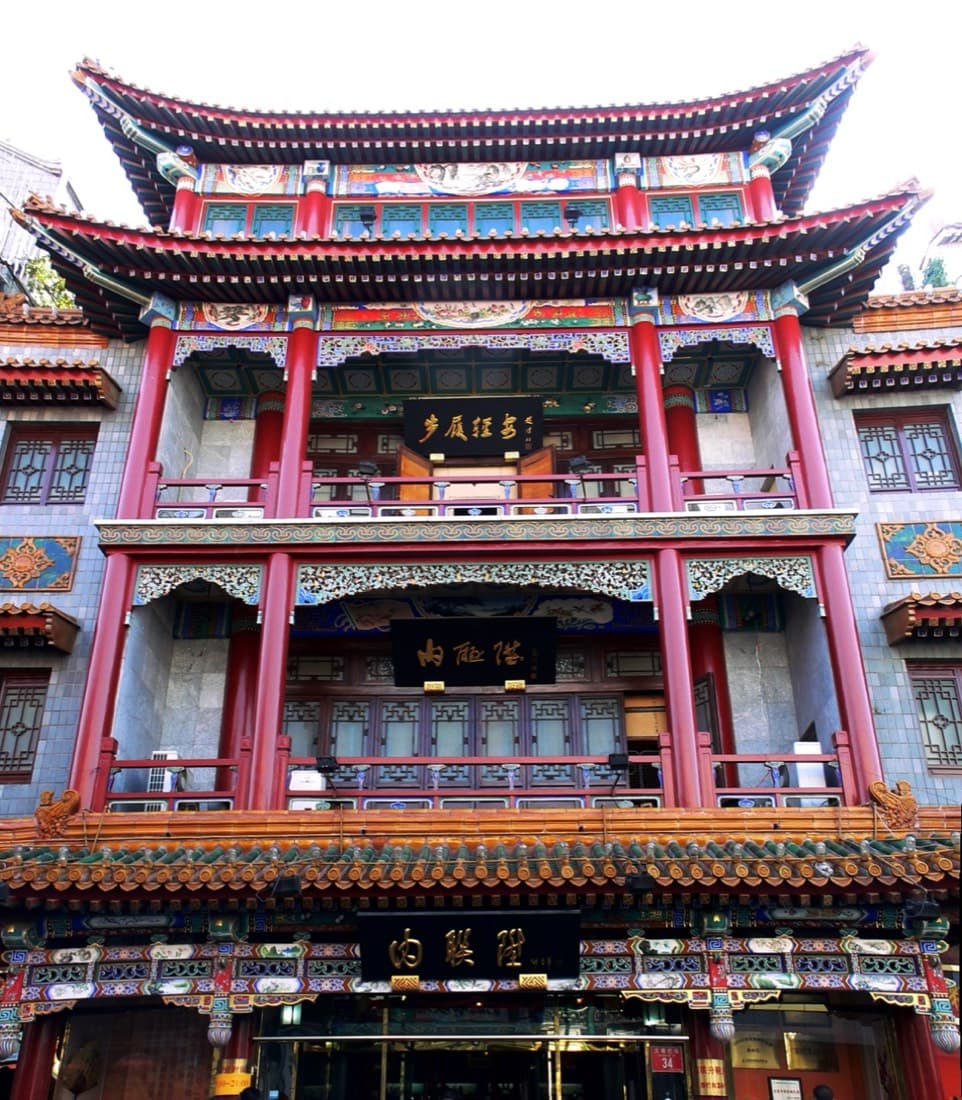
Neiliansheng turns a practical object into a Beijing story: cloth shoes, soles, fit, status, craft, and old Dashilan retail culture. Official Beijing reporting has described plans to turn the brand's exhibition hall into a Beijing Cloth Shoes Culture Museum, which makes it more than a shoe stop.
Even if you do not buy shoes, the shop is useful for understanding how a city remembers everyday craft. It is also a more interesting souvenir idea than another fridge magnet, provided sizing and comfort work for you.
Rongbaozhai, Daiyuexuan, and the scholar-gift route
Liulichang is the better route if your idea of a souvenir is paper, brush, ink, calligraphy, seals, prints, albums, or a beautiful object for a desk. Rongbaozhai dates to the Kangxi era and is known for painting, calligraphy materials, and woodblock printing. Daiyuexuan is part of the same world of brush and study culture.
This is where Beijing gets quieter and more tactile. You may not know how to use a brush, but you can still enjoy the paper textures, cabinets, seals, mounted works, and the feeling that culture here is something handled by the hand, not just viewed behind glass.