
Beijing / Practical Guides
Beijing Ticket Reservations: Forbidden City, Tiananmen, Museums and Hot Sights
Beijing is one of the easiest Chinese cities to love and one of the easiest to underbook. The Forbidden City, Tiananmen Square, top museums, and popular historic sights can all involve real-name reservations, passport details, official mini programs, release windows, security checks, and Monday closure surprises. The good news: once you treat tickets as part of the itinerary, Beijing becomes much calmer.
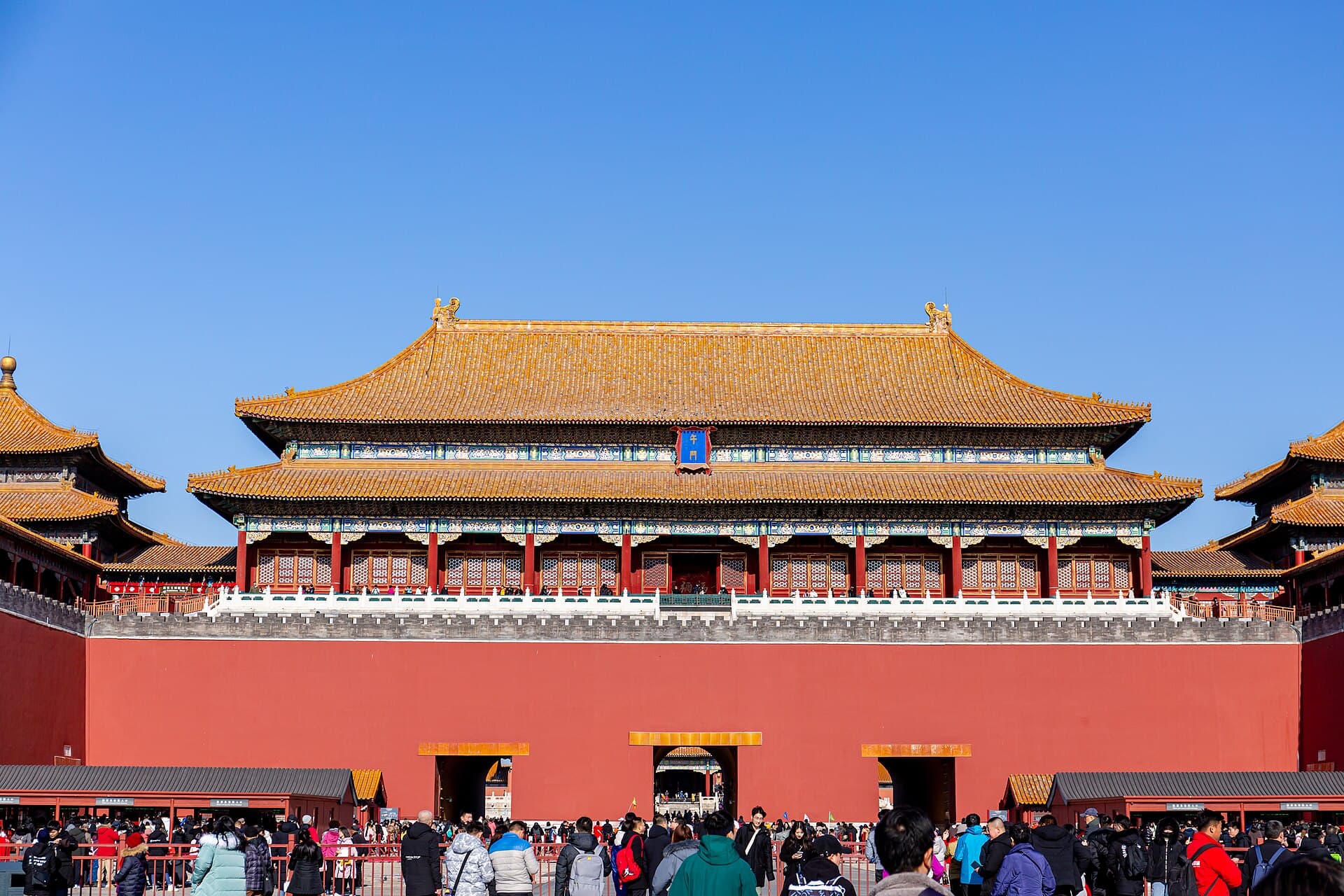
In Beijing, the ticket is part of the itinerary
For Western visitors, Beijing can feel unusual because some famous places are not casual walk-up attractions. A free museum may still require a reservation. A square may need a real-name appointment. A palace ticket may open several days ahead, sell out quickly, and require the exact passport used in the booking.
This is not meant to scare you away. It means you should plan Beijing like a city with checkpoints. Put your passport details, official booking links, reservation screenshots, and opening days in the same place as your hotel and transport plan.
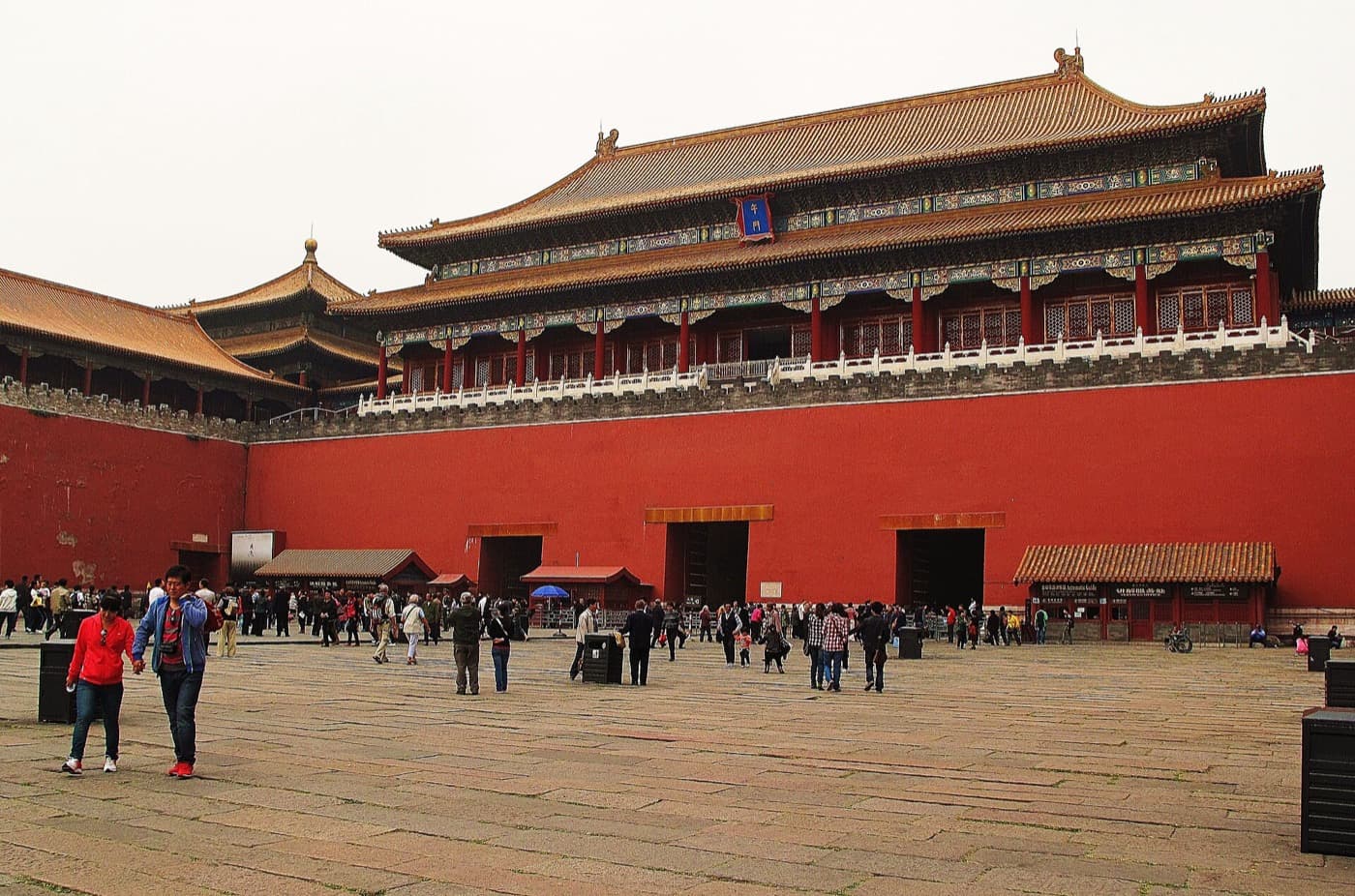
Forbidden City: book early and bring the same passport
The Palace Museum is the booking everyone should take seriously. Official guidance says all visitors must reserve tickets in advance, the museum does not sell same-day tickets, and tickets are released from 20:00 seven days before the visit. Each identity document can be used to reserve one ticket per visiting day.
The practical version is simple: book as soon as your date opens, use your passport information carefully, save screenshots, and bring the original passport. Do not leave the Forbidden City as a flexible maybe if it is one of the reasons you came to Beijing.
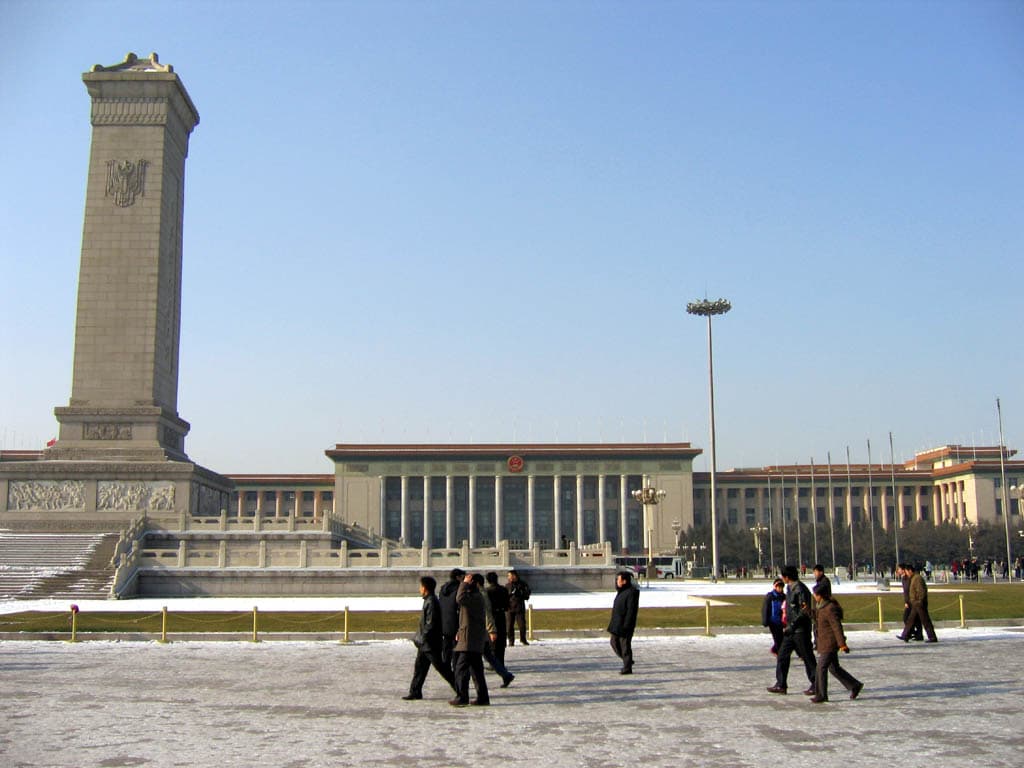
Tiananmen Square is a separate reservation world
Tiananmen Square is not just the open space you pass on the way to the Forbidden City. Official Beijing materials say visitors entering the Tiananmen area should make reservations at least one day and up to seven days in advance, with real-name appointment requirements and valid identity documents.
That matters because nearby plans can look deceptively connected on a map: Tiananmen Square, the National Museum, Chairman Mao Memorial Hall, the Great Hall area, and the Palace Museum all sit close together, but their reservation logic may not be identical. Do not assume one booking covers everything.
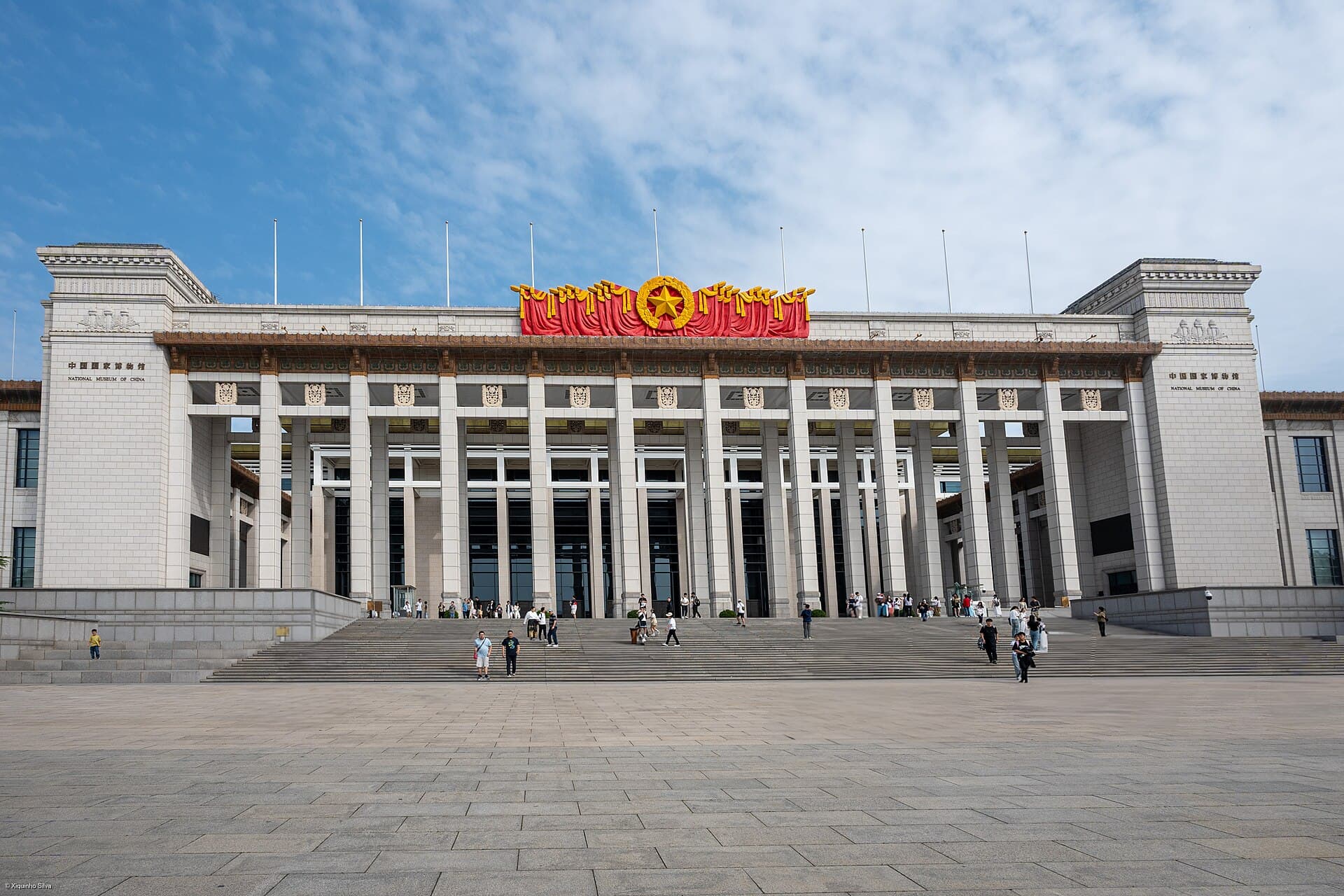
Museums: free does not mean walk-in
Beijing is full of museums that are wonderful for rainy days, summer heat, jet lag, and culture-heavy itineraries. But free admission does not always mean you can simply appear at the door. The National Museum of China, major municipal museums, and popular special exhibitions can require advance reservations with passport or ID details.
Use official museum pages, the Beijing ticketing hub, or the museum's own mini program where available. If you are using a Chinese-language mini program, check the English name, address, date, entry time, and passport number before paying or submitting.
Build a Monday-proof Beijing plan
Many Chinese museums and heritage sites close on Mondays, although public holidays can change the pattern. The Palace Museum's English ticket page lists Monday closure rules with holiday exceptions. Other museums may follow similar rhythms or announce temporary adjustments.
This is why your Beijing plan needs a Monday backup. Parks, neighborhood walks, hutongs, shopping streets, food routes, and some outdoor sights can save a day that would otherwise collapse around a closed museum. Temple of Heaven, for example, can be a more flexible mood than trying to force another booked indoor attraction.

A booking workflow that keeps the trip sane
First, list your must-book places before you book hotels too far from them. Second, check the release window and closure day for each major attraction. Third, reserve with the same passport details you will carry. Fourth, save confirmations offline because mobile signal, app language, and login checks can all fail at the worst moment.
Finally, resist unofficial shortcuts. Beijing is popular enough that ticket anxiety creates bad advice, strange links, and overpriced helper services. Use official sites and mini programs first, reputable travel platforms as backup, and hotel concierge help when the app flow is not friendly to foreign passports.