Beijing / Food & Daily Life
The Weirdest Food Map in Beijing: Eat Around China at Provincial Office Restaurants
One of Beijing's most underrated food ideas is wonderfully strange: restaurants attached to provincial liaison offices, hotels, or regional institutions where the capital becomes a map of China by appetite. In one city, you can chase Xinjiang lamb, Yunnan mushrooms, Guizhou sour soup, Sichuan heat, Hunan chile, Inner Mongolian dairy and mutton, and a dozen other homesick flavors.
What is a provincial office restaurant?
Provincial offices in Beijing exist because every province, region, and many cities need a capital presence. Around that administrative ecosystem, restaurants developed for officials, visiting delegations, regional businesspeople, homesick residents, and eventually ordinary diners who realized the food was interesting.
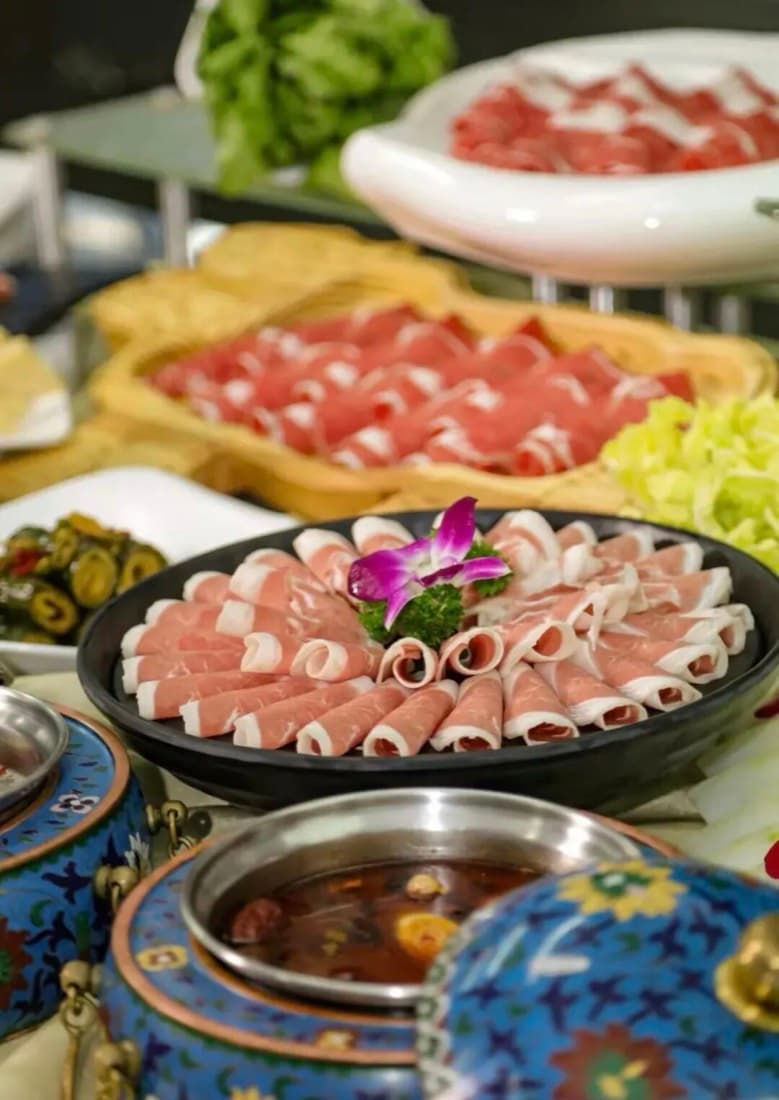
For travelers, this is a brilliant shortcut. Instead of treating Chinese food as one thing, you get a live map: northwestern wheat and lamb, southwestern herbs and sourness, Sichuan and Hunan heat, coastal seafood, Inner Mongolian dairy and meat, Jiangsu softness, Guangdong dim sum, and more.
Start with Xinjiang if you want instant payoff
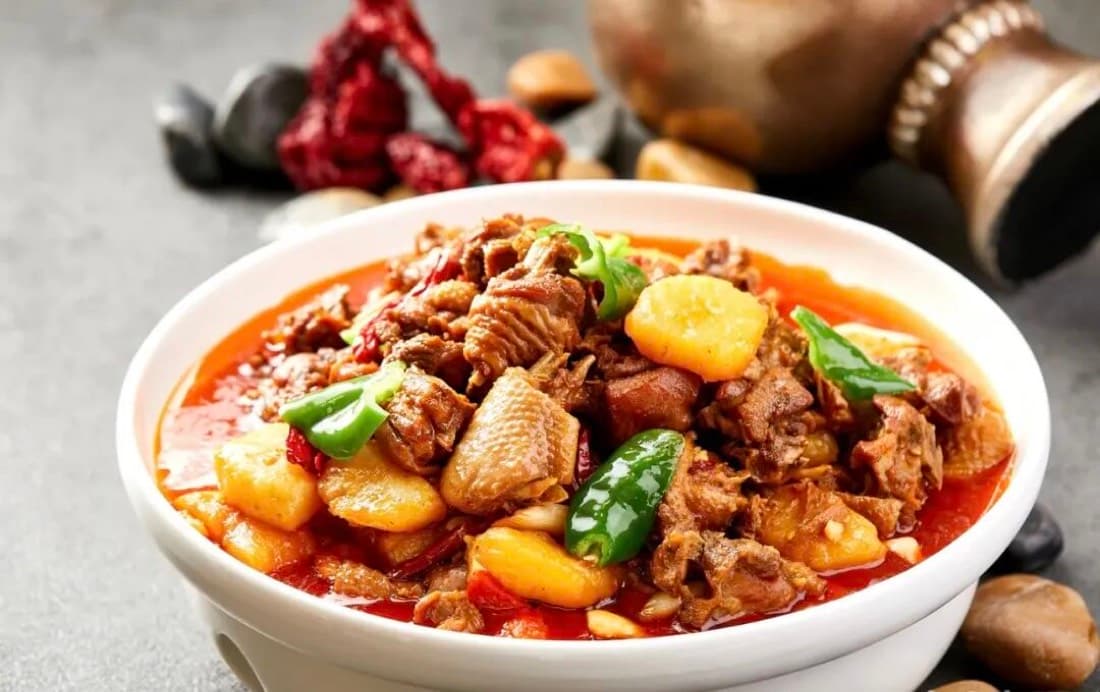
Xinjiang restaurants are among the easiest for Western visitors to understand quickly: lamb skewers, big-plate chicken, hand-pulled noodles, pilaf, naan, yogurt, and bold cumin smoke. The Visit Beijing 2026 provincial-office roundup lists Hantengri Flavor Restaurant inside Beijing Xinjiang Plaza and names lamb skewers, big-plate chicken, pilaf, and Xinjiang fried rice noodles as popular orders.
This is also useful for many halal travelers, though you should still verify the individual restaurant and dishes. The flavors are big, the plates are shareable, and the meal feels very different from imperial Beijing.
Sichuan, Hunan, Guizhou and Yunnan: chase the southwest
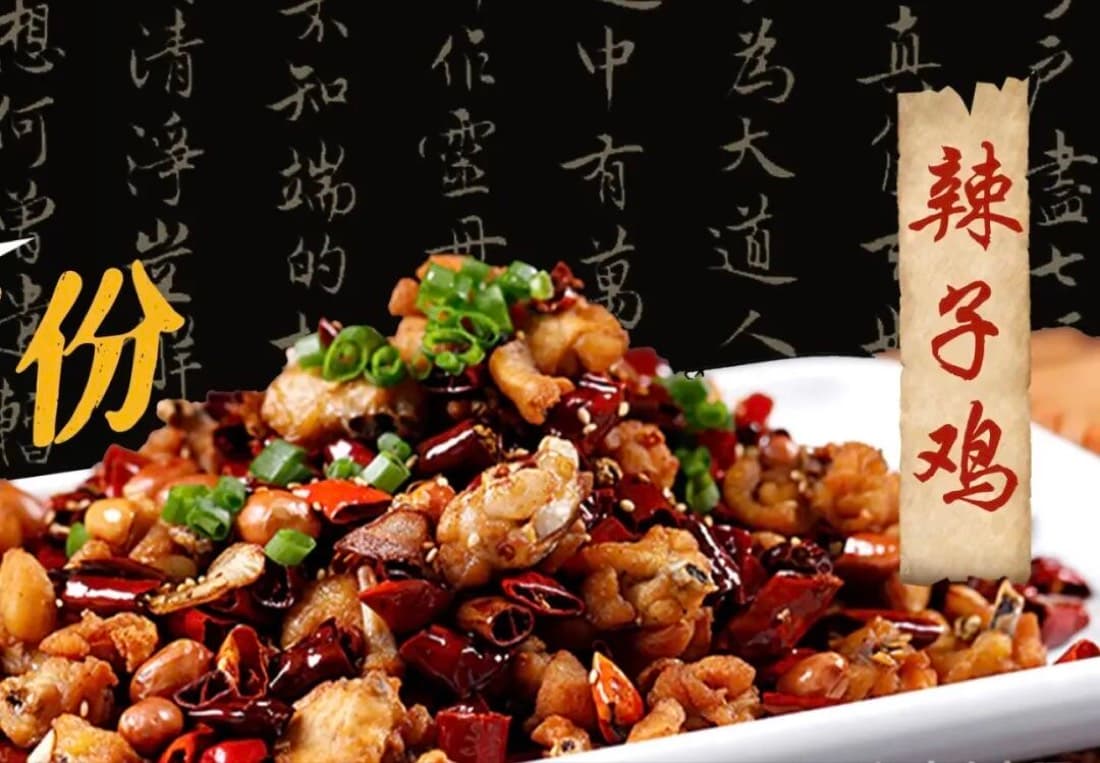
The southwest and central-south route is where provincial-office dining gets exciting. Sichuan brings chile, peppercorn, noodles, cold dishes, and fish-fragrant sauces. Hunan is sharper, more direct, and chile-forward. Guizhou adds sour soups, fermented flavors, and rice-noodle energy. Yunnan gives mushrooms, herbs, flowers, ham, rice noodles, and a gentler kind of surprise.
The exact best restaurant changes with branches and local buzz, so use the concept rather than one fixed checklist. Search by province name plus zhu jing ban on Amap, then check recent photos. If the dining room looks full of local families and regional business tables, that is usually a better signal than a glossy tourist ranking.
Why these restaurants can feel more authentic
Authentic is a dangerous word, but provincial-office restaurants often have one advantage: they were not designed only for tourists. They have to satisfy people from that region who know the flavors, or at least want the emotional version of home.
That does not mean every dish is perfect. Some places are banquet-like, some are dated, some are inconsistent, and some are more famous for nostalgia than precision. But the concept itself is very Beijing: the capital gathers the country, and dinner turns that political geography into taste.
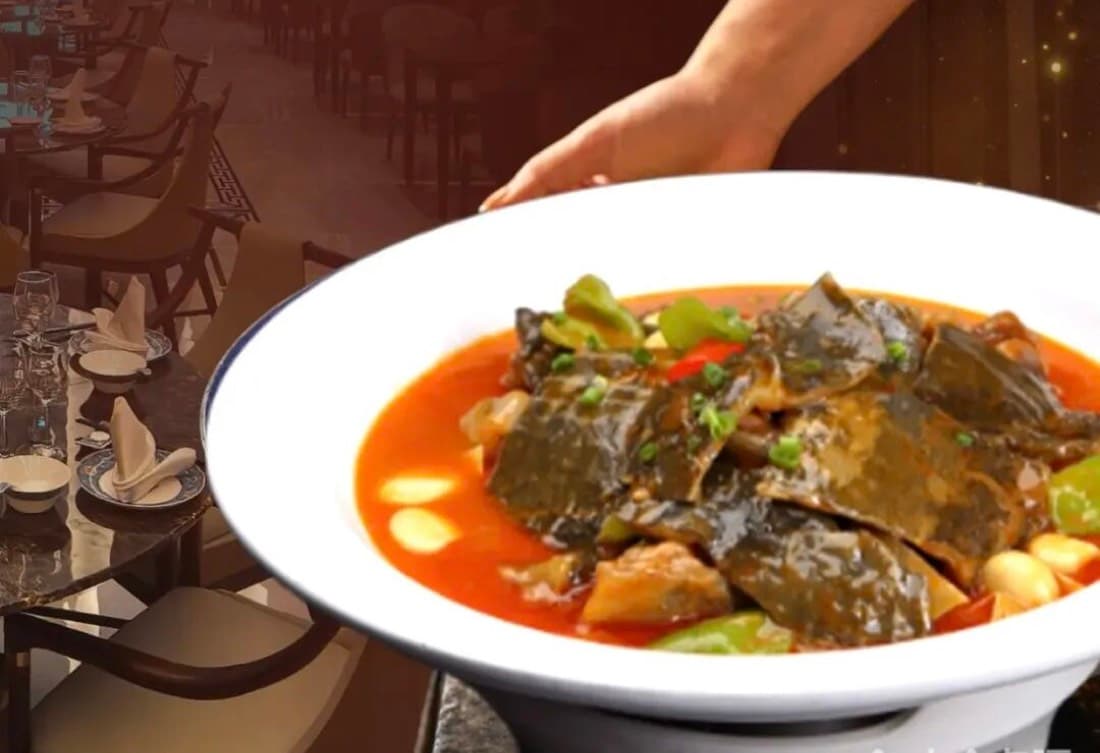
How to plan a provincial-office dinner
Go with at least two or three people. These restaurants reward sharing: one cold dish, one meat dish, one vegetable, one noodle or rice dish, one regional signature, maybe one soup. Solo travelers can still go, but a group makes the format sing.
Use Amap carefully because names can be similar and some restaurants sit inside hotels, compounds, or side entrances. Call ahead or check recent reviews for opening hours. If you do not read Chinese, screenshot the restaurant name and address, and give yourself extra arrival time.
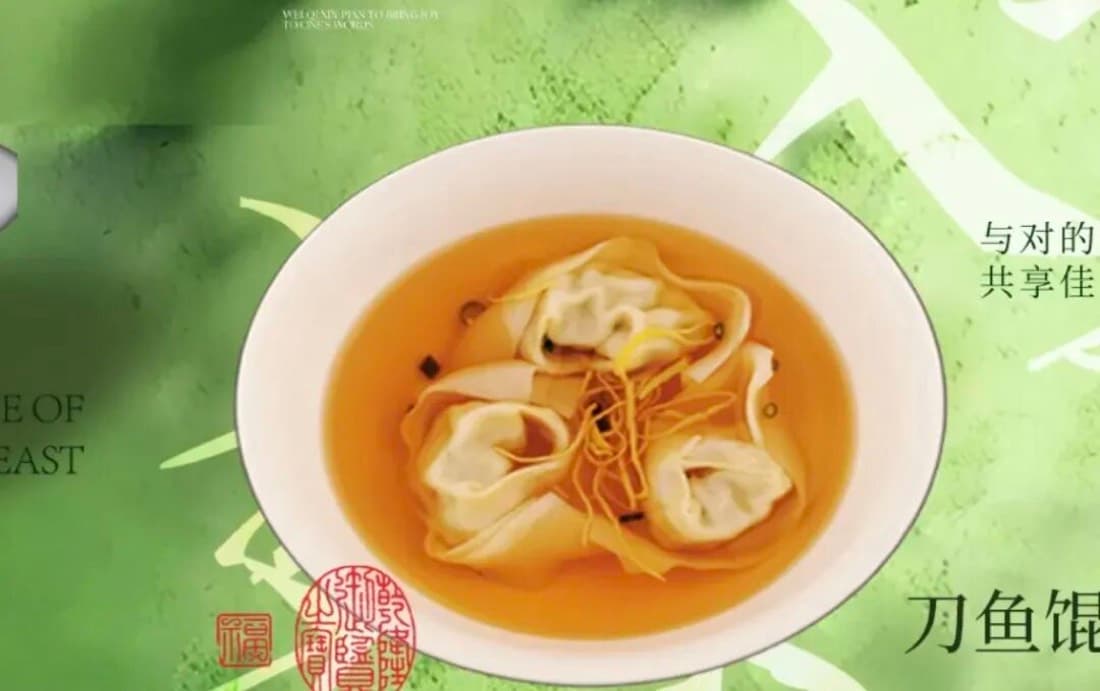
What to avoid
Do not order only what looks familiar. The whole point is regional specificity. At a Xinjiang place, get lamb, noodles, pilaf, or big-plate chicken. At a Guizhou place, try sour soup or rice noodles. At a Yunnan place, look for mushrooms, crossing-the-bridge noodles, or herb-heavy dishes. At a Hunan place, accept the chile.
Also do not over-romanticize the category. Some restaurants are better than others, and Beijing food trends move quickly. Treat this as a smart framework for finding interesting meals, then let current maps, photos, and local queues choose the exact table.