
Beijing / Local Culture
Beijing Hutong Guide: Courtyard Lanes, Beiluoguxiang, Guozijian, Wudaoying, Yangmeizhu and Xisi
Hutongs are where Beijing stops performing as a capital and starts behaving like a city people live in. The best lanes are not only photo backdrops. They are doorways, bikes, trees, grey brick, tiny shops, hidden cafes, neighborhood noticeboards, school gates, repair stands, and the occasional courtyard glimpse that makes you want to slow down.
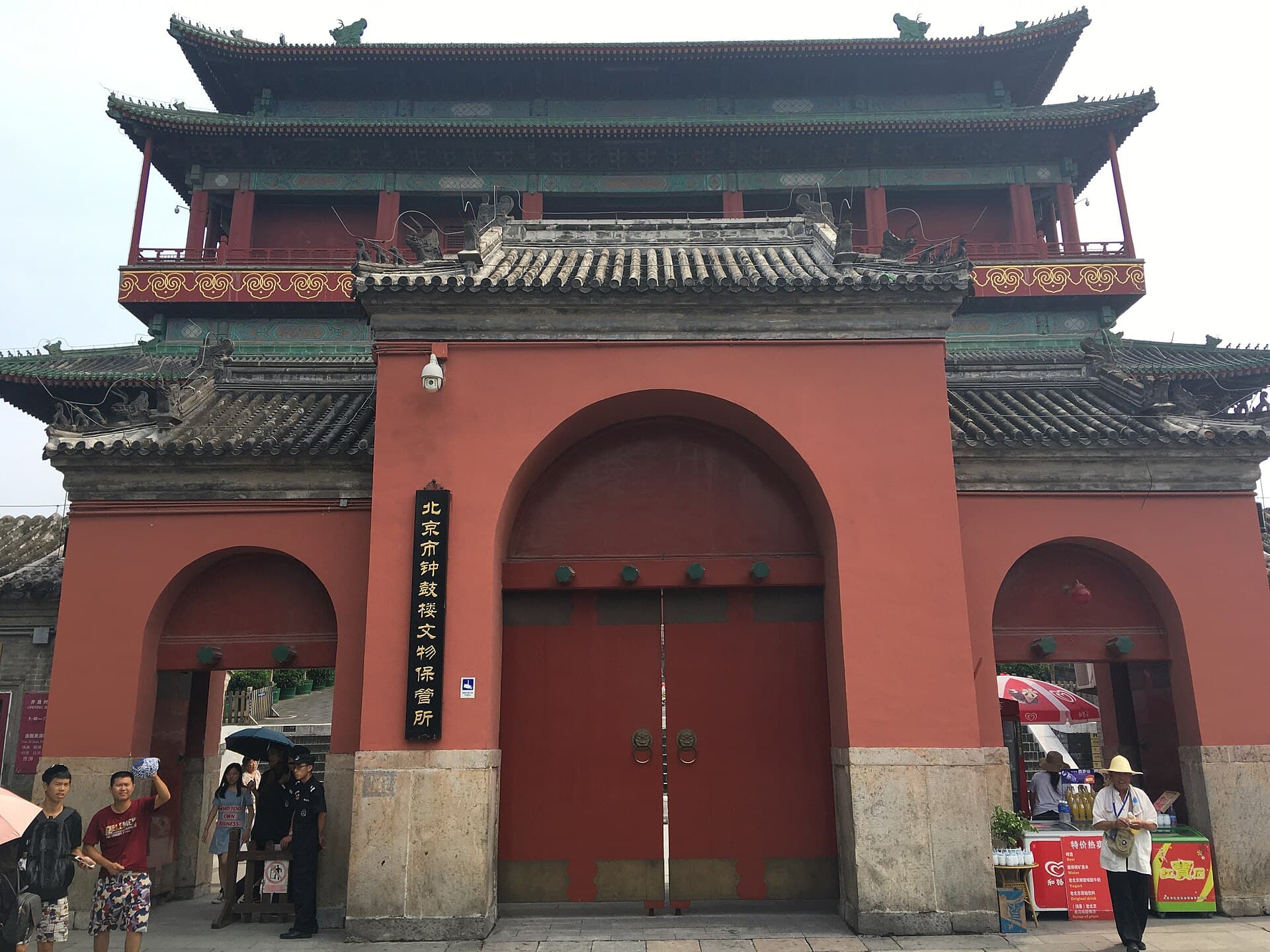
Why hutongs matter for first-time visitors
Beijing's big sights explain empire. Hutongs explain daily life. They are the lanes and courtyard neighborhoods where the city feels lower, slower, and more human.
The Visit Beijing hutong list makes the same basic point: after royal architecture such as the Forbidden City, Summer Palace, and Temple of Heaven, old Beijing's lived texture is hidden in the lanes. That is why a hutong walk should not be treated as filler between monuments.
Beiluoguxiang: central, quieter, and easy to love
Beiluoguxiang is a good answer for travelers who want the Drum Tower and Shichahai area without only walking the most crowded commercial lane. It has cafes, small shops, and enough ordinary street life to feel more relaxed.
Use it as a slow connector: Bell and Drum Towers, Beiluoguxiang, side lanes, then Shichahai or Houhai toward evening. It is not a secret, but it is a better mood than treating Nanluoguxiang as the whole hutong story.
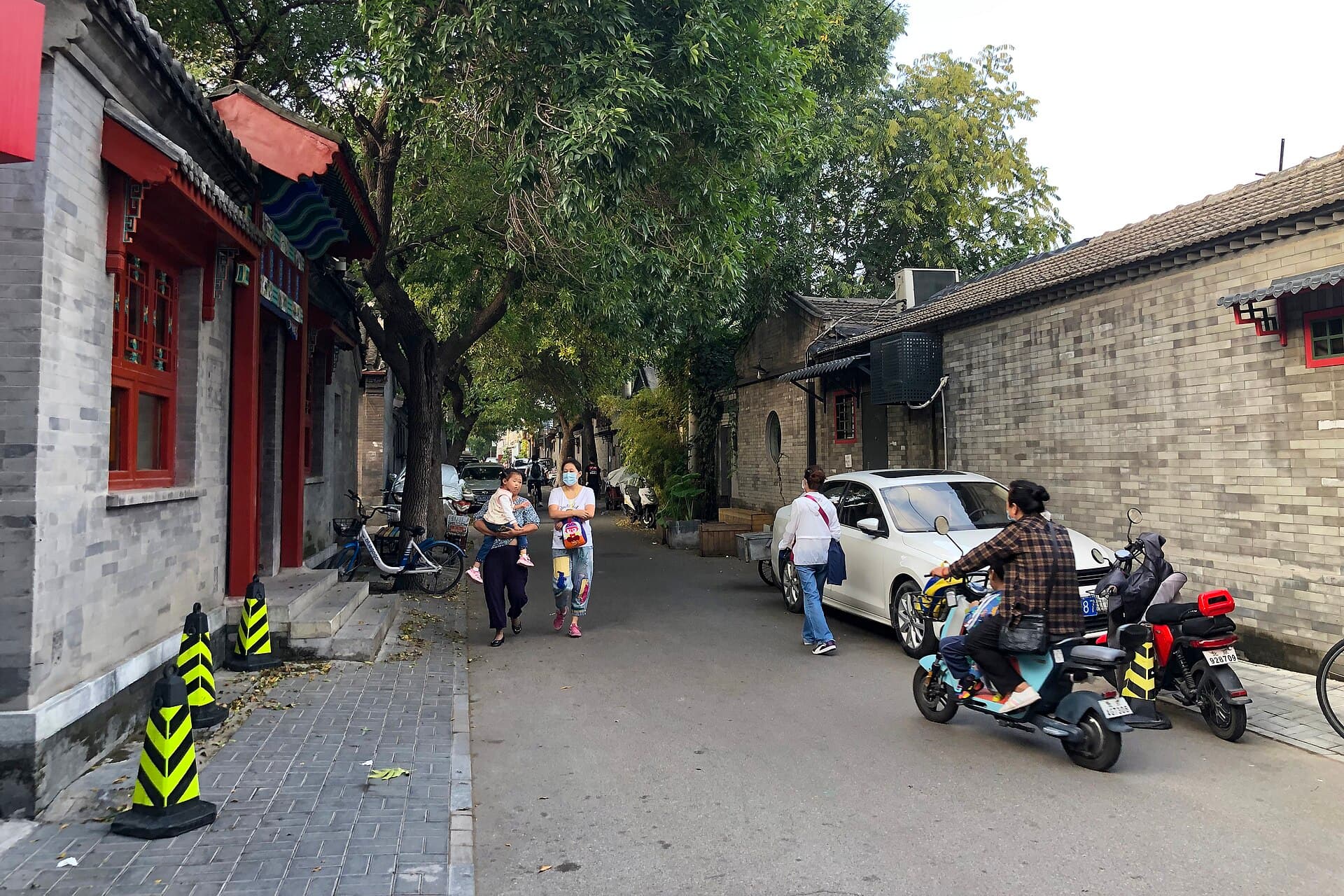
Guozijian Street: trees, red walls, and scholarly Beijing
Guozijian Street is one of the most attractive old-city walks for visitors who like culture more than shopping. The street pairs naturally with the Confucius Temple, the Imperial College, Lama Temple, and nearby Wudaoying.
The mood here is different from cafe-heavy lanes. It is more ceremonial, leafy, and scholarly, with red walls and old institutional memory giving the street a calmer dignity.
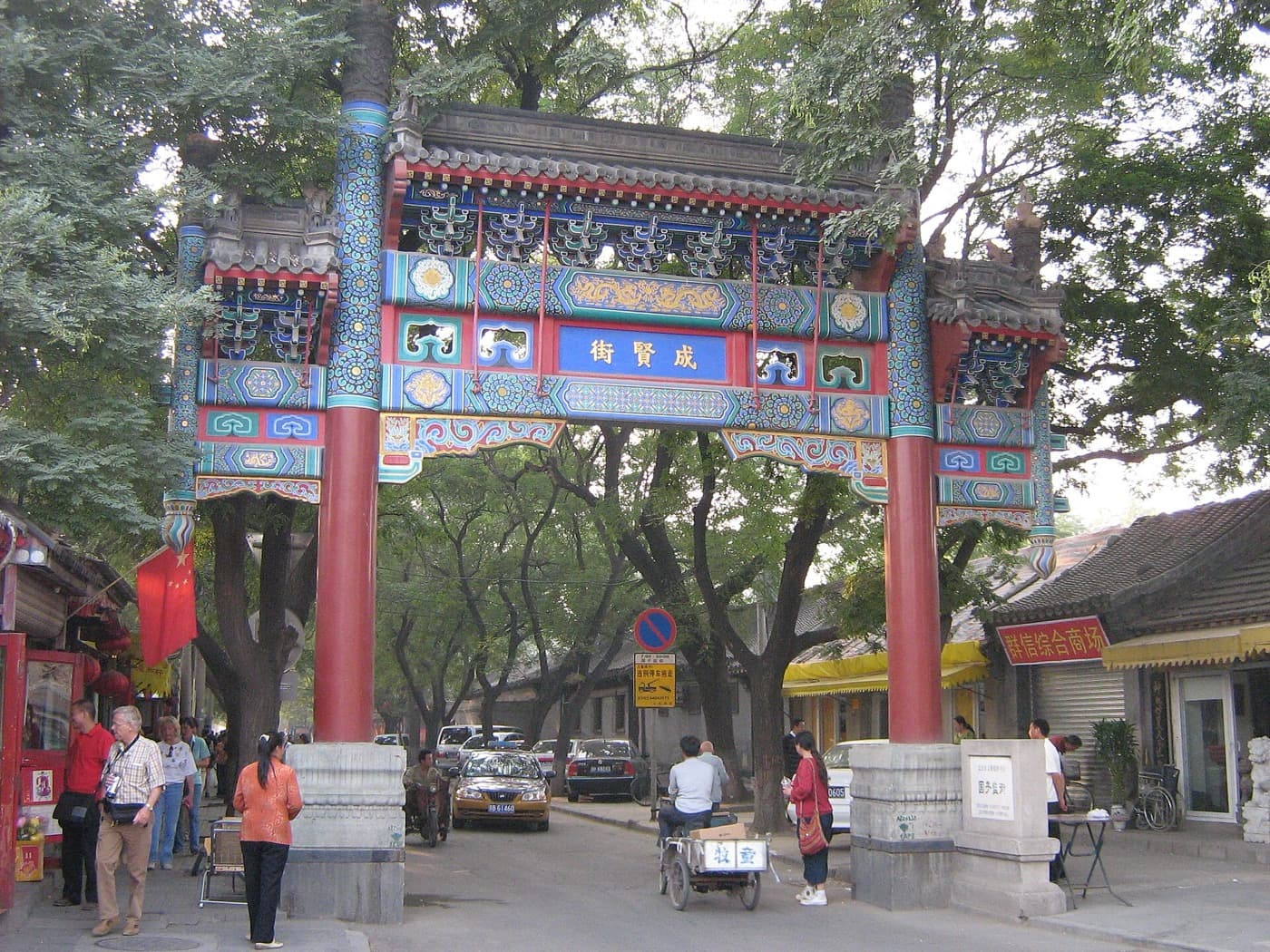
Wudaoying: polished cafes in an old lane
Wudaoying Hutong is more curated than raw. It is where many travelers find cafes, bars, design shops, small restaurants, and an easier soft landing into old Beijing street life.
That does not make it fake; it makes it useful. If you are with someone who is tired of museums, Wudaoying gives you a low-effort, high-reward hour close to major sights.
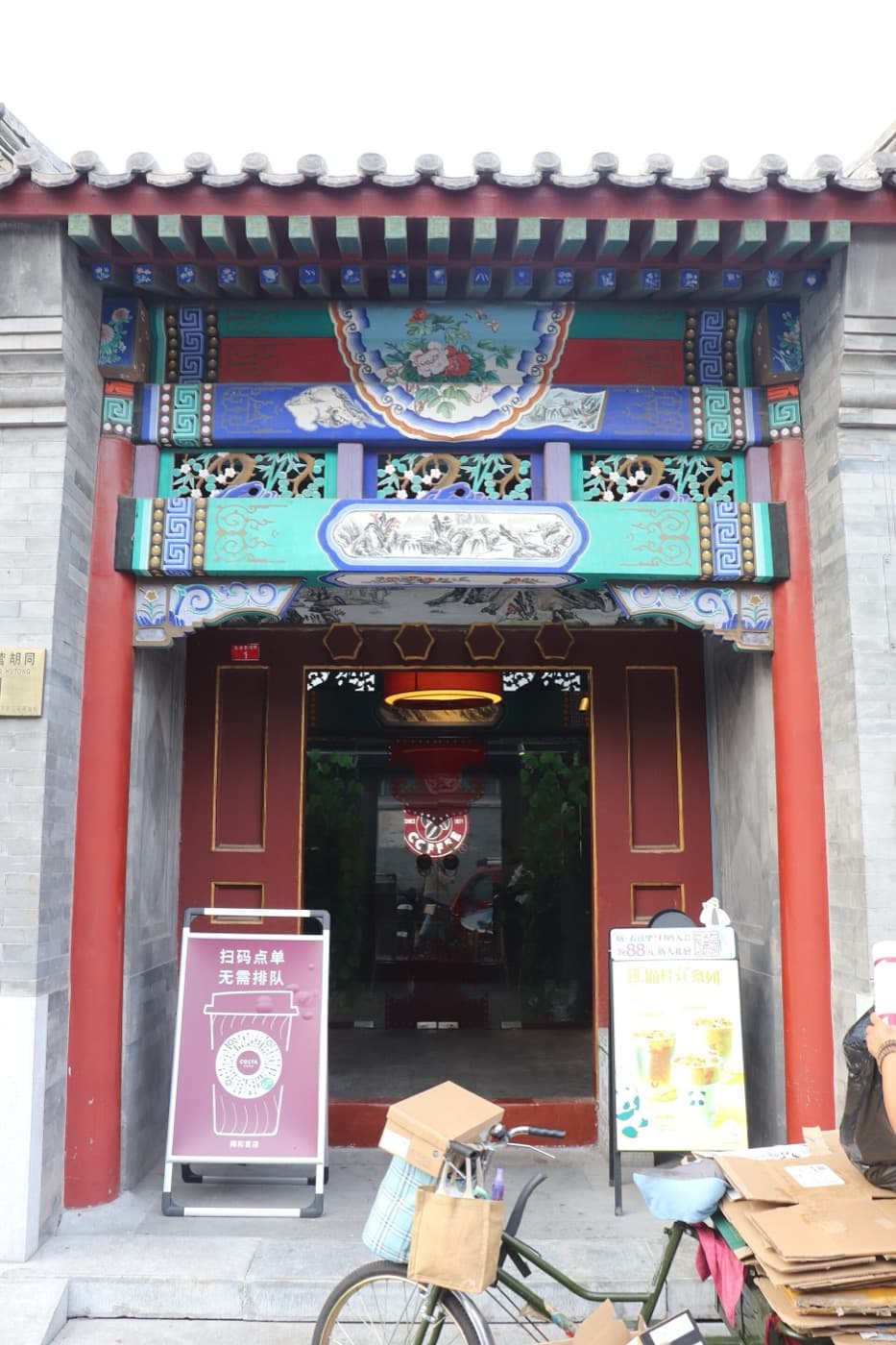
Yangmeizhu Xiejie: bookish, narrow, and better after Qianmen
Yangmeizhu Xiejie works beautifully after Qianmen or Dashilar because it shifts the day from monumental tourist street to smaller creative lane. Visit Beijing highlights it as a place with literary and creative shops, a more relaxed feel, and cafe stops.
For Western visitors, this is a good lane for wandering without a checklist. The pleasure is in scale: signs, doorways, old shopfronts, small galleries, and the fact that the street bends away from the most obvious route.
Xisi and the west-side hutong mood
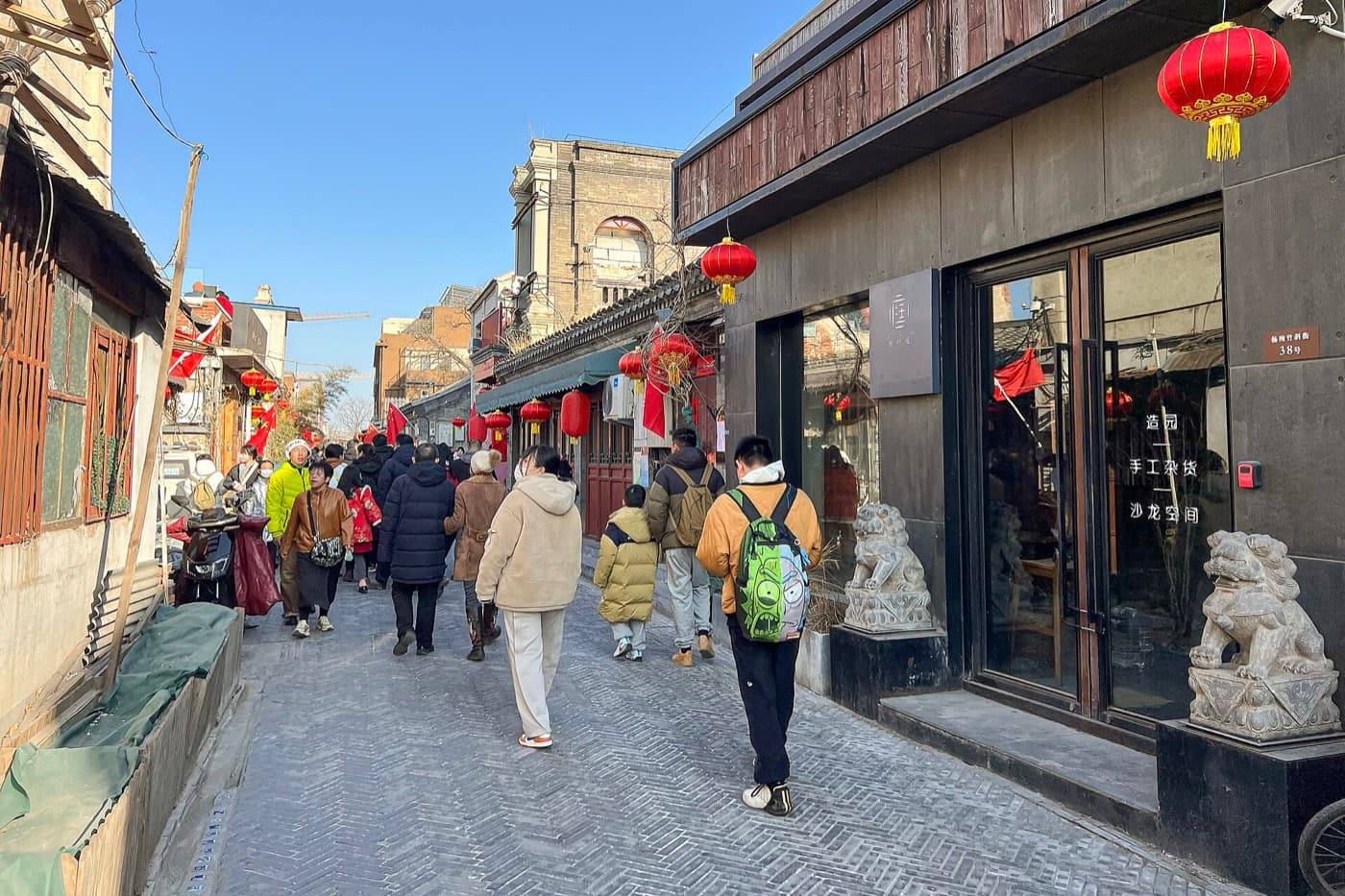
Xisi is useful for travelers who want hutongs that feel less like a single branded destination. It is better approached as a neighborhood texture: old lanes, temples, small museums, local shops, and the feeling of Beijing continuing away from the postcard zone.
If you are combining Xisi with museums, the Geological Museum of China nearby gives the area a strong rainy-day backup. This is a good choice for repeat visitors or anyone who prefers slower walks over one famous lane.
How to walk hutongs without being that tourist
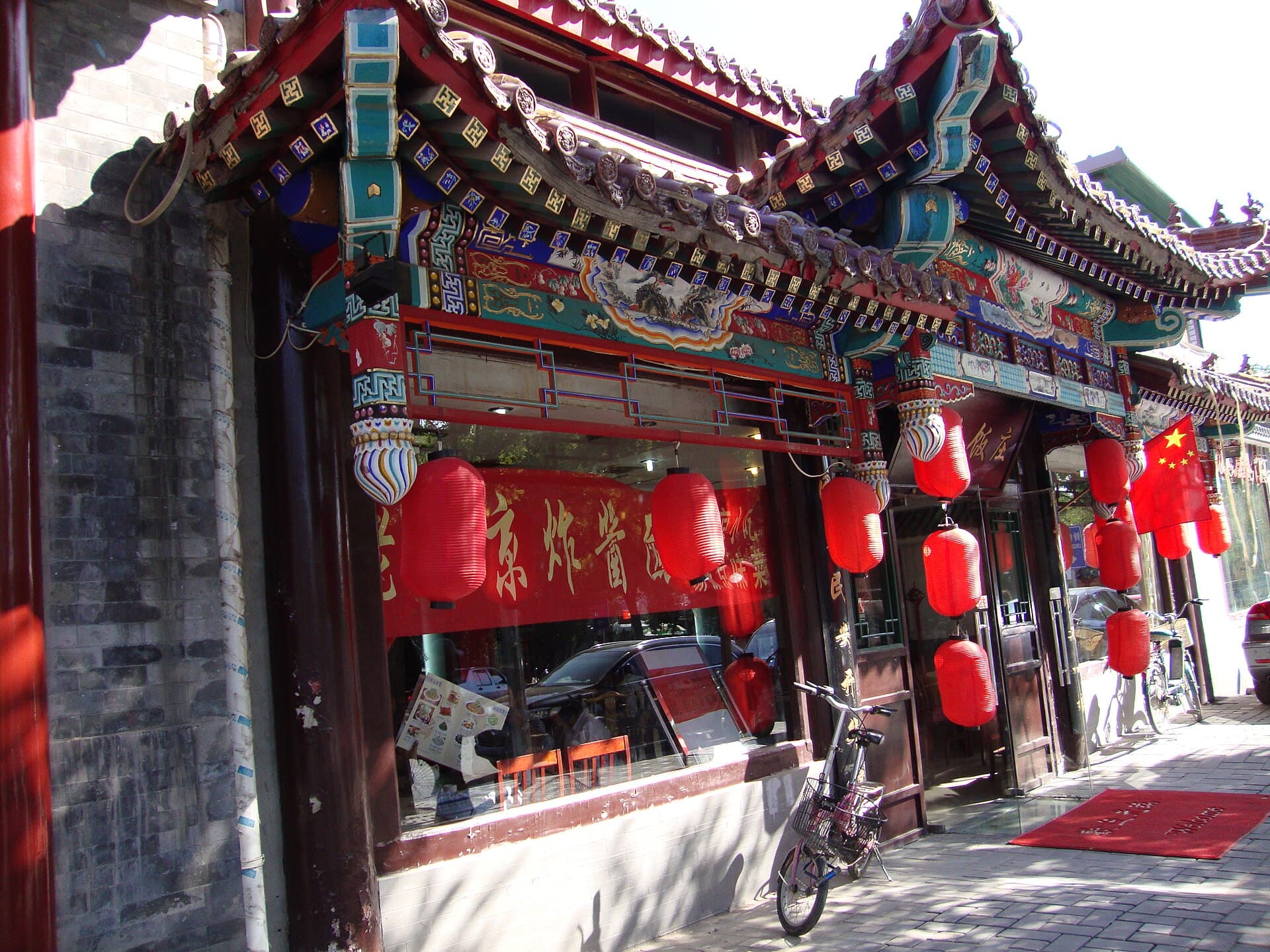
Remember that many hutongs are residential. Do not photograph people at close range without permission, do not peer aggressively into courtyards, and do not block doorways for photo shoots. A quiet, observant walk is more rewarding than trying to turn every lane into content.
Use Amap for navigation, but allow yourself to wander. The best hutong day is not about completing every named lane. It is about noticing how old Beijing handles daily life at human scale.