
Beijing / Food & Daily Life
Beyond Banquet Cliches: Beijing Fine Dining, Michelin Stars and Modern Chinese Craft
Beijing fine dining is more interesting than the old stereotype of banquet halls and formality. The city now has vegetarian temples of technique, Chaozhou seafood precision, Taizhou luxury, plant-based tasting menus, heritage ingredients, global wine service, and Michelin attention layered over a capital that still cares deeply about craft.
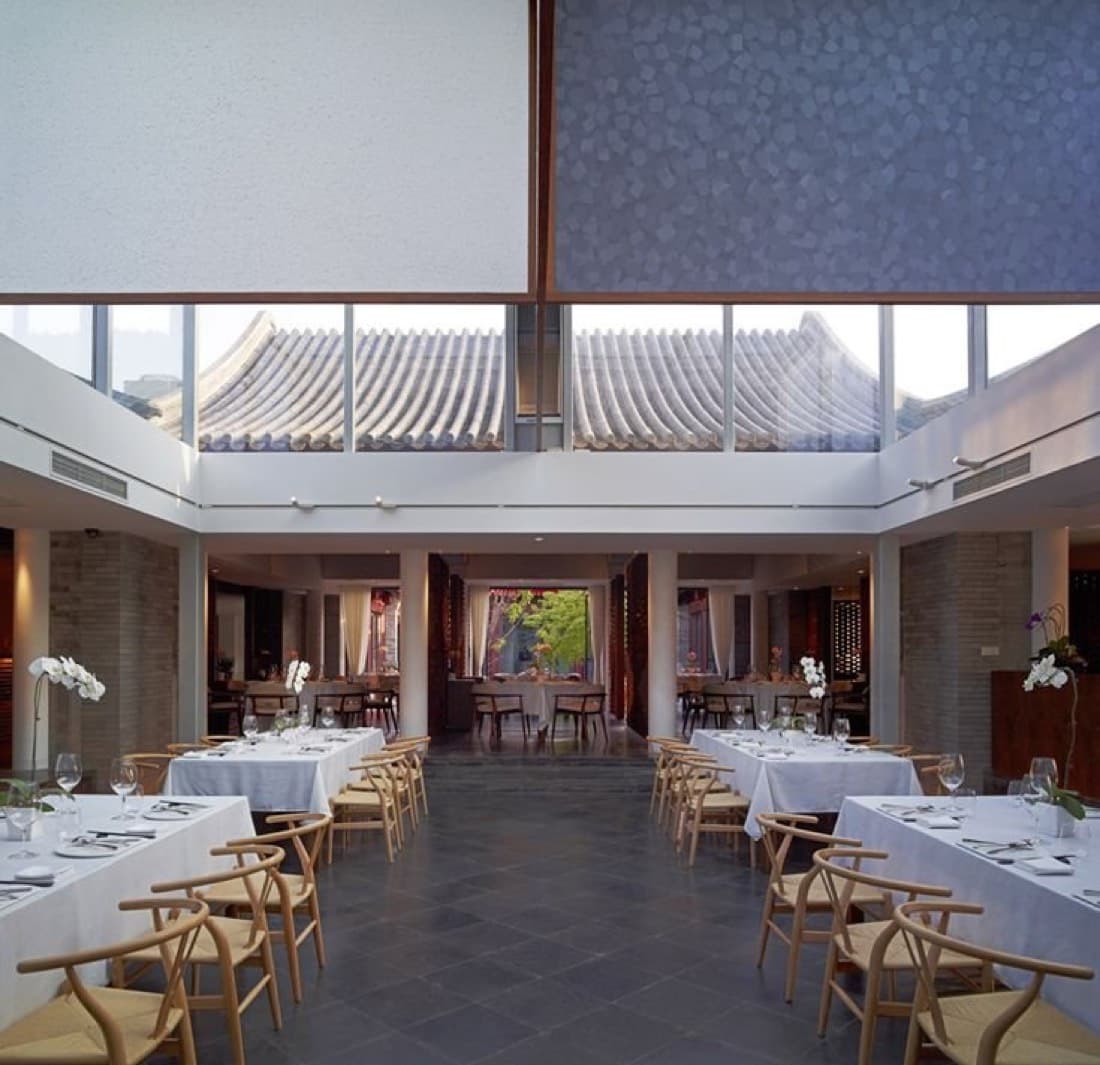
Why fine dining belongs in a Beijing guide
Many first-time visitors spend their food budget on Peking duck and hotpot, which makes sense. But Beijing's high-end restaurants tell another story: Chinese regional cuisines interpreted with extreme control, vegetarian menus treated seriously, service rituals built for modern diners, and chefs using old techniques without freezing them in nostalgia.
Michelin's Beijing 2026 release describes the city as a place where history meets innovation and says its gastronomy is shaped by ancient techniques, dedicated masters, and younger chefs reinterpreting heritage. That is the best frame for a visitor: fine dining here is not only luxury; it is a way to see Chinese technique under a brighter light.
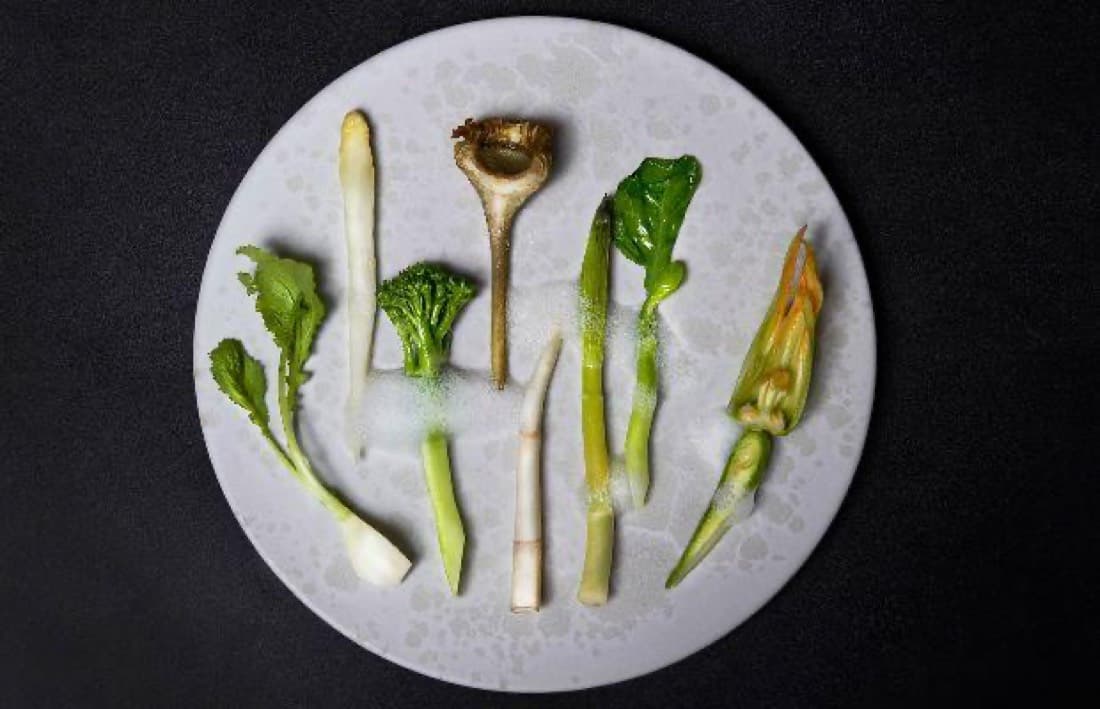
King's Joy and Lamdre: plant-based is serious here
Beijing is unusually strong for high-end vegetarian dining. King's Joy has long been the famous name near Yonghe Temple, combining temple-adjacent calm, tasting-menu service, and a polished view of plant-based Chinese cooking. Michelin 2026 says King's Joy remains in the Green Star community and retains two stars.
Lamdre is the newer headline for many fine-dining watchers. Michelin 2026 promoted Lamdre to two stars and describes chef Dai's plant-based approach as seasonal, with a famous tofu and Yunnan-mushroom signature. For Western visitors who think vegetarian Chinese food means side dishes, these two restaurants reset the category.
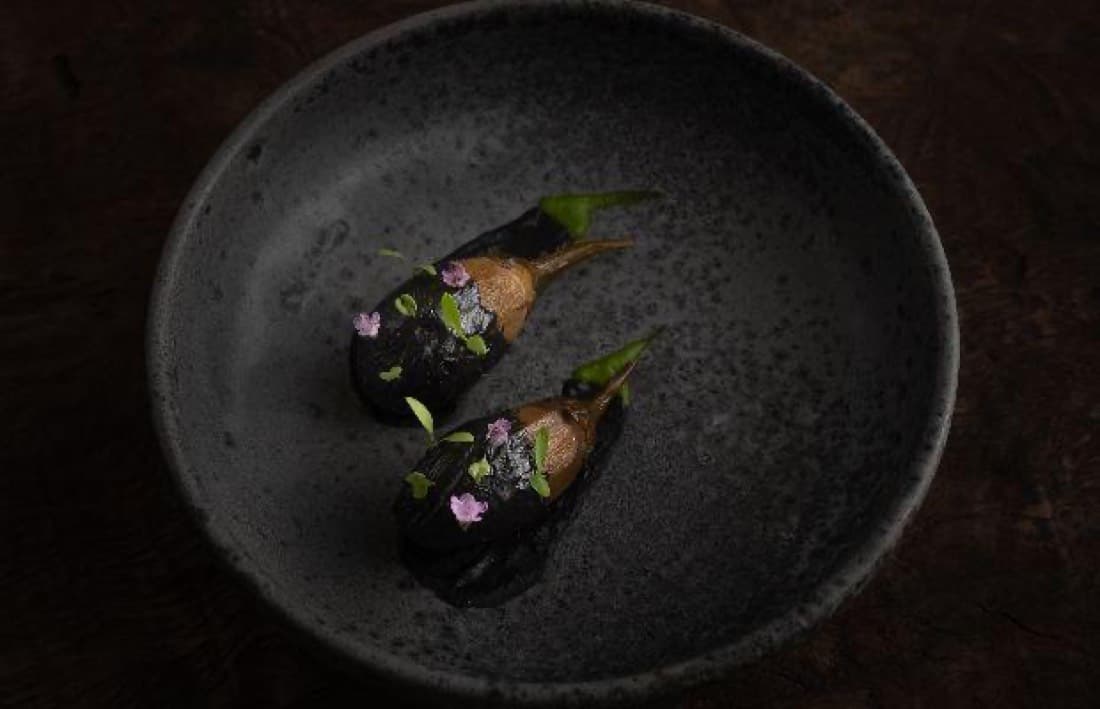
Chao Shang Chao: Chaozhou precision at the top
Chao Shang Chao (Chaoyang) is one of Beijing's three-star anchors in the 2026 Michelin guide. Chaozhou cuisine rewards delicacy, seafood handling, soups, braises, sauces, and tea culture more than obvious fireworks. For visitors used to Sichuan heat or Beijing duck, that restraint can feel like a different vocabulary.
This is the kind of meal where you should not over-order randomly. Ask for signature dishes, seasonal seafood, and tea pairing guidance if available. The pleasure is often in texture, temperature, broth clarity, and the confidence not to shout.
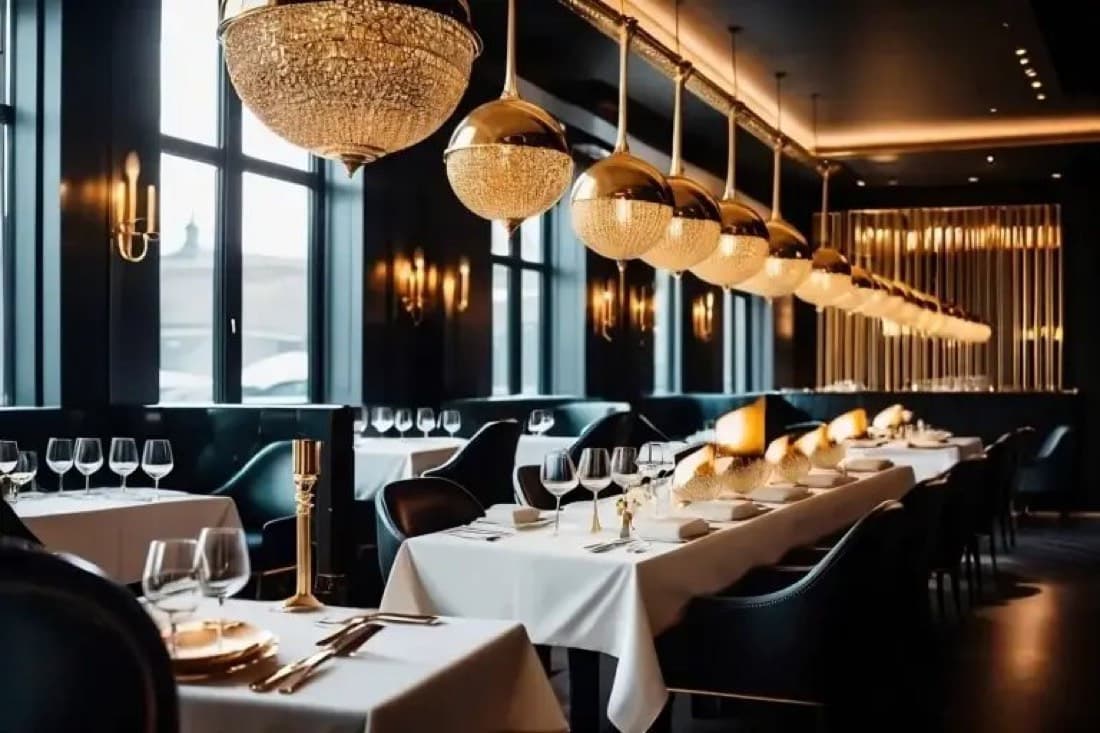
Xin Rong Ji: luxury through Taizhou seafood
Xin Rong Ji is another key Beijing fine-dining name, with Michelin 2026 naming Xin Rong Ji (Xinyuan South Road) among the city's three-star restaurants. Its roots are in Taizhou cuisine, where seafood, pristine sourcing, and deceptively simple cooking carry much of the appeal.
For travelers, Xin Rong Ji can be a good reminder that Chinese luxury is not always about ornament. Sometimes it is about ingredients, timing, and the ability to make a fish, crab, or vegetable taste inevitable. It is also a place where price can move quickly, so clarify market-price seafood before ordering.
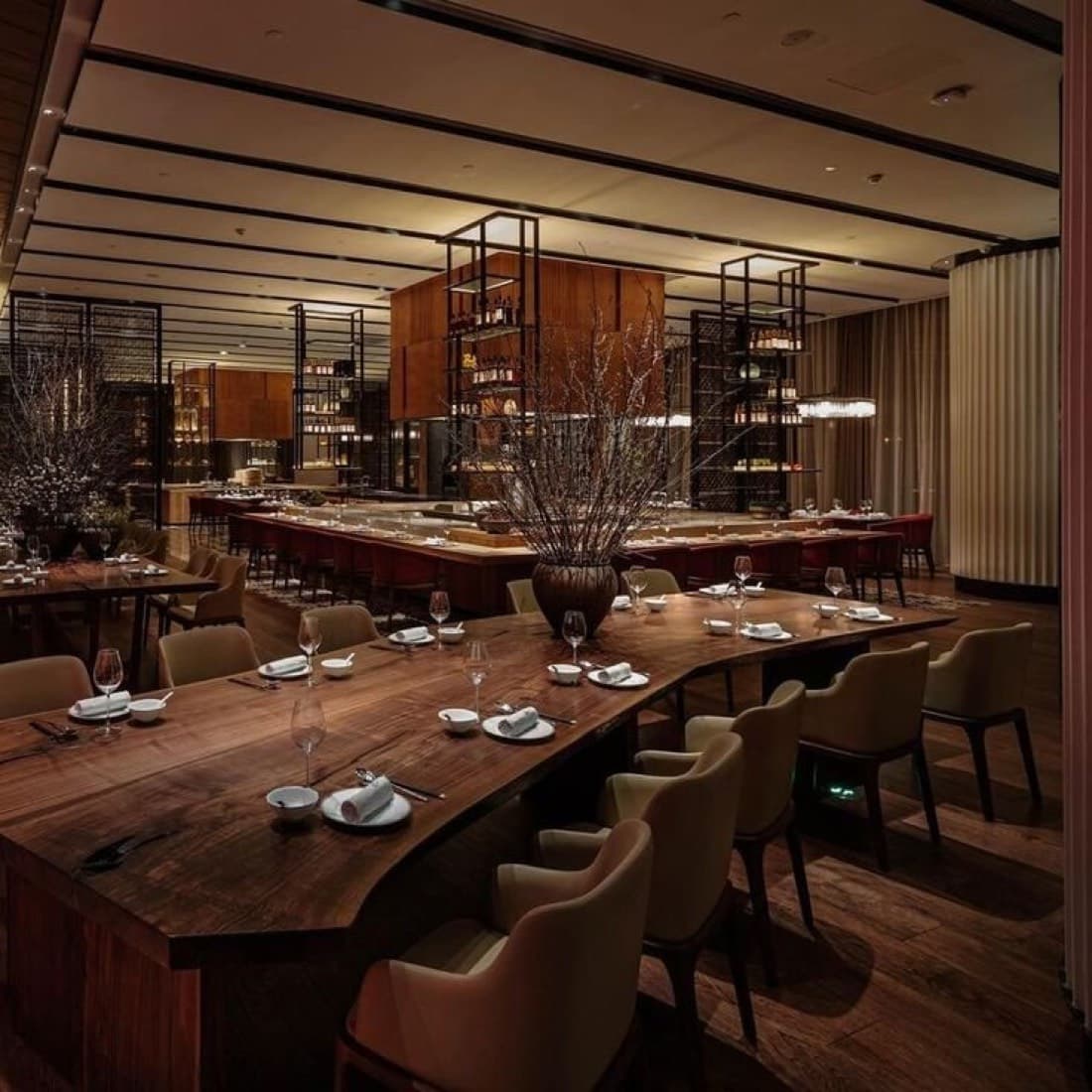
How to book without stress
Reserve early, especially for weekends, tasting menus, private rooms, and famous Michelin names. If the restaurant has an English booking channel, use it. If not, ask your hotel, a Chinese-speaking friend, or a concierge to call. Confirm the branch, time, number of diners, cancellation rules, and any set-menu requirements.
Dress neatly rather than theatrically. Beijing fine dining can be formal, but it is usually more about respect than fashion performance. Smart casual is a safe default unless the restaurant states otherwise. Bring your passport if a reservation platform asks for real-name details.
What to order if you only do one splurge meal
Choose by curiosity. If you want a Beijing-only memory, King's Joy or Lamdre makes sense because plant-based Chinese fine dining is still surprising to many Western travelers. If you want elite seafood and regional Chinese luxury, compare Chao Shang Chao and Xin Rong Ji. If you want classic hotel polish, look at other Michelin or Black Pearl names around your hotel area.
The best splurge meal should not replace local eating. Let it sit beside duck, noodles, Niujie snacks, shuanrou, and Guijie. That contrast is the point: Beijing can feed you from a plastic stool to a tasting menu without becoming the same city twice.