Beijing / Food & Daily Life
The Winter Table Beijing Loves: Copper-Pot Shuanrou, Hand-Cut Lamb and Sesame Sauce
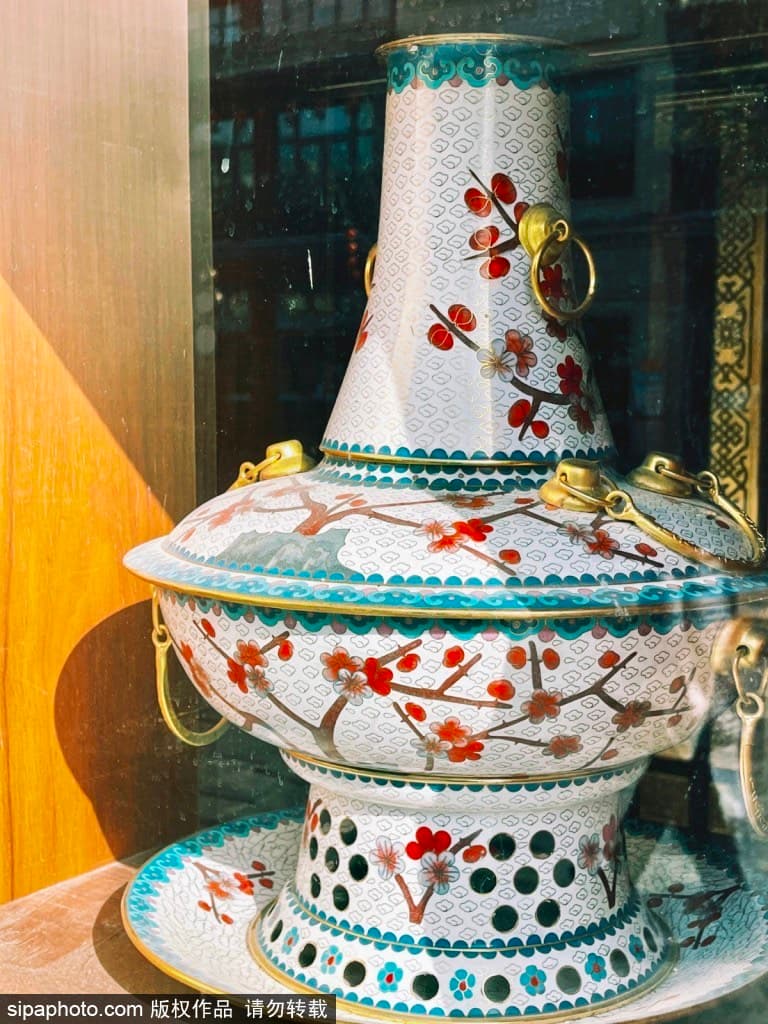
If Peking duck is Beijing's famous dinner, copper-pot shuanrou is its winter table. A charcoal-style copper pot steams in the middle, paper-thin lamb cooks in seconds, sesame sauce gets everywhere, and the whole meal feels warmer, louder, and more social than a normal restaurant stop.
What makes Beijing shuanrou different
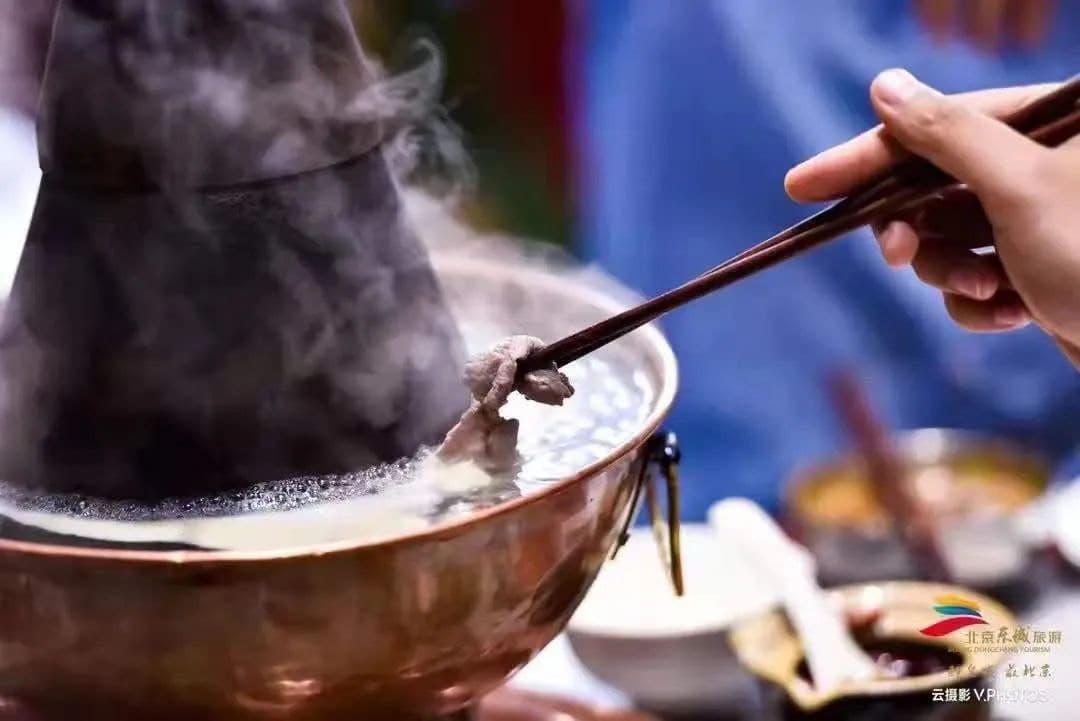
This is not Sichuan hotpot. Old Beijing shuanrou is usually about clear broth, a copper pot, lamb quality, quick timing, and sesame sauce rather than a spicy red broth. The point is to taste the meat and the sauce, not to numb your mouth.
Visit Beijing's copper-pot feature describes the winter appeal of lamb hotpot and notes that old Beijing copper-pot lamb is especially nostalgic for local residents. That nostalgia is exactly what makes the meal useful for visitors: it feels like a social ritual, not just a dish.
Hand-cut lamb is the main event
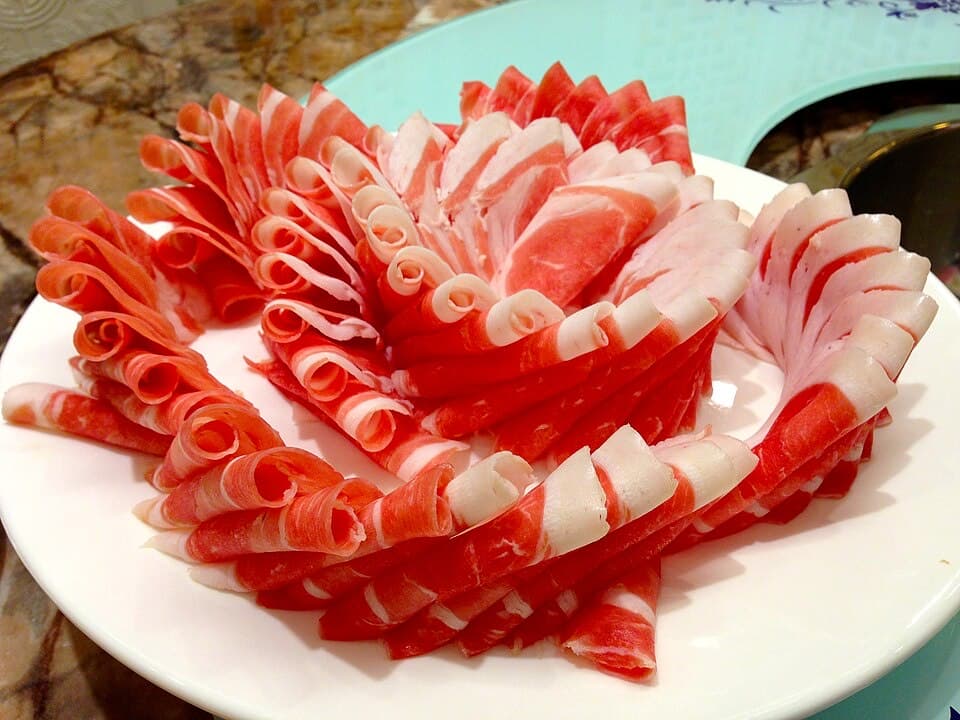
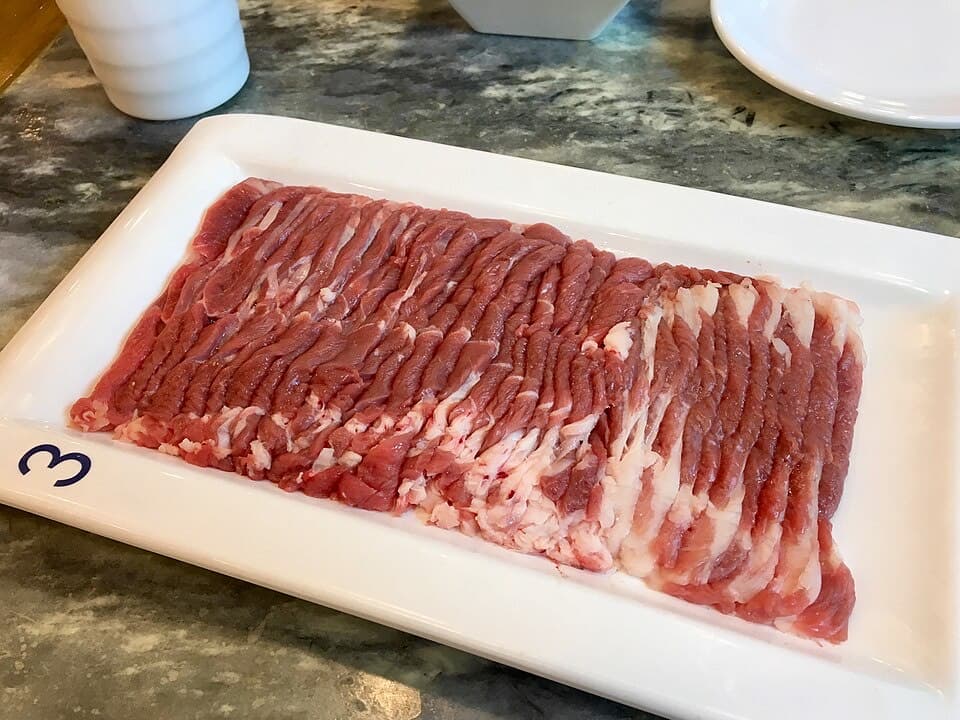
A good shuanrou meal starts with lamb. Hand-cut fresh lamb is prized because the slices have texture, shape, and enough structure to cook quickly without dissolving into nothing. The meat should go into the pot briefly, then out before it becomes gray and tough.
If you are new, watch the local tables around you. The movement is fast: dip, swish, lift, sauce, eat. Leaving lamb in the pot while you discuss the itinerary is the easiest way to ruin the bite.
Sesame sauce is where the Beijing flavor lives
The sauce is usually sesame-based and can include fermented bean curd, garlic chives, scallions, cilantro, chili oil, shrimp oil, or house variations depending on the restaurant. It is rich, salty, nutty, and much thicker than many Western visitors expect.
Do not drown every piece of lamb. Start with a light dip, then adjust. Add shaobing on the side and the meal becomes wonderfully repetitive: lamb, sauce, bread, vegetables, repeat until the room feels warmer.
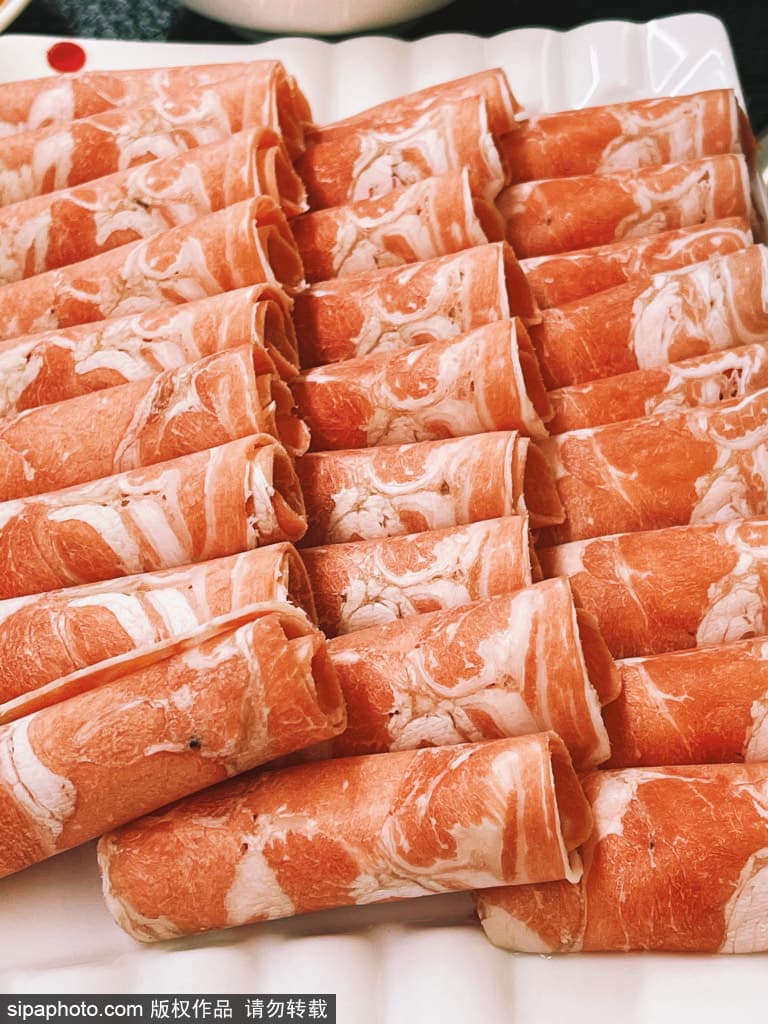
Nanmen Hotpot after Temple of Heaven
Nanmen Hotpot is a traveler-friendly idea because the main store is tied to the south gate of the Temple of Heaven. Reddit route advice suggests finishing the Temple of Heaven from north to south, then walking straight to Nanmen instead of backtracking across the park.
Official Visit Beijing coverage notes that Nanmen Hotpot was founded in 1994 and became known as South Gate Hotpot because of that location. This is one of the rare Beijing food plans where the sightseeing route and restaurant route naturally help each other.
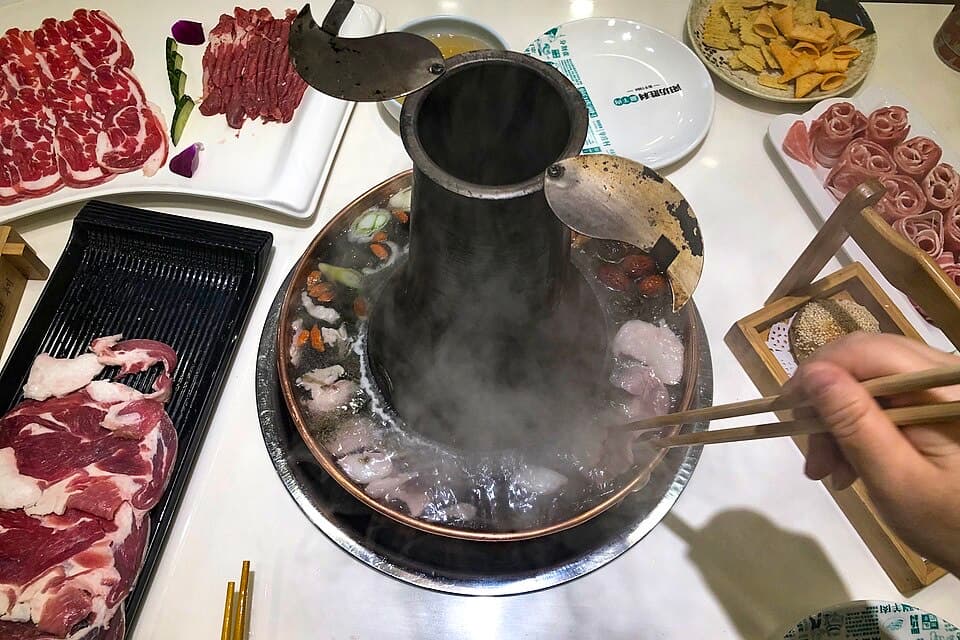
Jubaoyuan and Donglaishun: two classic directions
Jubaoyuan is the Niujie legend: halal, local-loved, lamb-focused, and often painfully crowded. It makes sense if you are already building a Niujie food day or if halal dining is important. The warning is the same every time: queues can eat your schedule.
Donglaishun is the old-brand direction. Visit Beijing notes that Donglaishun dates to 1914 and connects its lamb hotpot skills to intangible cultural heritage. It is useful for travelers who want restaurant history as well as dinner.
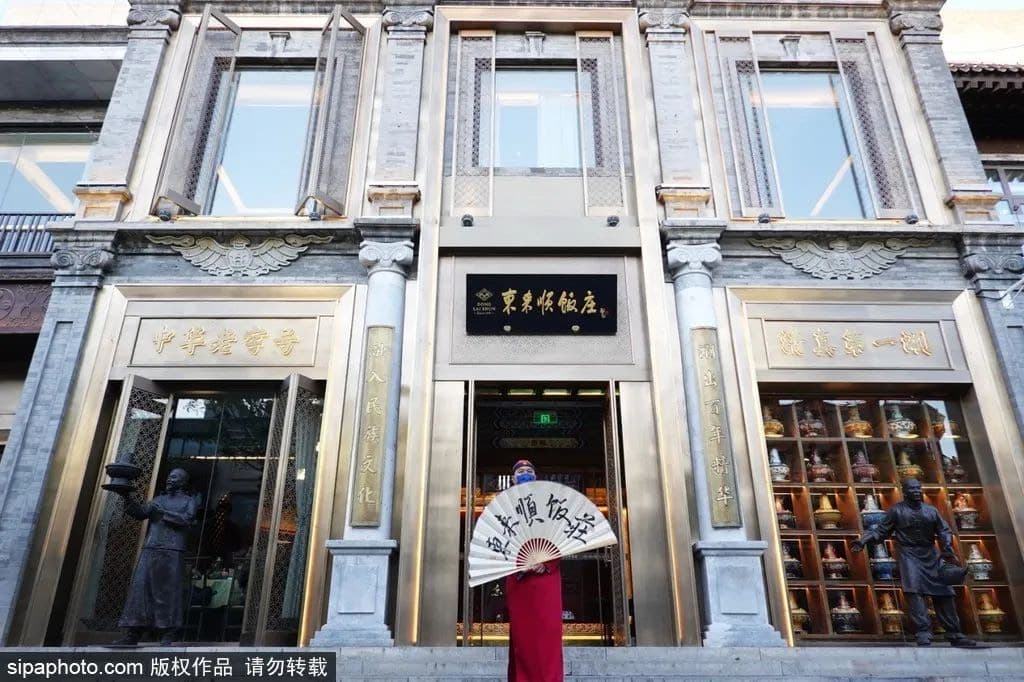
How to make the meal easy
Go early, avoid peak dinner, and bring a group if possible. Shuanrou is more fun when several people can share meat, vegetables, tofu skin, mushrooms, noodles, shaobing, and small cold dishes. Solo dining is possible, but the table rhythm is built for sharing.
Most restaurants accept mobile payment, but keep a small cash backup and make sure your map app has the branch pinned. Beijing has many similarly named hotpot restaurants, and choosing the wrong branch can turn a great meal into a cross-city mistake.