
How to Use Public Toilets and Squat Toilets in China
Public toilets in China are not one single experience. New malls, airports, museums, high-speed rail stations, and major attractions can be easy; older street, rural, roadside, or mountain toilets can be basic. A small kit and a calmer strategy remove most of the stress.
Difficulty
Easy
Time needed
5 minutes to prepare, then use as needed
Updated
May 15, 2026
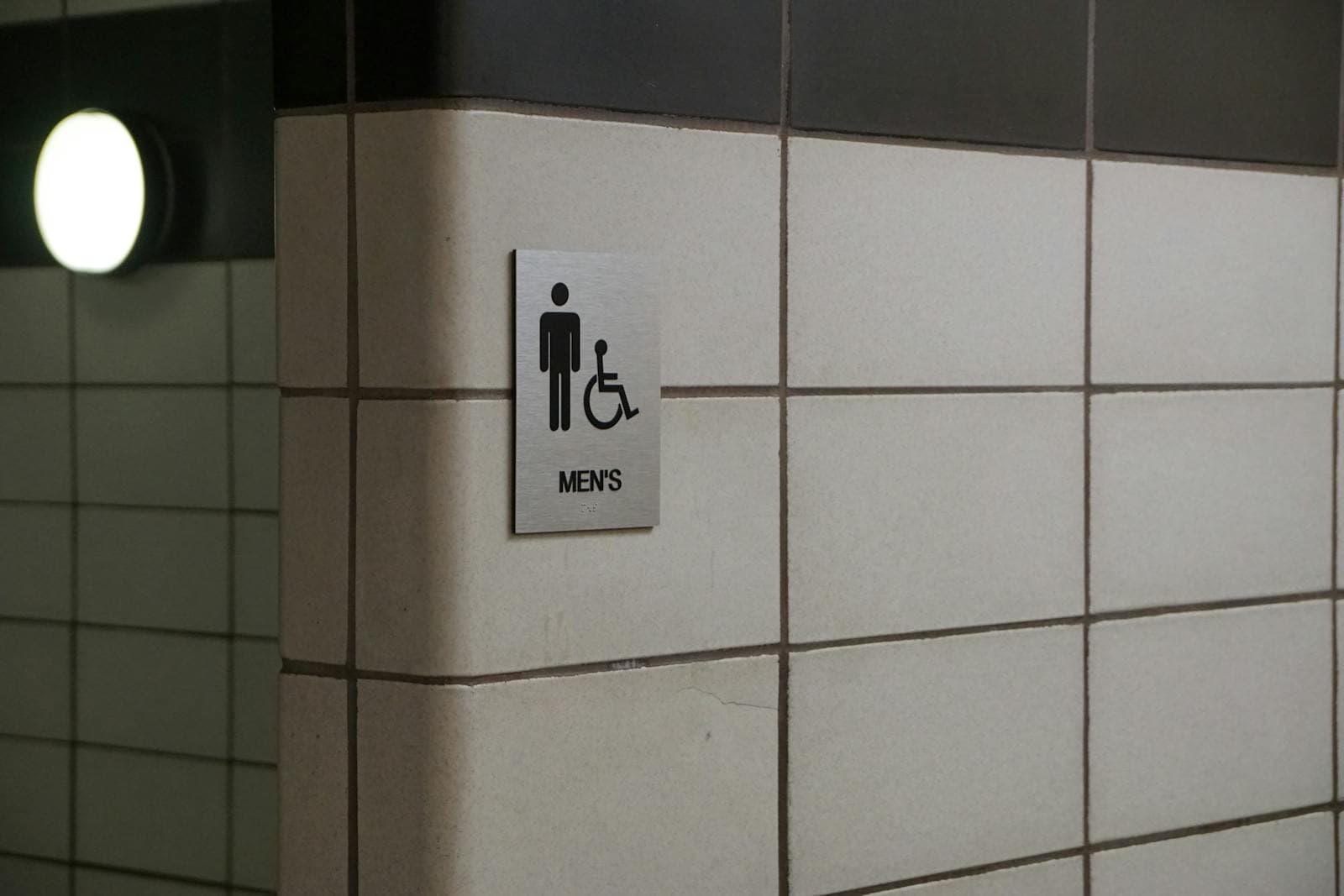
Start here
Quick answer
- Carry your own tissues/toilet paper and hand sanitizer every day in China. Many public toilets have no paper inside the stall, and sometimes the paper is outside the stalls near the sinks.
- For a better experience, look first in malls, hotels, airports, high-speed rail stations, museums, larger attractions, and newer public restrooms. Search Amap for 厕所, 公共厕所, 卫生间, or 洗手间.
- If you need to use a squat toilet, stand on the foot pads, face the raised front of the pan when there is one, keep clothes and bags clear, flush, follow paper-disposal signs, and sanitize after leaving.
Requirements
- Required: pocket tissues or toilet paper.
- Required: hand sanitizer or wet wipes.
- Recommended: translation/map app and battery.
- Recommended: small bag/pocket for your bathroom kit.
- Optional: mask, spare tissue pack, and a few small notes/coins for rare paid toilets or paper vending.
Visual manual
Step-by-step guide
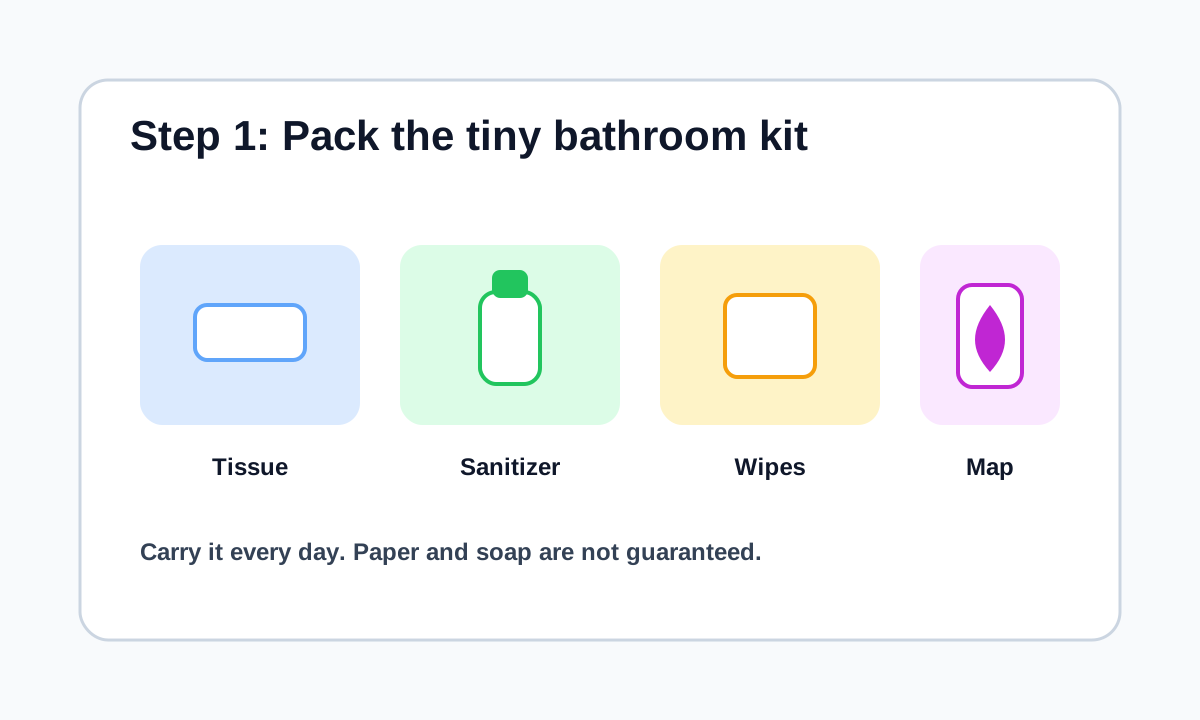
Pack a tiny bathroom kit
Before leaving the hotel, put tissues, sanitizer or wet wipes, and a small backup tissue pack in an easy pocket. Do this even in major cities. User reports are consistent: toilet paper and soap are not guaranteed, especially in older public toilets, parks, roadside stops, and mountain areas.
Do not wait until you urgently need a toilet to buy paper.
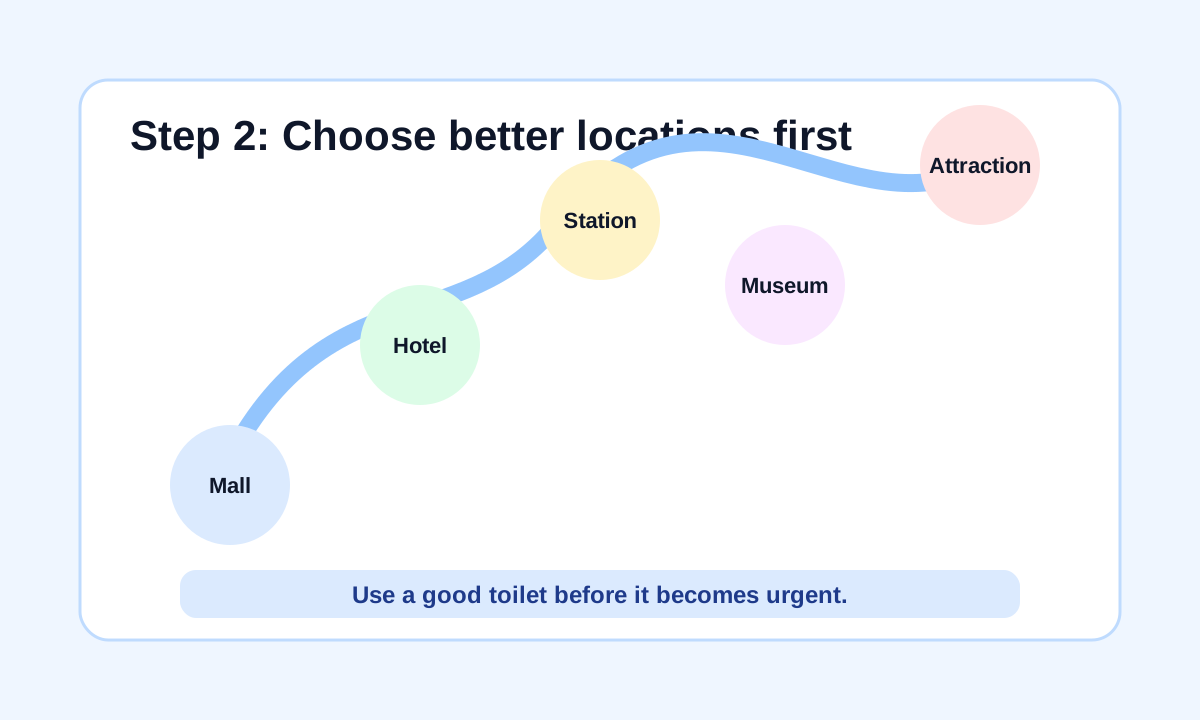
Choose better locations first
If you have time, choose a cleaner-probability location: shopping mall, large hotel lobby, museum, airport, high-speed rail station, newer metro station, major attraction, or larger chain restaurant. Government and tourism sources describe years of toilet upgrades at tourist sites, but quality still varies widely by city, location, and maintenance.
Older hutong toilets, roadside stops, rural areas, and mountain toilets can be much more basic.
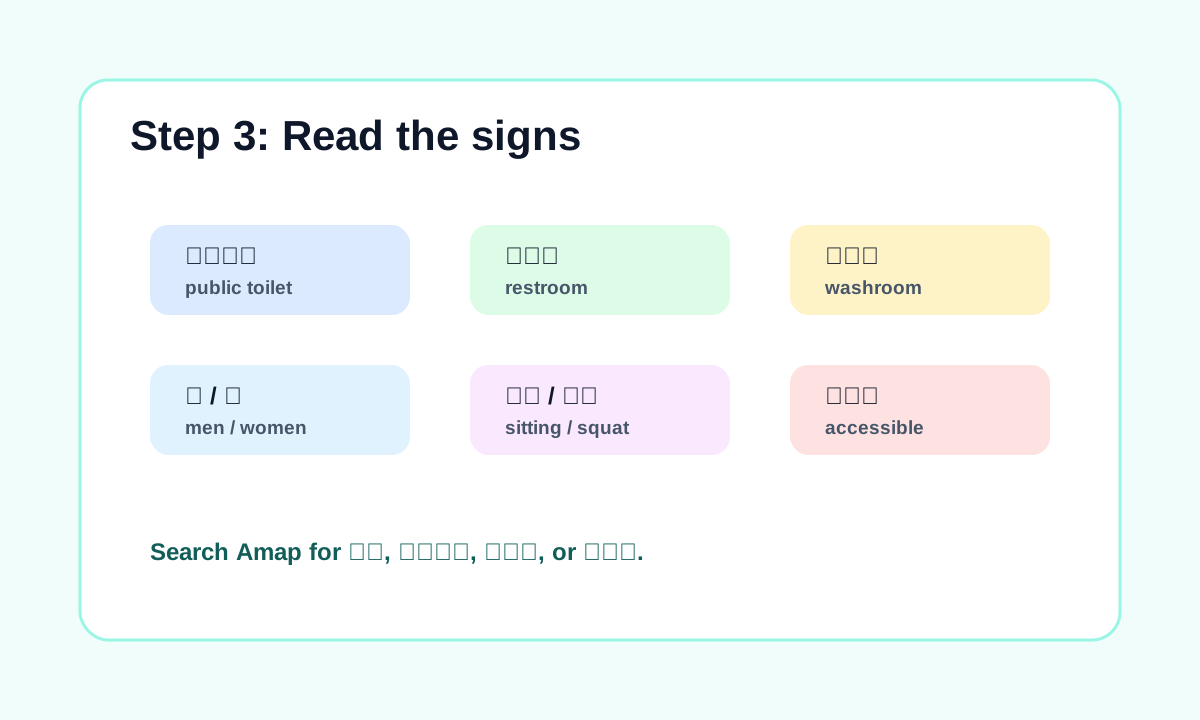
Read the restroom signs
Useful words: 公共厕所 public toilet, 卫生间 restroom, 洗手间 washroom, 厕所 toilet, 男 men, 女 women, 坐便 sitting toilet, 蹲便 squat toilet, 无障碍 accessible. If you cannot read the sign, use your translation app camera or follow standard restroom icons.
Some locations mark stall doors with squat or sitting icons.
Check paper and choose the safest stall
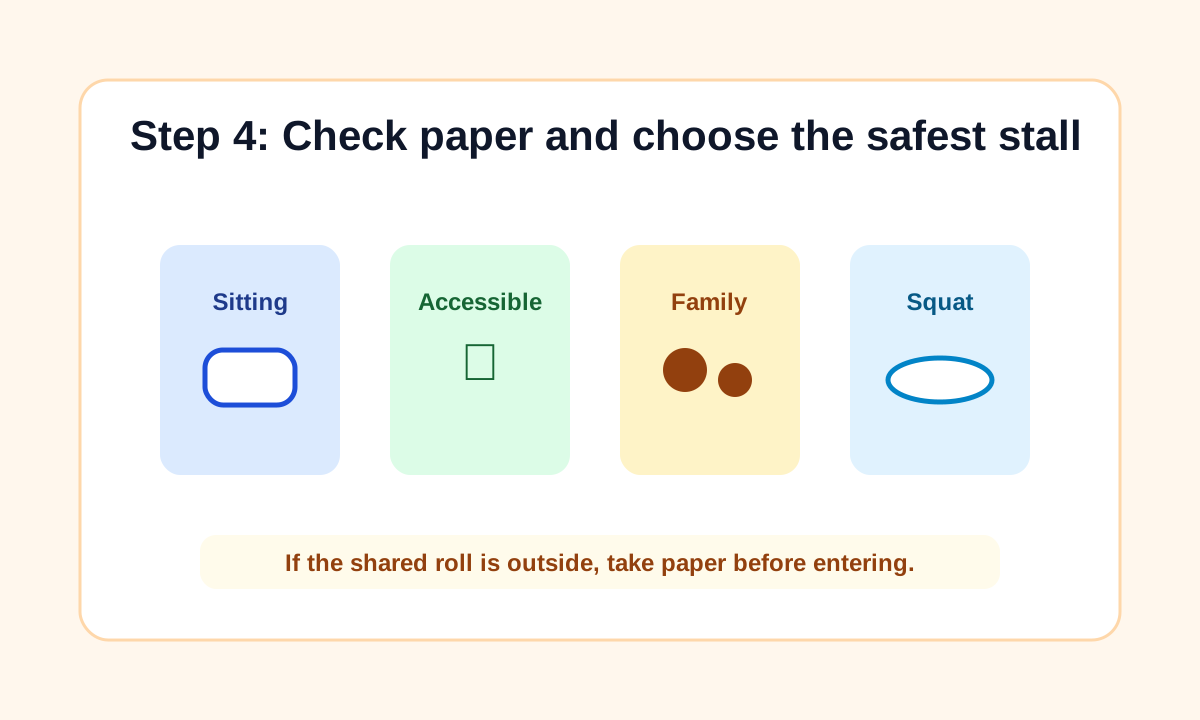
Before entering, look near the sinks or entrance for toilet paper. Some toilets keep one shared roll outside the stalls. Choose a western toilet, accessible stall, or family toilet if you cannot squat safely. If only squat stalls are available, choose the cleanest dry stall with a working lock and a place to keep your bag off the floor.
Accessible toilets are for people who need them; use respectfully and do not block access.
Use a squat toilet calmly
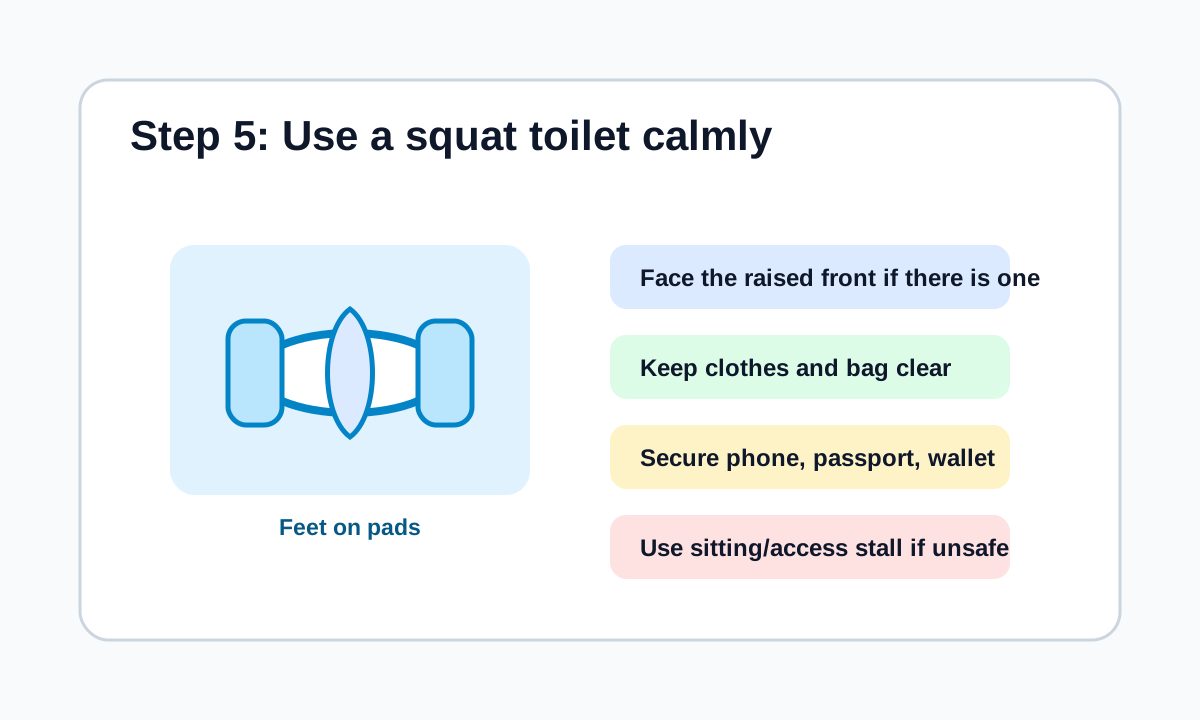
Place your feet on the textured foot pads. Face the raised front of the pan if there is one, or follow the shape of the drain opening. Keep your phone, passport, and bag secure. Move loose clothing forward and clear of the floor. Squat with heels as stable as possible; hold a wall or rail only if it is clean and safe.
If you have knee, balance, pregnancy, injury, or mobility concerns, look for a sitting or accessible toilet instead.
Flush, follow paper signs, and sanitize
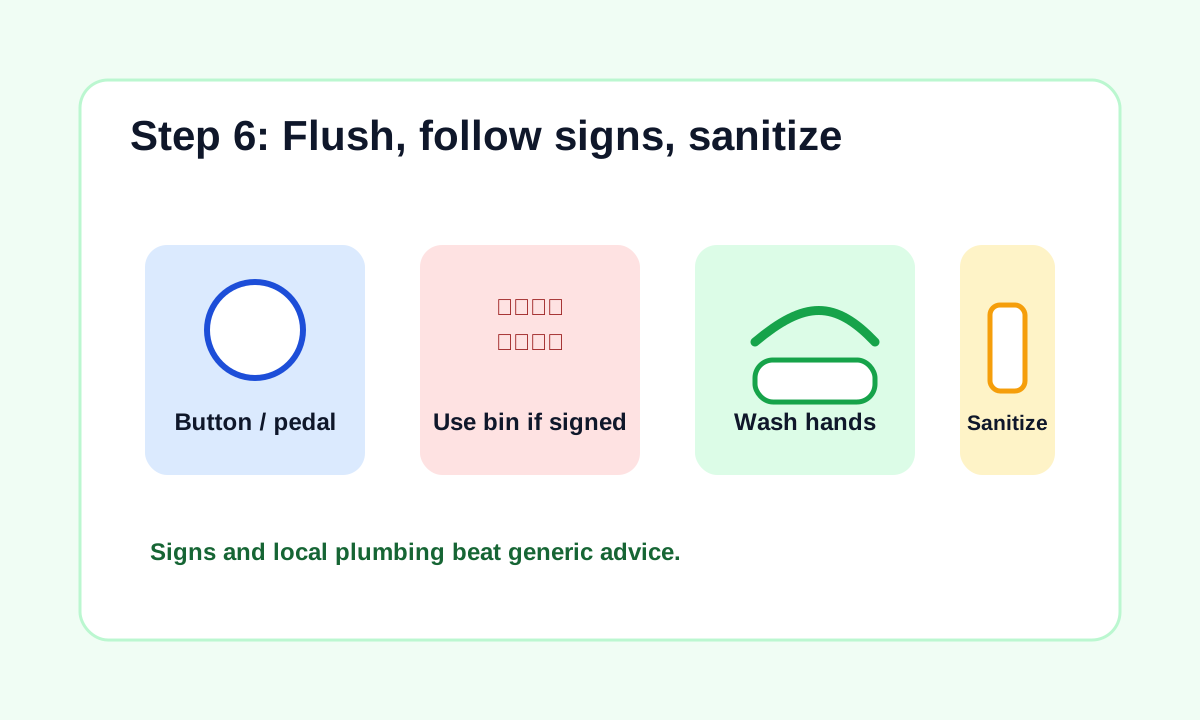
Flush systems vary: lever, button, foot pedal, sensor, or bucket. Follow signs about paper disposal. If a sign says 请勿将纸投入便池 or shows a no-paper icon, use the bin. Wash hands if soap is available and sanitize after leaving, especially if the sink or soap situation is poor.
A small amount of paper may flush in some newer toilets, but signage and local plumbing should lead.
Switch locations if it is not workable
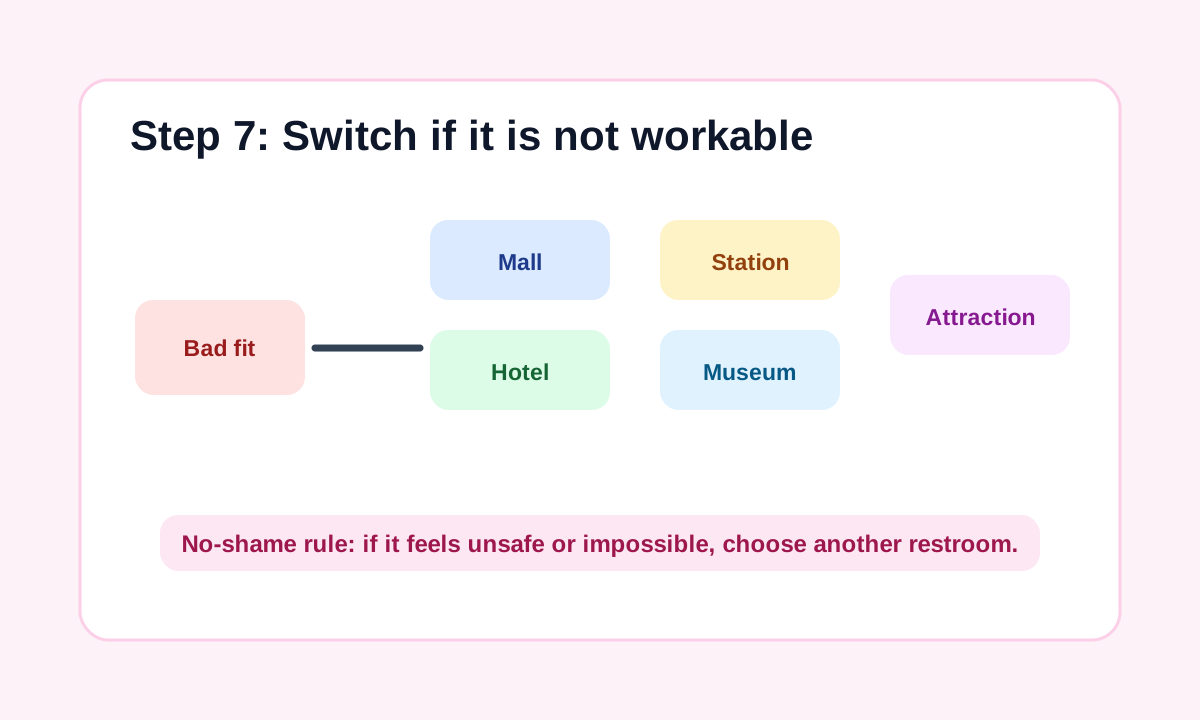
If the toilet is too dirty, lacks privacy, has no safe stall, or is physically hard for you, leave and choose a better fallback. Malls, hotels, large stations, museums, and modern attractions are usually the best next move. Restaurant toilets can be inconsistent; public toilets may be better or worse depending on location.
No-shame rule: if it feels unsafe or impossible, switch.
Troubleshooting
Common problems and fixes
- No toilet paper: use your own tissue; check near sinks next time before entering the stall.
- No soap: use sanitizer or wipes after leaving.
- Only squat toilets: use the cleanest stall, keep clothes clear, and look for an accessible/sitting toilet if you cannot squat safely.
- Wet floor: do not put bags, phone, passport, or long clothing on the floor.
- Privacy feels limited: use malls, hotels, museums, stations, or newer facilities when possible.
- You are travelling with children: look for family toilets, accessible stalls, malls, or major transport hubs.
Important warnings
- Do not climb or stand on a western sitting toilet to squat; this can break the toilet or injure you.
- Do not flush paper where signs clearly tell users not to.
- Do not place phones, passports, wallets, or bags on wet floors.
- If you have mobility or balance limitations, do not force a squat toilet; find a sitting or accessible toilet.
- Conditions vary sharply by city, tourist area, road stop, mountain route, and maintenance schedule.
Best route and backup plan
Recommended route
- Carry tissue and sanitizer every day.
- Use mall/hotel/station/museum/major-attraction toilets when possible.
- Check paper before entering the stall.
- Use squat toilets only when safe for your body; switch to accessible/sitting options when needed.
Backup options
- Use a shopping mall, hotel lobby, large museum, airport, high-speed rail station, or newer attraction restroom.
- Ask staff: Where is the restroom? 洗手间在哪里?
- Look for accessible/family toilets if you cannot squat safely.
- Use your own tissue and sanitizer when supplies are missing.
Other ways to pay
- Shopping malls and department stores.
- Hotel lobbies, especially larger or international hotels.
- Airports, high-speed rail stations, and larger metro stations.
- Museums, major scenic spots, and visitor centers.
- Accessible or family toilets when you genuinely need them.
FAQ
Do public toilets in China have toilet paper?
Sometimes, but do not rely on it. Many user reports say paper may be missing, poor quality, or placed outside the stalls near the sinks. Carry your own.
Are squat toilets the only option in China?
No. Many malls, hotels, airports, stations, museums, and major attractions have sitting toilets or accessible stalls, but squat toilets are still common in public facilities.
How do I ask where the toilet is?
Say or show: 洗手间在哪里? (Where is the restroom?) You can also search 公共厕所, 厕所, 卫生间, or 洗手间 in Amap.
Can I flush toilet paper in China?
Follow the sign. If the stall says 请勿将纸投入便池 or shows a no-paper icon, put paper in the bin. Newer facilities may handle paper better, but signs and local plumbing matter.
What should I do if I cannot squat?
Look for sitting-toilet icons, accessible toilets, family toilets, malls, hotels, stations, museums, or large attractions. Do not force it if you have knee, balance, pregnancy, injury, or mobility concerns.
Are China public toilets private?
Most urban and tourist facilities have stalls and doors, but older hutong, rural, roadside, or mountain facilities can be more basic. User reports vary a lot by location.
Are public toilets free?
Many are free, especially urban and tourist-site toilets, but very old or special facilities may charge a small fee or sell paper separately. Keep mobile payment and a small cash backup.
What is the best public toilet strategy for tourists?
Use the restroom whenever you are already in a good location: hotel, mall, museum, airport, high-speed rail station, major attraction, or large restaurant. Do not wait until it is urgent.
Keep going
Related practical guides
How to Board High-Speed Trains in China
A station walkthrough for foreigners after buying China high-speed train tickets: arrival time, passport entry, security, gates, platforms, seats, luggage, toilets, and transfers.

How to Use the Metro in China
Ride Chinese metros with Alipay Transport, local metro apps, ticket machines, security checks, transfers, and the correct exit.

First 72 Hours in China: Practical Setup Checklist
A focused checklist for payments, phone access, transport, hotel basics, food, and emergency backups.