Suzhou / Local Culture
Suzhou Is Not a Theme Park: How 2,500 Years of Wu Culture Still Shape the Old City
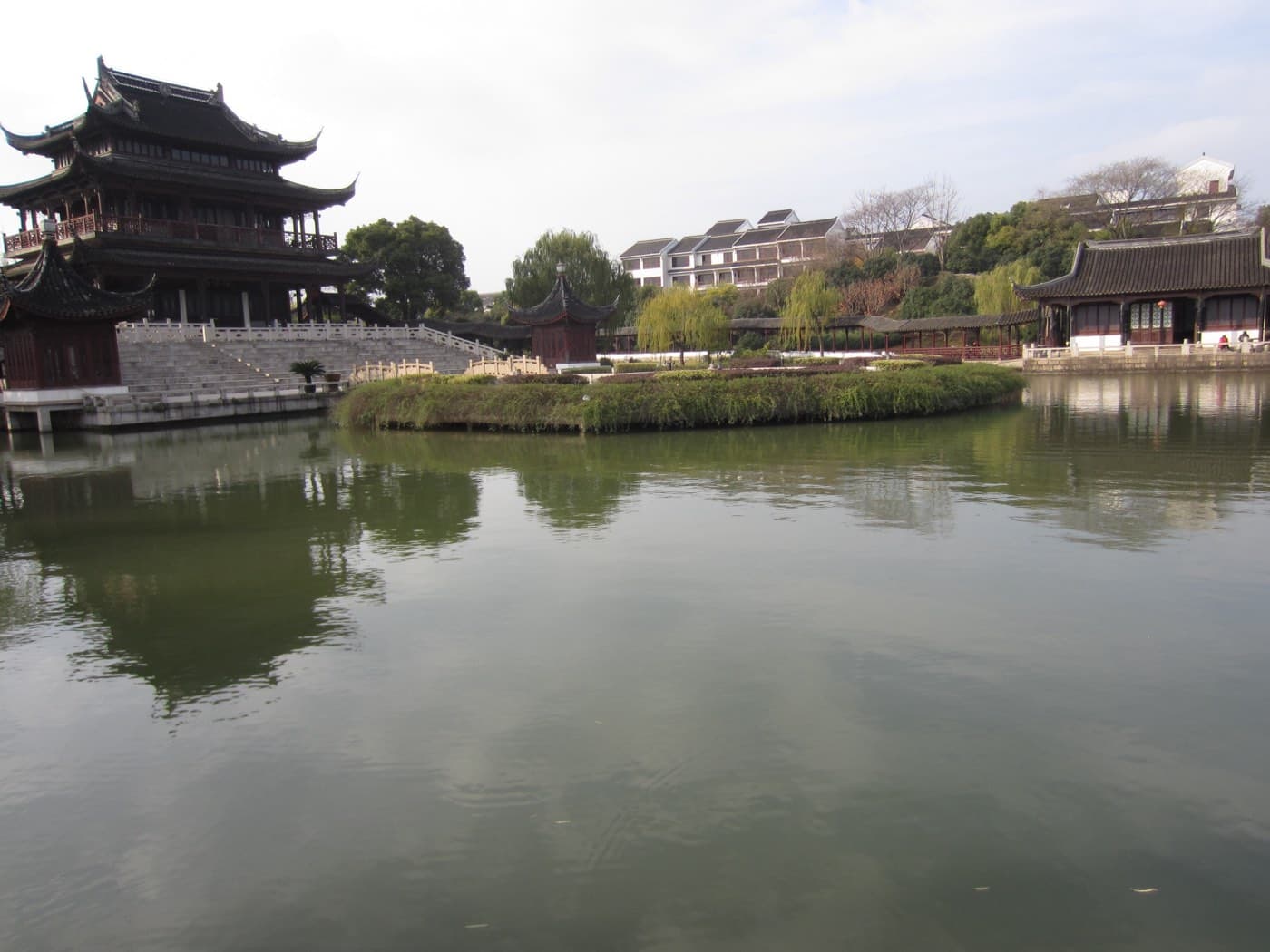
Suzhou can look almost too pretty at first glance: canals, bridges, gardens, white walls, black tiles. But the city becomes much more interesting when you stop treating it as a collection of scenic spots and start reading it as an old urban organism. This is a city whose core still sits on the same site chosen in the Spring and Autumn period, with Wu culture, river-street patterns, markets, music, and daily life still folded into the old town.
Start with Wu, not with a ticket list
Suzhou's official history page traces the city's beginning to 514 BC, when He Lv, king of the Wu State, had the city built on the same site where the historic core still sits. That is the first key: Suzhou is not a reconstructed nostalgia zone sitting outside the real city. The old city and the living city overlap.
The name Gusu still carries that older mood. For travelers, it means the point is not only to visit Humble Administrator's Garden or Suzhou Museum. The richer experience is to understand why water, walls, lanes, markets, opera, gardens, and scholar culture all belong to the same urban story.
The 2,500-year city site still matters
Many famous historic cities have shifted, rebuilt, or turned their old core into a museum district. Suzhou's official material emphasizes something more unusual: the city is located on the same site as in the Spring and Autumn period, and the layout has been preserved across centuries.
That continuity changes how you walk. A bridge is not just a nice photo. A canal is not just scenery. A narrow lane is not only atmosphere. Together, they are part of a durable urban system that has carried trade, transport, domestic life, temples, gardens, and entertainment for generations.
River-street parallel: the trick to reading Suzhou
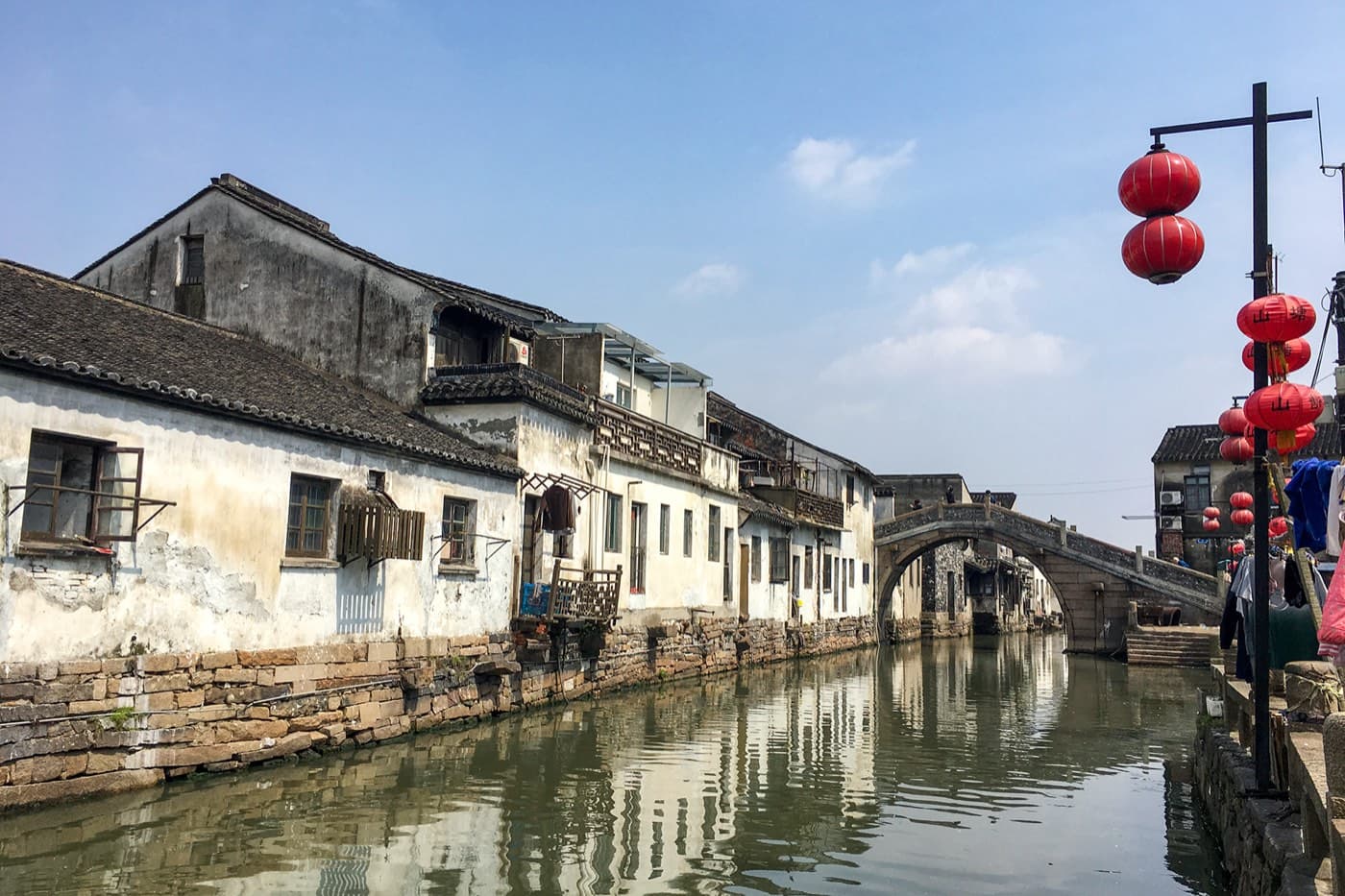
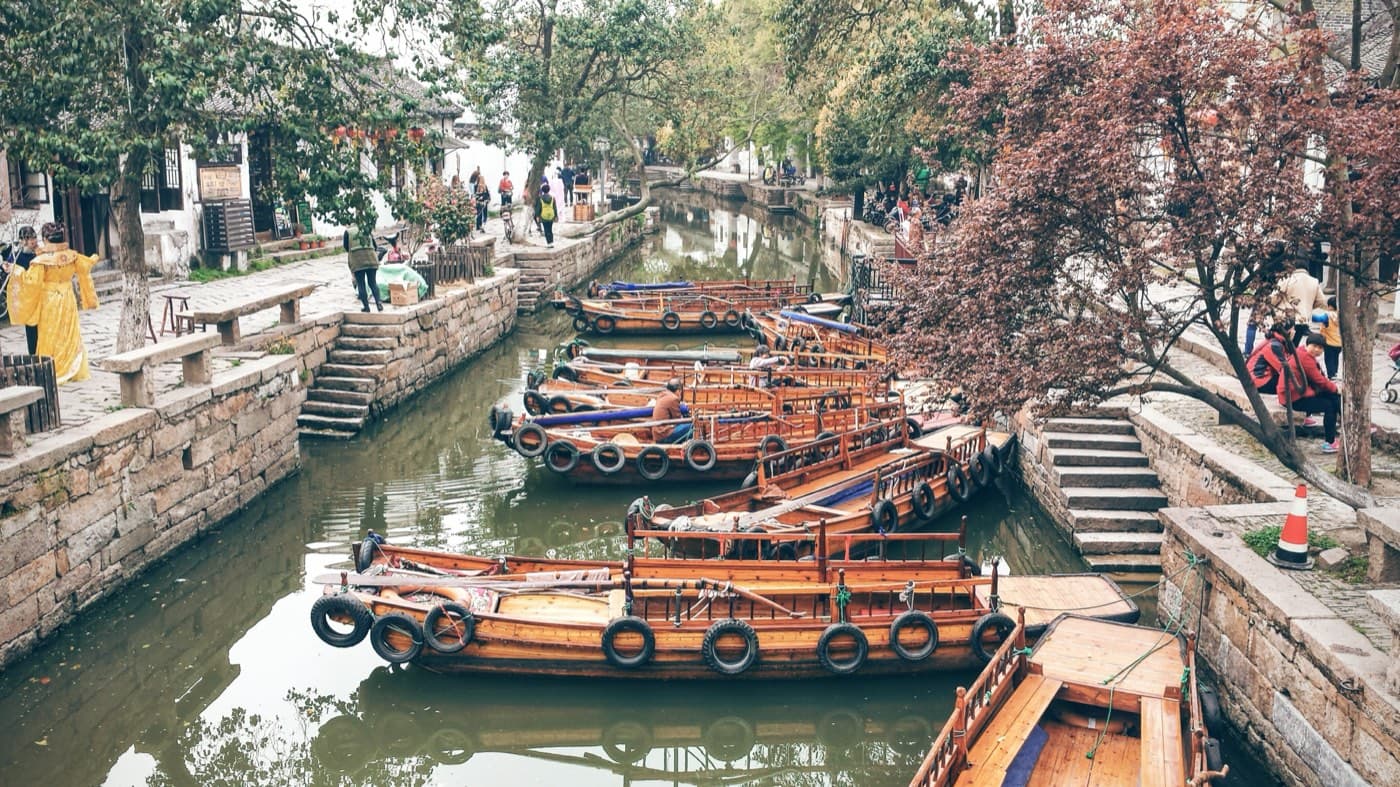
Suzhou's official history page describes streets and buildings built along both sides of rivers, creating a layout that looks like a double chessboard. This is the idea that unlocks the old town for visitors: movement by water and movement by street run together.
Once you notice this, Pingjiang Road becomes more than a famous walking street. It is a readable piece of urban design: canal, stone bridges, lane mouths, shopfronts, residences, boats, and pedestrians all sharing one long line.
The old town is still lived in
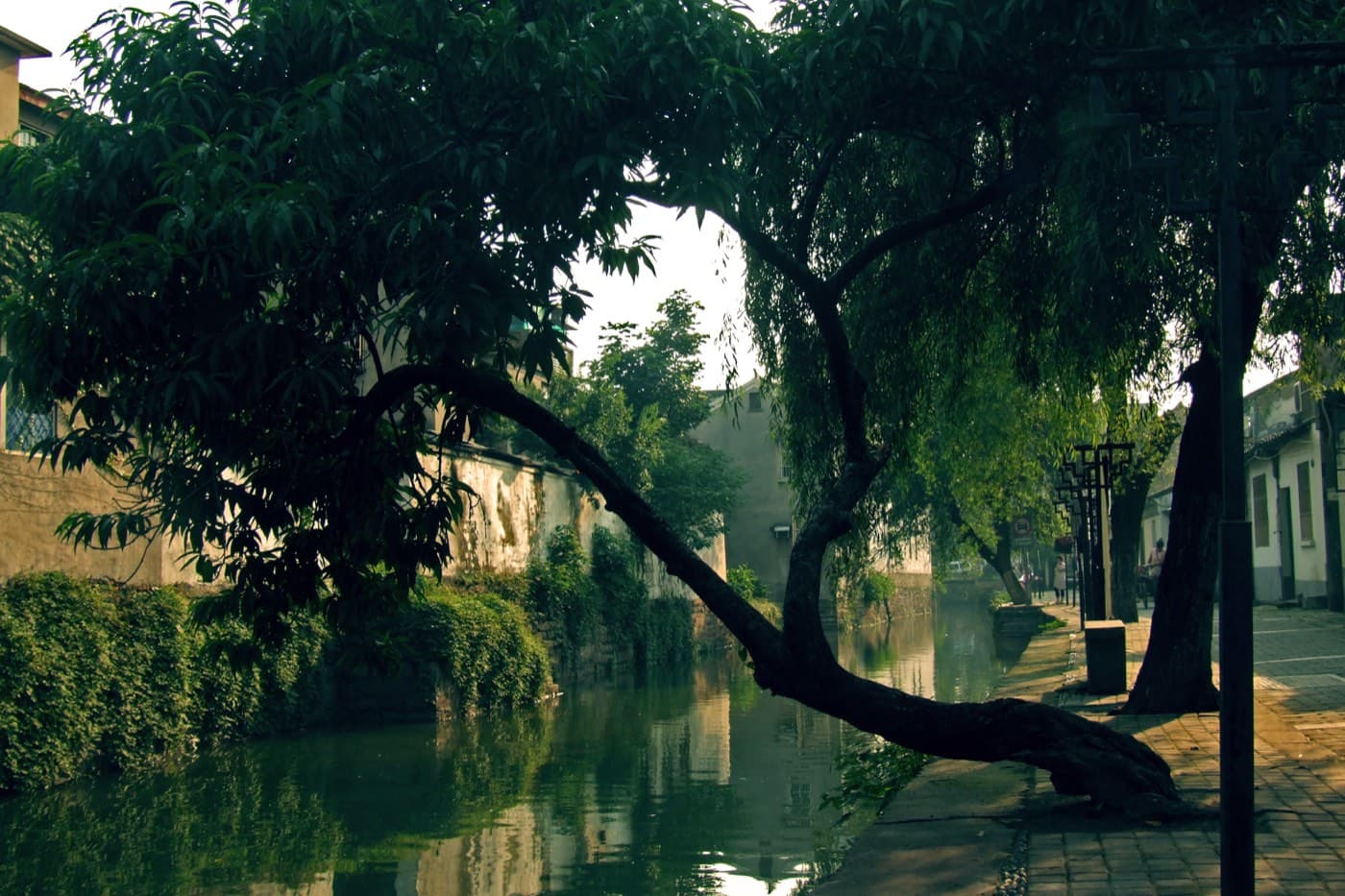
The official Suzhou Old Town page calls it the first and only National Cultural and Historical Protection Area, with low-rise buildings and thousand-year cultural inheritance still active in local life. That phrase matters: the old town is not only preserved as architecture; it is preserved as rhythm.
Morning markets, tea houses, Pingtan storytelling, alleys, old theaters, shops, and evening boats are all part of the same ecosystem. If you only enter ticketed sights, you miss the living layer.
Markets, Pingtan, and old-town sound
Suzhou's official old-town guide points visitors toward local markets such as Shuangta Market and Fengmen Cross Street, and toward tea houses where Pingtan, a Suzhou storytelling and ballad tradition, still gives the city its sound.
For Western travelers, this is where Suzhou gets interesting beyond visual beauty. Try a market in the morning, a garden before lunch, a lane walk in the afternoon, and a tea-house or canal evening. The city becomes less like a postcard and more like a place with habits.
How to walk the old city without flattening it
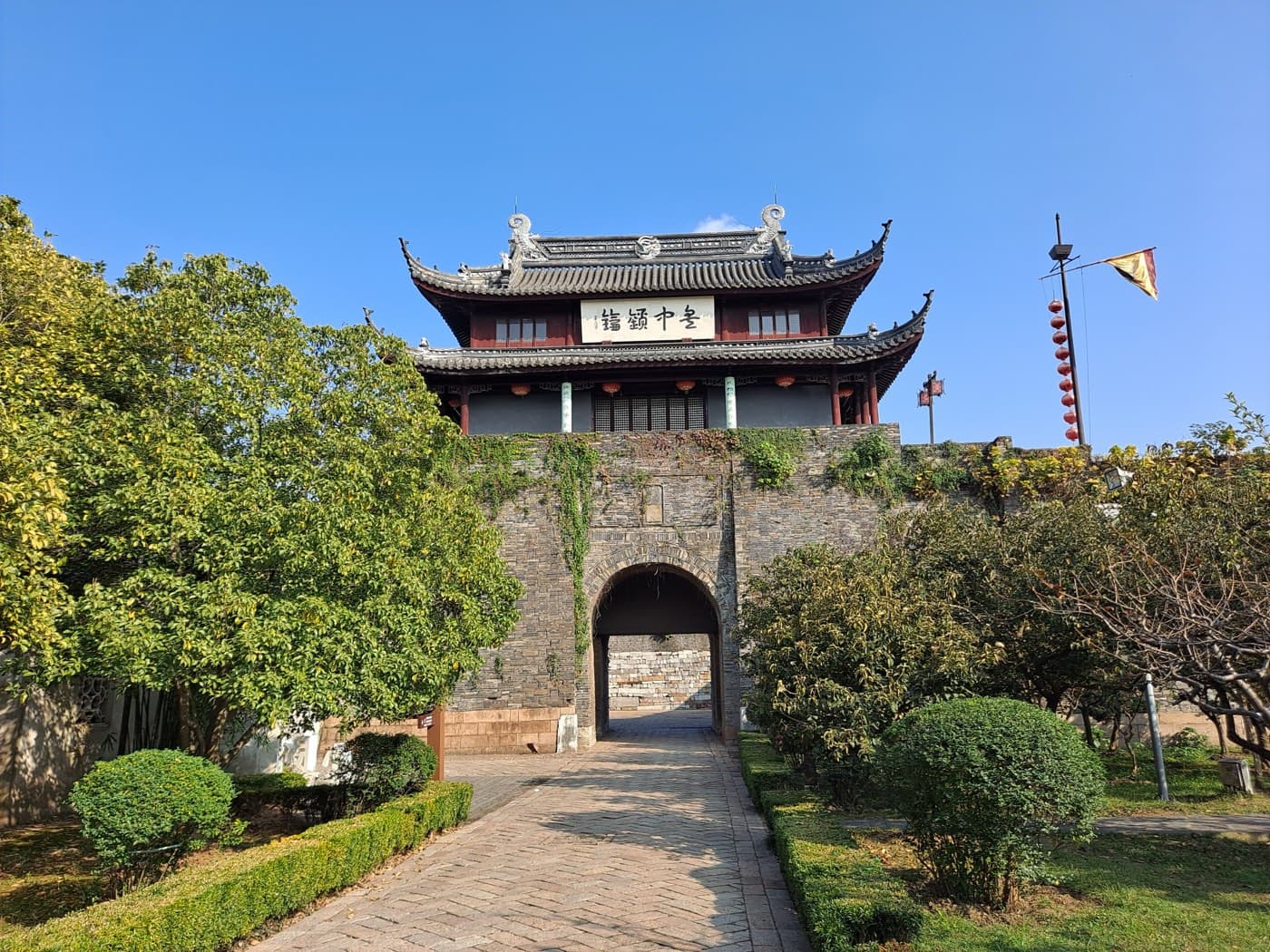
A good cultural walk might start near Suzhou Museum and Humble Administrator's Garden, drift through Pingjiang Road, cut into side alleys when they are open and respectful to enter, then save Shantang for evening light. Add Panmen if you want gates, walls, and a stronger sense of historic defense.
Do not turn every lane into content. Suzhou's charm depends on ordinary residential life continuing inside the old pattern. Walk slowly, keep your voice down in narrow lanes, and notice how water, thresholds, windows, and bridges repeat.