Suzhou / Practical Guides
Suzhou Transport Is a Train-Station Game: Which Station, Metro Line and Airport Route to Use
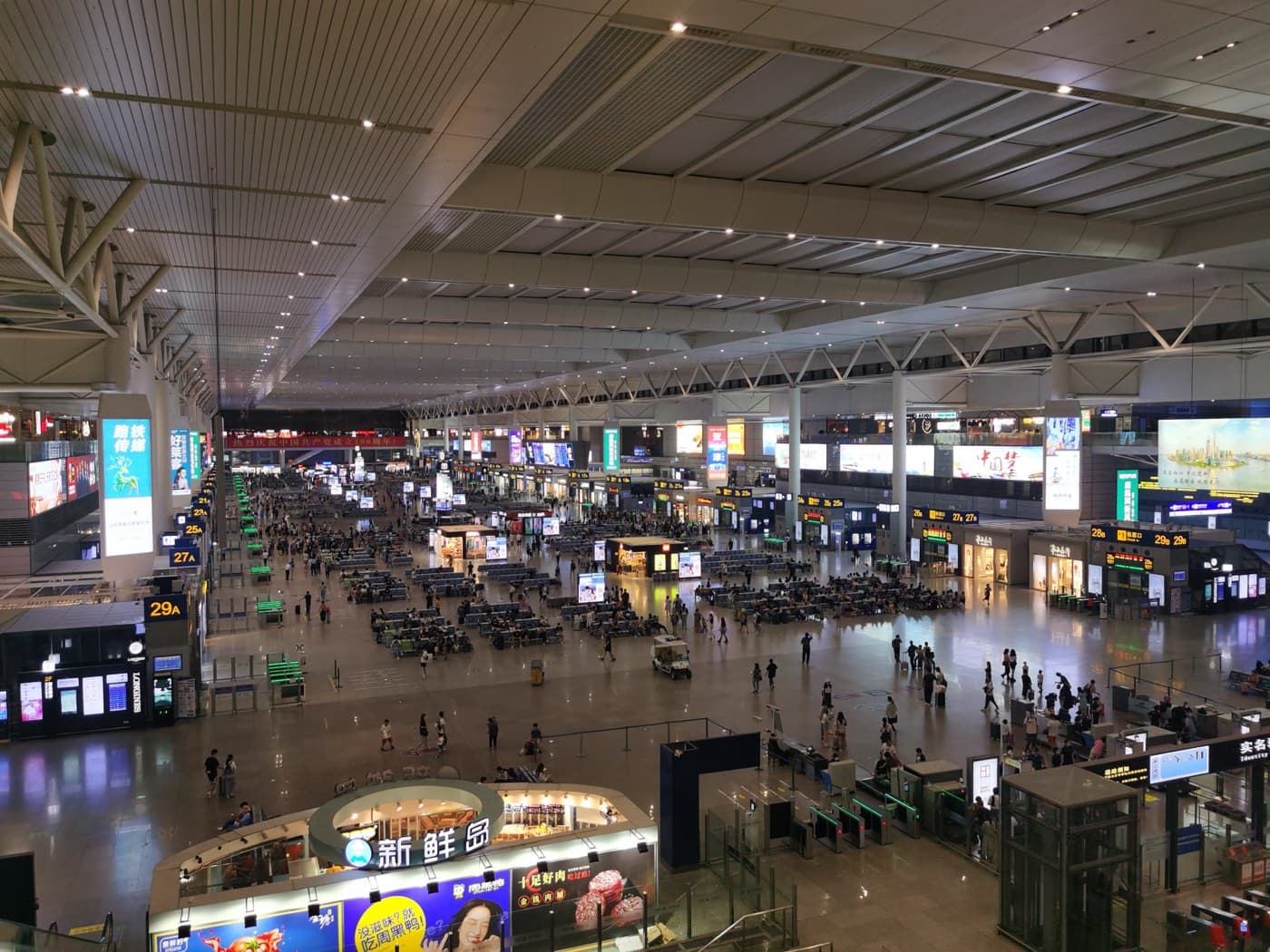
Suzhou travel usually starts with a train station, not an airport. That one idea solves half the confusion. Shanghai Hongqiao, Shanghai Railway Station, Wuxi Shuofang Airport, Suzhou Station, Suzhou North, Suzhou Industrial Park Station, and the metro all sound like interchangeable transport options until you realize each one creates a different version of the trip.
First rule: think train-first
China Highlights says it plainly: Suzhou does not have a useful airport for most tourists, so visitors typically arrive through Shanghai Hongqiao, Shanghai Pudong, or nearby regional airports, then finish the trip by rail or road. For foreign travelers, this is not a problem. It is the reason Suzhou is so easy to add.
Once you stop searching for 'the Suzhou airport', your route gets cleaner. Enter through Shanghai, choose the right rail station, and treat Suzhou's metro as the local movement layer.
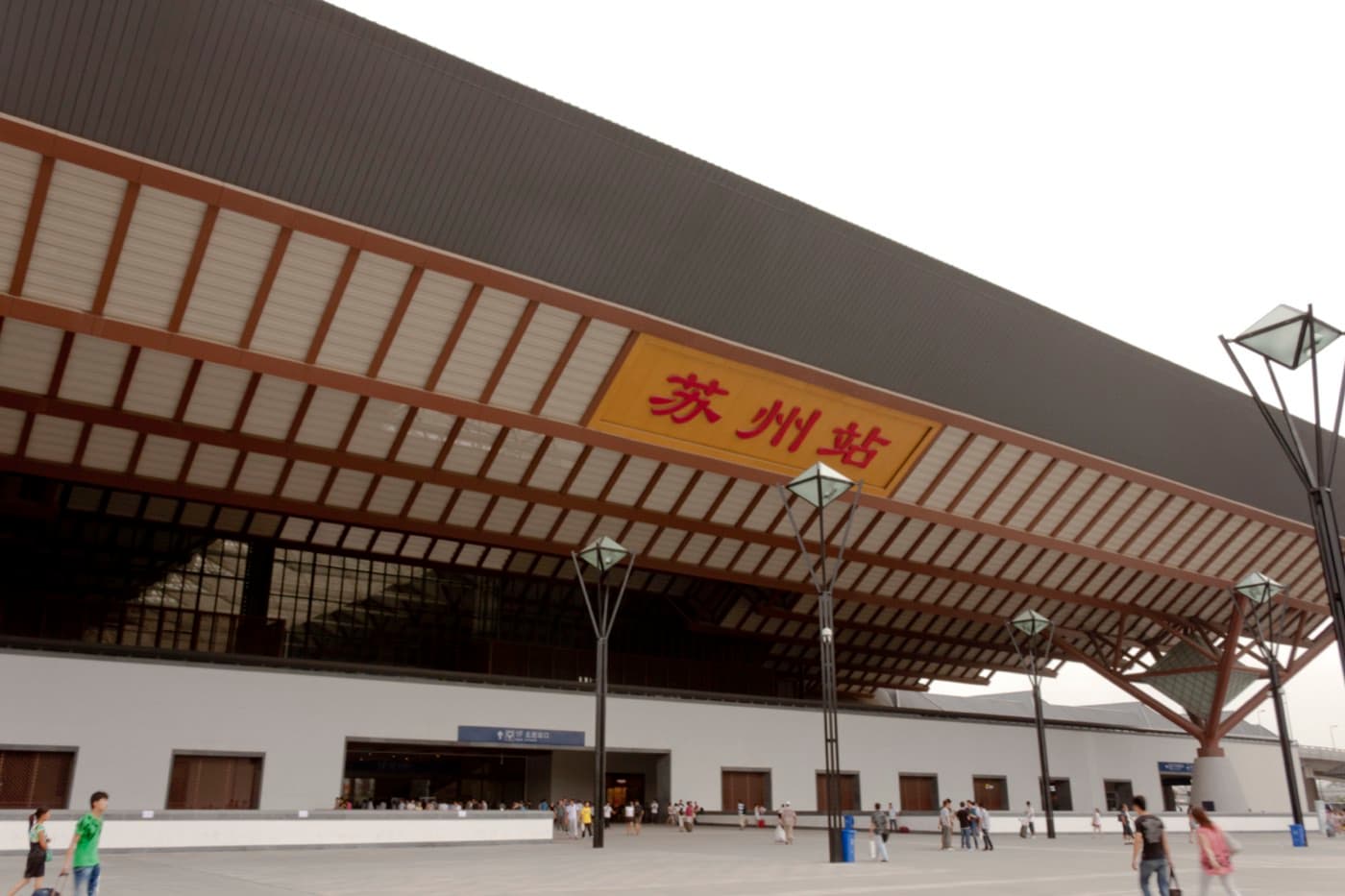
Suzhou Station: best default for first-timers
Suzhou Station sits close to the old city and is the easiest default for many visitors. If your plan includes Pingjiang Road, Humble Administrator's Garden, Suzhou Museum, Shantang Street, or a central hotel, this station often saves time and taxi friction.
It is also easier to explain to yourself. If you are coming from Shanghai and want the classic Suzhou experience, start here unless your ticket, hotel, or route gives you a specific reason to choose another station.
Suzhou North: useful, but not always the vibe
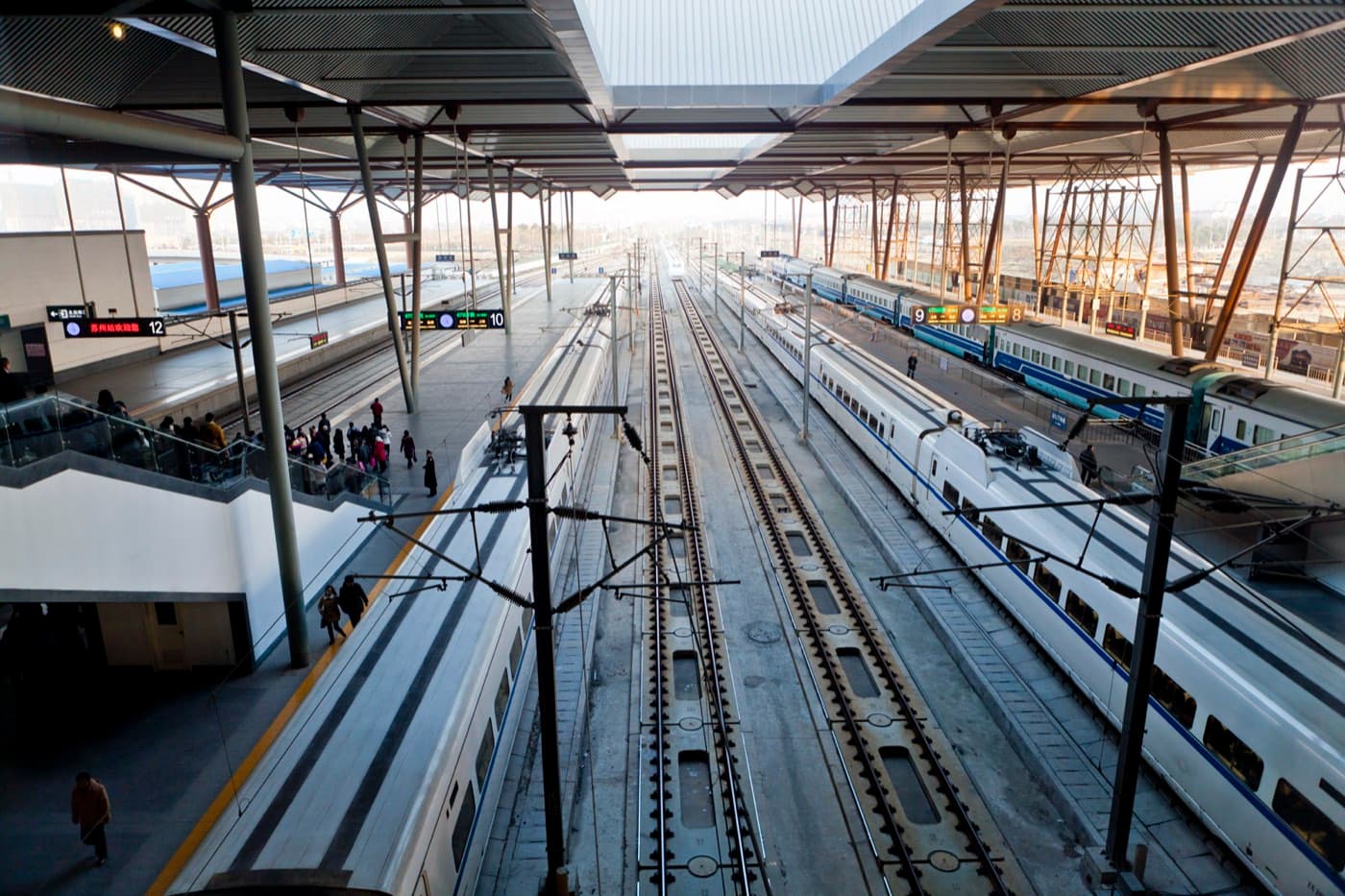
Suzhou North is a major high-speed station in the northern suburbs. It can be useful for some fast services, especially longer-distance routes, but it is not the station most visitors picture when they imagine stepping into old Suzhou.
Choose it when the schedule or price is clearly better, or when your hotel is in that direction. Otherwise, the extra transfer into the historic core can eat the time you thought you saved.
Suzhou Industrial Park Station: modern Suzhou and Jinji Lake
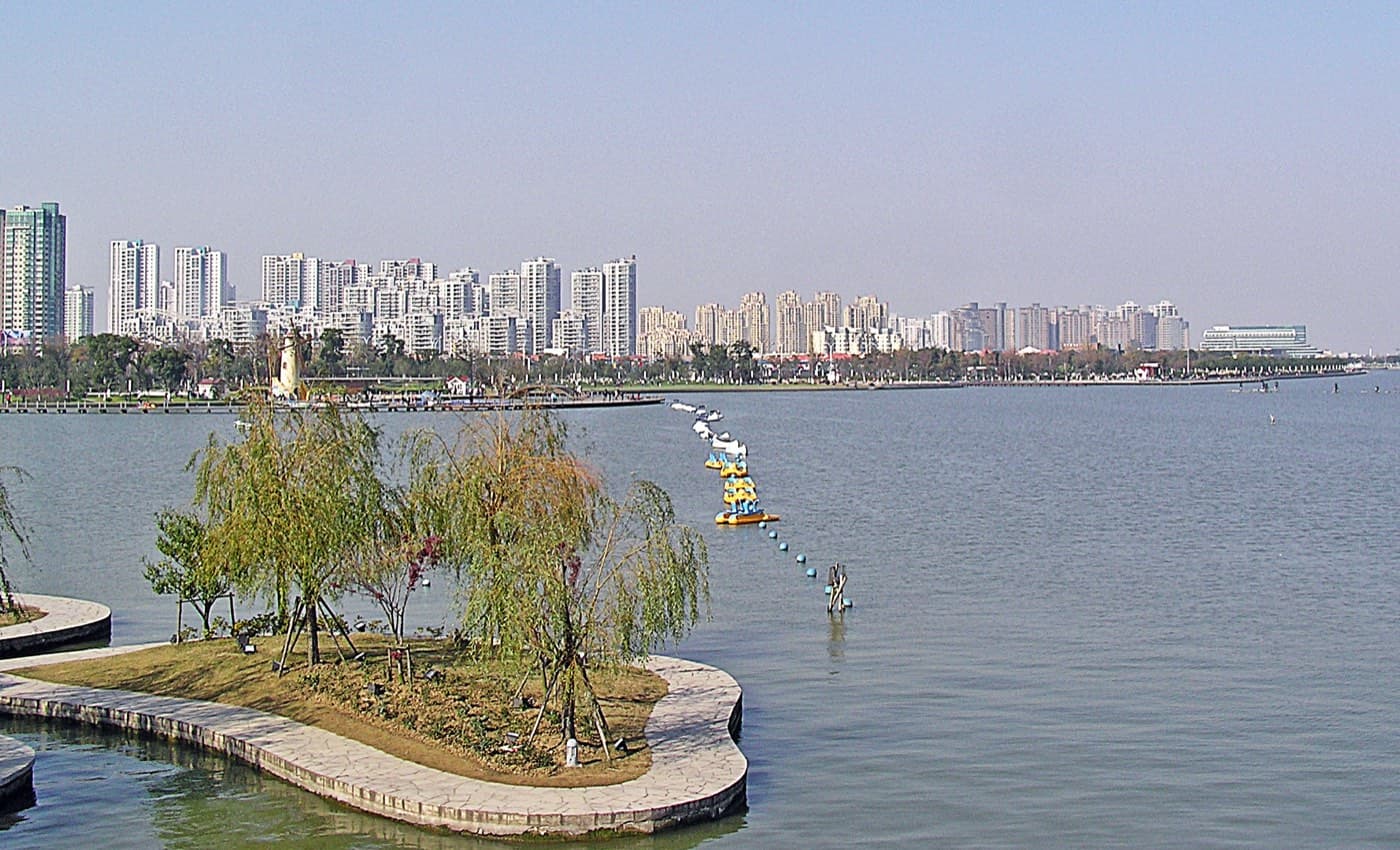
If your trip is tied to Suzhou Industrial Park, Jinji Lake, business hotels, expo venues, or the modern east side, Suzhou Industrial Park Station can make more sense than Suzhou Station. This is a very different Suzhou: wider, newer, more corporate, and easier for business travel.
It can also work for travelers who want a polished hotel base and plan to visit the old city by metro or Didi. Just understand that you are choosing comfort and modernity over immediate garden-lane atmosphere.
Shanghai Hongqiao, Pudong, and Wuxi Shuofang
Shanghai Hongqiao is the cleanest outside gateway for Suzhou because the airport and rail hub are connected, and trains to Suzhou are frequent. TravelChinaGuide lists high-speed train durations between Shanghai and Suzhou at roughly 20 to 45 minutes depending on station and service.
Pudong is possible, but it is on the far side of Shanghai, so build in cross-city transfer time before the train. Wuxi Shuofang can be convenient for some regional flights or Jiangsu-side itineraries, but international travelers will usually find Shanghai easier.
Suzhou Metro: useful, but still pair it with walking and Didi
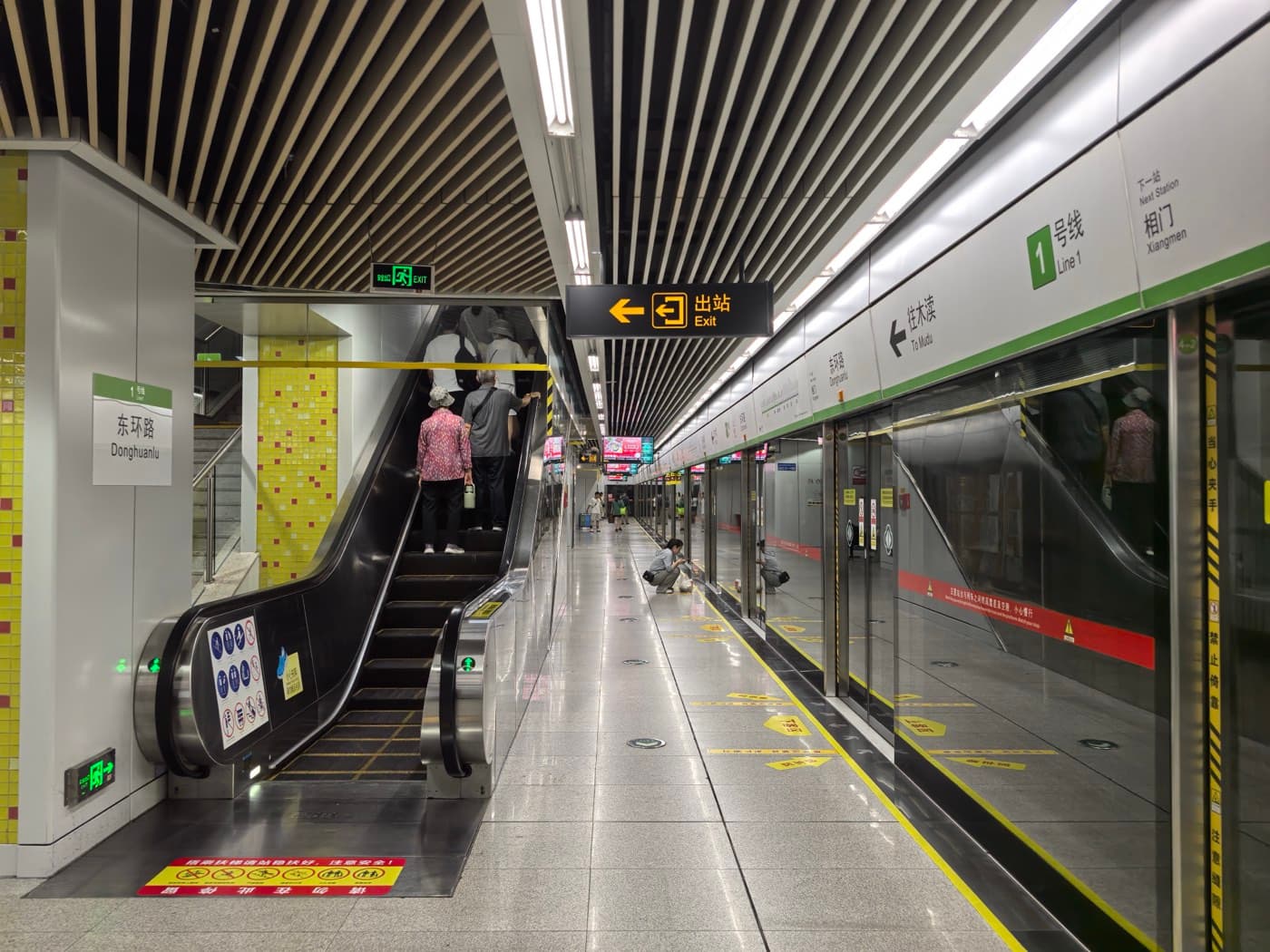
Suzhou Metro is useful for station transfers, old-city edges, Suzhou Industrial Park, and longer cross-city movement. The official Suzhou Metro site is the place to check current network information, and map apps are better for the exact entrance, exit, and transfer path on the day.
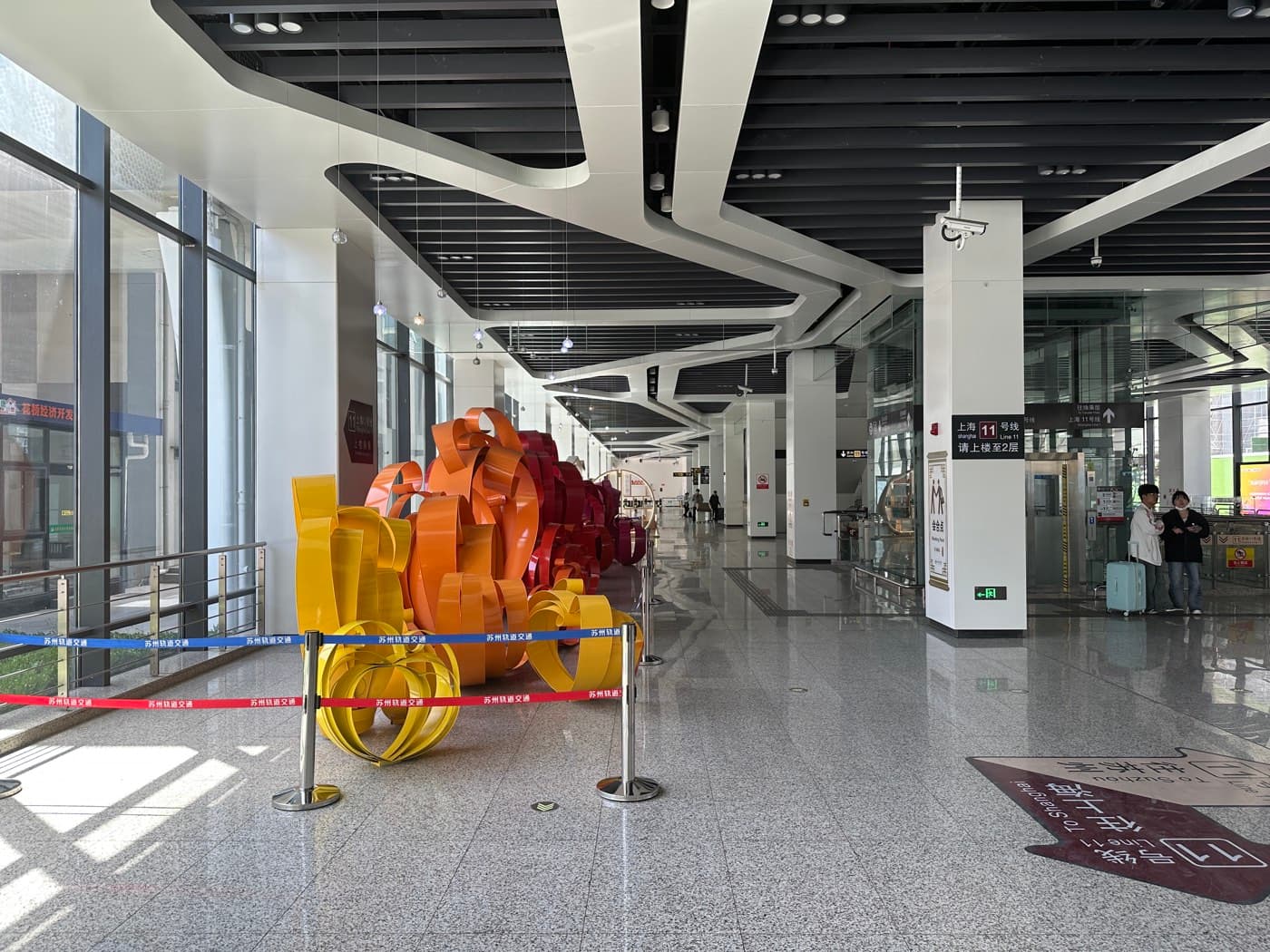
Metro Line 11 also matters because it links the Suzhou side toward the Shanghai metro network through Kunshan. That is interesting, but it is not usually faster than high-speed rail for a normal Shanghai to Suzhou visitor route. Use it when the specific geography works, not because it sounds clever.
The station-choice cheat sheet
Choose Suzhou Station for gardens, canals, museums, Shantang Street, and most first-time leisure trips. Choose Suzhou North for longer high-speed services or when the train schedule wins clearly. Choose Suzhou Industrial Park Station for Jinji Lake, business, and modern east-side hotels.
After arrival, do not force every final leg onto public transport. Suzhou's charm lives in lanes, bridges, water, and garden gates. The best plan is often train to the right station, metro for the big move, then walk or Didi for the final detail.