
Suzhou / Local Culture
Suzhou Pingtan: The Teahouse Soundtrack That Makes the Old City Slow Down
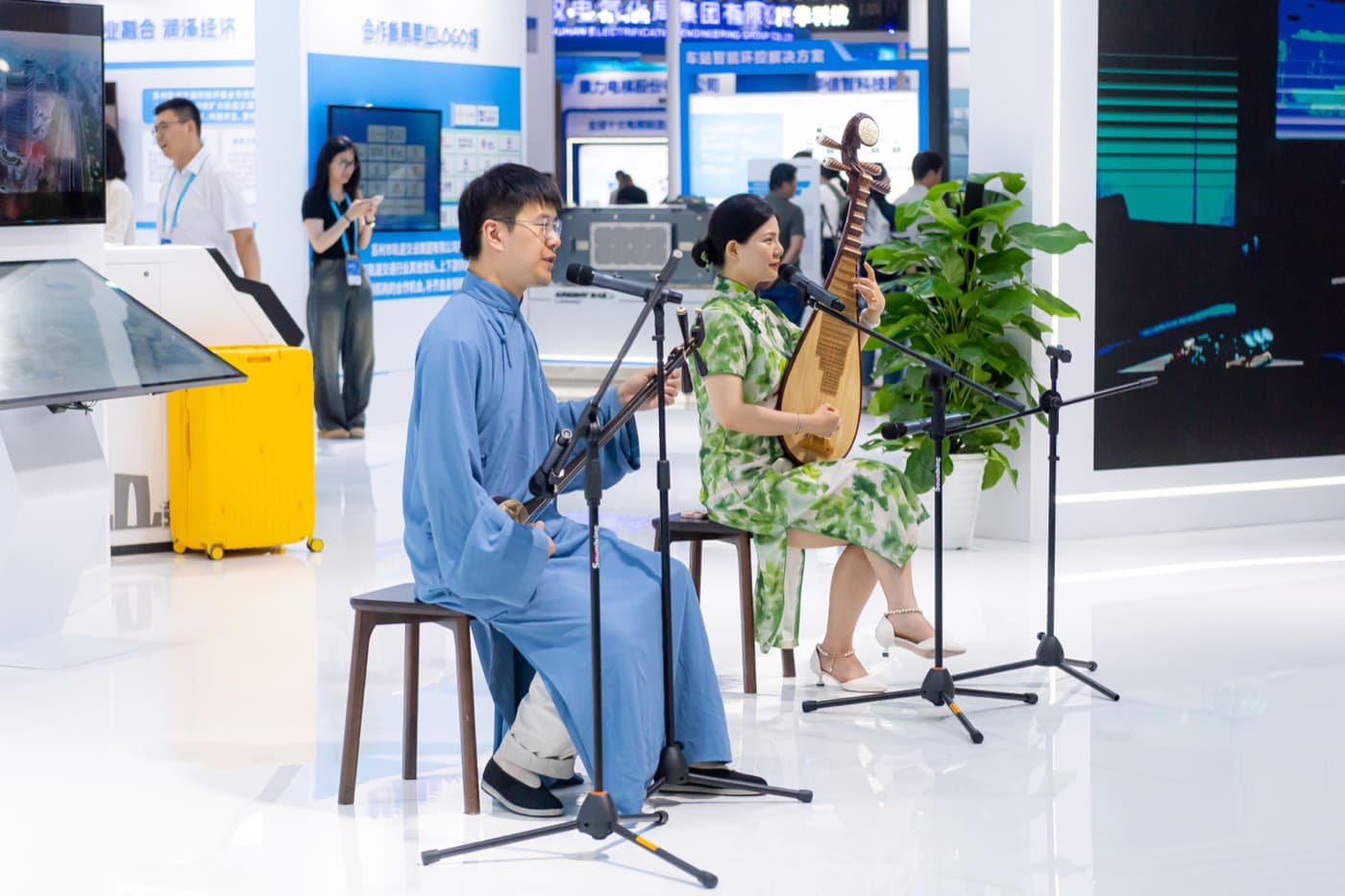
If Suzhou's gardens are the city's visual poetry, Pingtan is its voice. In a teahouse courtyard on Pingjiang Road, a singer with a pipa can make the old city feel suddenly smaller, slower, and more intimate. You may not understand every word of Suzhou dialect, but you can understand the room: tea cups, wood screens, small jokes, soft strings, and an audience that has chosen listening over rushing.
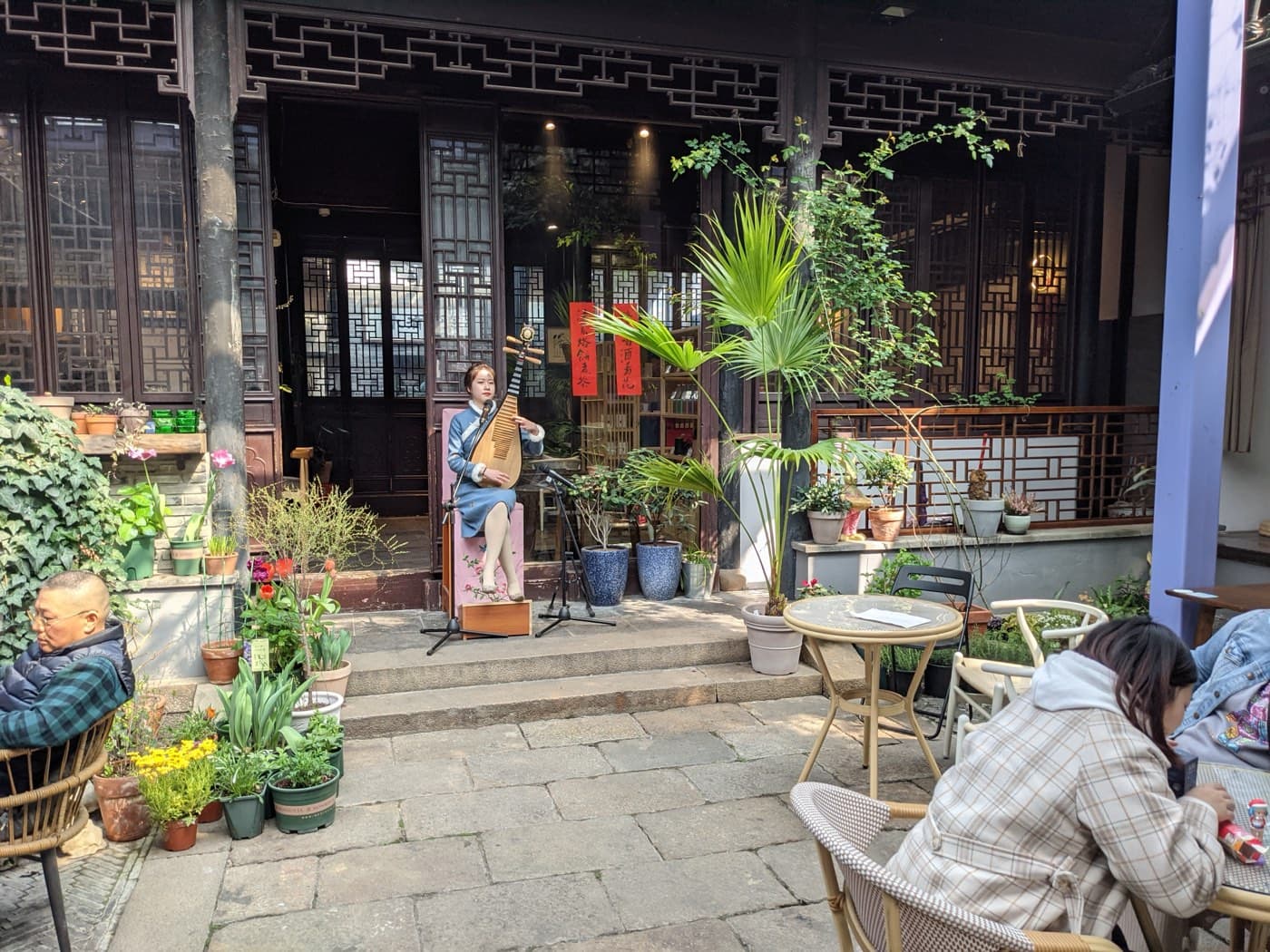
Why Pingtan belongs on a Suzhou itinerary
Most visitors come to Suzhou for gardens and canals. Pingtan gives those same streets a sound. It is not a huge stage spectacle; it is closer to chamber music, storytelling, stand-up timing, and local memory folded into one.
That makes it one of the best entries into Suzhou slow life. You are not just looking at old architecture. You are sitting inside it, hearing a performance form that was made for rooms, tea, pauses, and close attention.
What you are actually hearing
Pingtan usually combines narrative speaking, singing, and string instruments. The pipa gives a bright plucked sound, while the sanxian adds a drier, more conversational texture. The language is often Suzhou dialect or Wu-region speech, which is part of the charm and also part of the challenge for outsiders.
For Western visitors, the best way to listen is not to chase every plot detail. Notice the contrast between speech and song, the small reactions from local listeners, the way the performer controls silence, and the intimacy of a voice that does not need a stadium.
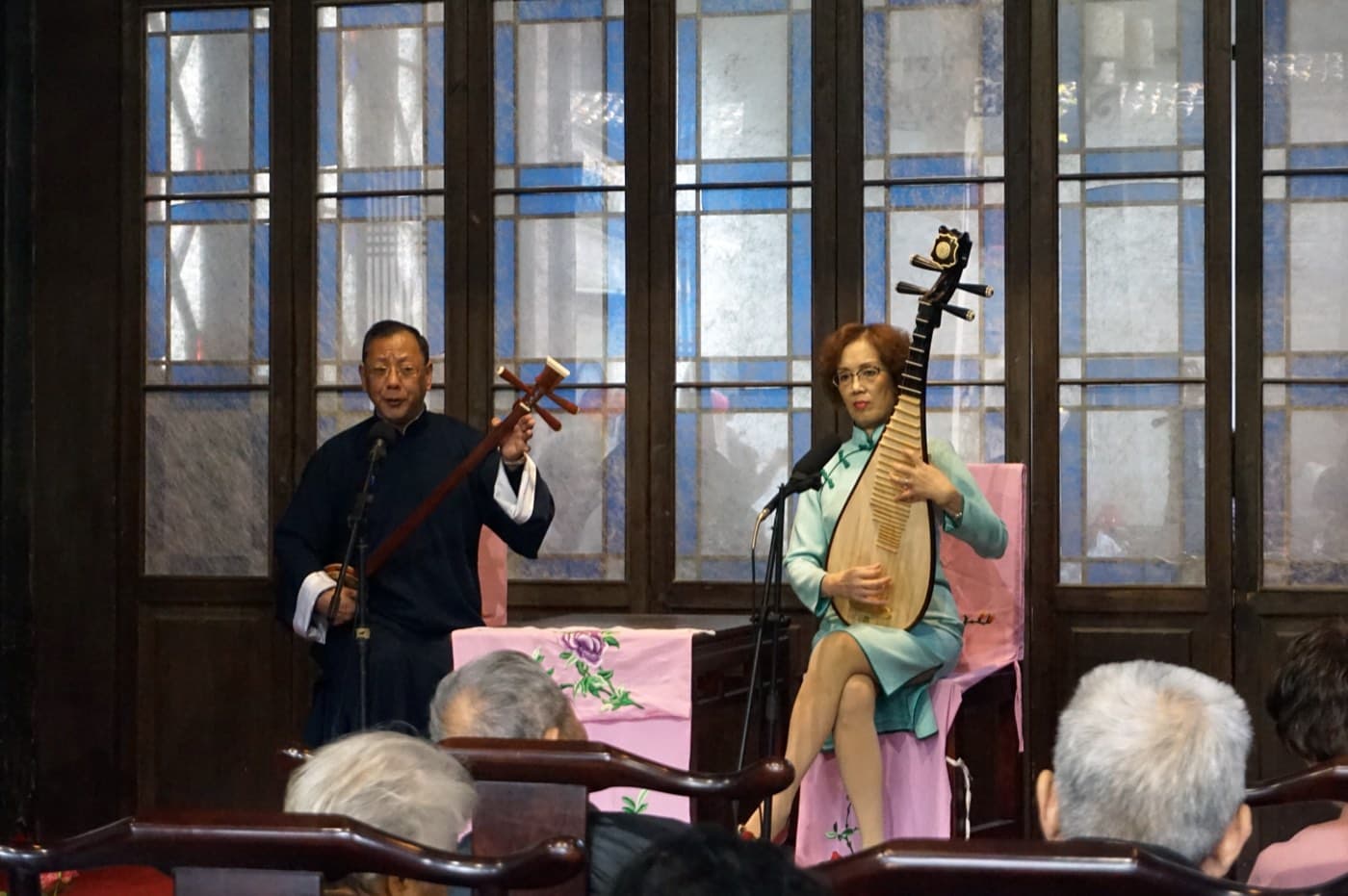
Pingjiang Road: the easiest first listen
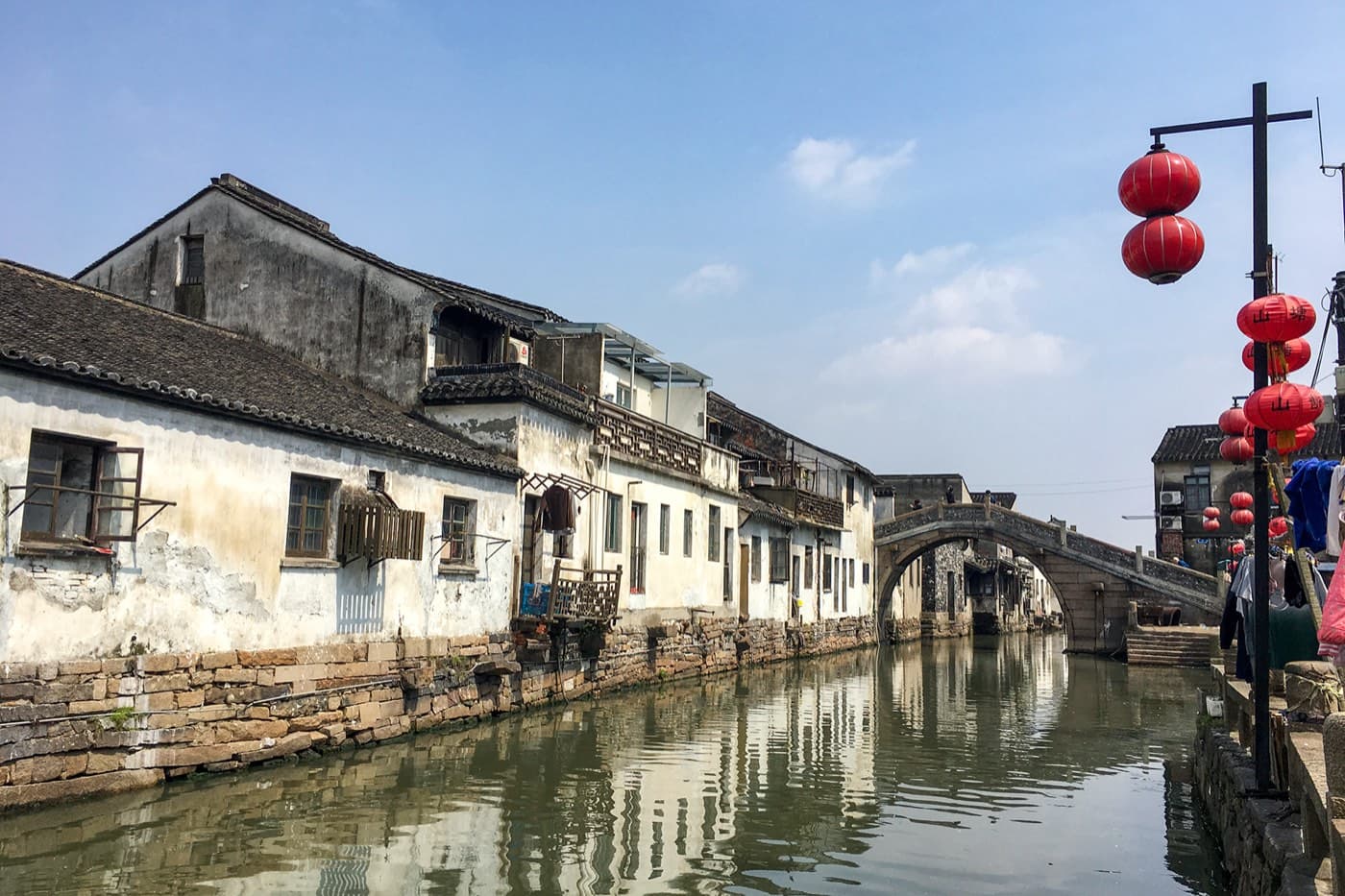
Pingjiang Road is touristy, yes, but it is also one of the most intuitive places to try Pingtan. The canal, lanes, tea rooms, old wood fronts, and short performances make the experience easy to fit between Suzhou Museum, Humble Administrator's Garden, and an evening walk.
Choose a place that feels like a listening room rather than a loud photo stop. A simple tea set and a short performance can be enough. If you only have one afternoon in Suzhou, this is the least complicated way to add living culture to the canal walk.
Shantang and night gardens feel more cinematic
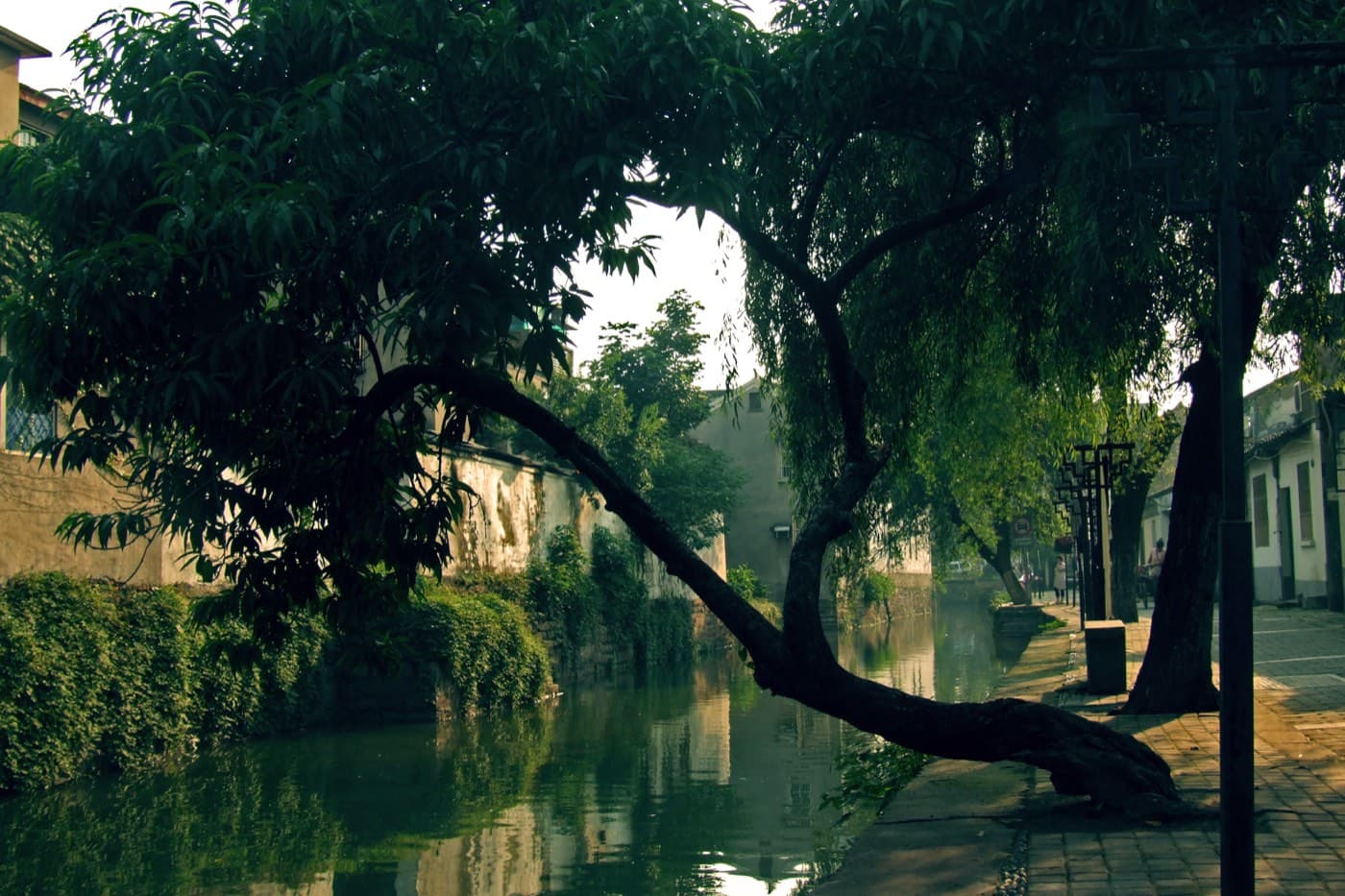
Suzhou's official English site notes that the Master-of-Nets Garden night tour includes local-color performances such as Kunqu Opera, Pingtan, folk music, and dance. That kind of setting changes the mood: instead of daytime sightseeing, you get lanterns, courtyards, shadows, and short cultural scenes.
Shantang Street can also work for an evening culture-and-canal plan. It is busier and more commercial, but after dark it has the old-town theatricality many first-time visitors imagine before they arrive.
How to behave in the room
Keep your voice low, take photos discreetly if allowed, and do not treat the performance as a decorative sound effect for your video. The room is part of the art. The performer is usually close enough that audience attention changes the whole feeling.
If you do not understand the language, that is fine. Sit near the middle, watch the hands, listen for repeated melodic phrases, and notice when the room laughs. You are learning the social rhythm as much as the content.
Build it into a slow Suzhou day
A good route is Suzhou Museum or a garden in the morning, Pingjiang Road before or after lunch, a Pingtan teahouse pause in the afternoon, then Shantang Street or Jinji Lake after dark. This keeps the day from becoming a hard march between famous names.
Pingtan is not something you need to over-plan unless you are chasing a specific venue or evening show. The better goal is to leave space for it. Suzhou rewards travelers who let one hour become two.