
Suzhou / Practical Guides
How Many Days in Suzhou? The 1-Day, 2-Day and Shanghai-Hangzhou Route That Actually Works
Suzhou is easy to visit badly: rush in from Shanghai, buy too many garden tickets, spend half the day moving between gates, then leave saying it was pretty but crowded. A better Suzhou itinerary is slower and more selective. One famous garden, one museum or cultural stop, one canal walk, one evening street, and maybe one water town will teach you more than a checklist marathon.
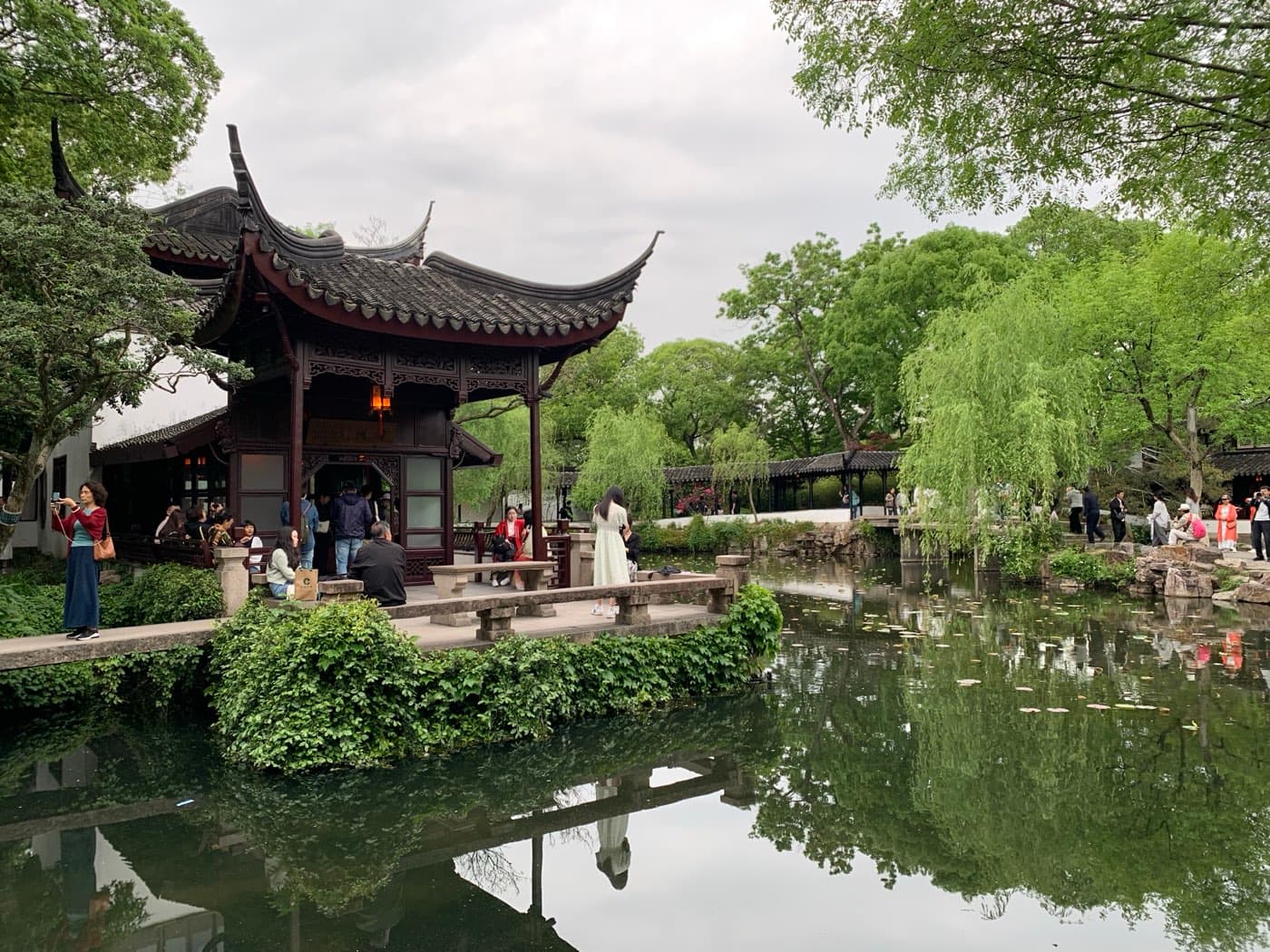
Start by deciding what Suzhou is for
Suzhou is not only a garden stop. It is a garden city, a canal city, a museum city, a silk city, a modern lake district, and a gateway to water towns. The itinerary gets better once you choose the version you care about most.
Mafengwo's Suzhou guide summarizes the classic identity well: gardens, bridges, canals, and the old water-town feeling. UNESCO adds the bigger frame: Suzhou's classical gardens are not random pretty parks but a world-class tradition of miniature landscapes, scholar taste, architecture, rock, water, and framed views.
One day: the classic route from Shanghai
If you only have one day, do not try to 'finish' Suzhou. Arrive at Suzhou Station, go early to Humble Administrator's Garden, add Suzhou Museum if tickets and timing work, then walk Pingjiang Road for lanes, canals, shops, and a softer afternoon.
In the evening, choose Shantang Street or an early dinner near the old city before returning to Shanghai. This route gives you the core contrast Western travelers usually want: Shanghai's speed in the morning, Suzhou's garden-and-canal texture by lunch.
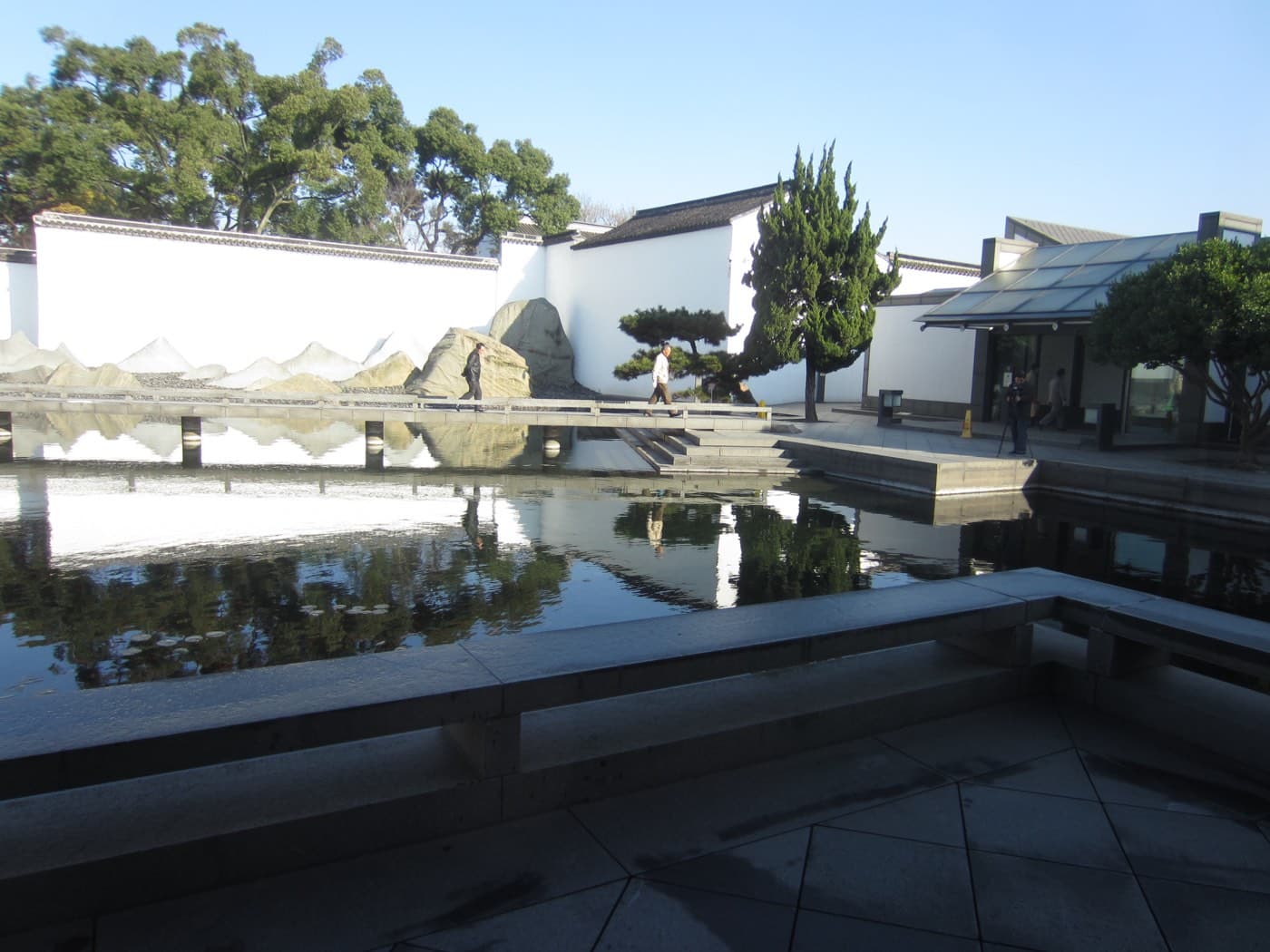
Two days: the route that feels like Suzhou
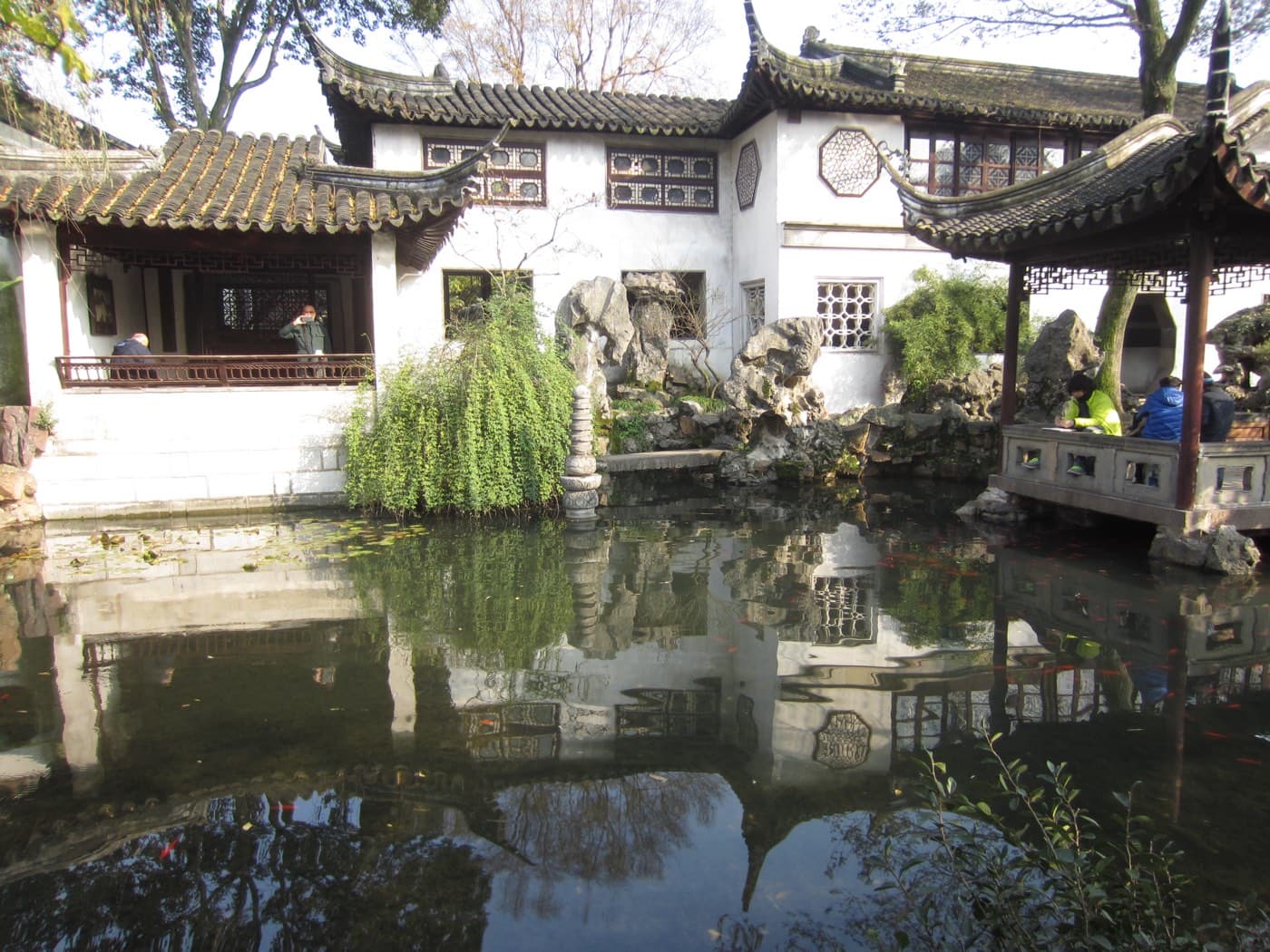
Two days is the sweet spot. Day one can stay in the north old-city cluster: Humble Administrator's Garden, Suzhou Museum, Lion Grove if you like rockeries, and Pingjiang Road. Day two can move west: Lingering Garden, Tiger Hill, and Shantang Street.
This structure avoids garden fatigue. Humble Administrator's Garden is expansive and famous; Lingering Garden is more intimate and architectural; Tiger Hill adds a landmark and a different landscape. The city starts to feel layered rather than repetitive.
Where Tiger Hill fits
Tiger Hill is easiest to add on a two-day itinerary or a slow first day that skips Suzhou Museum. It is not just another garden; it gives Suzhou a hill, a pagoda story, and a different sense of depth.
Pair it with Lingering Garden and Shantang Street rather than forcing it into the Humble Administrator's Garden and Pingjiang Road cluster. That keeps the day geographically cleaner.
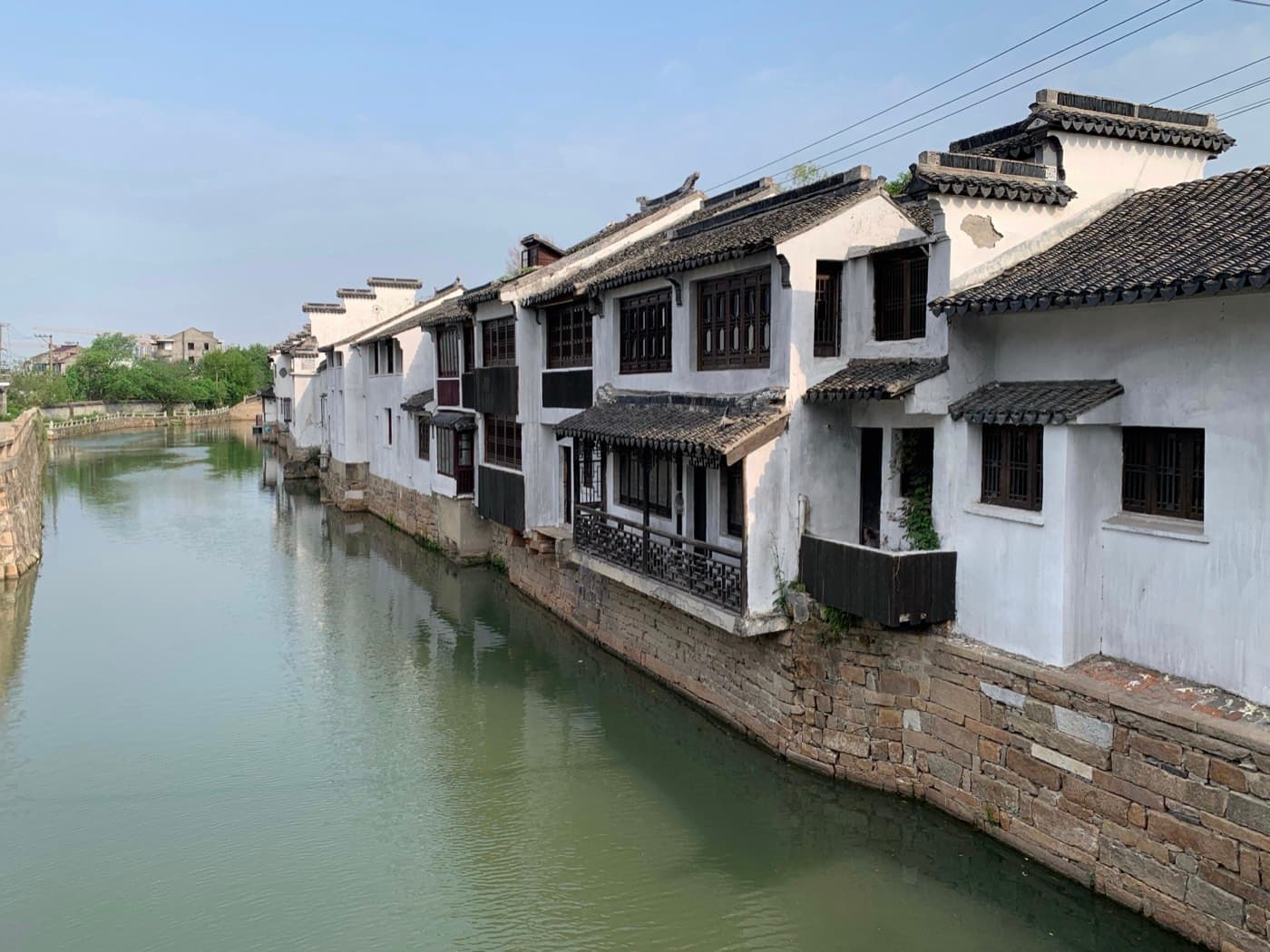
Tongli or Zhouzhuang: add a water town carefully
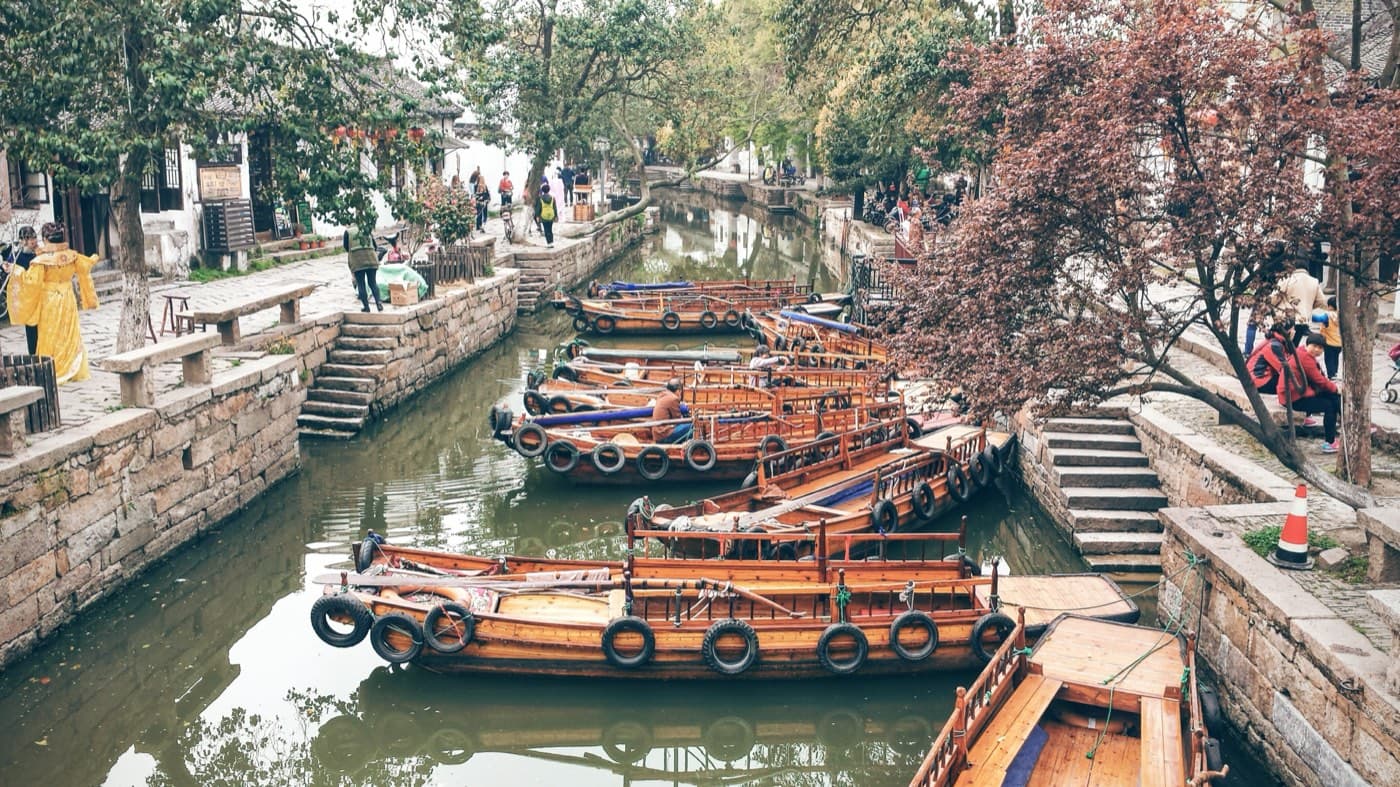
Tongli and Zhouzhuang are tempting because they look like the Suzhou fantasy travelers already have in their heads: bridges, boats, old houses, reflections, and narrow lanes. They are worth considering, but only if the day has space.
Reddit travel discussions often frame Tongli as a strong choice for an 'authentic enough' water-town feel near Suzhou, while also warning that holidays can make everything crowded. The better version is to stay late or overnight, not squeeze the town between two major gardens.
Shanghai, Suzhou, Hangzhou: the clean regional arc
A very natural first-time Yangtze Delta route is Shanghai for arrival and city energy, Suzhou for gardens and canals, then Hangzhou for West Lake, tea hills, and softer landscapes. The cities are close enough by train that the route feels efficient without becoming monotonous.
Keep the order simple and think about luggage. If you are doing Shanghai to Suzhou to Hangzhou, stay one or two nights in Suzhou instead of trying to use it as a suitcase-heavy day trip. A calm itinerary beats a clever itinerary every time.