Suzhou / Food & Daily Life
Suzhou Food Is Delicate, Sweet and Seasonal: What to Order Beyond the Gardens
Suzhou is not the city to visit when you want chile heat, smoke, and big northern portions. Its food is quieter: sweet-fresh sauces, seasonal river and lake ingredients, precise knife work, elegant plating, and dishes that often make sense only when you slow down. If Shanghai is glossy and Hangzhou is lake-and-tea gentle, Suzhou food feels like the dining version of a classical garden: controlled, seasonal, and easy to miss if you rush.
The flavor profile: sweet, fresh, precise
CITS describes Suzhou cuisine as light in taste, sweeter than neighboring Yangzhou's Huaiyang cuisine, and focused on quality ingredients and attention to detail. That is the cleanest first rule for visitors: this is a precision-and-freshness food city, not a spice-endurance city.
For Western travelers who arrive after Sichuan, Hunan, or Xi'an, Suzhou can feel quiet at first. Give it time. The pleasure is in texture, timing, sauce balance, seasonal ingredients, and presentation.
What Su Bang Cai means for a visitor
Su Bang Cai, or Suzhou-style cuisine, sits within the broader Jiangnan and Jiangsu food world. It is tied to canals, gardens, literati taste, lake ingredients, banquet culture, teahouses, and old restaurants.
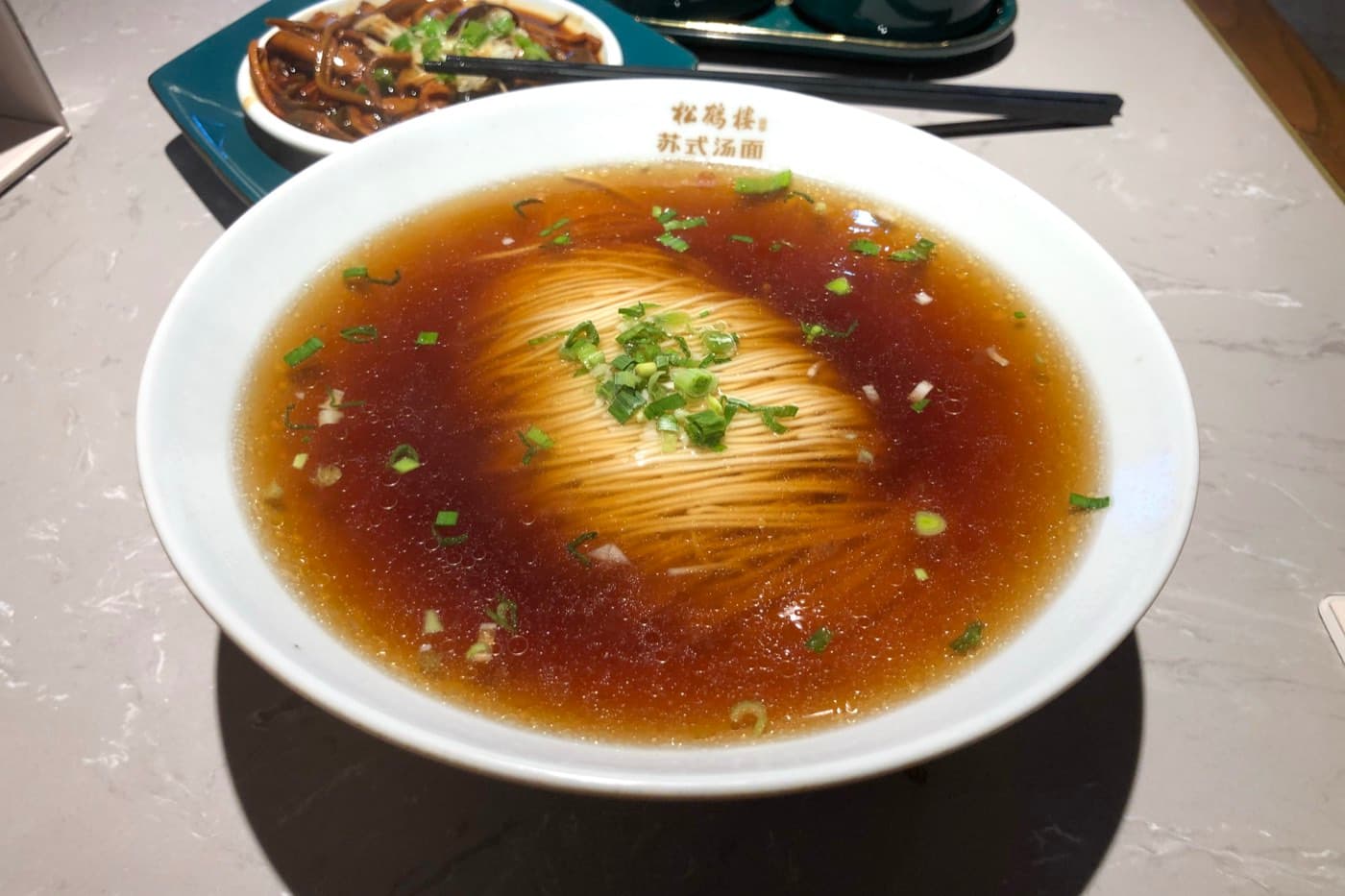
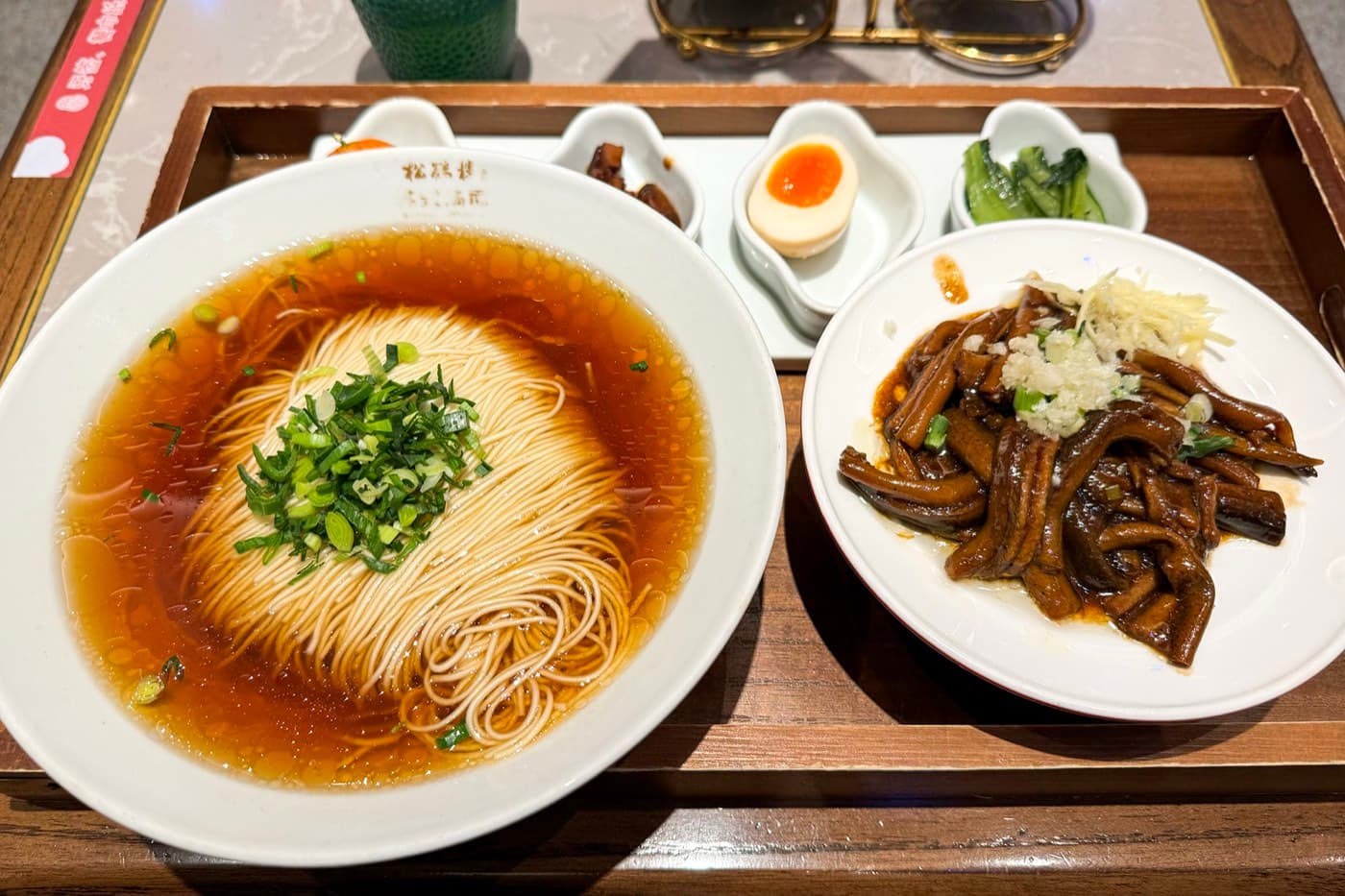
Do not expect every meal to feel fancy. A bowl of noodles can be just as important as a banquet dish. The city moves between elegant dining rooms and everyday breakfast counters without treating either as fake.
Taihu freshness: the lake behind the flavor
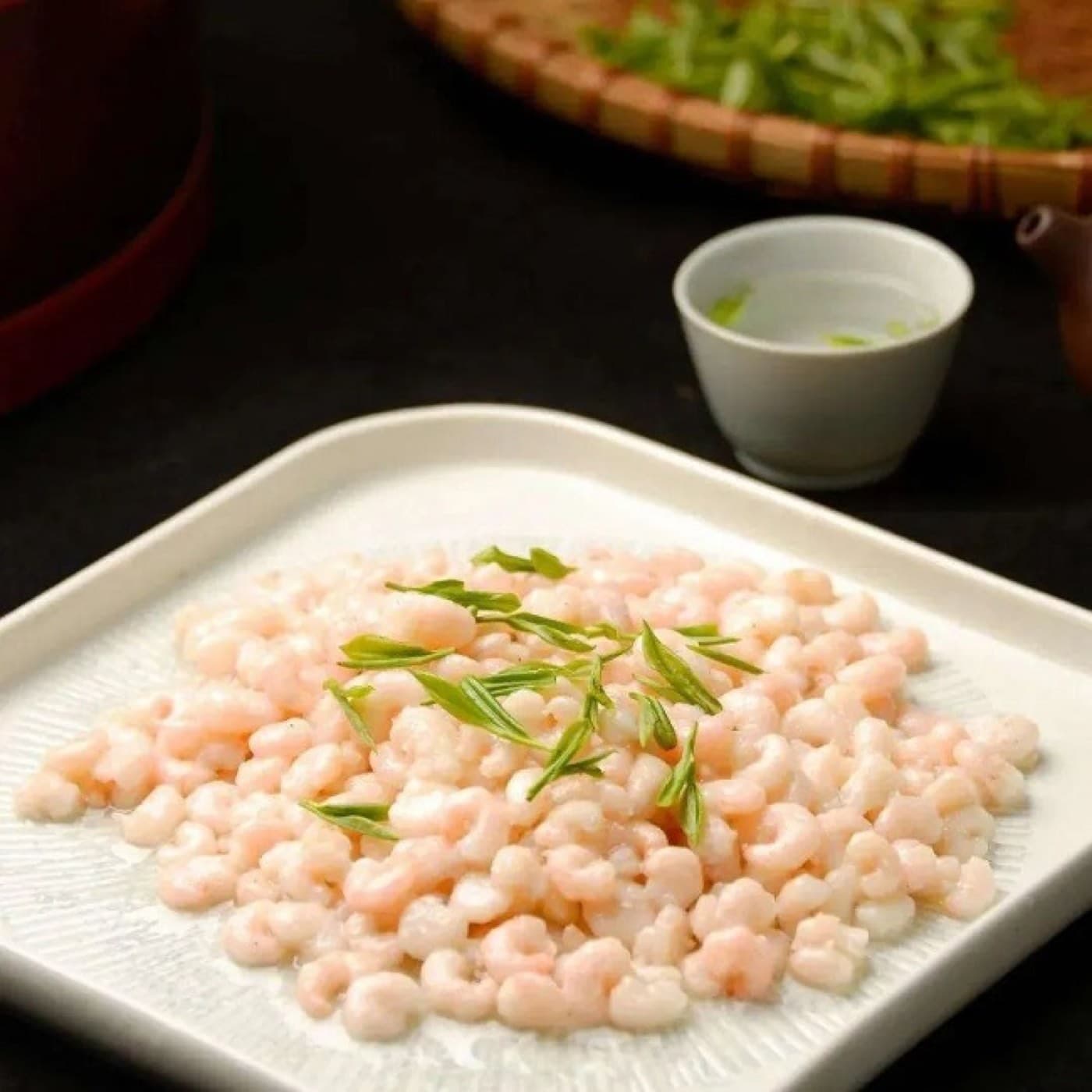
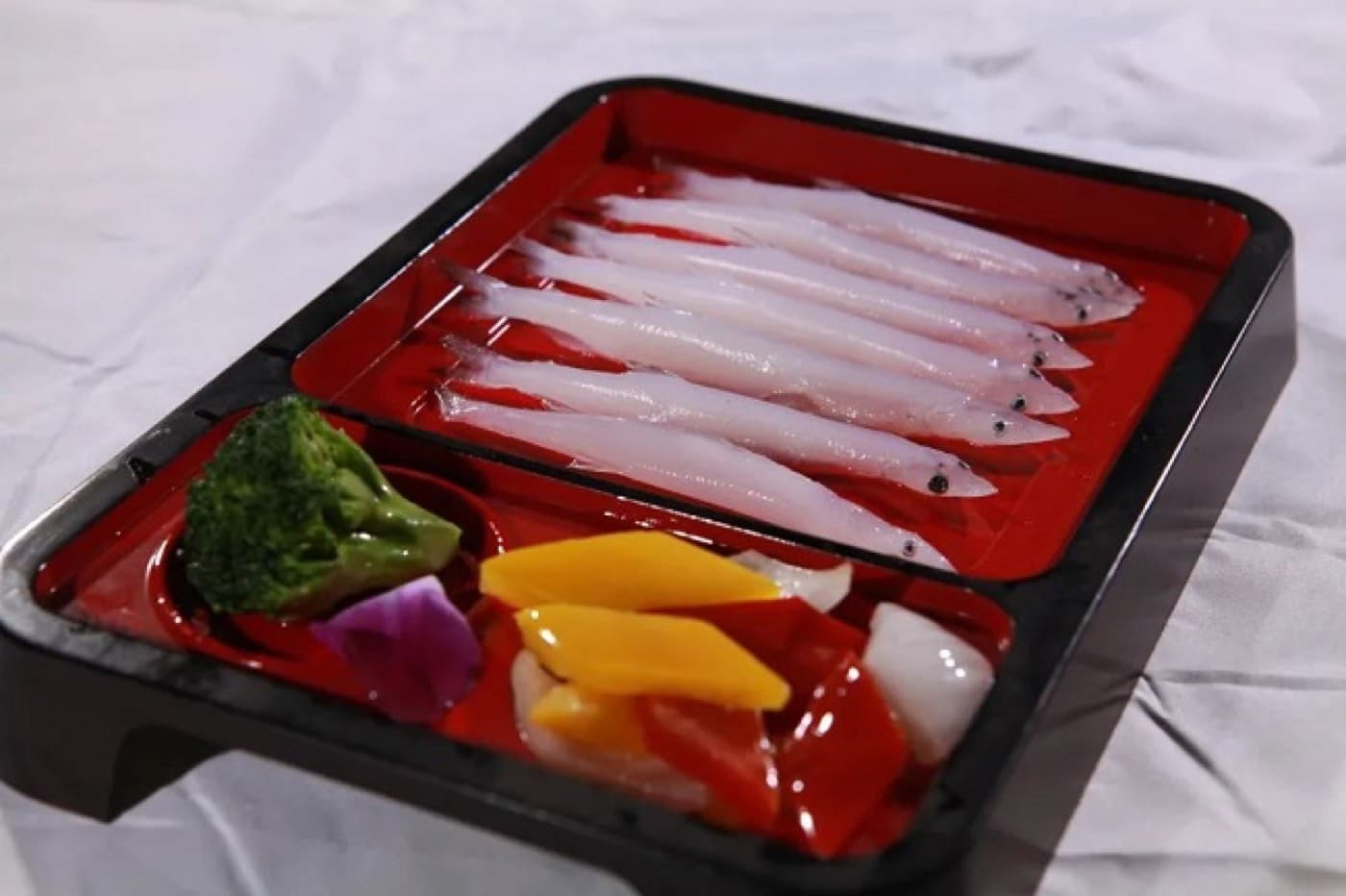
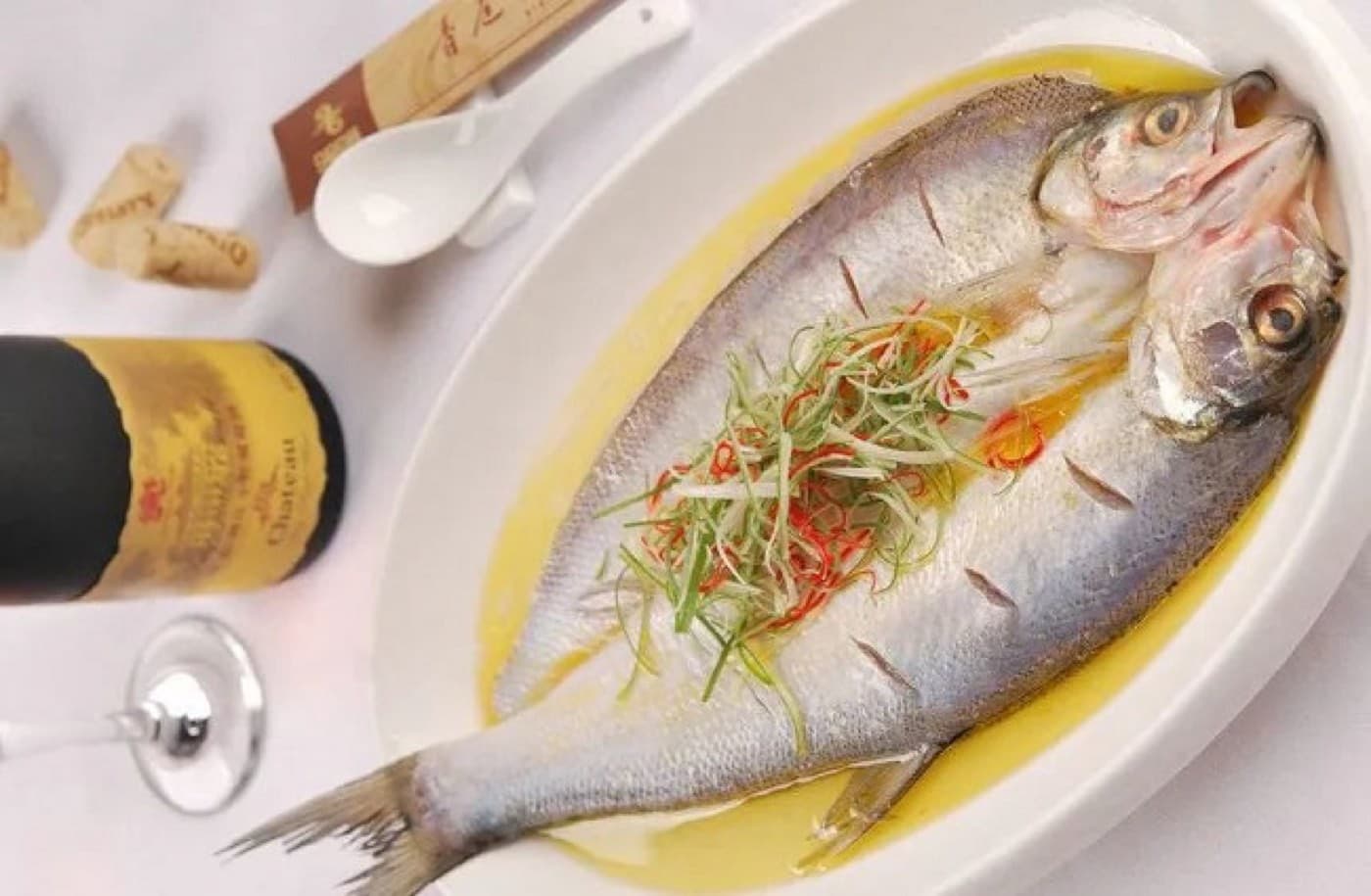
The Taihu region is crucial to Suzhou and nearby Wuxi food. China Daily's Wuxi site describes the 'Three whites of Taihu Lake' as whitefish, silverfish, and white shrimp, prized for delicate flavor and usually cooked immediately after being caught by steaming, poaching, or simmering into soup.
This is why many Suzhou dishes are not trying to hide the ingredient. A good whitefish, shrimp, or silverfish dish may look plain compared with a red-sauced banquet plate, but the point is freshness, softness, and clean sweetness.
The dishes most visitors should know first
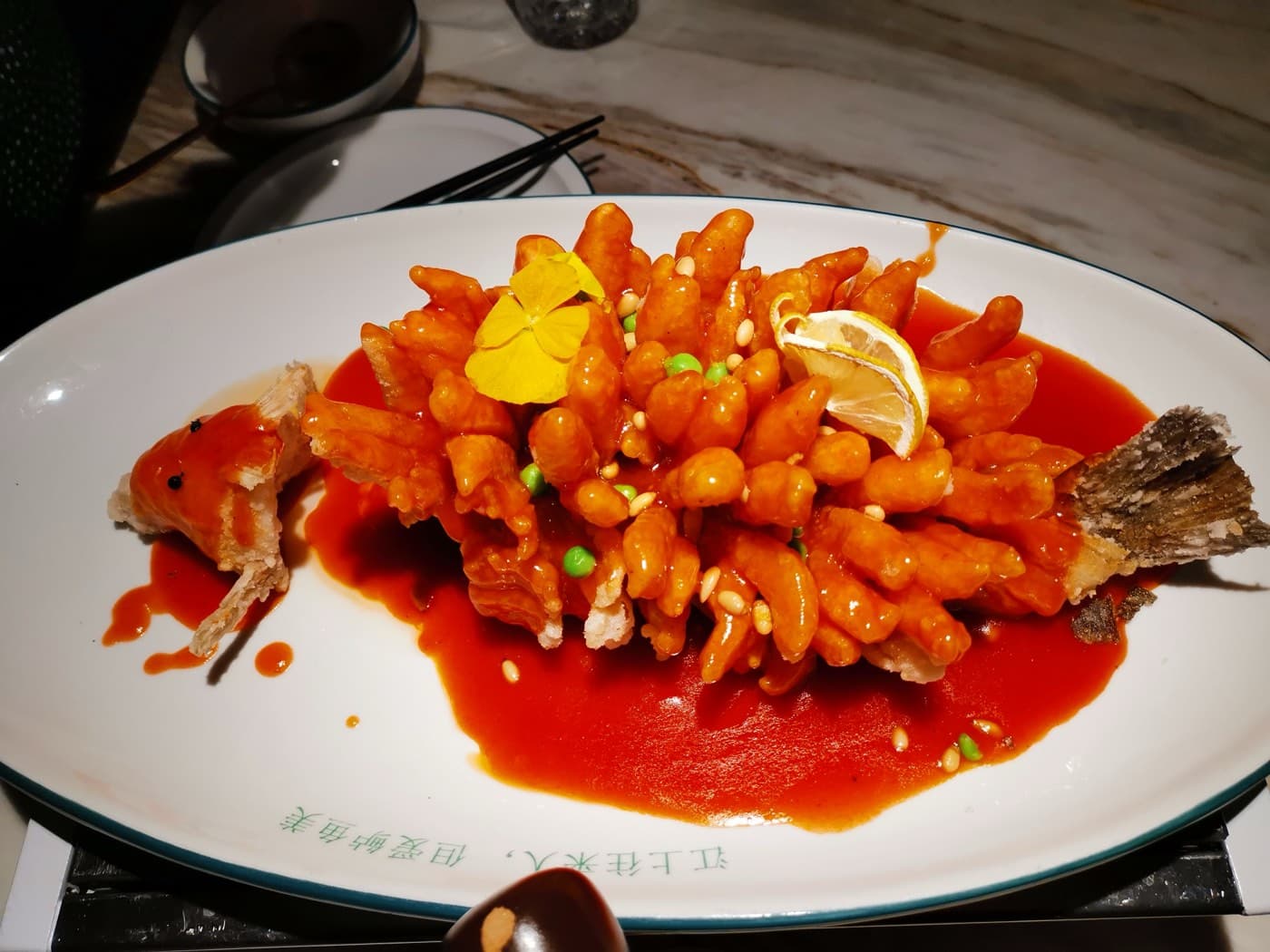
Start with squirrel-shaped mandarin fish if you want the visual icon. Try Su-style noodles for daily life. Add Biluo shrimp if you like the idea of tea entering the kitchen. Little wontons are a gentle comfort option, while seasonal lake foods help you taste the region instead of only the city brand.
If you are ordering with a group, balance one showpiece dish with simpler seasonal vegetables, tofu, shrimp, noodles, or soup. Suzhou meals can feel better when not every plate is trying to be the headline.
Michelin has widened the Jiangnan dining map
Michelin's 2026 Shanghai, Jiangsu, Zhejiang release matters because it frames the region as one connected culinary landscape. The guide notes 409 restaurants across Shanghai, Jiangsu, and Zhejiang, including starred, Bib Gourmand, and selected restaurants.
For travelers, the practical takeaway is not that every meal must be high-end. It is that Jiangnan food is getting more international attention, so Suzhou can be planned as a serious food stop, not only a garden day trip.
How to eat Suzhou without disappointment
First, expect sweetness. Second, order seasonally when possible. Third, do not judge the cuisine only by one touristy version of squirrel fish. Fourth, use noodles and small dishes to understand local rhythm. Fifth, if you want bold spice, save that craving for another city.
Suzhou food is best when you treat it as a change of tempo. After gardens, canals, silk, and Pingtan, the cuisine completes the same story: refinement, water, craft, and slowness.