
Suzhou / Practical Guides
Can You Visit Suzhou Visa-Free from Shanghai? The 240-Hour Transit Plan That Actually Works
Suzhou is one of the easiest ways to make a Shanghai trip feel richer: gardens, canals, silk, quiet lanes, and high-speed trains close enough that the city can work as a day trip or a short stay. Under China's 240-hour visa-free transit policy, it can fit beautifully into a Shanghai-in, Shanghai-region, third-country-out plan, but only if your route is genuinely transit and your paperwork matches the rules.
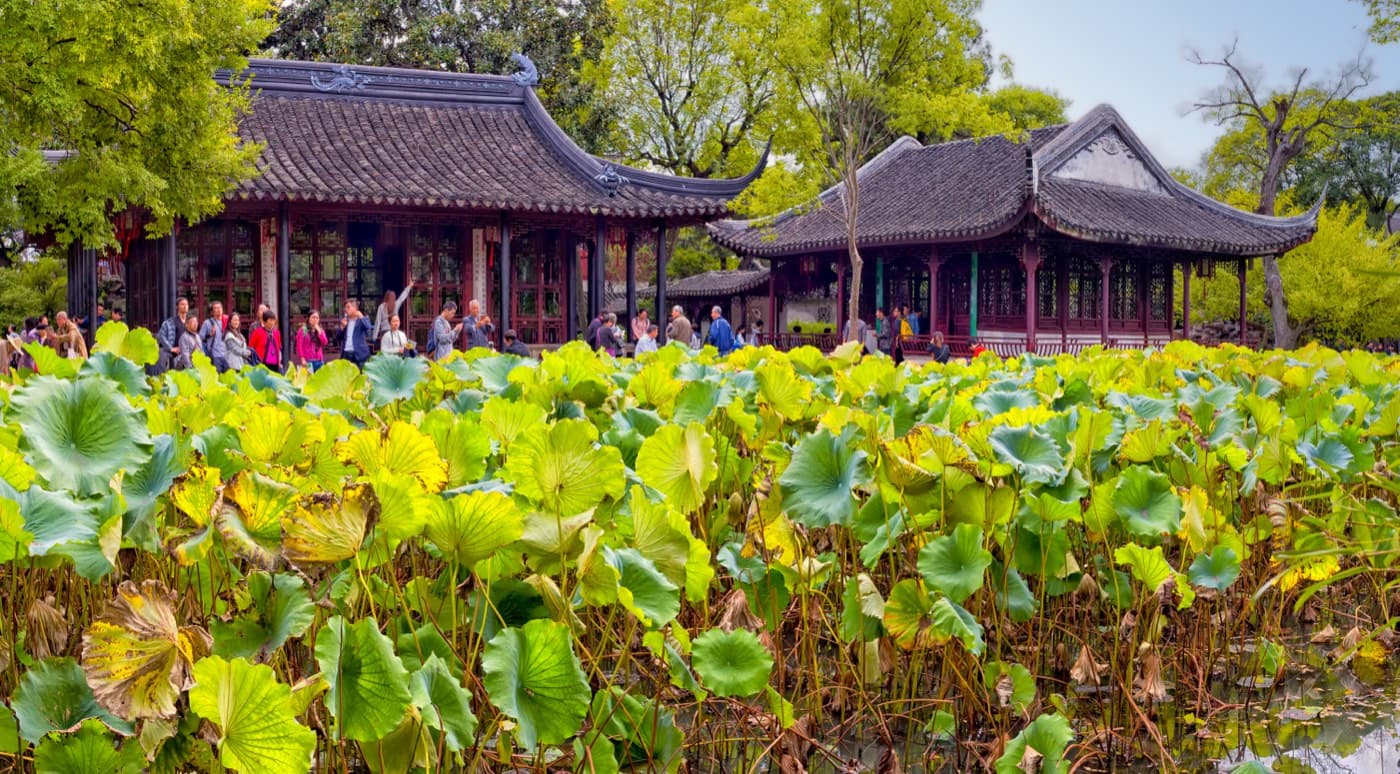
Suzhou is the add-on, not usually the entry point
The cleanest way to think about Suzhou is this: it is a brilliant regional stop, but usually not the international arrival city. Most Western travelers land at Shanghai Pudong or Shanghai Hongqiao, sleep in Shanghai or Suzhou, and use high-speed rail to move through the Yangtze River Delta.
That is good news. You do not need to force Suzhou into an airport plan. Treat Shanghai as the entry machine and Suzhou as the reward: gardens, canals, old lanes, and a slower Jiangnan rhythm less than an hour away by train.
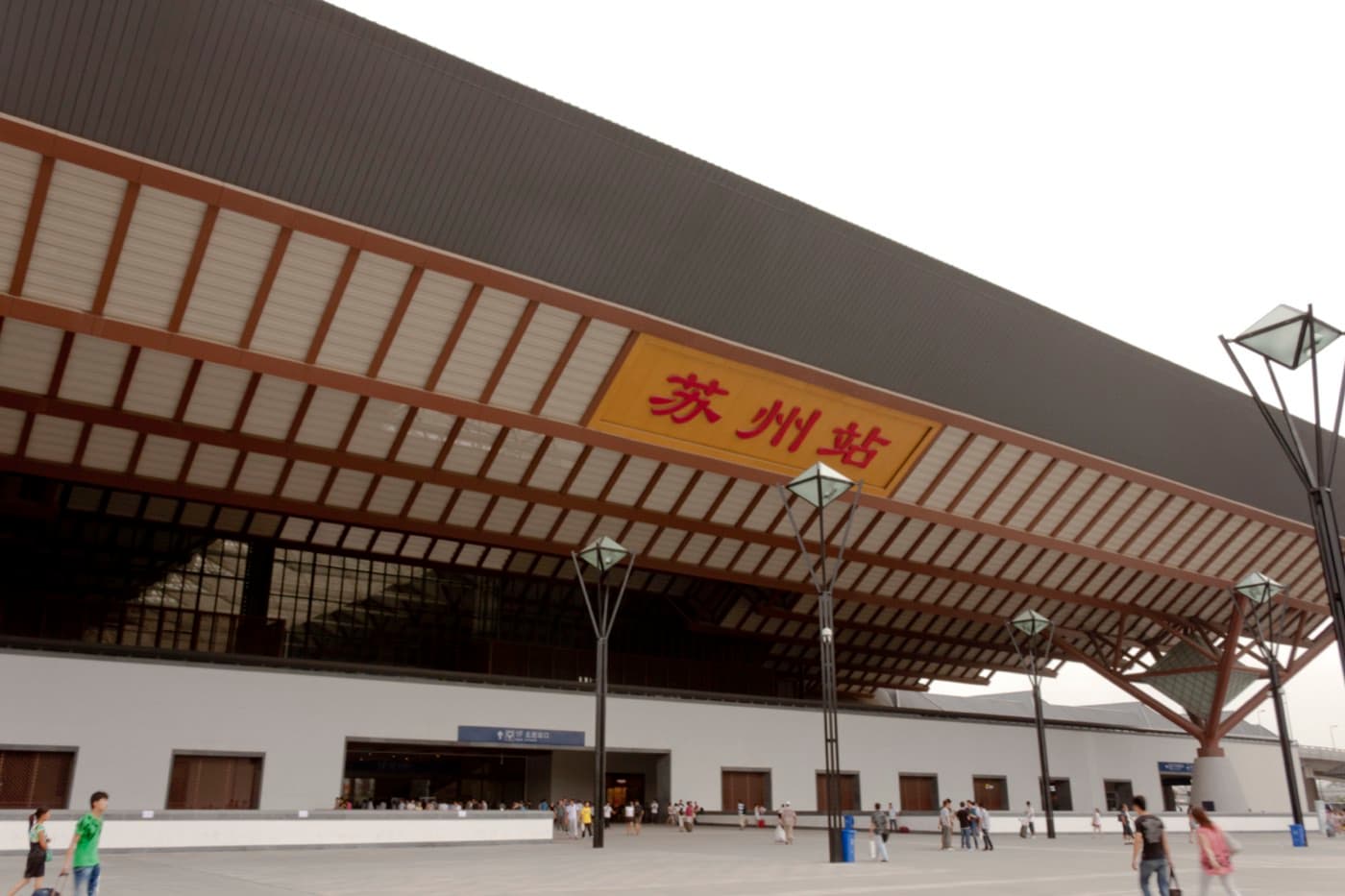
The three checks before you build the plan
Before you get emotionally attached to the itinerary, check three things: whether your nationality is eligible, whether your passport and entry documents meet the requirements, and whether your onward ticket leaves mainland China for a different country or region within the allowed period.
The National Immigration Administration guidance says eligible travelers need a valid international travel document, meet entry requirements for the next destination, and hold confirmed onward arrangements within 240 hours. In practice, that means screenshots are not enough if the airline or border officer wants to see clear ticket details.
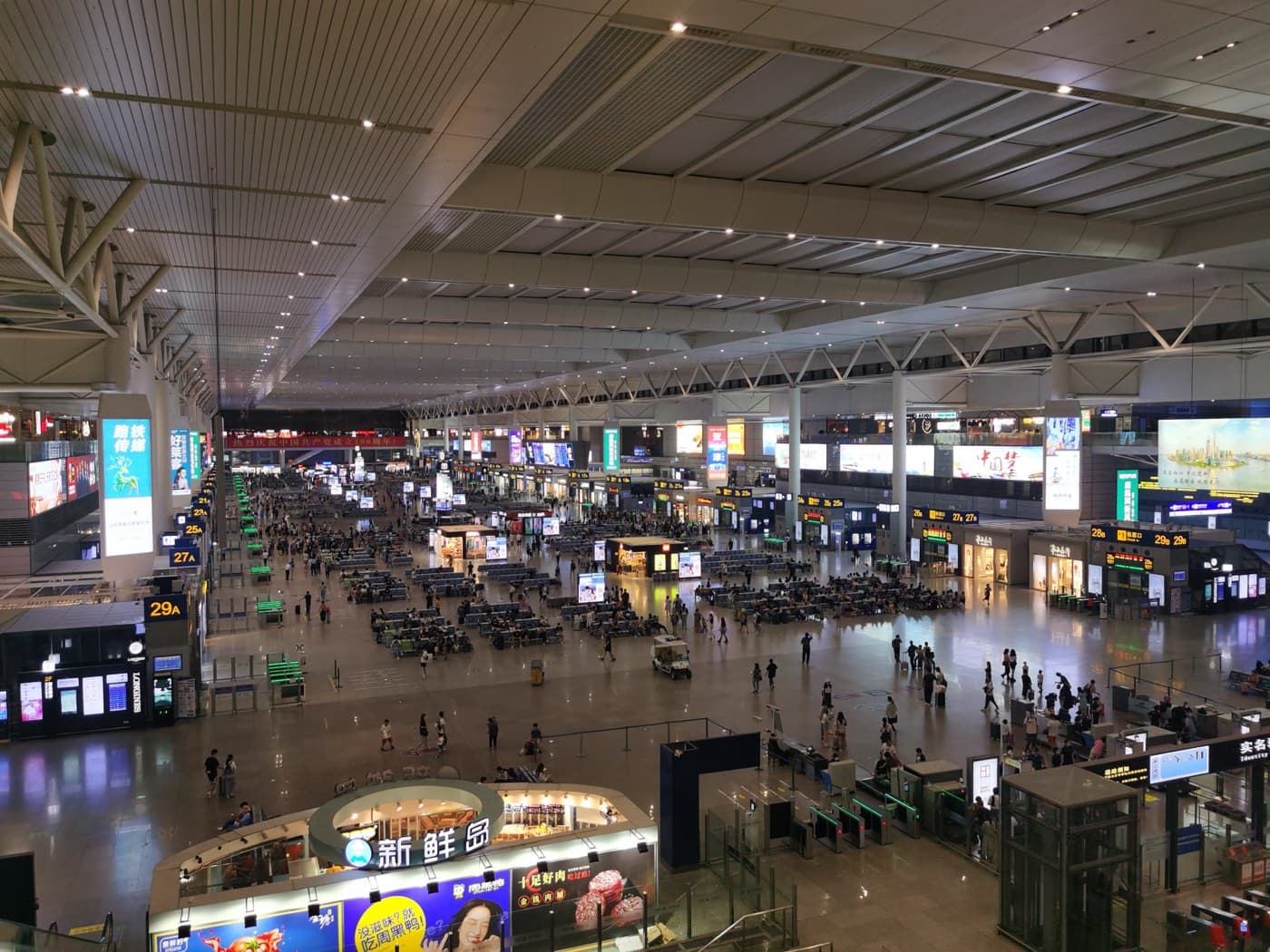
Shanghai plus Suzhou is a natural 240-hour shape
Shanghai's official visa-free transit materials explicitly frame the policy as a way to explore Shanghai and beyond, including Jiangsu and Zhejiang. Suzhou fits that idea perfectly because it gives visitors a different cultural texture without adding domestic-flight stress.
A sensible first route might be: arrive Shanghai, spend one or two nights in Shanghai, take the train to Suzhou for one or two nights, optionally continue to Hangzhou or Nanjing, then return to Shanghai for the outbound international flight. The route feels varied but still logistically calm.
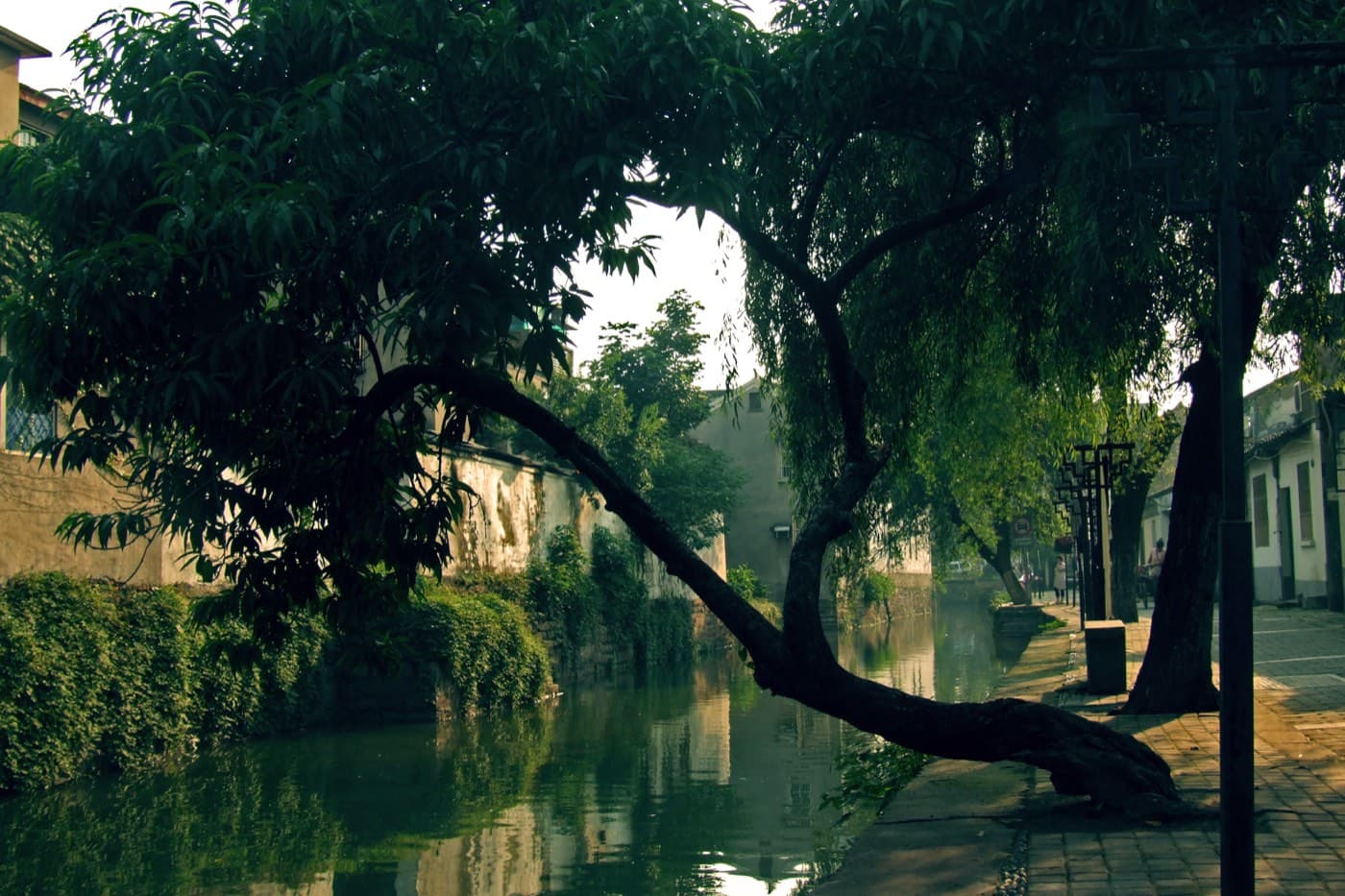
Do not confuse transit with a round trip
The policy is for transit. A classic mistake is thinking that a normal vacation such as United States to China to United States automatically qualifies. It may not. The onward destination must be a third country or region, such as Japan, South Korea, Thailand, Hong Kong, Macau, or another clearly different onward stop.
If your route is New York to Shanghai to Tokyo, Suzhou can be a smart middle chapter. If your route is London to Shanghai to London, do not assume the visa-free transit rule applies just because you are staying less than 240 hours.
Hotel registration still matters
Visa-free does not mean invisible. Foreign visitors still need proper accommodation registration. Hotels that accept foreign guests usually handle this at check-in, which is why passport details and a legitimate hotel booking matter more than travelers sometimes expect.
If you stay in a private apartment, with friends, or in a very small guesthouse, ask how registration will be handled before you arrive. For a short Suzhou trip, a central hotel that routinely checks in foreign guests is the calmer choice.
A simple Suzhou visa-free itinerary
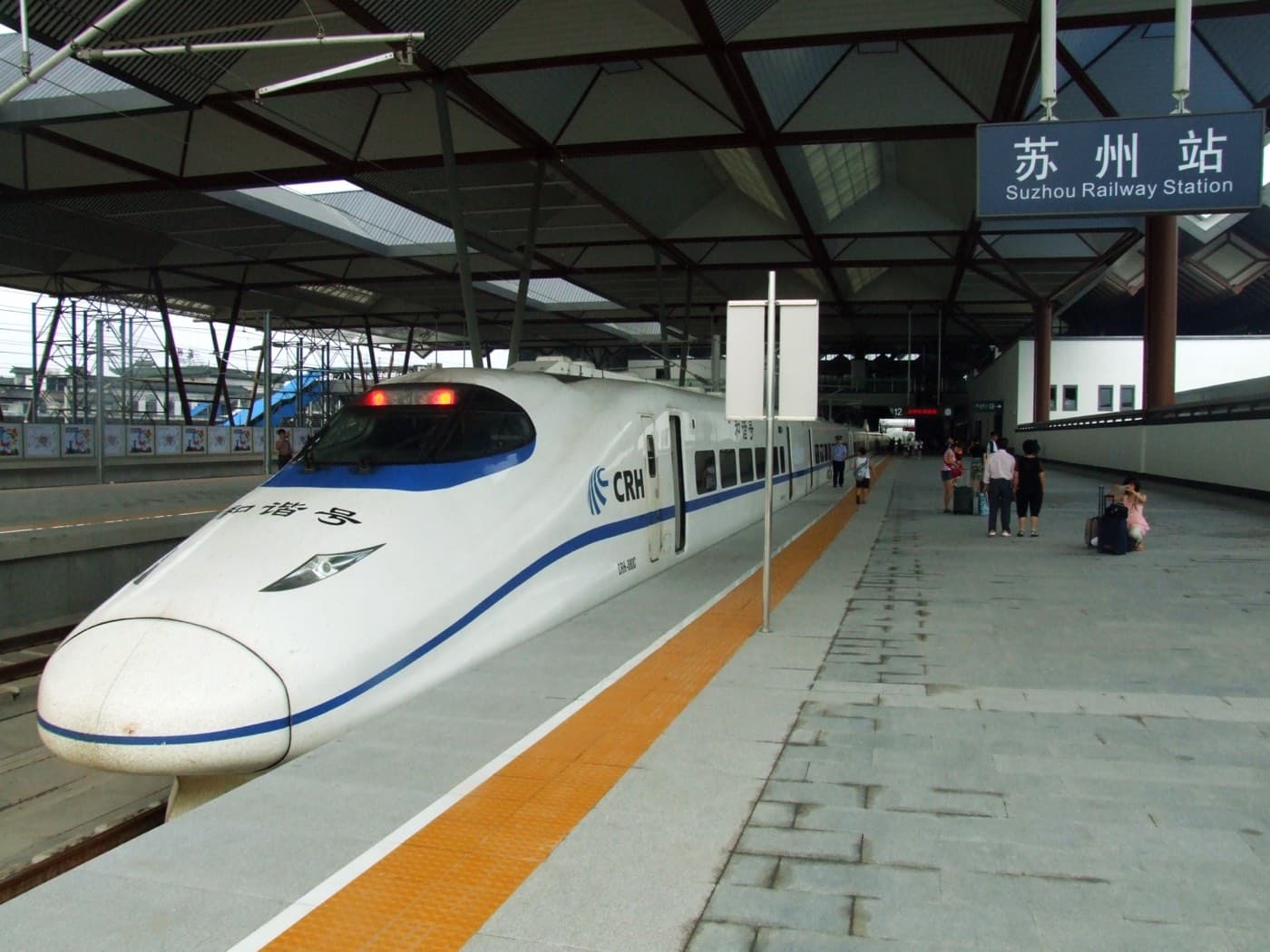
For a first trip, keep it boring on paper and beautiful in real life: land in Shanghai, set up payment and maps, take a high-speed train to Suzhou Station, stay near the old city or metro, visit one major garden, walk Pingjiang Road, then return to Shanghai or continue deeper into the region.
That route gives immigration officers, airlines, hotels, and train stations a story that makes sense. It also gives you what you actually came for: a softer, older, more tactile contrast to Shanghai.