Suzhou / Local Culture
How to Read a Suzhou Garden: Framed Views, Taihu Rocks and the Art of Moving Slowly
A Suzhou garden is easy to photograph and hard to read. Western visitors often arrive expecting flowers, ponds, and old buildings; what they actually enter is a compressed world of staged views, poetic names, scholar taste, architecture, rock, water, and movement. The trick is to stop asking 'what is the main sight?' and start asking 'what is this view trying to make me notice?'
Think miniature world, not park
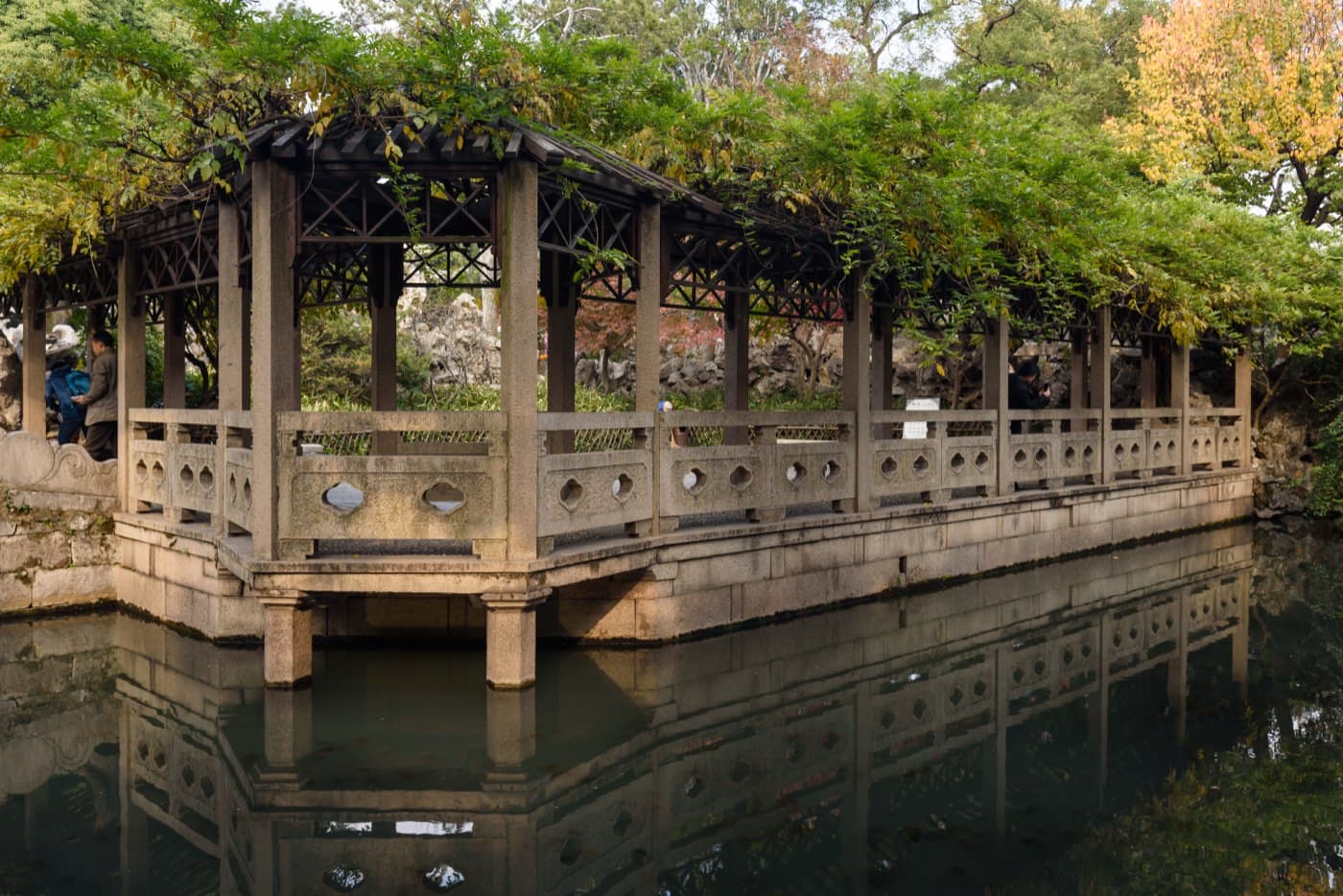
UNESCO describes Suzhou's classical gardens as the finest illustration of classical Chinese garden design, recreating natural landscapes in miniature inside the historic city. That is the first mental switch: a garden is a constructed world, not an open lawn.
The pond is not just water. The rock is not just decoration. The pavilion is not just shelter. Each element helps compress mountains, rivers, paintings, poems, seasons, and social life into a walkable sequence.
Framed views: the garden teaches you where to look
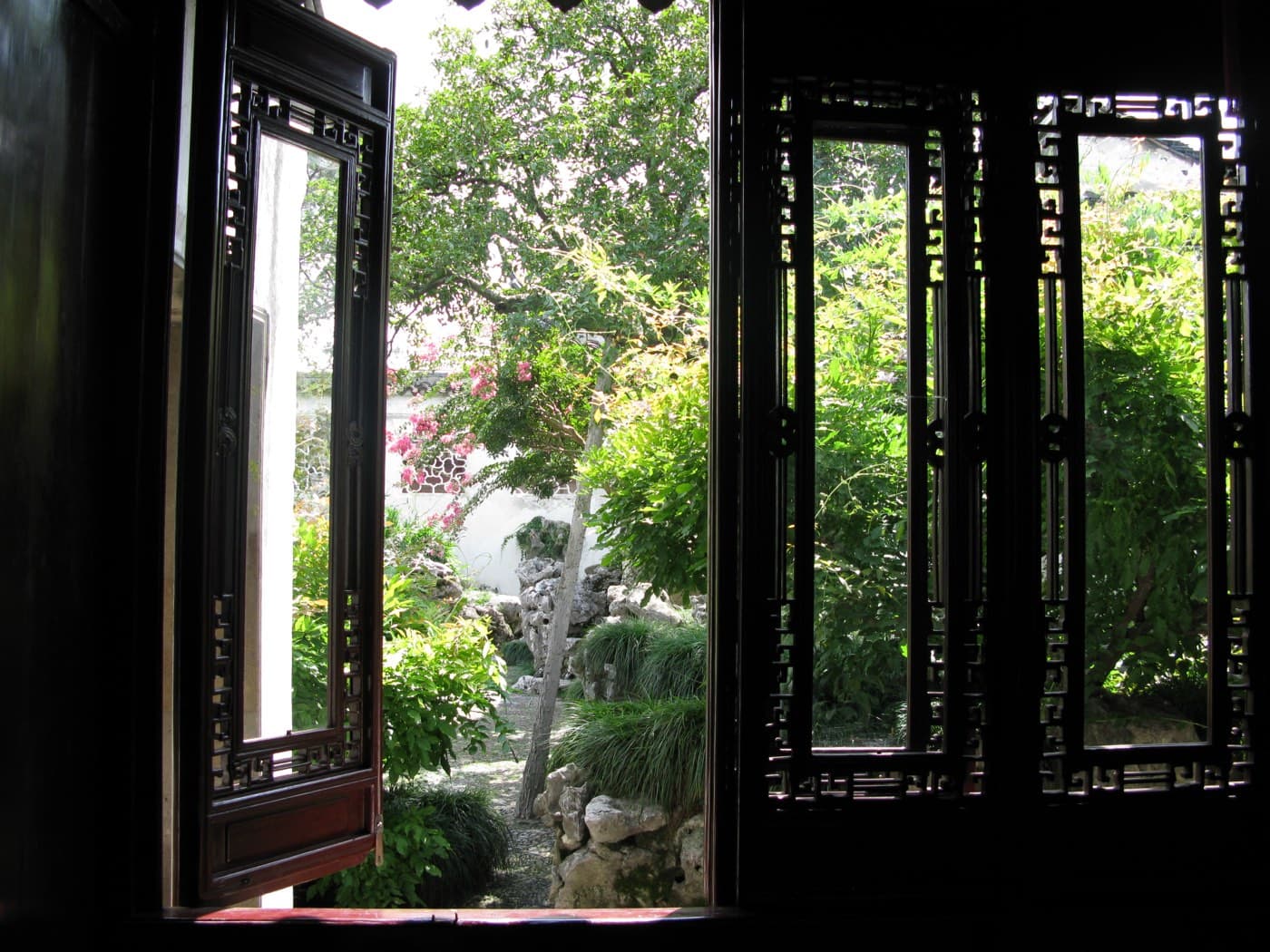
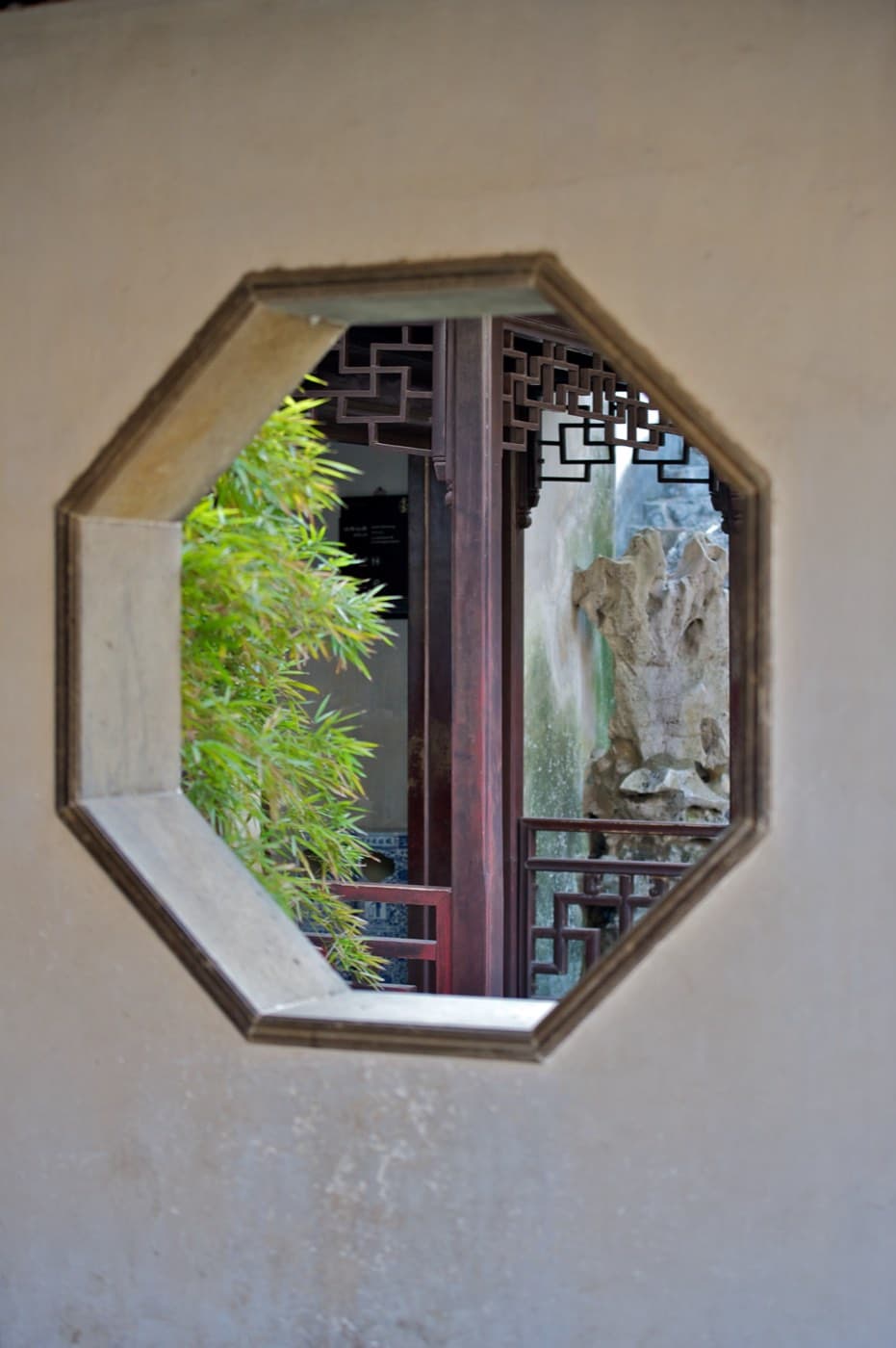
One of the most satisfying ways to read a Suzhou garden is to look through things: windows, moon gates, doorways, lattice screens, corridors, and pavilion openings. The frame edits the world for you, turning a tree, rock, pond, or roofline into a living painting.
This is why rushing through a garden can feel strangely unsatisfying. The best views are often not in the middle of the path; they appear when you pause at a threshold and let the architecture choose the composition.
Moving views: the scene changes as you walk
Chinese garden writing often talks about changing views step by step. You do not consume the whole garden from one grand viewpoint. You move, turn, pass a wall, cross a bridge, enter a corridor, and suddenly the same water or rock appears differently.
That is why corridors matter. They slow you down, control the angle, hide one thing, reveal another, and make the garden feel larger than its physical size.
Taihu rocks: weird is the point
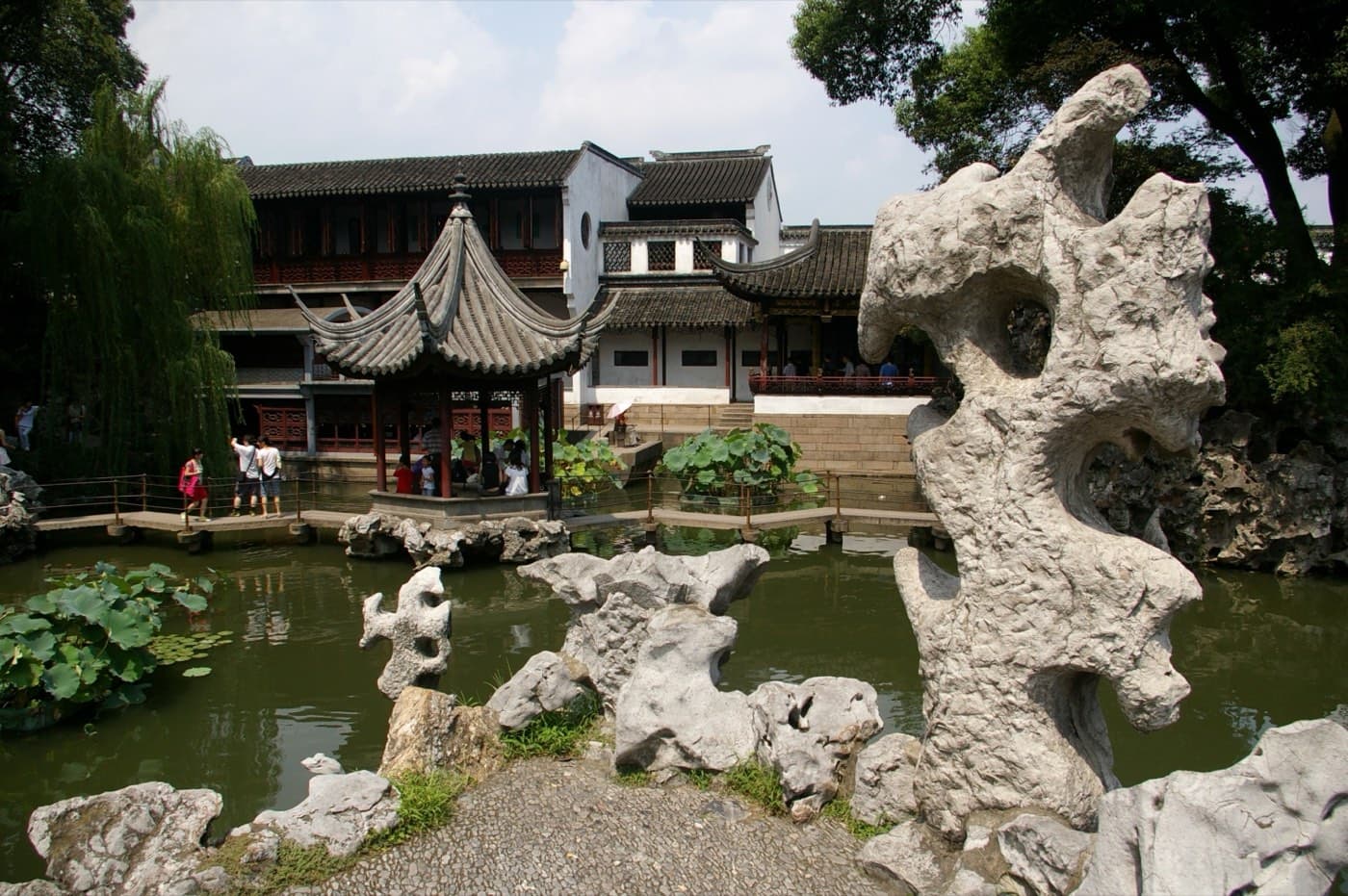
To new visitors, Taihu rocks can look strange: perforated, twisted, vertical, sometimes almost alien. In garden aesthetics, that weirdness is exactly the appeal. The stone suggests mountain peaks, caves, weather, age, and the force of nature in a compact form.
Look for contrast: hard rock against soft water, pale stone against dark timber, irregular form against geometric windows. The garden's beauty is often in those tensions.
Water is a mirror, a pause, and a route
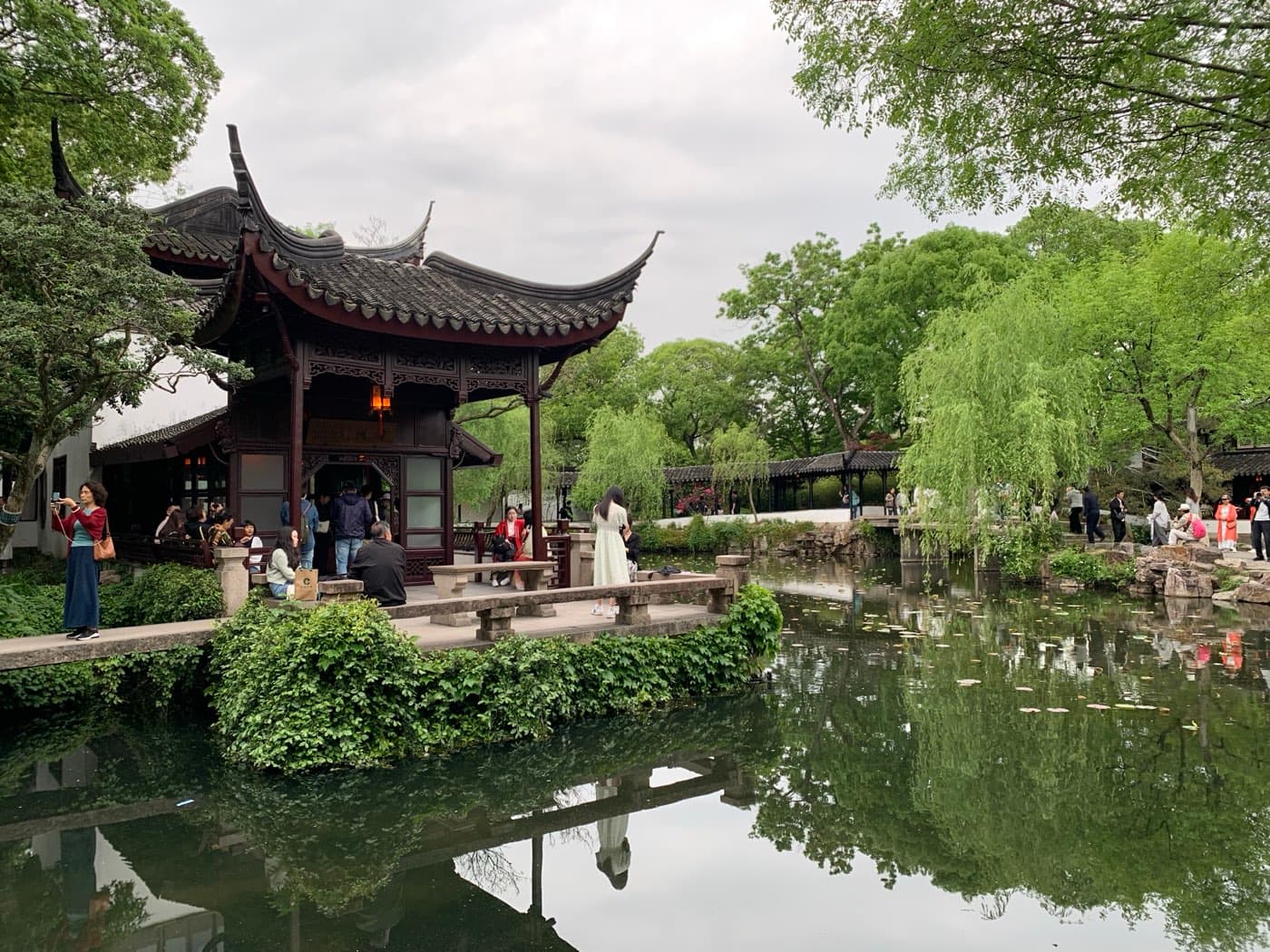
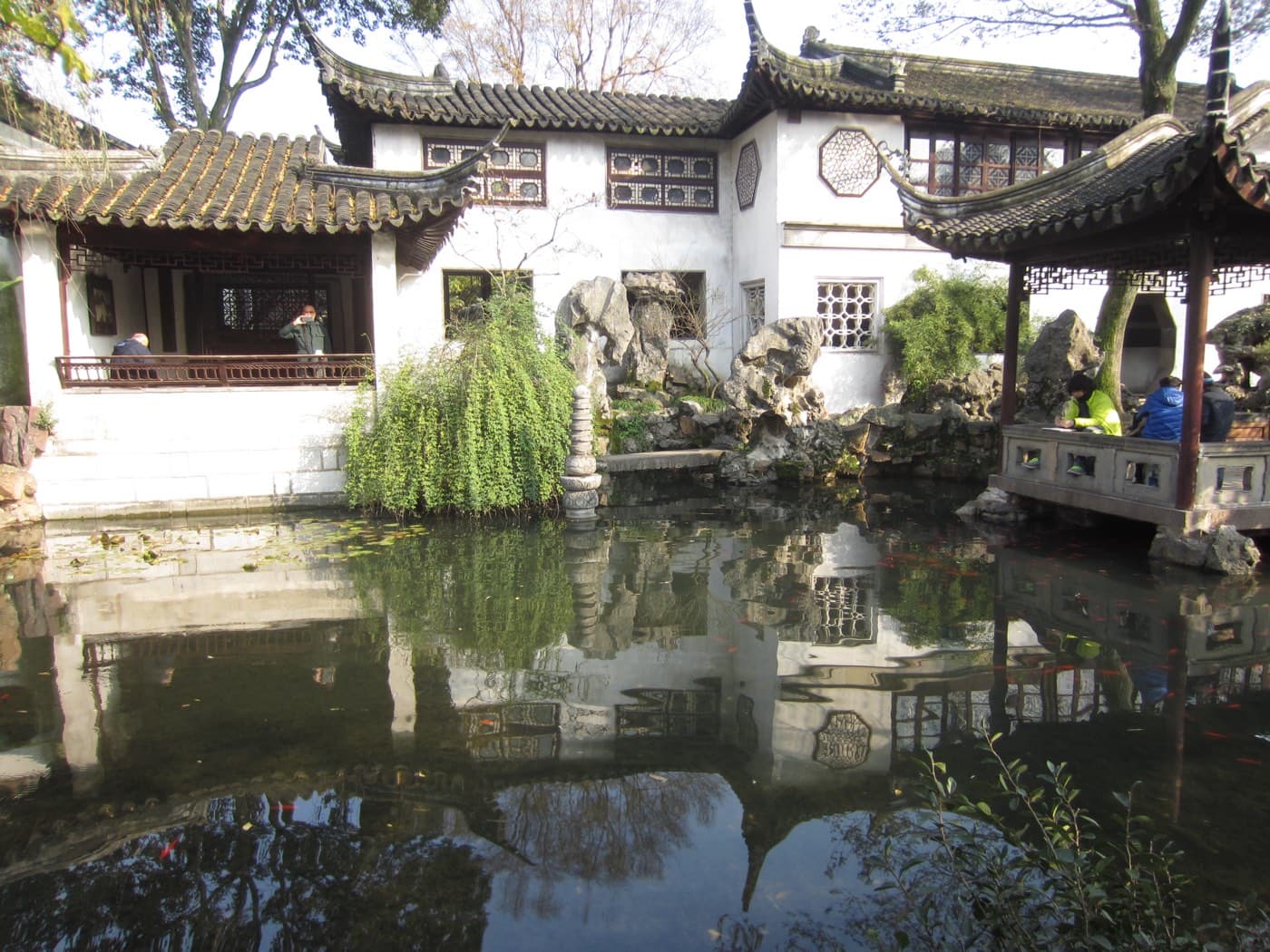
Water in a Suzhou garden is not passive. It reflects roofs and trees, creates distance, cools the space, divides rooms from pavilions, and gives the eye somewhere to rest after dense architecture.
This is where Suzhou's larger city identity and garden identity meet. The old town is shaped by rivers and canals; the gardens turn that water logic inward, into private worlds.
Lingering Garden: a lesson in space
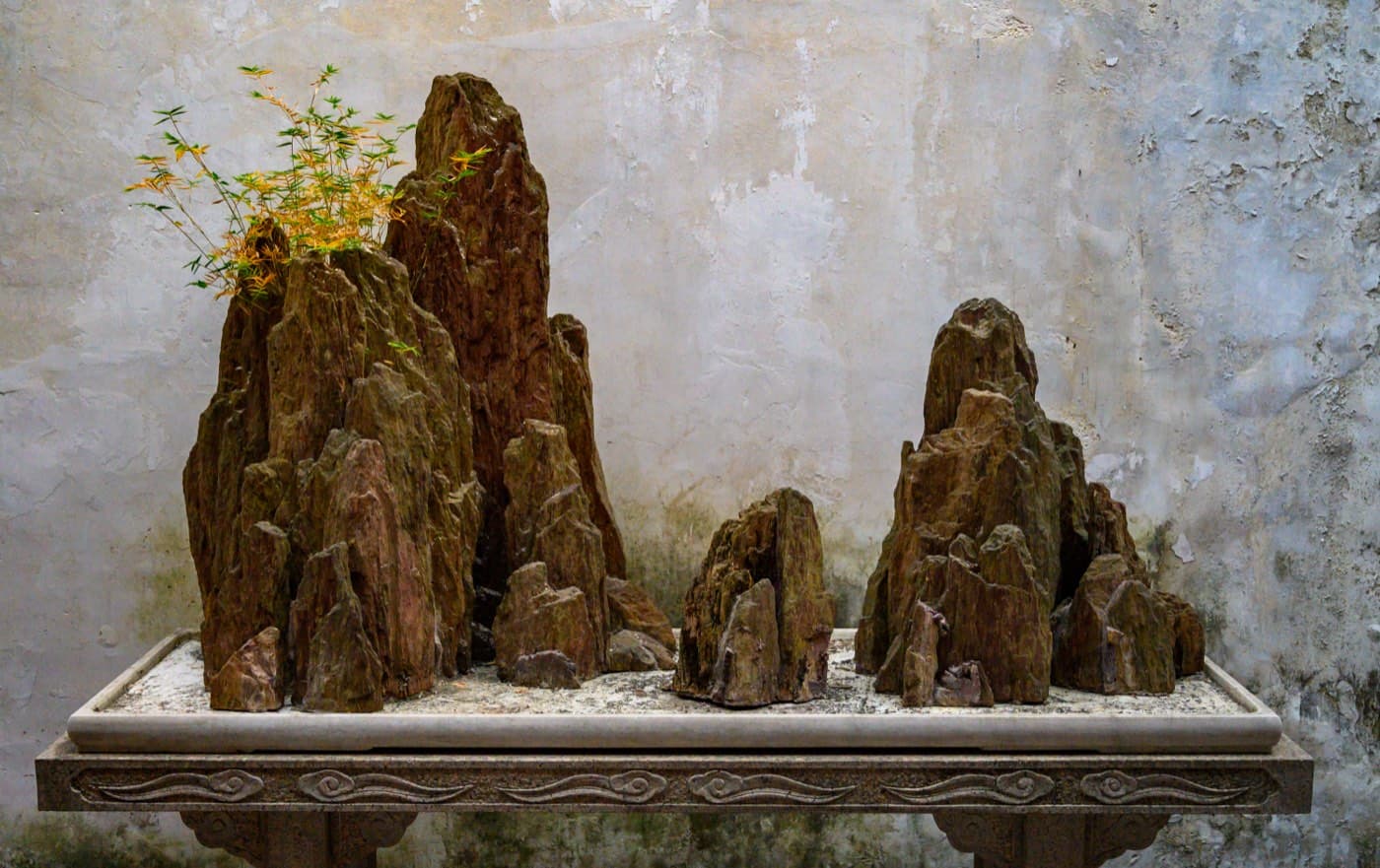
Suzhou's official Lingering Garden guide notes that the garden is known for its arrangement of space and can be divided into different sections, with halls, courtyards, rockery, water, ancient trees, bonsai, and rustic western scenery. That is why Lingering Garden is such a good teaching garden.
Instead of asking which section is 'best', notice how the mood changes. A hall feels formal, a courtyard intimate, a rockery dramatic, a waterside path quiet. The garden is not one picture; it is an edited emotional sequence.
How to visit without missing the point
Choose one major garden and one smaller or contrasting garden instead of packing four into a day. Humble Administrator's Garden gives scale and fame; Lingering Garden gives spatial refinement; Master of the Nets can feel more intimate; Lion Grove is strong for rock drama.
Go early, put the phone down between photos, and pause at every doorway that looks like a frame. The reward is that Suzhou stops being a set of famous names and becomes a way of seeing.