
Suzhou / Practical Guides
Best Time to Visit Suzhou: Garden Blossoms, Osmanthus Air and the Crowd Traps to Dodge
Suzhou is a seasonal city. The same garden can feel fresh and theatrical in spring, golden and perfumed in autumn, damp and heavy in summer, or almost private in winter. The best time is not only about temperature; it is about flowers, light, domestic holidays, hotel prices, and whether you want the canals to feel cinematic or crowded.
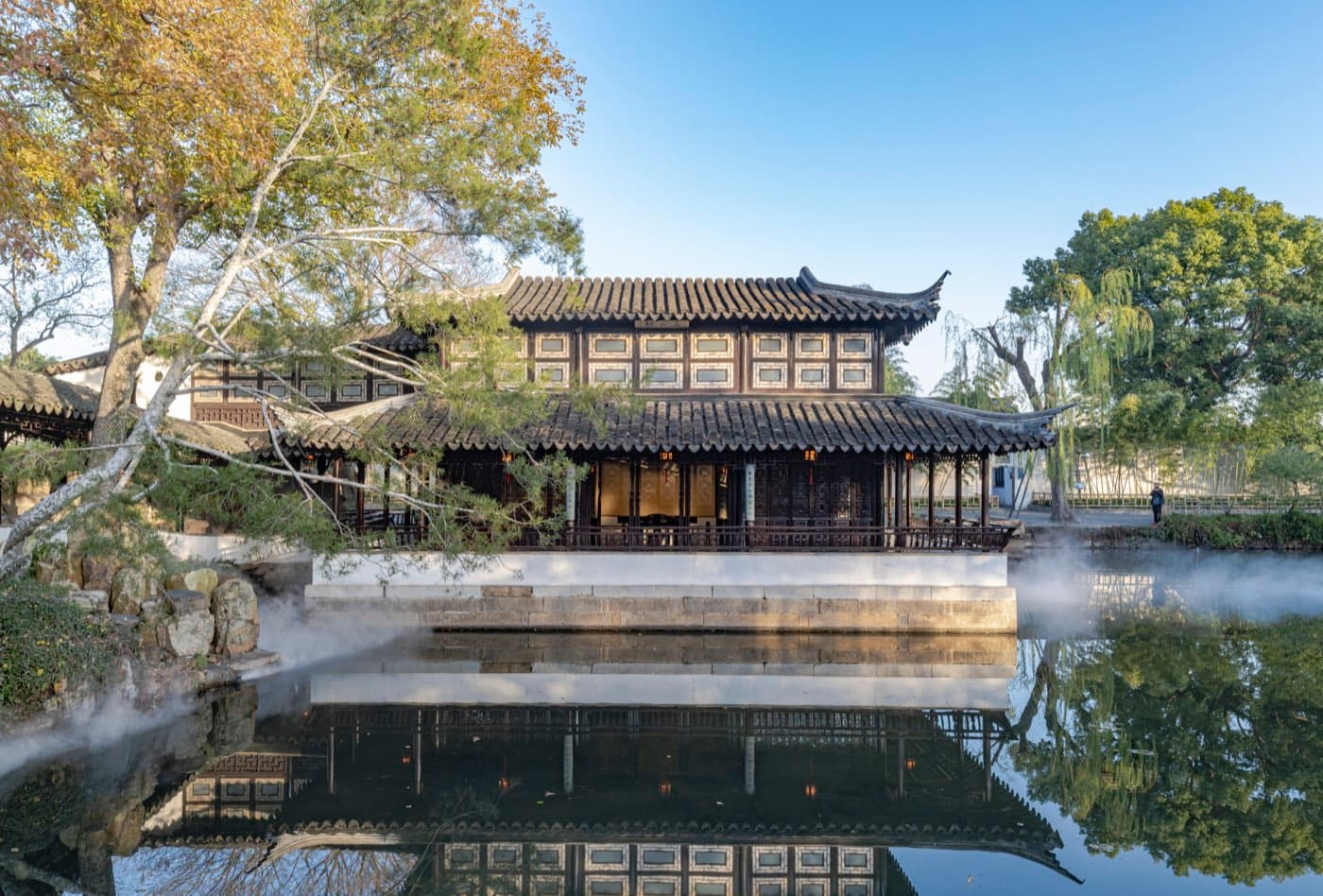
The short answer: spring or autumn
China Highlights' 2026 Suzhou weather guide names March, April, September, and October as the most comfortable months, with spring and autumn giving the best mix of scenery and weather. That lines up with how Suzhou feels on the ground: gardens need softness, color, and time.
If this is your first trip, choose spring for flowers and classic garden romance, or autumn for easier walking, better light, and a more relaxed rhythm after the hottest months.
March to May: flowers, festivals, and the prettiest garden season
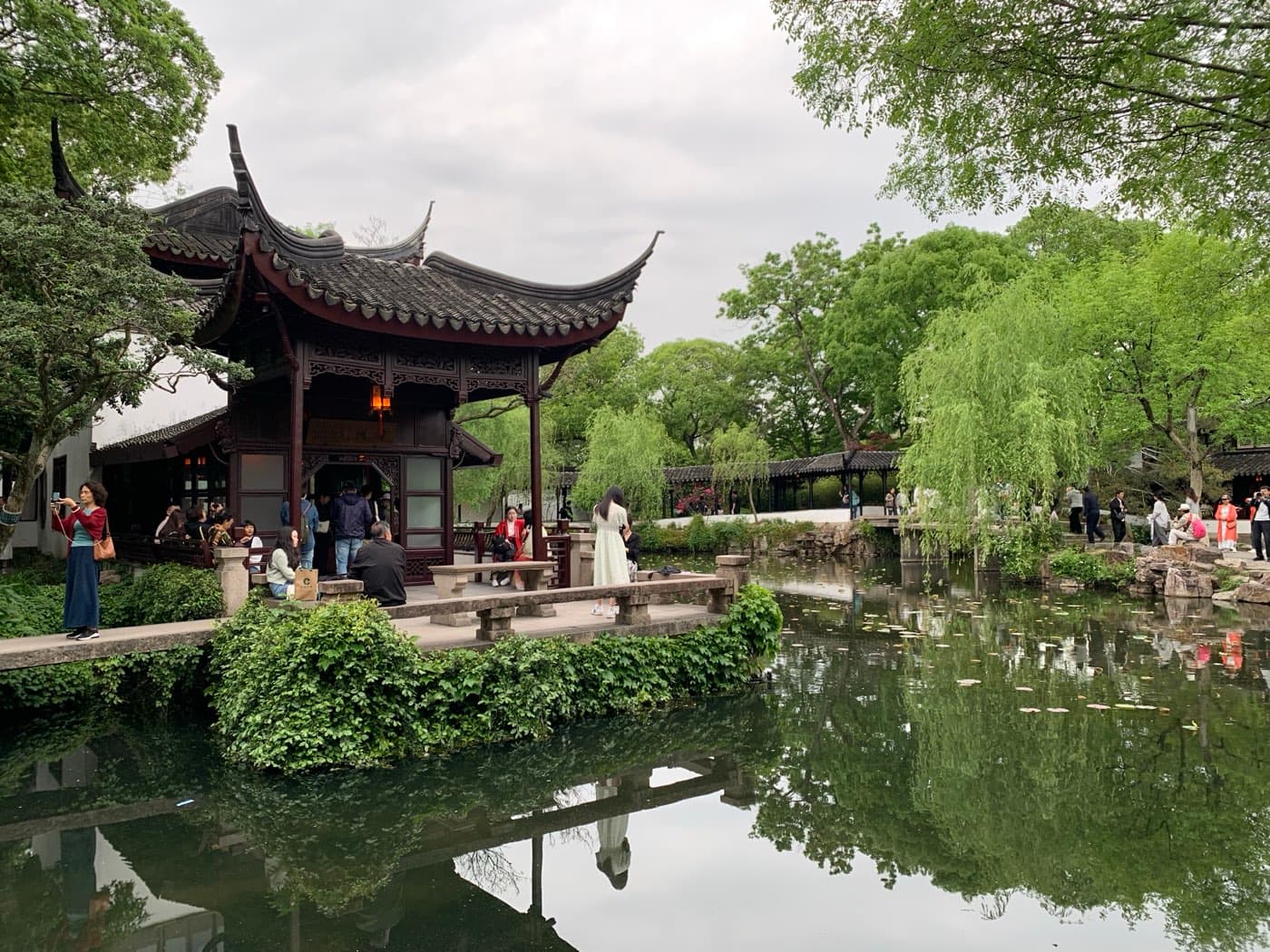
Suzhou's official English government site says the 2026 spring tourism season runs from mid-March to late May, with about 50 themed activities, including flower shows, azalea exhibitions, camellias at Lingering Garden, Tiger Hill Flower Festival, garden events, and Master of Nets Garden night tours.
This is exactly why spring is so attractive. The gardens are not just green; they become staged, fragrant, and photogenic. The risk is crowding, especially around Qingming and May Day. Weekdays are much better than weekends.
September to November: the easiest season to love
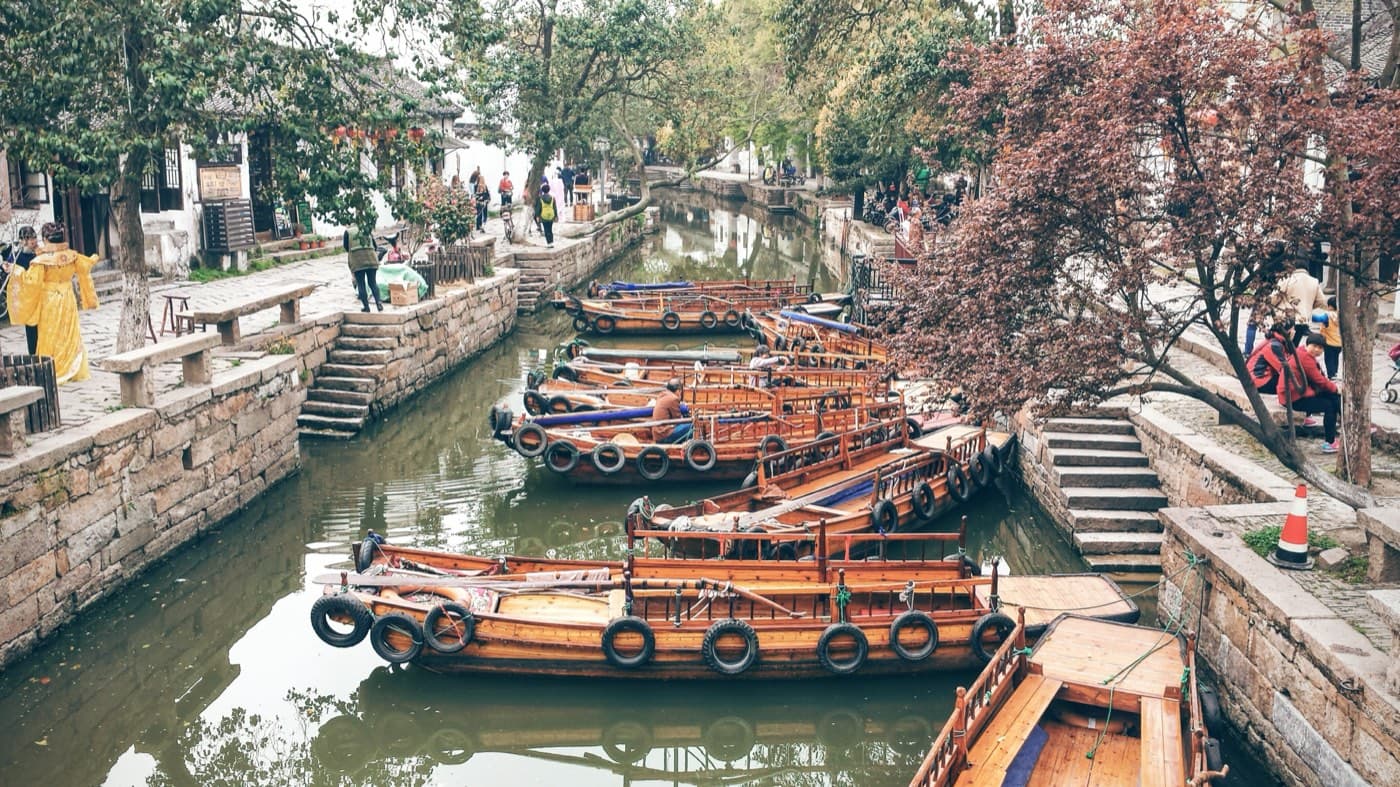
Autumn is the best answer for travelers who care more about comfort than blossom calendars. September and October are usually easier for walking, photography, canal wandering, and garden sitting, while November can still be lovely but starts to feel cooler.
China Highlights notes autumn is sunnier and drier than spring, with osmanthus, red maples, and golden water-town scenes becoming part of the appeal. For many Western visitors, this is the least stressful season.
Summer: doable, but do not romanticize it
June to August can be humid, hot, and rainy. China Highlights describes summer as the least comfortable time, with high humidity, frequent rain, and temperatures that can push outdoor sightseeing into endurance mode.
If summer is your only window, build a heat-proof plan: gardens at opening time, museum or tea break in the afternoon, Jinji Lake or canal walks after sunset, and no heroic midday sprint across stone lanes.
Winter: quiet, colder, and underrated for photos
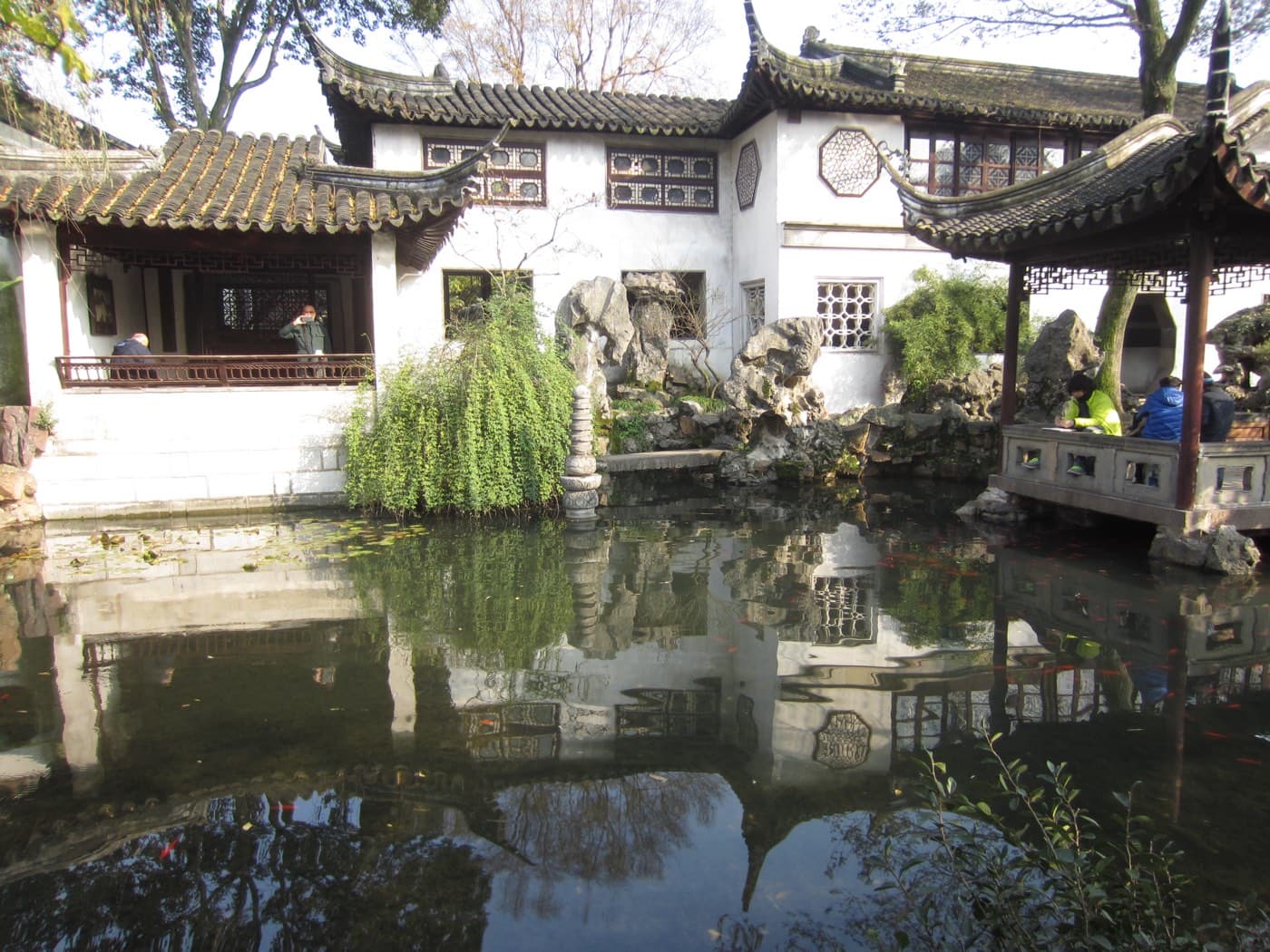
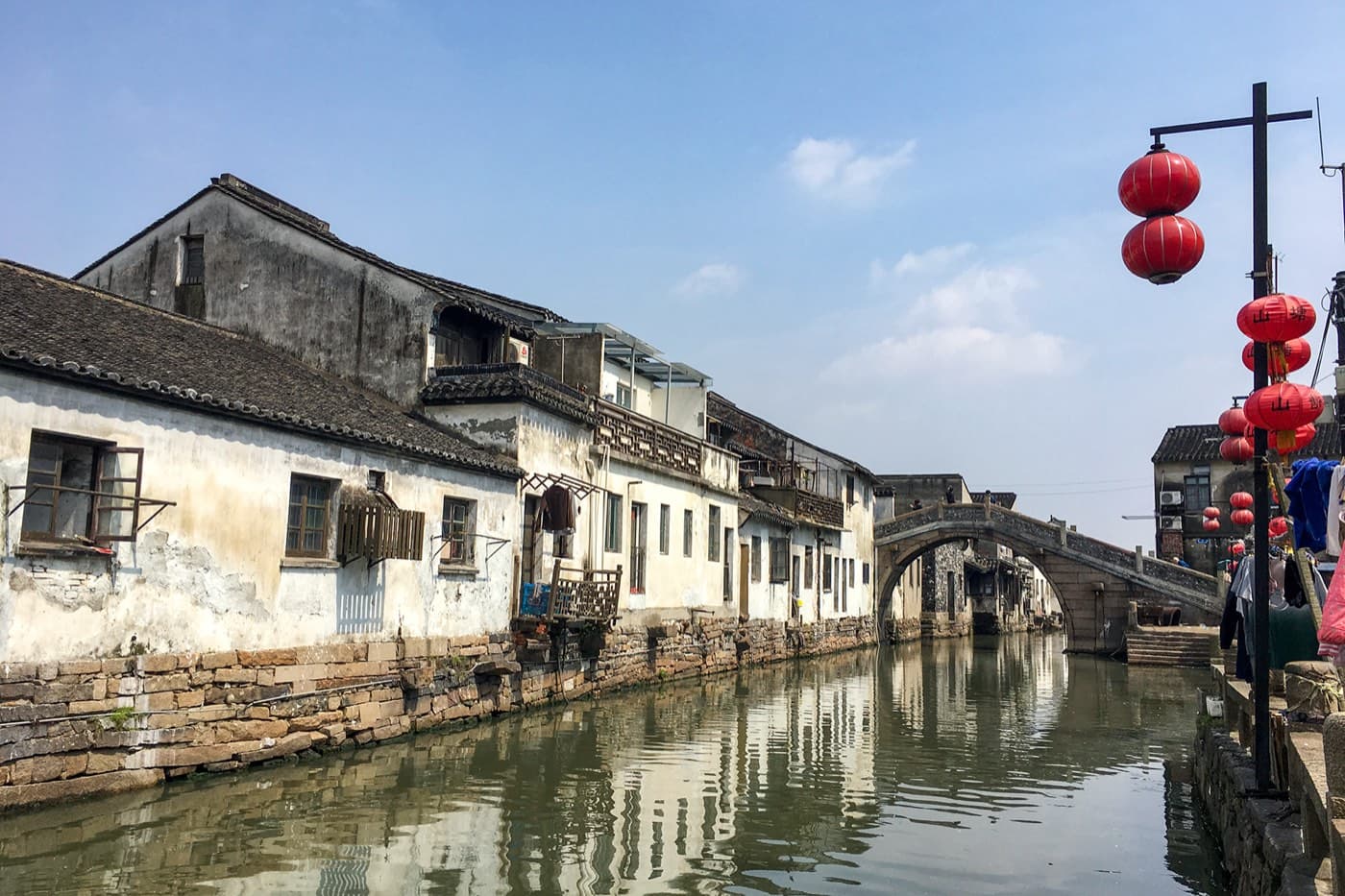
Winter is not Suzhou at its lushest, but it has one major advantage: space. Gardens, old streets, and water towns can feel more private, and the white-wall black-tile architecture photographs well in clean winter light.
Pack for damp cold rather than dramatic northern-China freezing. If you are a photographer or dislike crowds, winter can be surprisingly rewarding, especially if you are already traveling through Shanghai or Hangzhou.
The crowd calendar matters as much as the weather
The biggest mistake is picking a beautiful date that is also a national holiday. Qingming in early April, May Day around May 1, and National Day from October 1 to 7 can make hotels, trains, gardens, and water towns feel dramatically different.
A Reddit traveler asking about Suzhou during early April was warned about Qingming crowds, train tickets, and hotels disappearing fast. That advice is blunt but useful: if your dates overlap a holiday, book early, start mornings early, and reduce the number of famous sights per day.