Shenzhen / Local Culture
From Border Town to Future Lab: Shekou, Deng Xiaoping and the Story Behind Shenzhen Speed
Shenzhen's most famous story is almost too fast to feel real: a border town beside Hong Kong becomes China's first Special Economic Zone, then turns into a skyline of towers, ports, factories, parks, campuses, labs, malls, and hardware markets. The phrase 'Shenzhen speed' is not only about construction. It is about a city that learned to treat change as normal weather.
A city built as an experiment
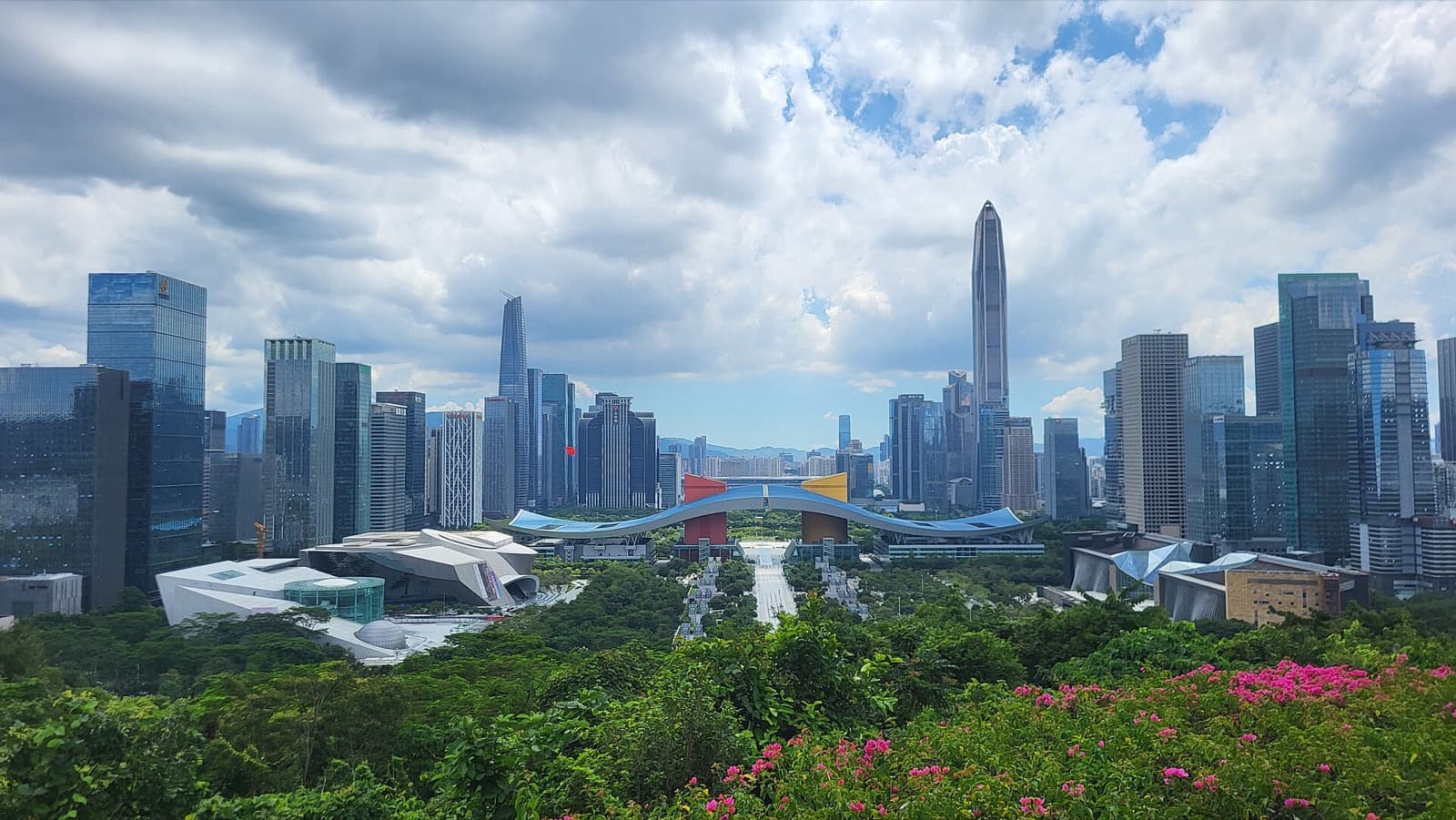
EyeShenzhen's official city profile dates Shenzhen's establishment to March 1979 and notes that it became China's first Special Economic Zone in August 1980. That makes Shenzhen's modern identity unusually legible: policy, geography, and ambition collided beside Hong Kong.
For visitors, the key is not to compare Shenzhen with Xi'an, Beijing, or Nanjing. Shenzhen is not trying to impress you with imperial ruins. Its historical drama is the speed of urban invention.
Deng Xiaoping turns the skyline into a story
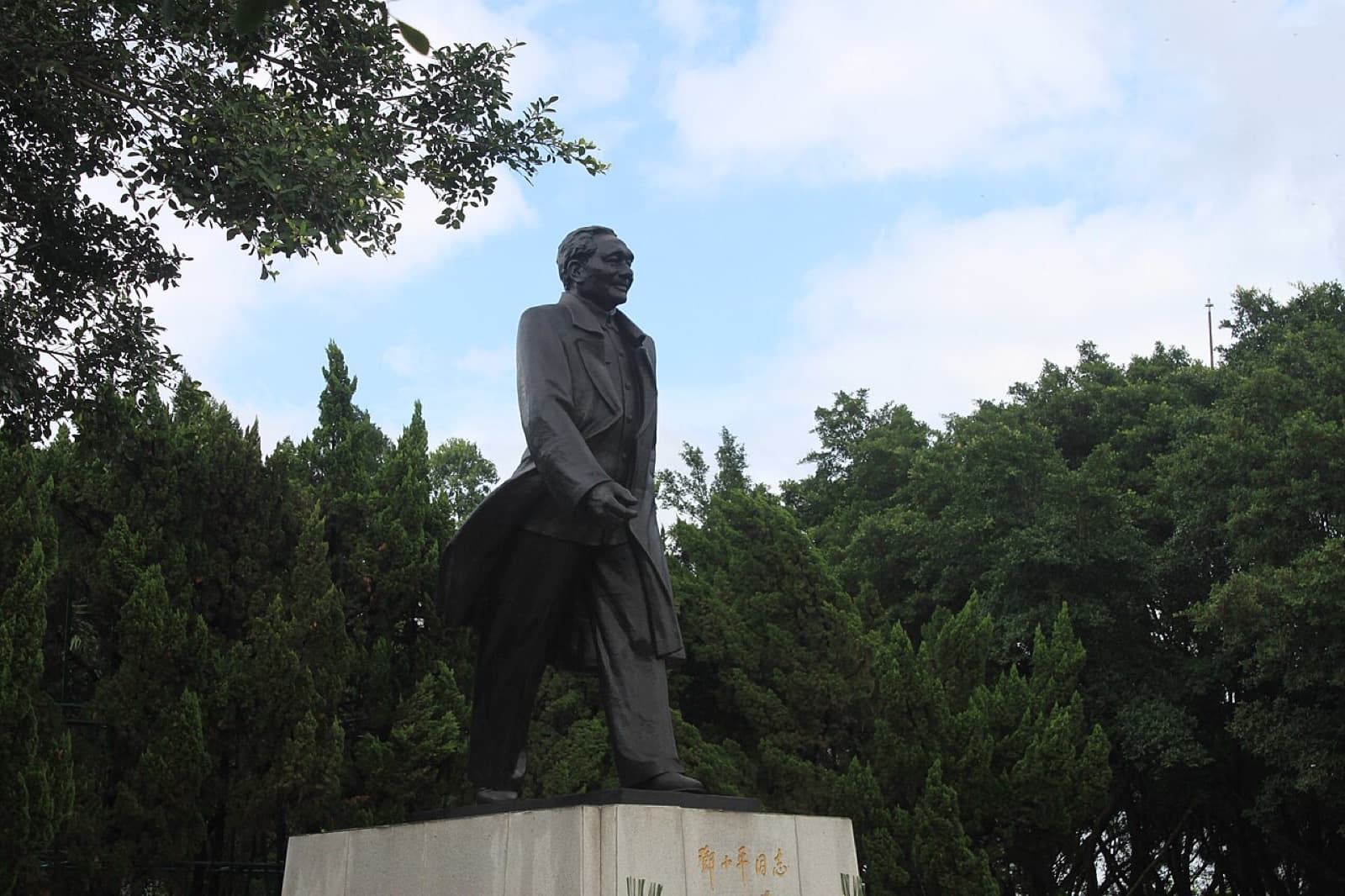
Lianhua Hill Park is the most efficient place to understand the official reform narrative because the Deng Xiaoping statue faces the city that reform helped make possible. Without that context, Futian can look like any polished business district.
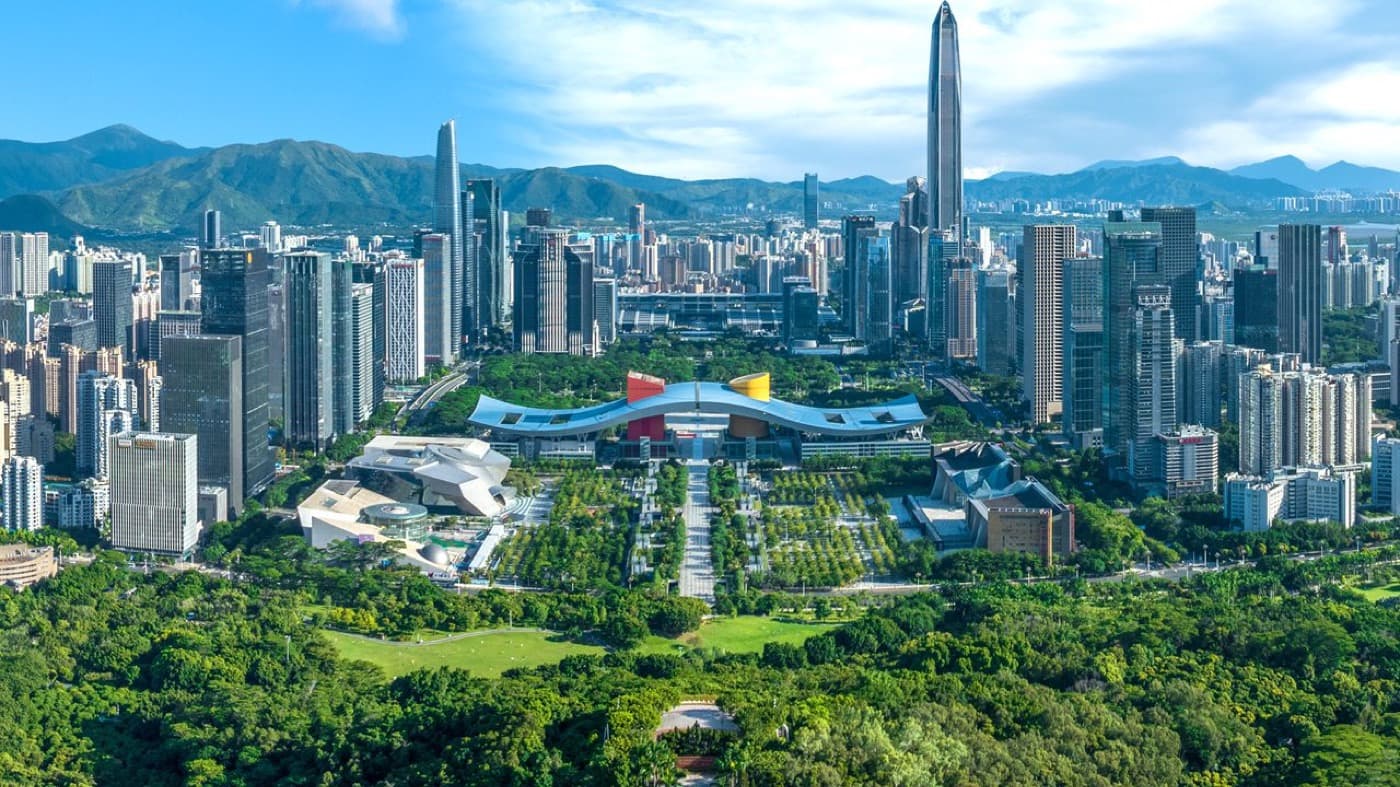
With that context, the skyline becomes a kind of urban argument: China could test, build, open, manufacture, finance, and iterate at a scale that few cities have matched.
Shekou is where the story becomes human
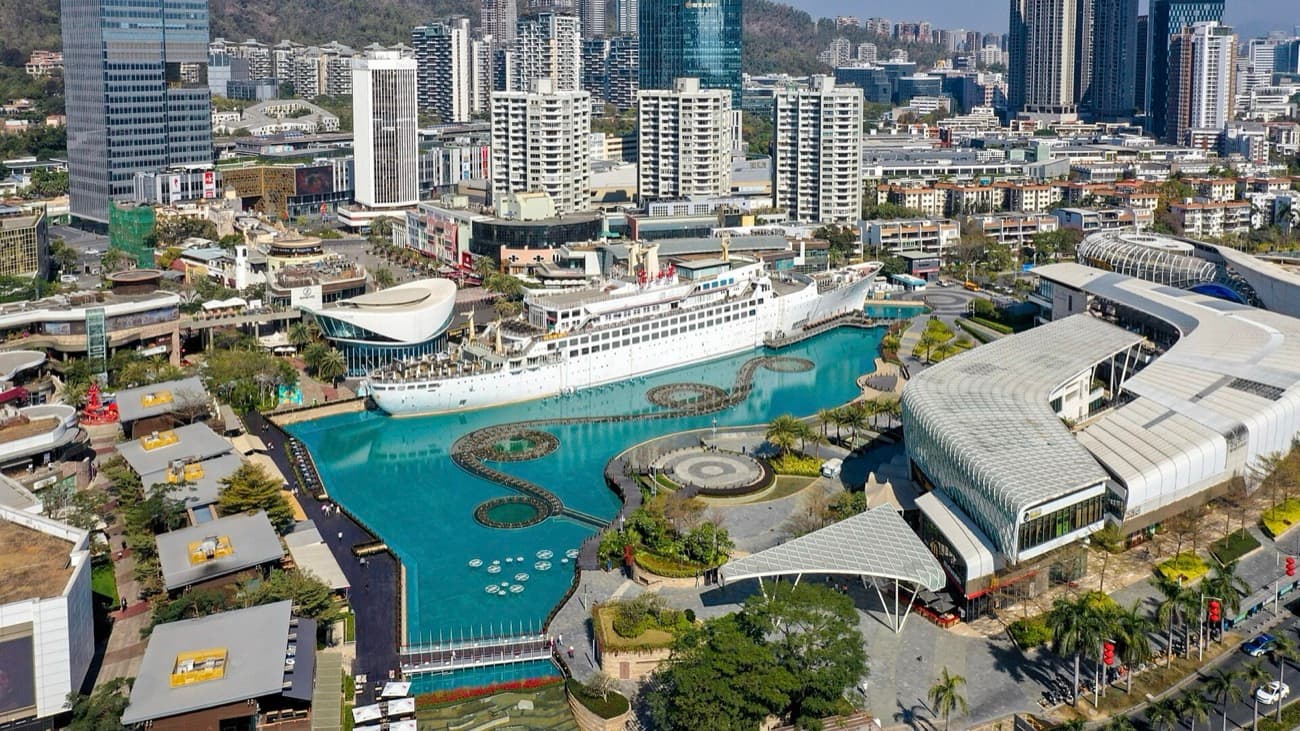
Shekou gives the reform story a different texture. It is port-side, international, slightly looser, and tied to early industrial and maritime experimentation. Sea World and the Minghua ship can feel playful today, but the area still carries the memory of Shenzhen as a frontier of opening.
That is why Shekou is more than a dinner district. It shows how the city learned to face outward: to ships, foreign workers, international business, and a wider Pearl River Delta network.
Shenzhen speed is not only construction speed
The popular phrase 'Shenzhen speed' often points to fast building, fast growth, and fast business. But for travelers, it is more useful to think of it as a civic habit: testing, adjusting, replacing, and moving on.
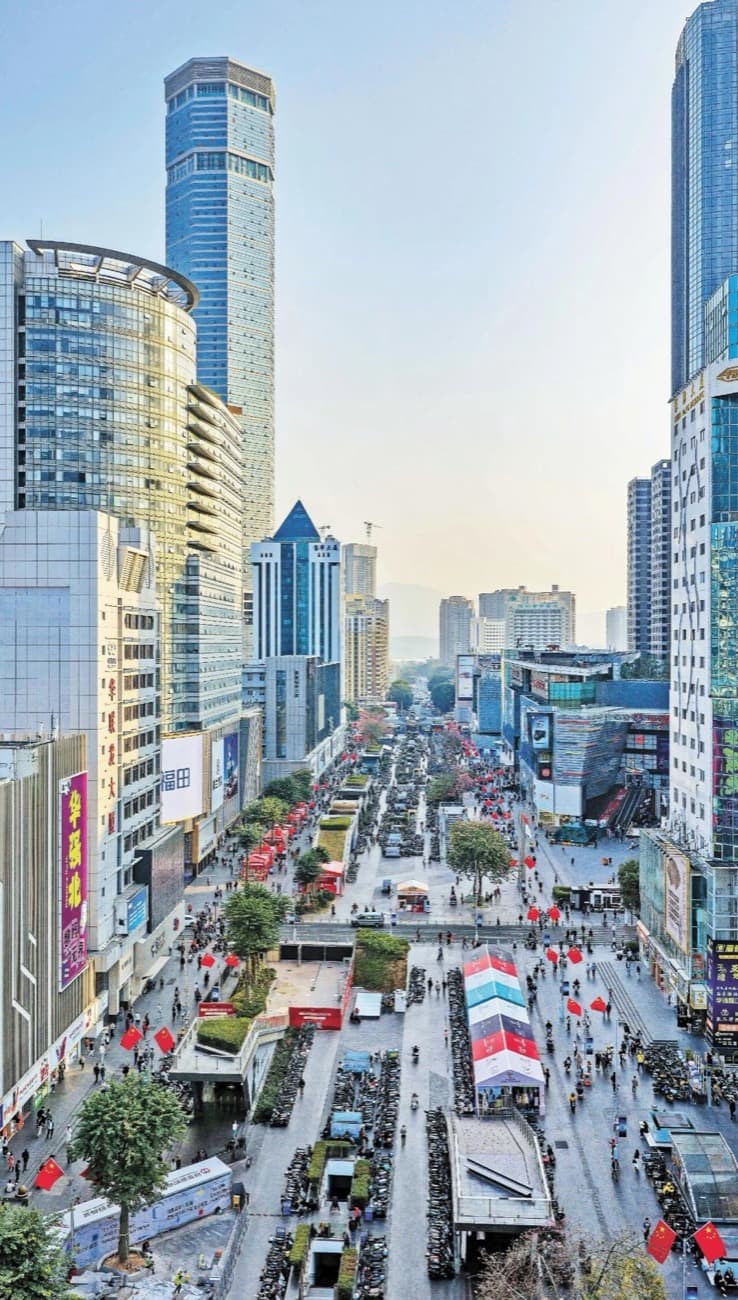
That habit explains the city. Restaurants change quickly, neighborhoods redevelop, metro lines expand, gadgets appear before they feel finished, and old urban villages sit beside new towers. The city rarely waits for nostalgia to catch up.
The innovation city is also a policy city
EyeShenzhen's city profile frames Shenzhen as a pioneer, trailblazer, and window into China's reform and opening. That official language may sound formal, but it points to a real travel insight: Shenzhen is easier to read if you treat it as a city shaped by decisions, incentives, and experiments.
This does not make the city less interesting. It makes it different. You are visiting a place where policy became streets, factories, parks, ports, and company campuses.
How to turn the theme into a day
Start at Lianhua Hill, then walk or metro toward Civic Center. Add Huaqiangbei if you want to see the hardware economy, or continue to Shekou and Sea World if you want the port-side version of opening. End at Shenzhen Bay if you want the Hong Kong relationship in the landscape.
That route is more interesting than a simple checklist because it makes Shenzhen's abstract story visible: hill, statue, CBD, market, port, bay.