
Shenzhen / Local Culture
No One Is From Shenzhen, Which Is Why Shenzhen Works: A Visitor's Guide to China's Migrant City
Shenzhen can feel oddly easy to enter because so many people in the city entered it first. It is not a capital with centuries of inherited manners or a port city leaning on old glamour. It is a city built by arrivals: factory workers, engineers, designers, salespeople, founders, graduates, delivery riders, families, and people who came because the future seemed slightly more negotiable here.
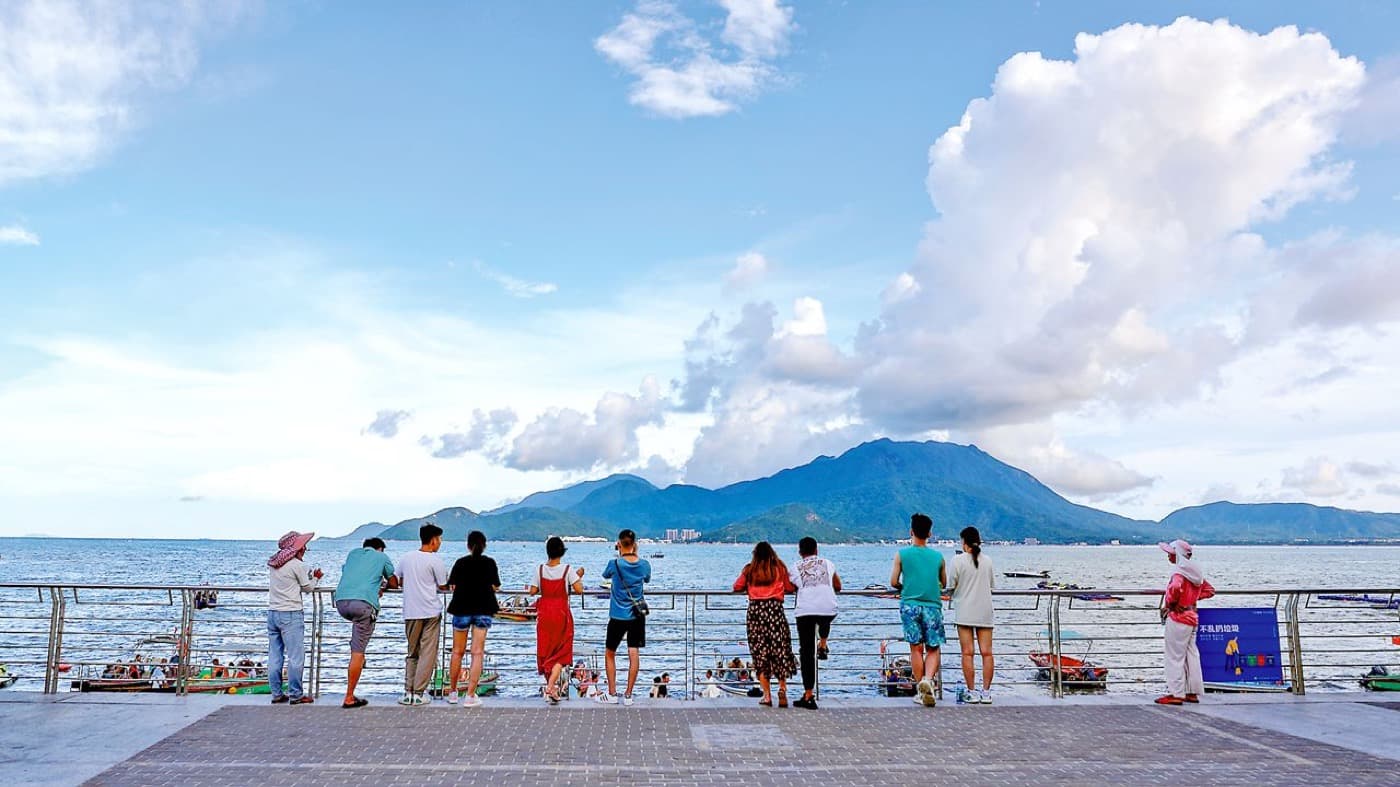
The real Shenzhen story starts with arrivals
EyeShenzhen's official city profile calls Shenzhen a young immigrant city and a magnet for innovative, entrepreneurial, and creative talent. That is not just a slogan. It is the core social fact of the place.
Many Western travelers arrive expecting a tech city, a border city, or a Hong Kong side trip. Those labels are true, but incomplete. Shenzhen is also a city where the question 'where are you from?' is normal because so many people have an answer from somewhere else.
Mandarin is the social operating system
Unlike Guangzhou or many older Guangdong cities, Shenzhen runs mostly on Mandarin. The official city profile notes Mandarin as the mainstream language, while Cantonese, English, and local dialects also appear in different contexts.
For visitors, that matters. Mandarin is not only a language here. It is a practical compromise among people from Hunan, Hubei, Sichuan, the Northeast, Guangdong, Henan, Guangxi, Jiangxi, and everywhere else. The city sounds like movement.
Why the city feels young
Shenzhen's average age has been reported at 32.5 in the seventh national census, and you can feel that youth in the rhythm of the city: late dinners, long commutes, crowded metro transfers, new malls, startup talk, skill training, livestream rooms, and weekend escapes to parks or the coast.
This is not the same as saying the city is carefree. Young cities can also be intense. Shenzhen's optimism is tied to pressure: rent, speed, competition, deadlines, and the constant sense that someone else is moving faster.
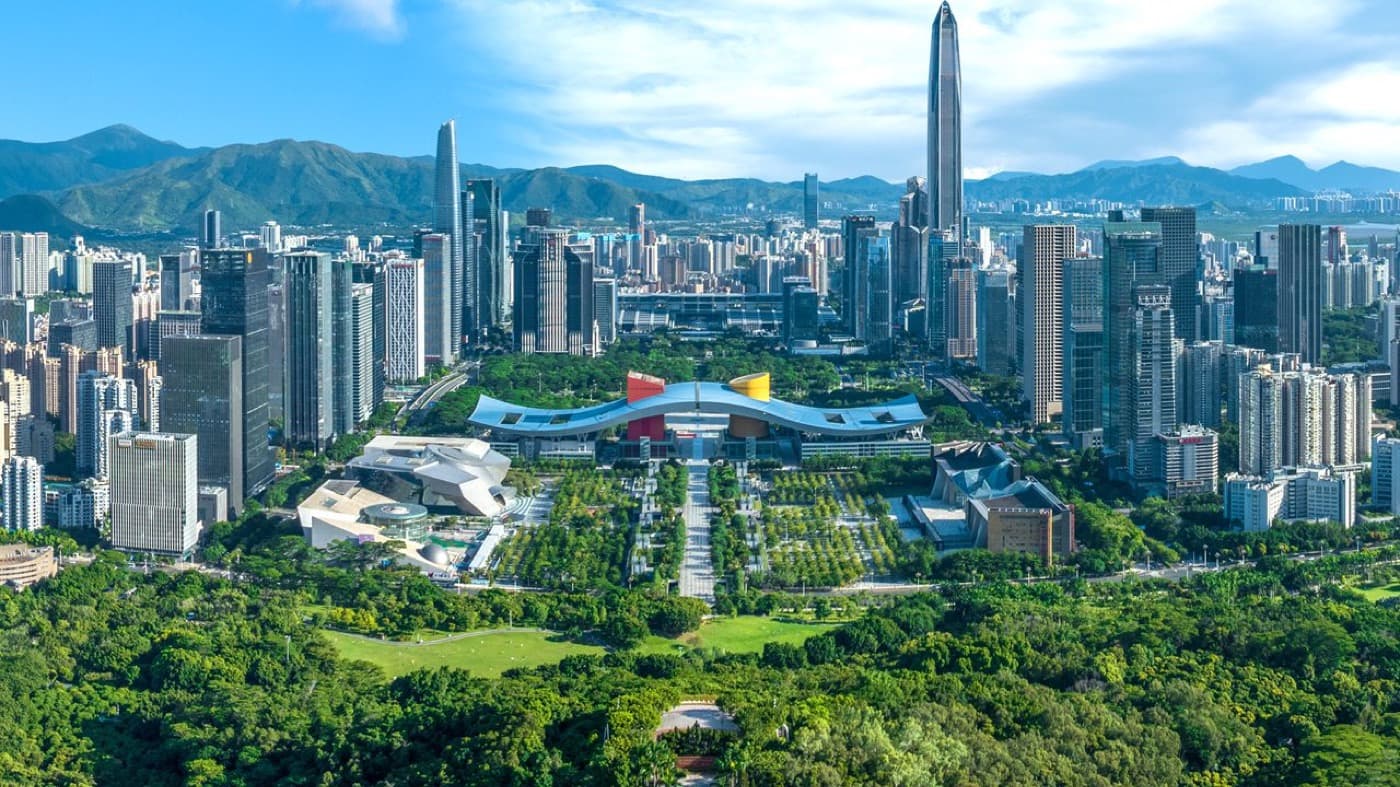
Urban villages are part of the memory
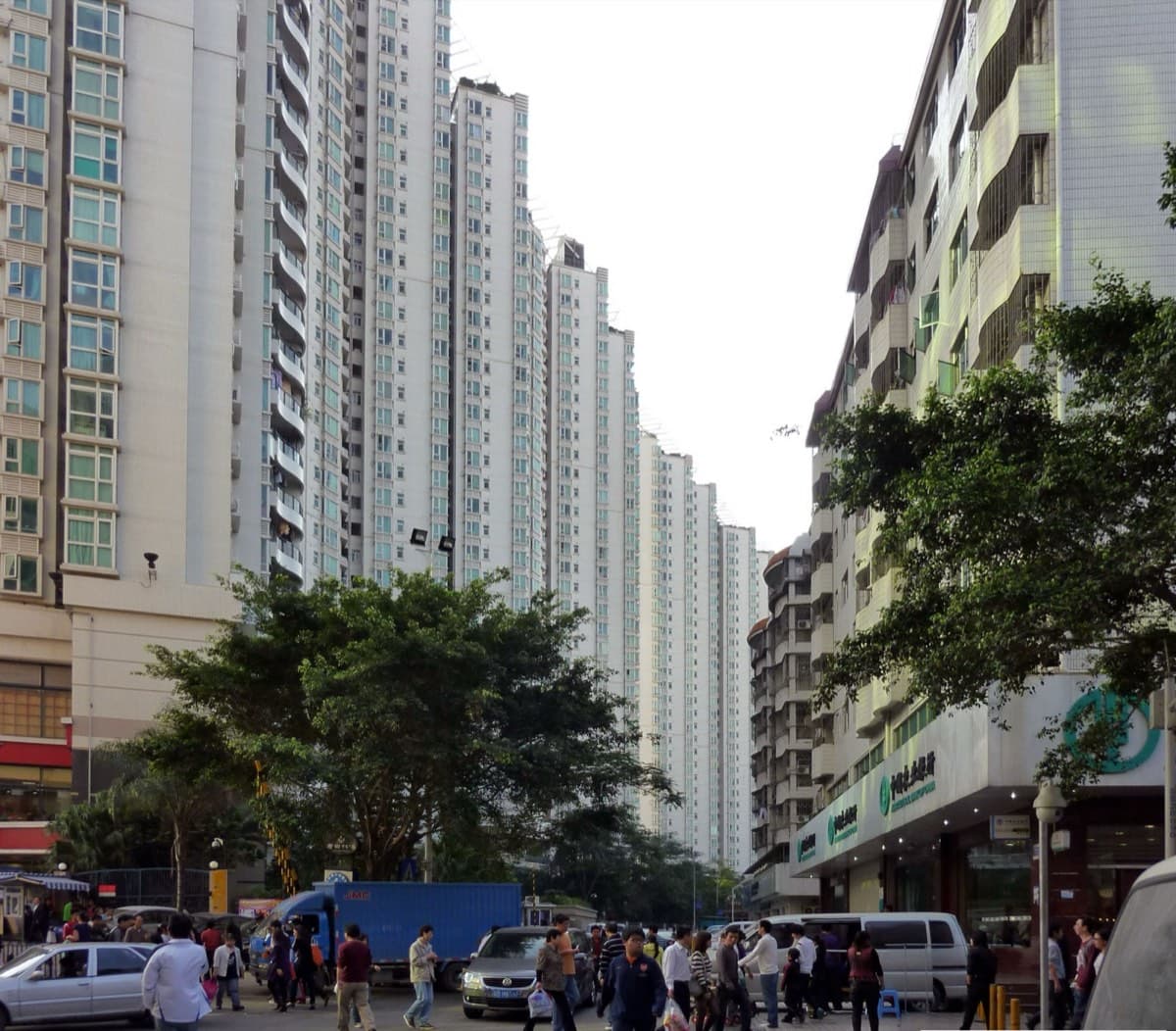
A polished Shenzhen itinerary can skip the parts of the city where migrant life was most visible. That would be a mistake. EyeShenzhen's 'instant city' essay points to urban villages as fast-disappearing migrant worker communities that were once villages before the city absorbed them.
You do not need to romanticize them. They can be crowded, uneven, and under redevelopment pressure. But they remind visitors that Shenzhen was not built only in design studios and boardrooms. It was built in rental rooms, street stalls, small factories, repair shops, and shared ambition.
Opportunity and anonymity travel together
One reason Shenzhen attracts people is that it can feel less socially fixed than older cities. Family background, hometown status, and local lineage may matter less than what you can do, who you know now, and how quickly you can adapt.
For travelers, this helps explain the city's mood. Shenzhen is not always charming in the classical sense. It is useful, hungry, impatient, and direct. The charm is in watching so many people try to make a life in real time.
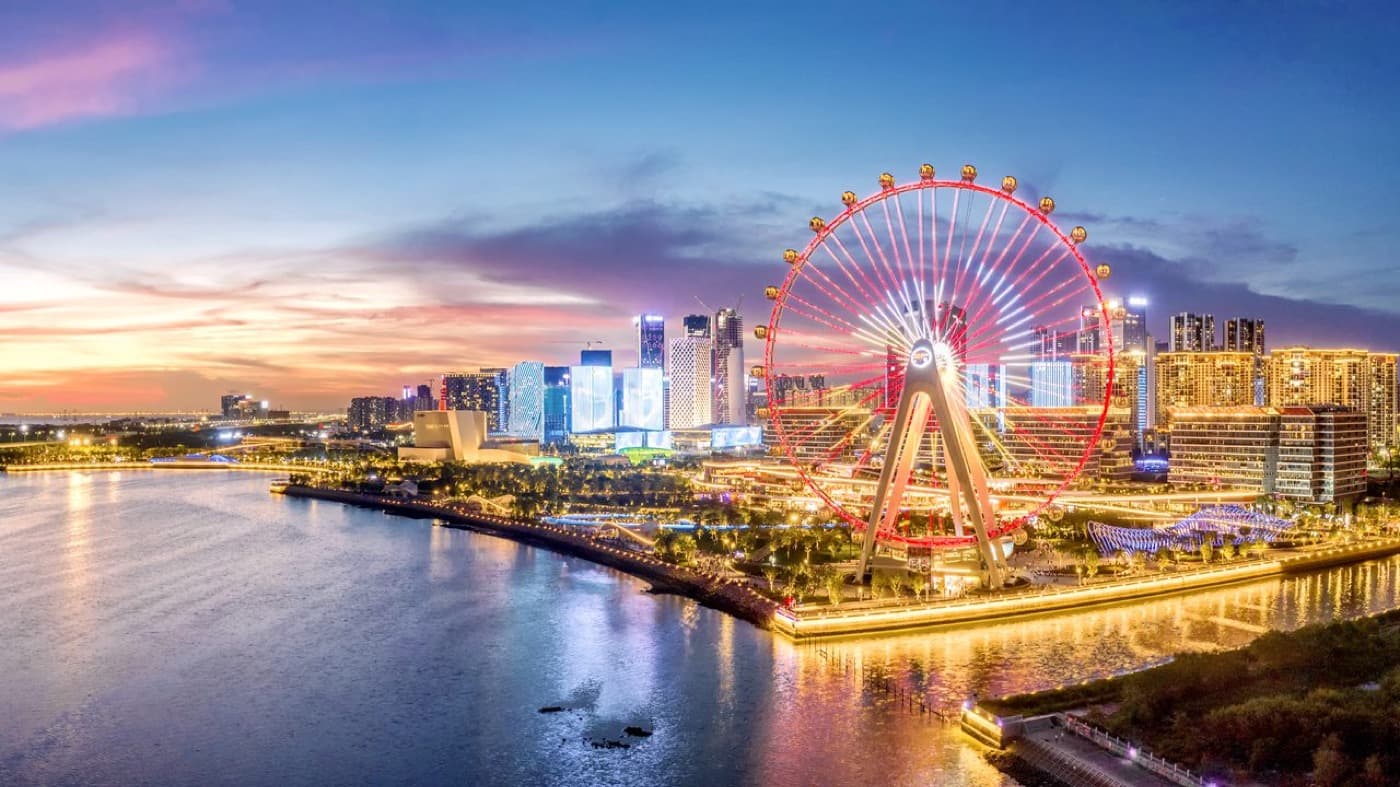
How visitors can read this culture
Pay attention to small moments: Mandarin accents in elevators, delivery riders threading through office districts, young families in malls, workers eating late, people using translation apps with foreign buyers, and strangers helping you at a metro machine because they once had to learn the city too.
The best way to understand Shenzhen is not to ask whether it has enough history. Ask what kind of history is being made by people who arrived with very little inherited script.