Shenzhen / Practical Guides
Shenzhen Metro Is Your Cheat Code: English Signs, Easy Transfers and Tourist-Friendly Routes
Shenzhen is enormous, but it is not a city where visitors need to panic about getting around. The metro is clean, extensive, and unusually friendly for people who do not read Chinese: English station names, clear transfers, useful airport and border links, and stations that drop you into shopping districts, tech zones, parks, and nightlife areas with very little drama.
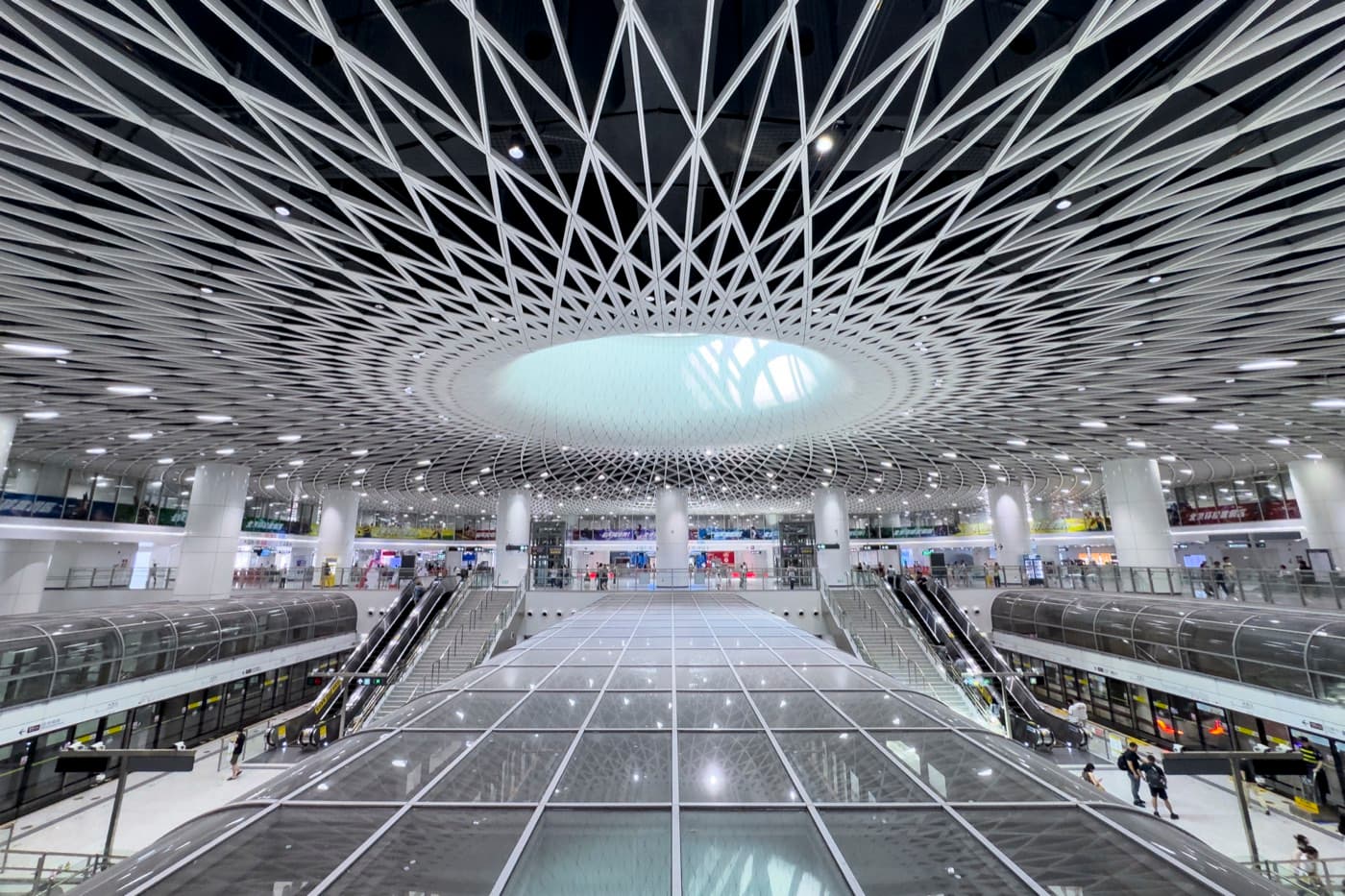
The metro should be your first plan
Shenzhen was built fast and wide, so distances can fool visitors. A route that looks casual on a map may cross several business districts, highways, or bay-side development zones. The metro gives you structure.
EyeShenzhen's transport guide emphasizes the usefulness of the city's metro system for visitors, and that matches the on-the-ground experience: clean stations, frequent trains, broad coverage, and enough English signage to make most tourist routes manageable.
English signs make Shenzhen easier than it looks
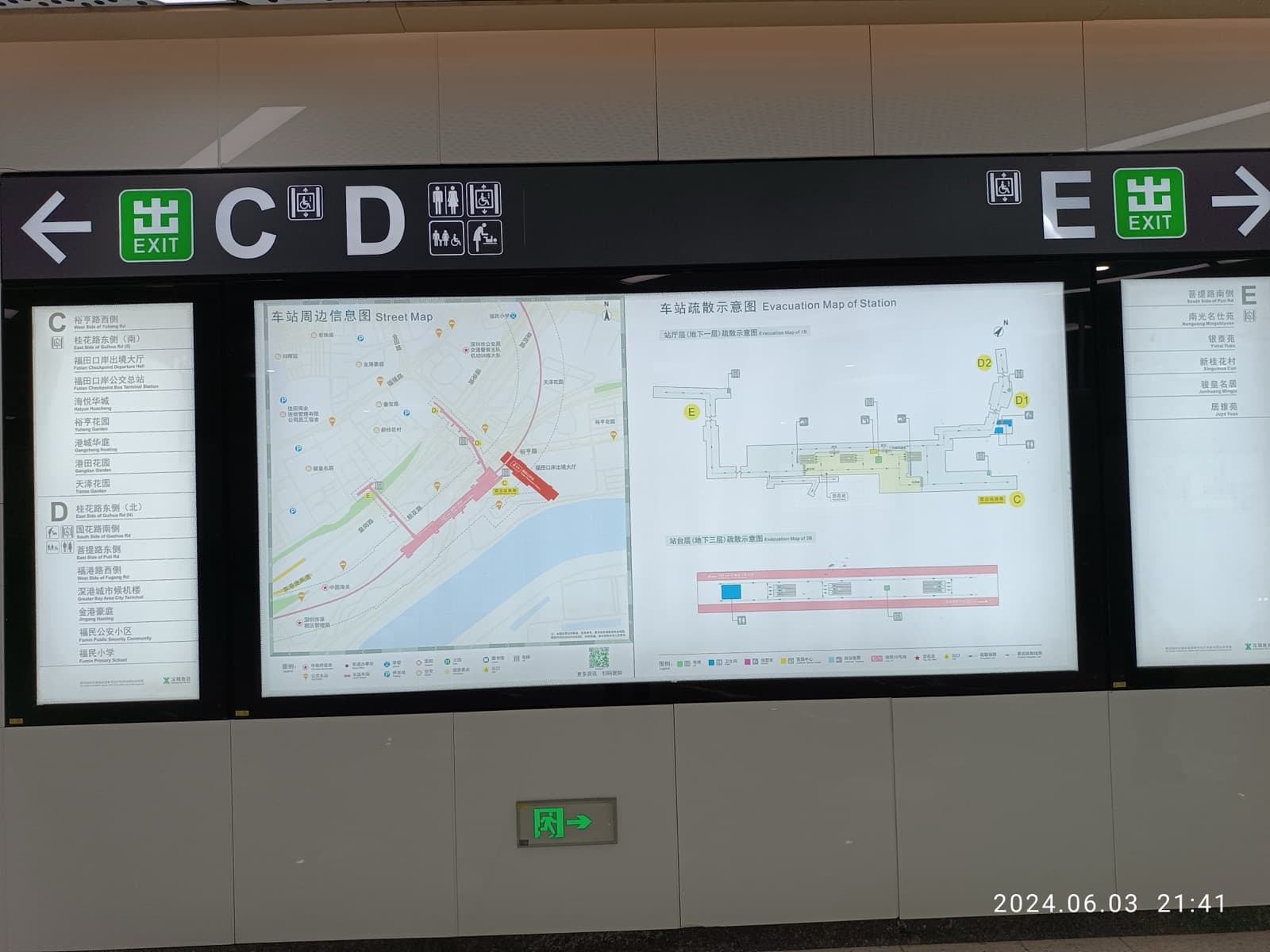
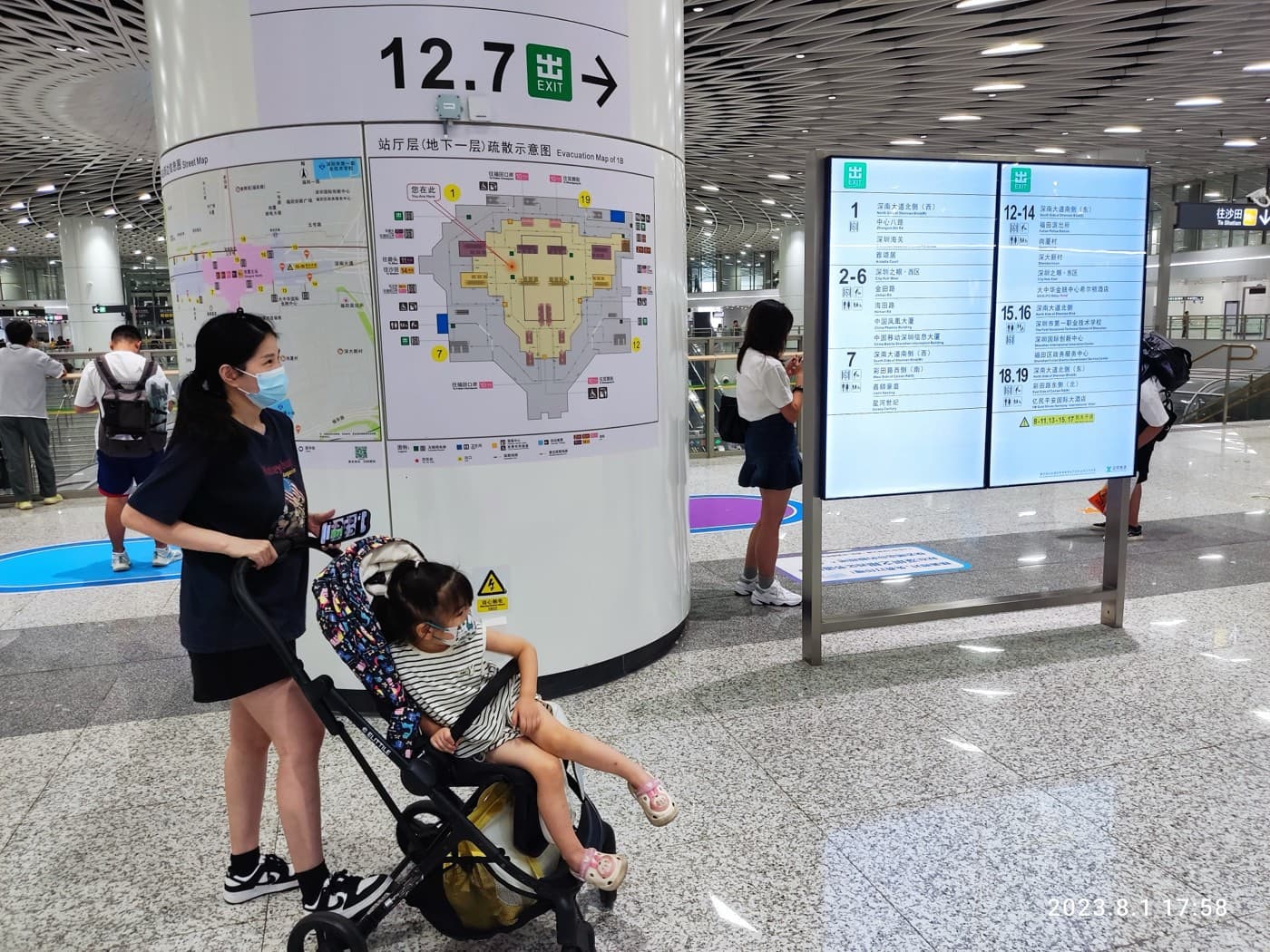
For Western travelers, Shenzhen's metro is forgiving because station names, line numbers, exits, and transfer signs are often displayed in both Chinese and English. That does not mean you can ignore maps, but it does mean you can recover from small mistakes without feeling lost.
Use the English station name to navigate, then check the Chinese destination in Amap or your hotel address when you exit. The final exit number can matter as much as the station itself.
Tickets, Shenzhen Tong, and payment at gates
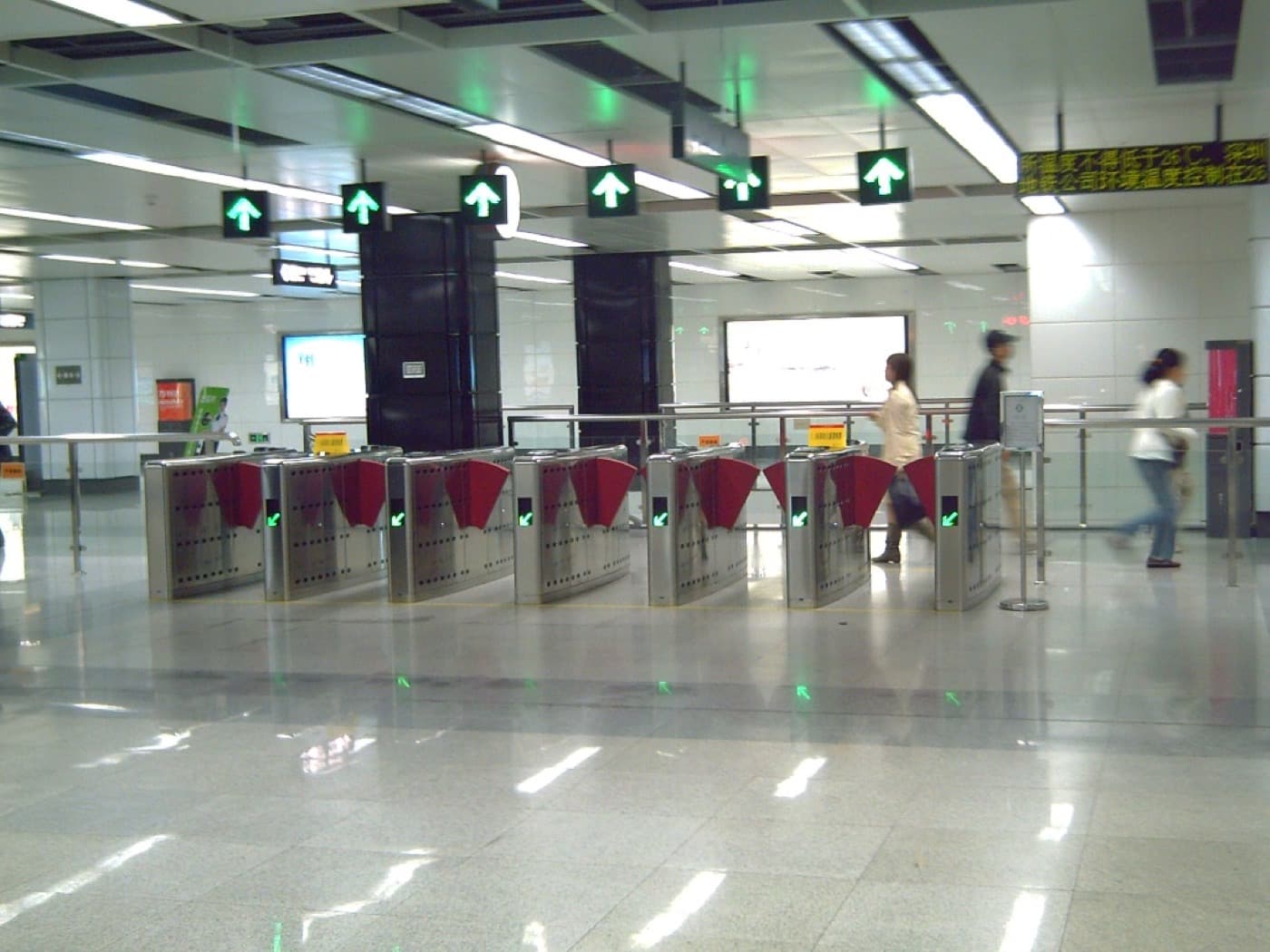
For a short visit, a single-journey ticket or app-based metro payment may be enough. If you are staying longer, Shenzhen Tong can be useful, especially if you plan to use buses as well as the metro.
The practical rule is to set up payments before your first busy station. Do not wait until a transfer hall is crowded to discover that your card, app, or QR code is not ready.
Didi is a backup, not the backbone
Didi is useful in Shenzhen, especially for late-night returns from food, bars, business dinners, beaches, hotels away from stations, or rainy days. It is also useful with luggage when a metro transfer would be annoying.
But for long cross-city trips, the metro is often calmer. Shenzhen traffic can be unpredictable, and pickup points inside malls, ports, office towers, and stations can be confusing if your Chinese is limited.
Buses and sightseeing routes are worth knowing
Shenzhen's buses fill the gaps between metro stations, parks, waterfronts, and neighborhoods. They are not always the first tool for a new visitor, but they can be useful when Amap shows a direct bus while the metro would require a long transfer.
Sightseeing buses can also make sense if you want a low-effort overview, especially for travelers who prefer to see city shape before choosing deeper stops. Treat them as orientation, not the only serious transport plan.
Airport, border, beach, and business-zone timing
Shenzhen trips usually move between several different city logics: Bao'an Airport, Nanshan tech and coastal areas, Futian business districts, Luohu older commercial zones, border checkpoints, and eastern leisure areas. Do not assume they are close.
When you plan the day, check live routes and avoid stacking far-apart zones just because they share the word Shenzhen. A good day might be Nanshan plus Shekou, or Futian plus Luohu, or one beach-side excursion. A bad day tries to do all of them.