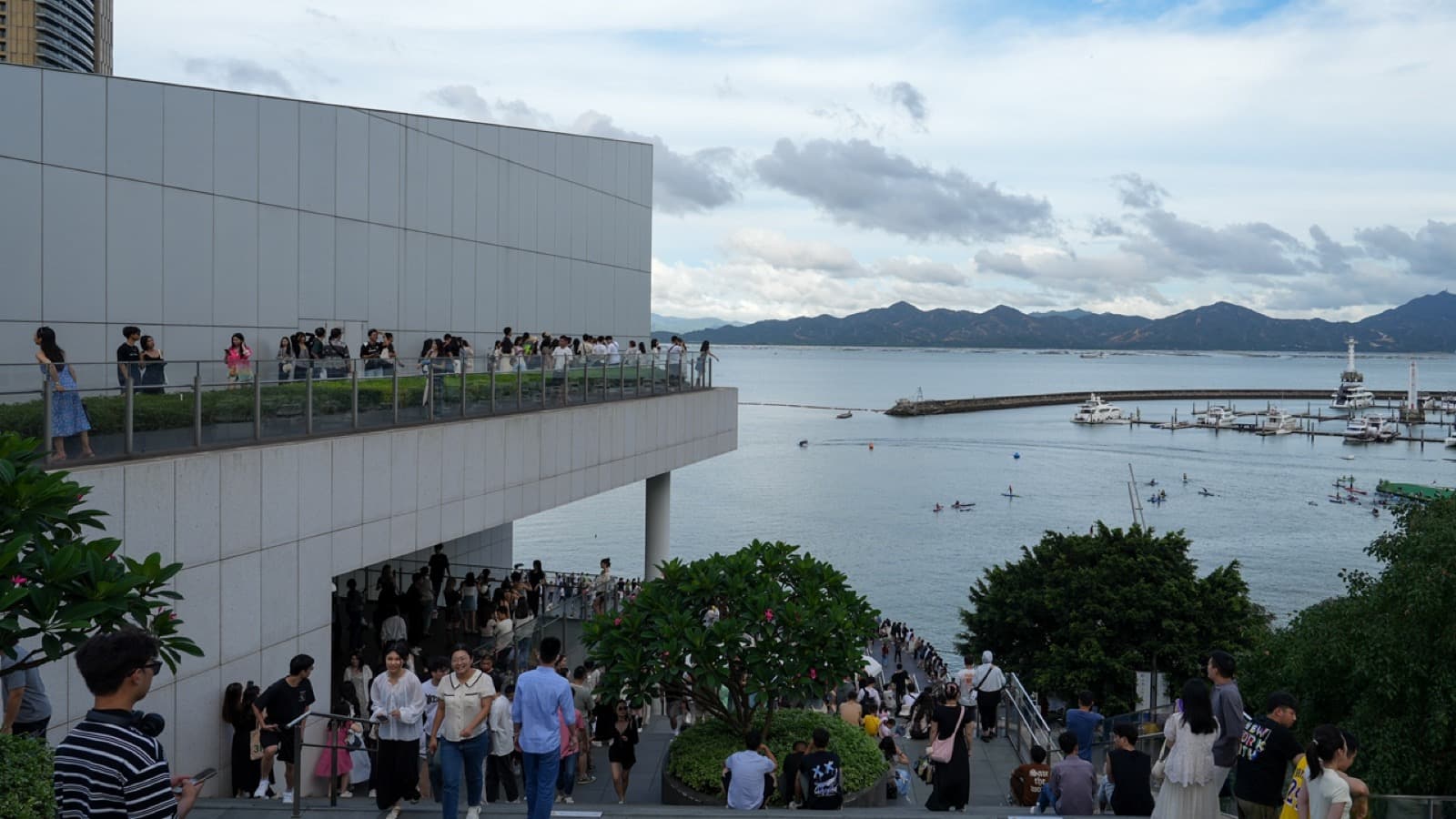
Shenzhen / Local Culture
Shenzhen Doesn't Need Ancient Walls: How Design Became the City's Culture
Shenzhen is easy to underrate if you only look for old temples and ancient lanes. Its culture lives elsewhere: in product design, urban planning, creative districts, fashion, architecture, hardware, public parks, signage, maker culture, and the constant attempt to make a new city feel usable. Shenzhen's heritage is not age. It is invention.
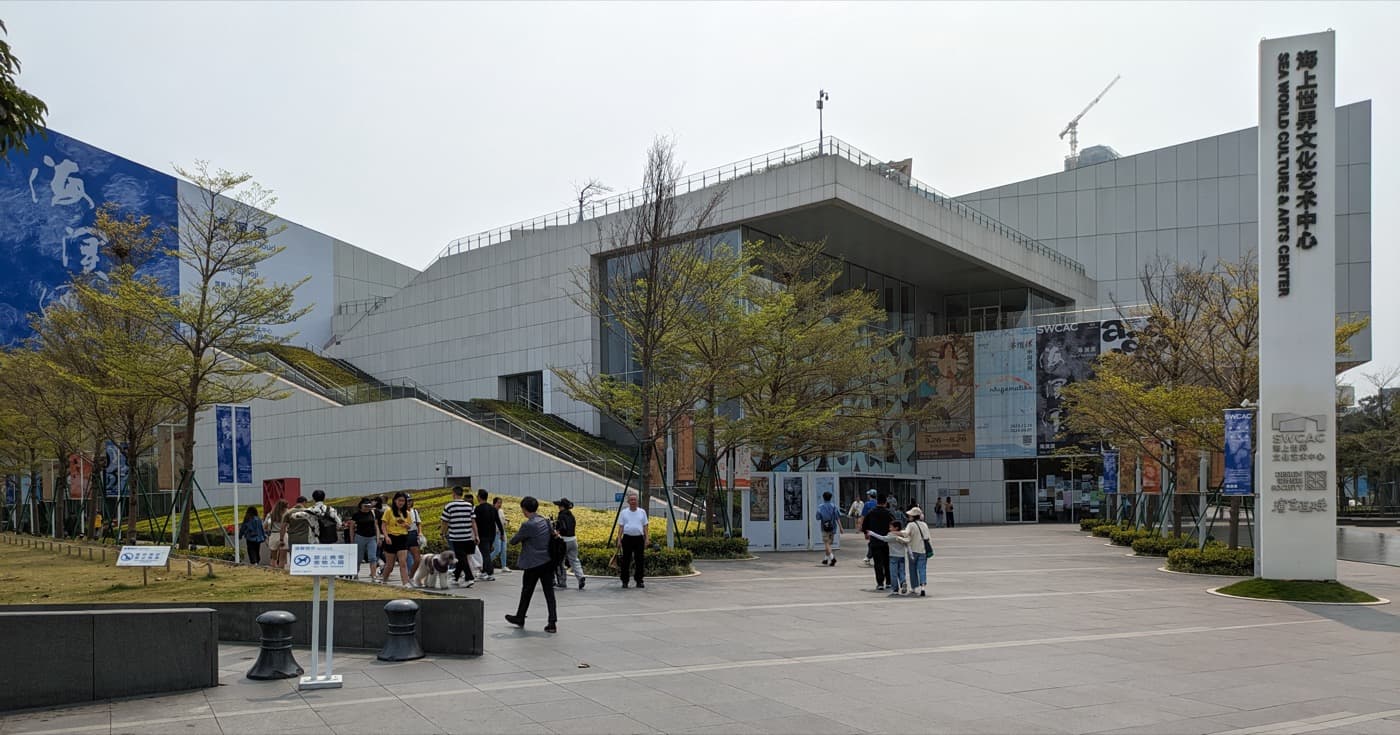
Design is Shenzhen's substitute for ancientness
Some Chinese cities explain themselves through dynasties. Shenzhen explains itself through design decisions. How should a new district move people? How should a park meet the sea? How should a product feel in the hand? How should a factory city become a brand city?
That is why Shenzhen's culture can be hard to see at first. It is not always in one monument. It is in systems, interfaces, buildings, objects, and the way the city keeps updating itself.
UNESCO made the label official
UNESCO lists Shenzhen as a Creative City of Design, and EyeShenzhen notes that Shenzhen became the first city in China to join the UNESCO Creative Cities Network as a City of Design in 2008.
The label matters because it gives language to something visitors can feel: Shenzhen's culture is not built around preservation alone. It is built around making, adjusting, branding, and improving.
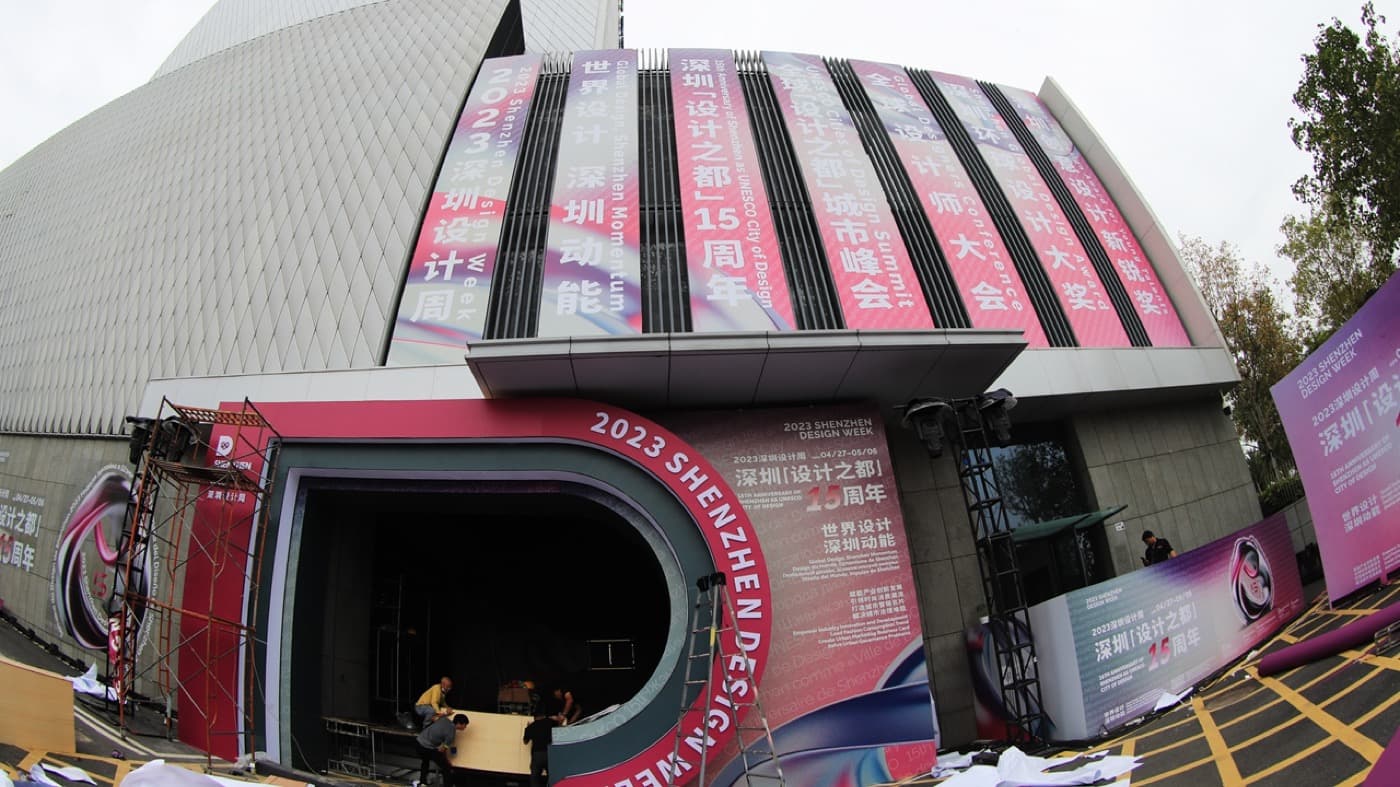
Industrial design is the bridge to manufacturing
EyeShenzhen's design coverage connects design directly with industrial upgrading, manufacturing, scientific innovation, arts, and fashion. That is the Shenzhen difference: design is not decoration added after production. It is part of how products become competitive.
This is why the city can move from 'Made in Shenzhen' toward 'Created in Shenzhen.' The design story sits beside the hardware story, not separate from it.
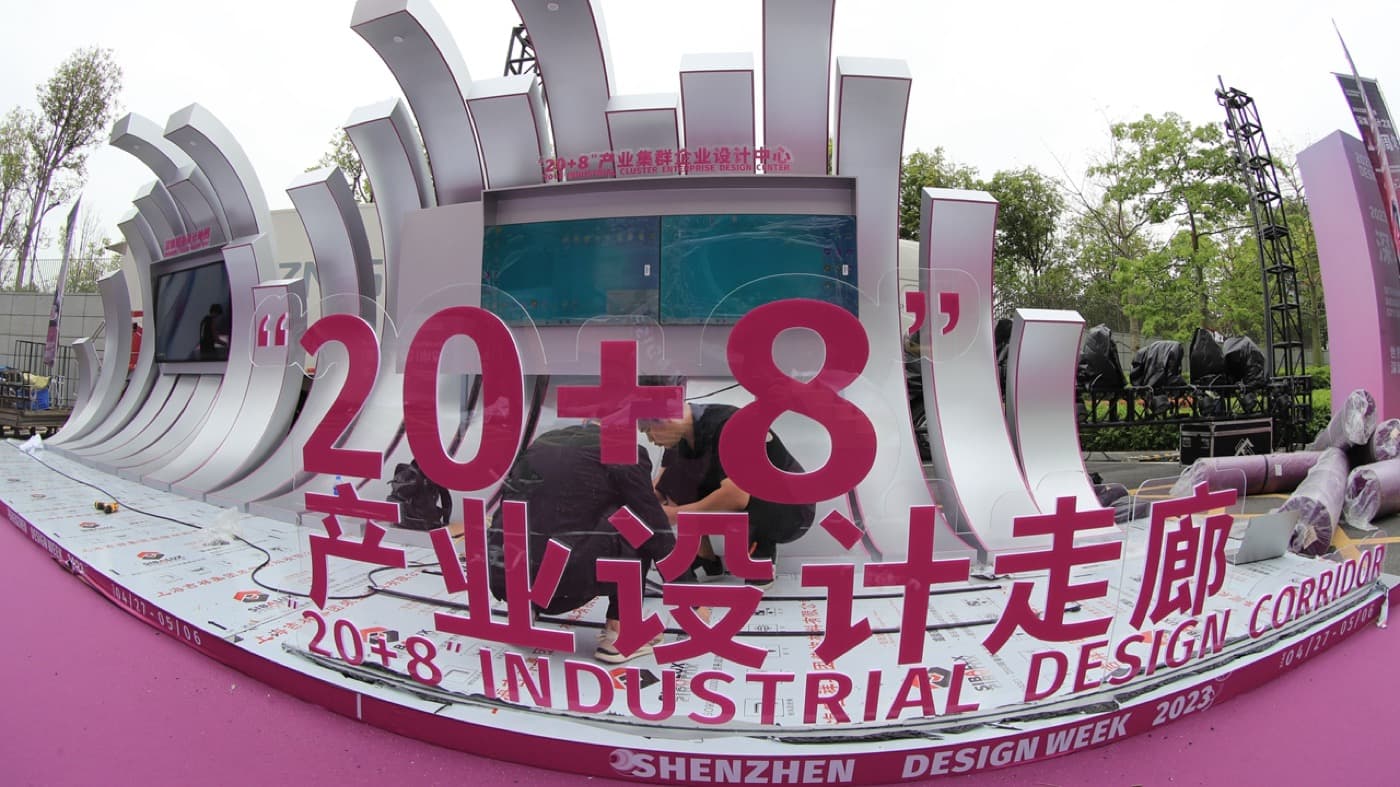
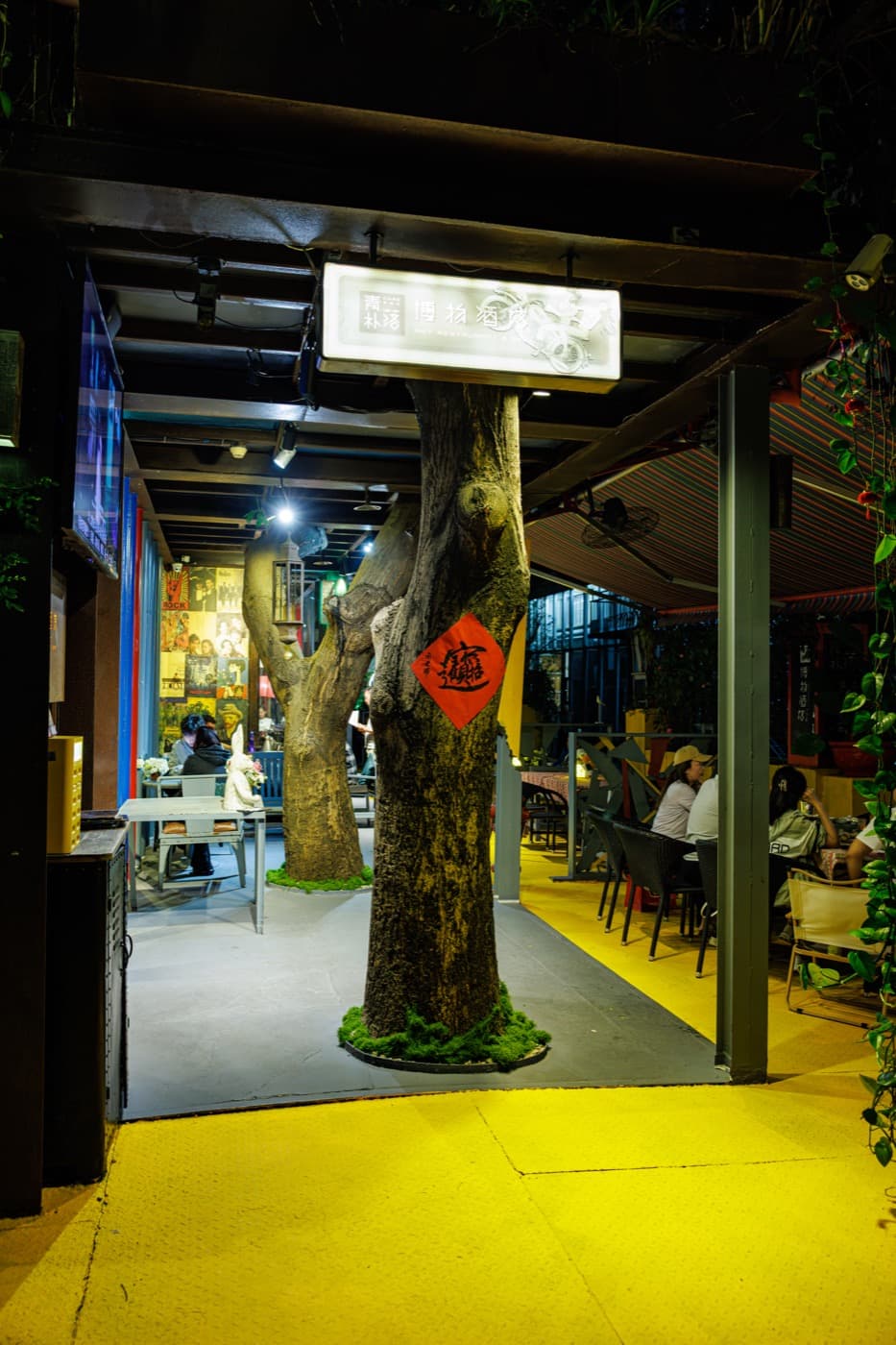
OCT-LOFT is the easier cultural stop
For visitors, OCT-LOFT is one of the most accessible ways to feel Shenzhen's creative side: converted industrial space, cafes, galleries, design shops, small venues, trees, and a slower rhythm than Huaqiangbei or Futian.
It is not ancient, and that is the point. It shows how Shenzhen turns industrial memory into creative lifestyle space.
Architecture is part of the city conversation
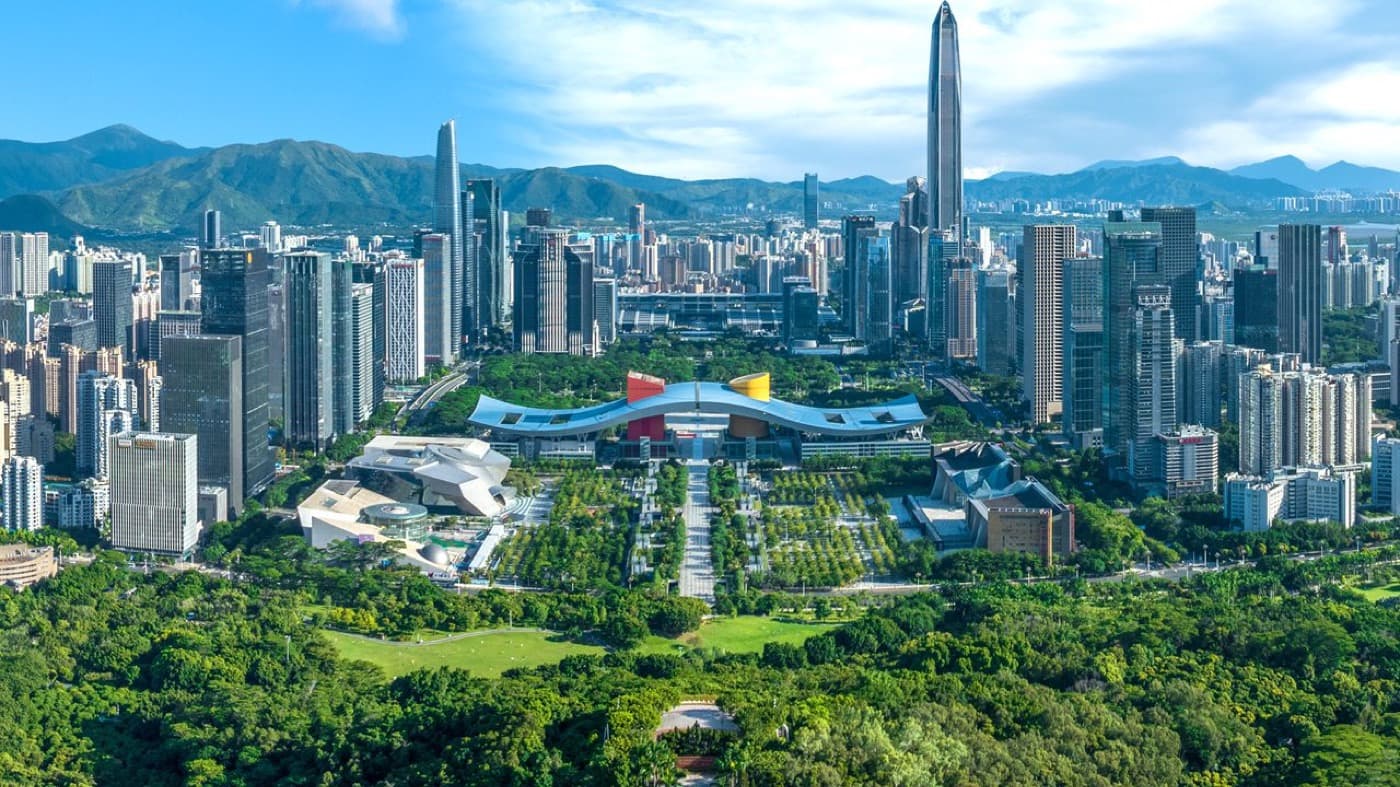
Shenzhen's buildings can feel like a catalog of modern ambition: civic centers, museums, opera projects, malls, libraries, waterfront cultural spaces, and experimental commercial districts. Some work better than others, but the appetite for new form is obvious.
That appetite is one reason Western visitors should not dismiss the city as lacking culture. Shenzhen's culture often arrives as a proposal: what if this new city could look, move, and function differently?
How to plan a design-minded day
Start at OCT-LOFT for creative district atmosphere, add Sea World Culture and Arts Center for architecture and waterfront space, then finish in Shekou or Shenzhen Bay for dinner and a walk. If you want the product-design side, add Huaqiangbei on a separate half-day.
The theme is simple: Shenzhen does not ask you to admire age. It asks you to notice how a young city keeps designing itself.