
Shanghai / Local Culture
What Is Haipai Culture? A Simple Guide to Shanghai's Local Identity
Haipai culture is one of the easiest ways to understand why Shanghai feels different from many other Chinese cities. It is not just old buildings, Western influence, or luxury shopping. It is a layered city identity shaped by Jiangnan roots, treaty-port history, commerce, modern design, and a habit of absorbing outside ideas into something recognizably Shanghai.
The short answer
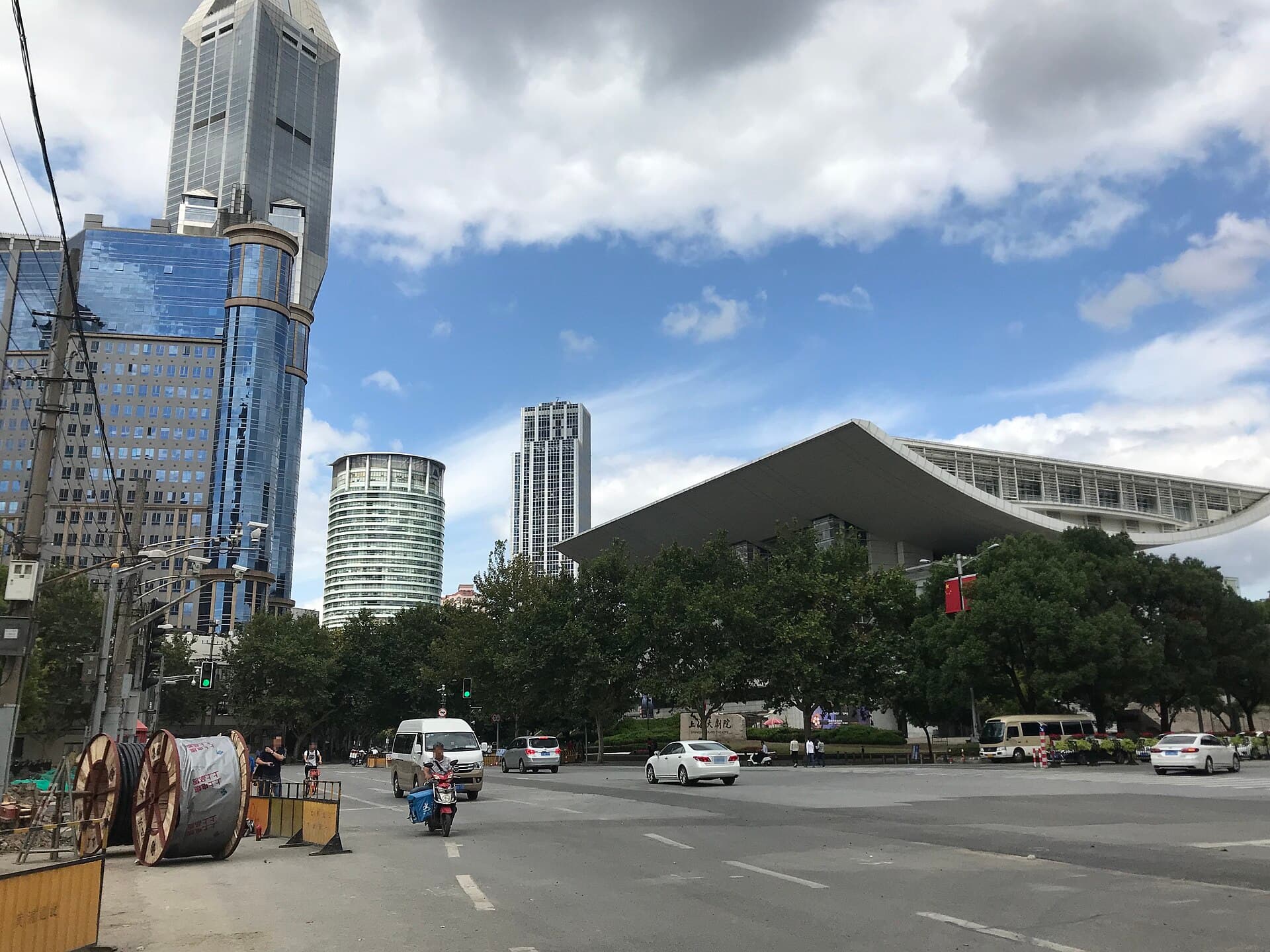
Haipai culture is Shanghai's local city identity: open to outside influence, practical about business, stylish in daily life, and comfortable mixing old and new. The word is often used to describe Shanghai's particular blend of Chinese traditions, Jiangnan refinement, international contact, commercial energy, and modern urban taste.
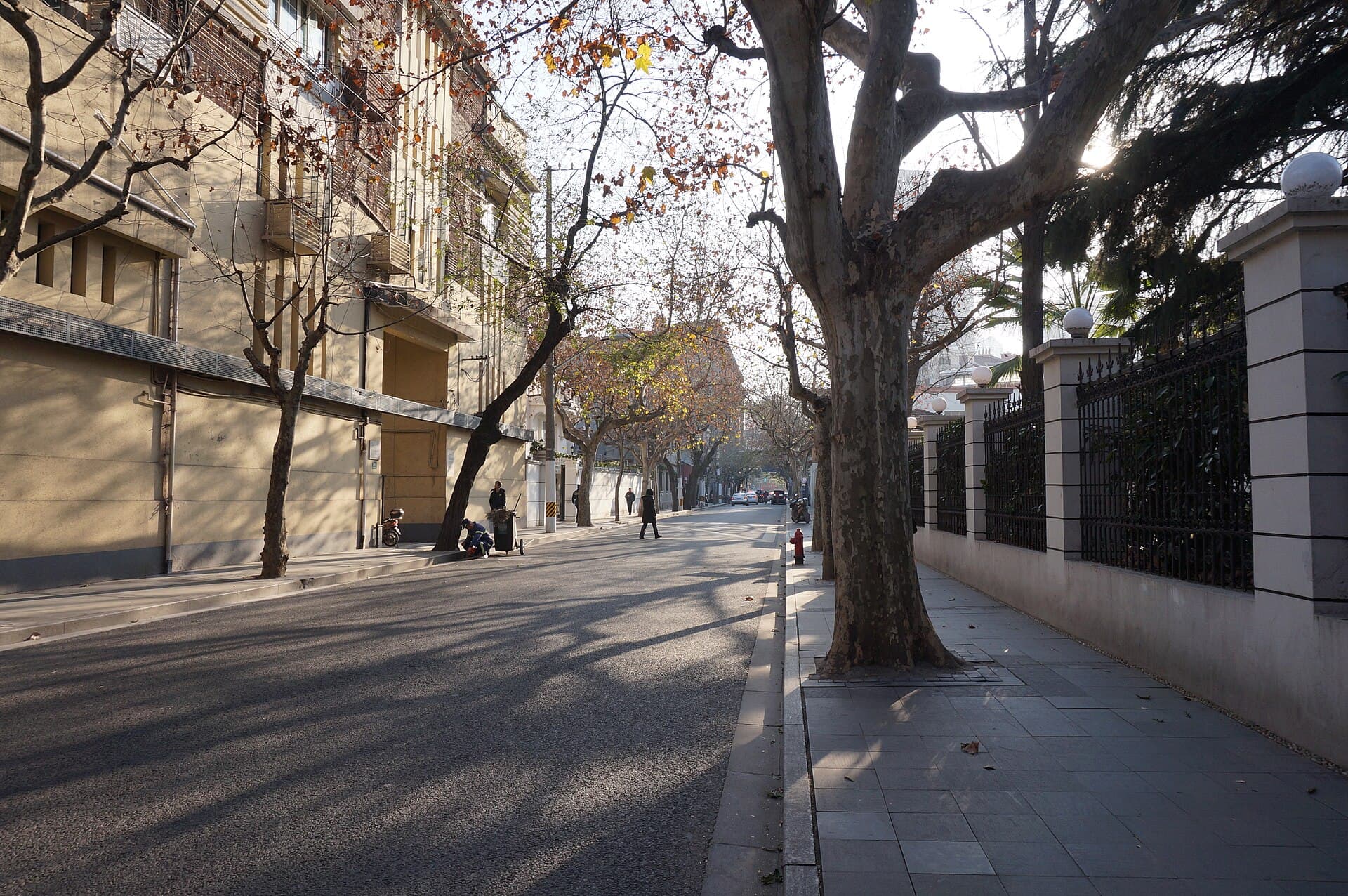
For visitors, this is useful because Shanghai can otherwise feel hard to read. One street gives you Art Deco hotels and banks, another gives you tree-lined lanes and old apartments, another gives you malls, coffee shops, galleries, or a very polished office district. Haipai culture is the thread connecting those scenes.
Why Shanghai feels different
Shanghai's location made it a trading city before it became a global skyline. It sits in the lower Yangtze region, with Jiangnan and Wu-Yue cultural roots, but it also grew through ports, finance, newspapers, film, fashion, industry, foreign settlements, and business networks.
That history produced a city style that often feels more pragmatic than ceremonial. Shanghai likes systems that work, services that are efficient, shops that look polished, and neighborhoods where daily life, commerce, and design sit close together. This is why a visitor can move from a historic hotel lobby to a coffee street, from a wet market to a luxury mall, and still feel that it is all one city.
The Jiangnan layer under the modern city
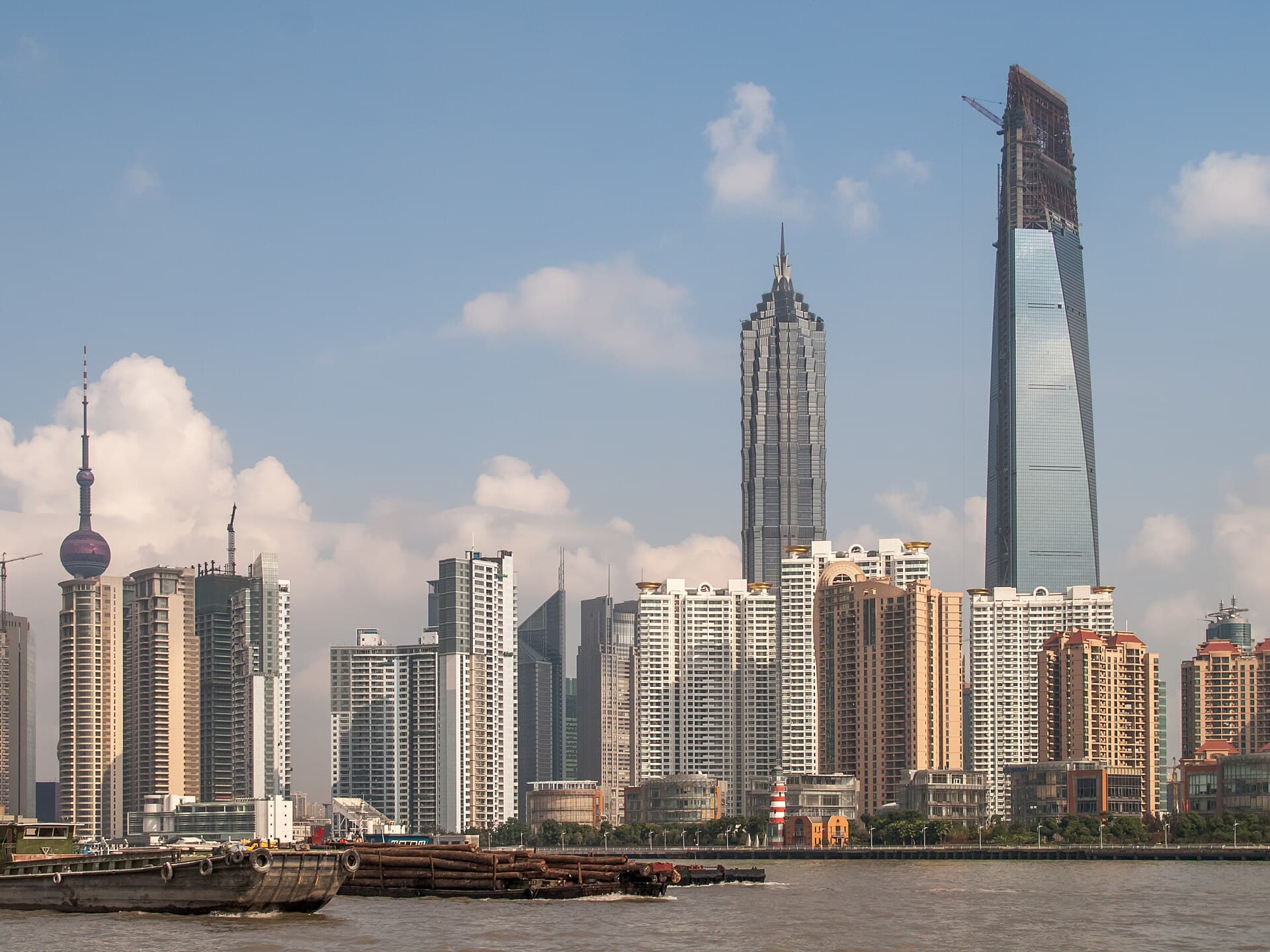
Before thinking about Shanghai as an international city, it helps to remember the Jiangnan layer. Jiangnan culture is associated with water towns, gardens, literature, refined food, local dialects, and a softer urban rhythm. Shanghai did not erase that background; it modernized it.
You can notice this layer in small ways: local breakfast habits, Shanghainese cooking, lane neighborhoods, garden references, old residential details, and the importance of local language as identity. Mandarin is the practical language for visitors, but Shanghainese still carries emotional meaning for many locals.
Architecture is one of the easiest ways to read it
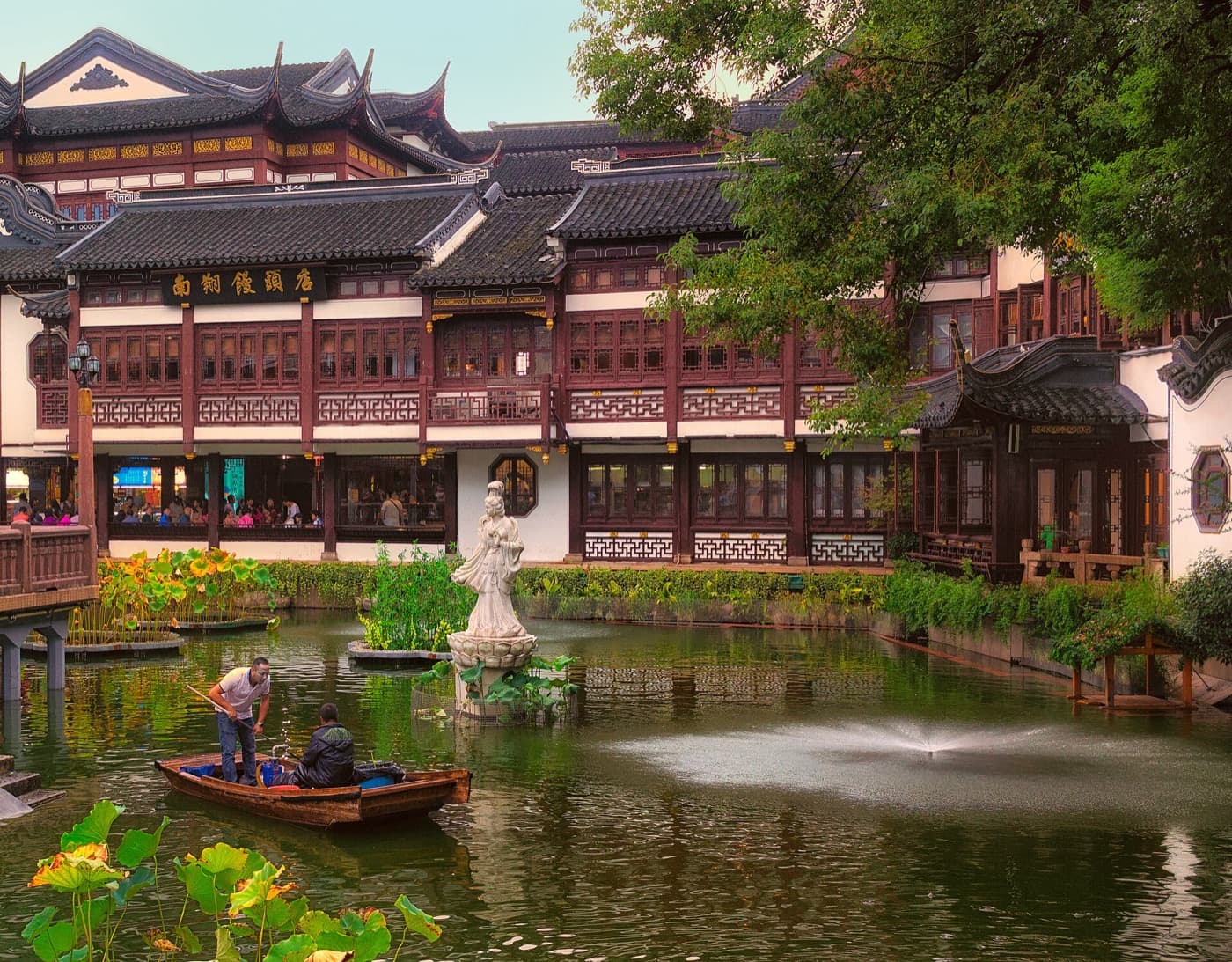
If you want a simple way to feel Haipai culture, look at Shanghai's buildings. The Bund, Peace Hotel, old banks, former clubs, Wukang Mansion, old villas, lane houses, Xintiandi-style redevelopment, and modern cultural buildings all tell different parts of the story.
The point is not to memorize architectural styles. The point is to see how Shanghai keeps reusing the city: old buildings become hotels, shops, museums, offices, restaurants, walking routes, photo spots, and lifestyle districts. That constant reuse is very Shanghai.
How visitors can experience it without overthinking
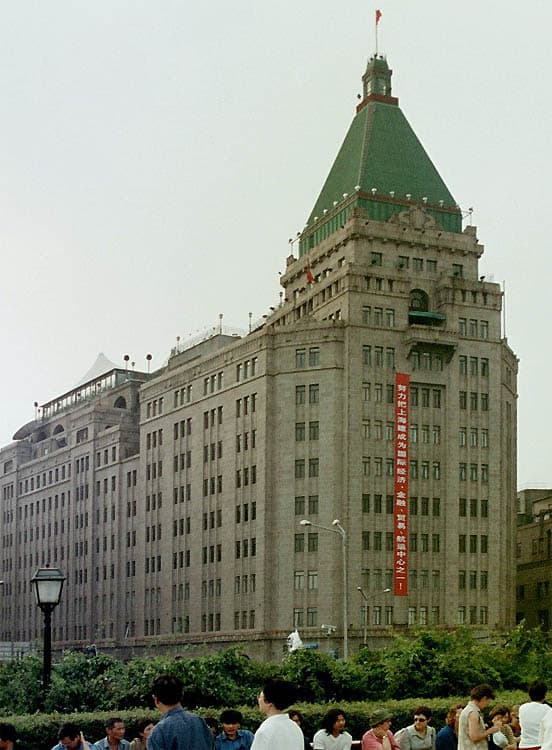
You do not need a museum day to understand Haipai culture. Walk the Bund in the morning, then spend another half day around Wukang Road, Anfu Road, Xintiandi, Jing'an, or Huaihai Road. Look at how older residential streets, small cafes, boutiques, heritage facades, and modern retail sit beside each other.
A good Haipai culture day could be simple: local breakfast, a slow citywalk, one heritage building or hotel lobby, a cafe stop, a mall or bookstore, and a night view. This gives you a more honest Shanghai than rushing between only landmark checkboxes.
What not to misunderstand
Haipai culture is not the same as 'foreign culture in Shanghai.' It is also not only about luxury, colonial architecture, or old glamour. A better way to think about it is adaptation: Shanghai takes outside ideas, local needs, commercial logic, and urban taste, then turns them into a practical city style.
That is why the same city can feel historical, businesslike, fashionable, efficient, and everyday at once. Once you notice that, Shanghai becomes easier to enjoy: you stop asking whether it is old China or modern China, and start seeing how the city keeps combining both.