
Shanghai / Local Culture
Shanghai CityWalk Guide: How to Slow Walk the City
Shanghai is one of the best cities in China for a CityWalk because the city reveals itself at walking speed. Instead of jumping from landmark to landmark, a good Shanghai walk lets you read old apartments, plane trees, coffee shops, riverfront paths, heritage blocks, bookstores, galleries, malls, and daily routines in one route. This guide explains how to walk Shanghai without turning the day into a checklist.
What CityWalk means in Shanghai
CityWalk is not just walking between attractions. In Shanghai, it means using the street as the main experience: architecture, cafes, old residences, shopfronts, river views, local breakfast stalls, museums, bookstores, galleries, parks, and small everyday scenes.
This works especially well in Shanghai because the city has many compact areas where history, commerce, design, and daily life overlap. You can start with one famous building, then discover that the better memory is a quiet lane, a bakery, a corner shop, or the way old and new buildings sit together.
Hengfu: the classic slow-walk Shanghai
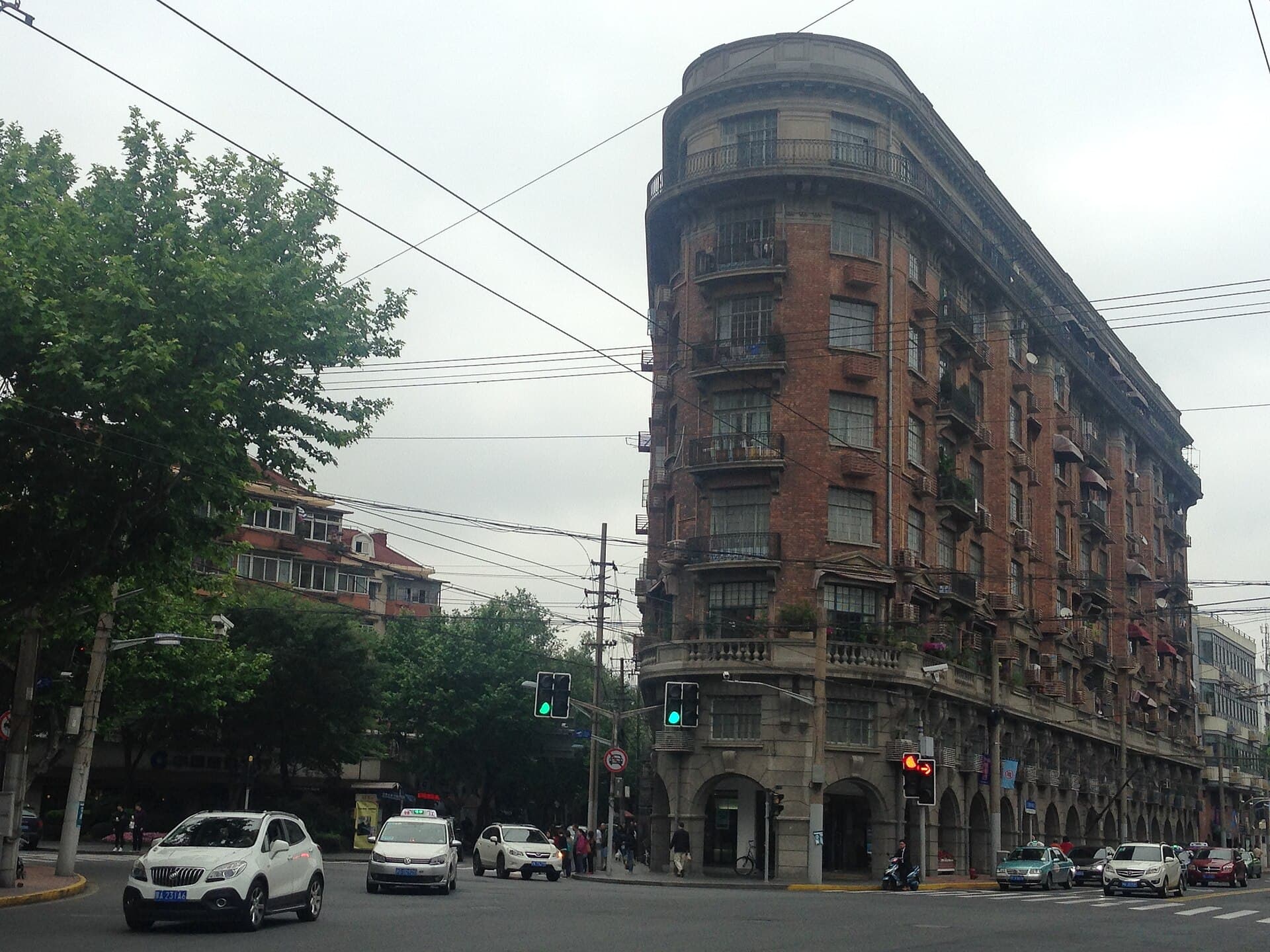
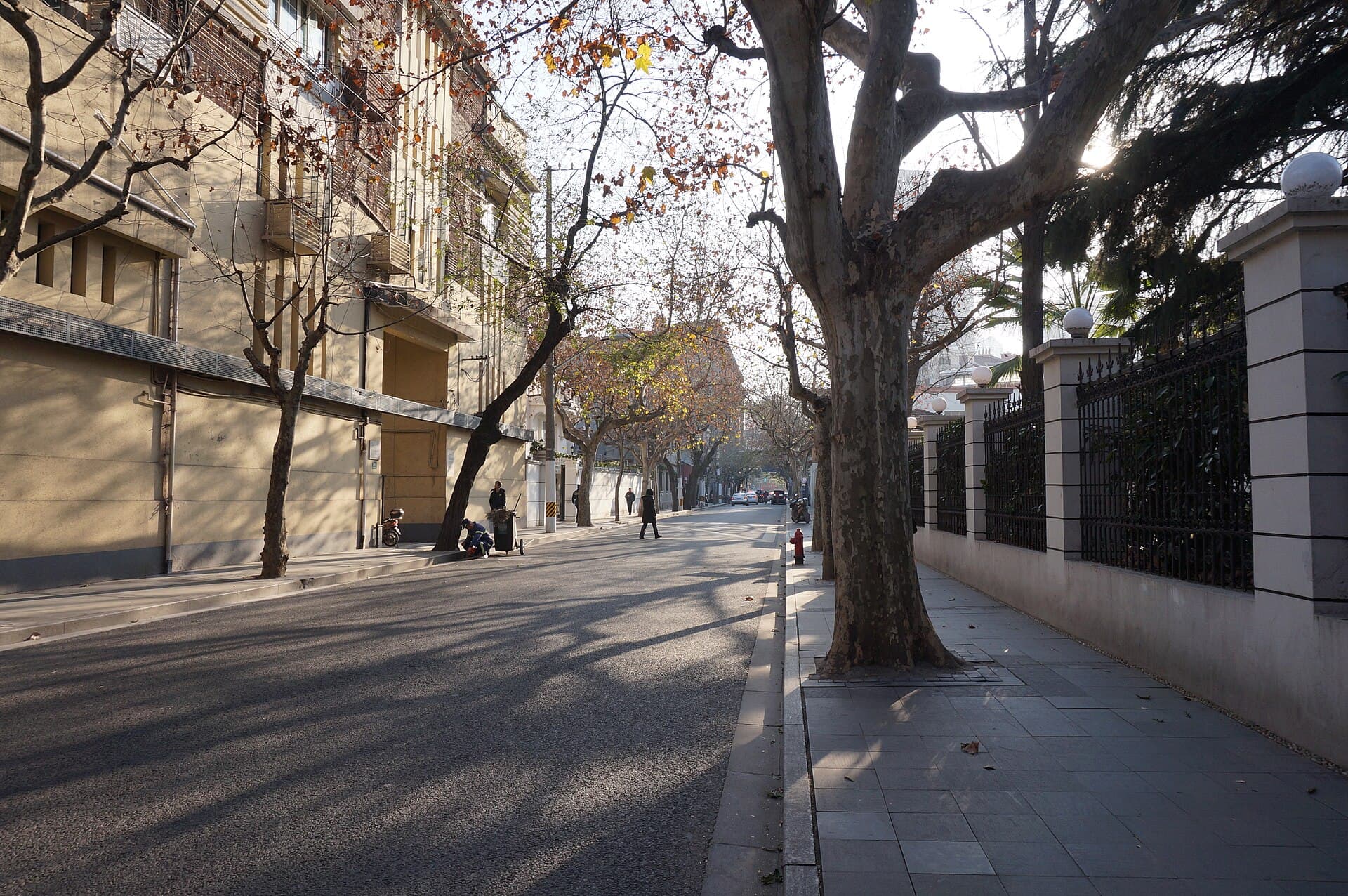
The Hengfu area, including Wukang Road, Anfu Road, Fuxing West Road, and nearby streets, is the easiest first CityWalk choice. It has plane trees, old villas, apartment buildings, cafes, lifestyle stores, galleries, and enough street detail to reward a slow pace.
Do not make the route only about one photo. Wukang Mansion is useful as a starting point, but the real experience is the walk after it: residential walls, old balconies, small storefronts, shaded sidewalks, and the feeling that Shanghai's history is still part of daily life.
Suzhou Creek: water, bridges, and city layers
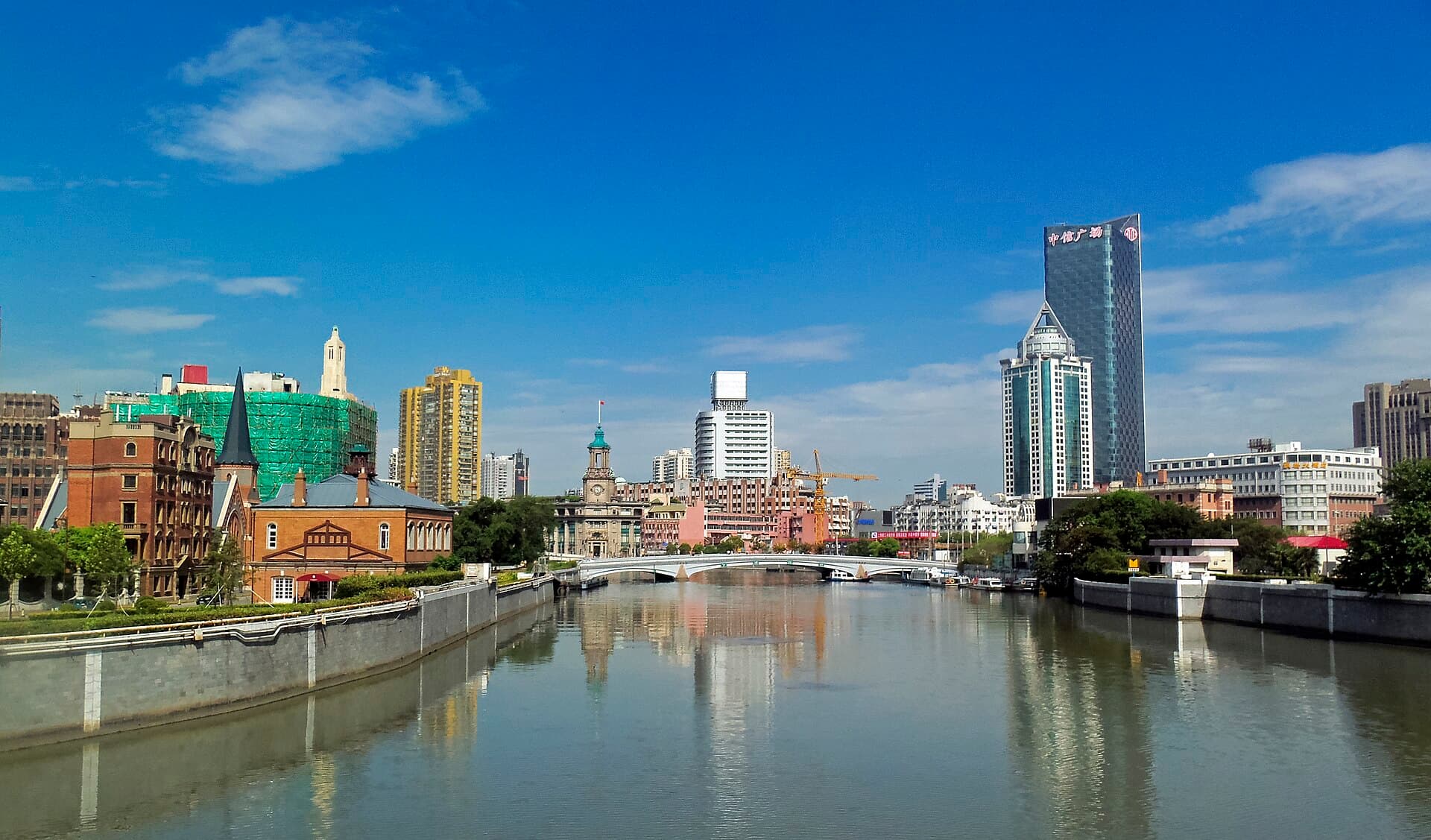
Suzhou Creek gives a different kind of Shanghai walk. Instead of leafy residential streets, you get water, bridges, redeveloped riverfront sections, warehouses, older urban edges, and views that connect past industry with newer public space.
This is a good route when you want Shanghai to feel less polished and more layered. Walk a section of the creek rather than trying to follow the entire waterway. Pick one starting point, one bridge or museum area, and one nearby food or cafe stop.
North Bund and riverfront walks
North Bund works well if you like open riverfront space, skyline angles, quieter views, and a more contemporary urban-planning feel. It is less intimate than Wukang Road, but it helps you understand Shanghai as a river city.
Use this kind of walk when the weather is good and visibility is clear. Riverfront routes can feel exposed in summer heat, wind, or rain, so pair them with an indoor backup such as a mall, museum, bookstore, or cafe.
Jing'an: temples, malls, offices, and everyday movement
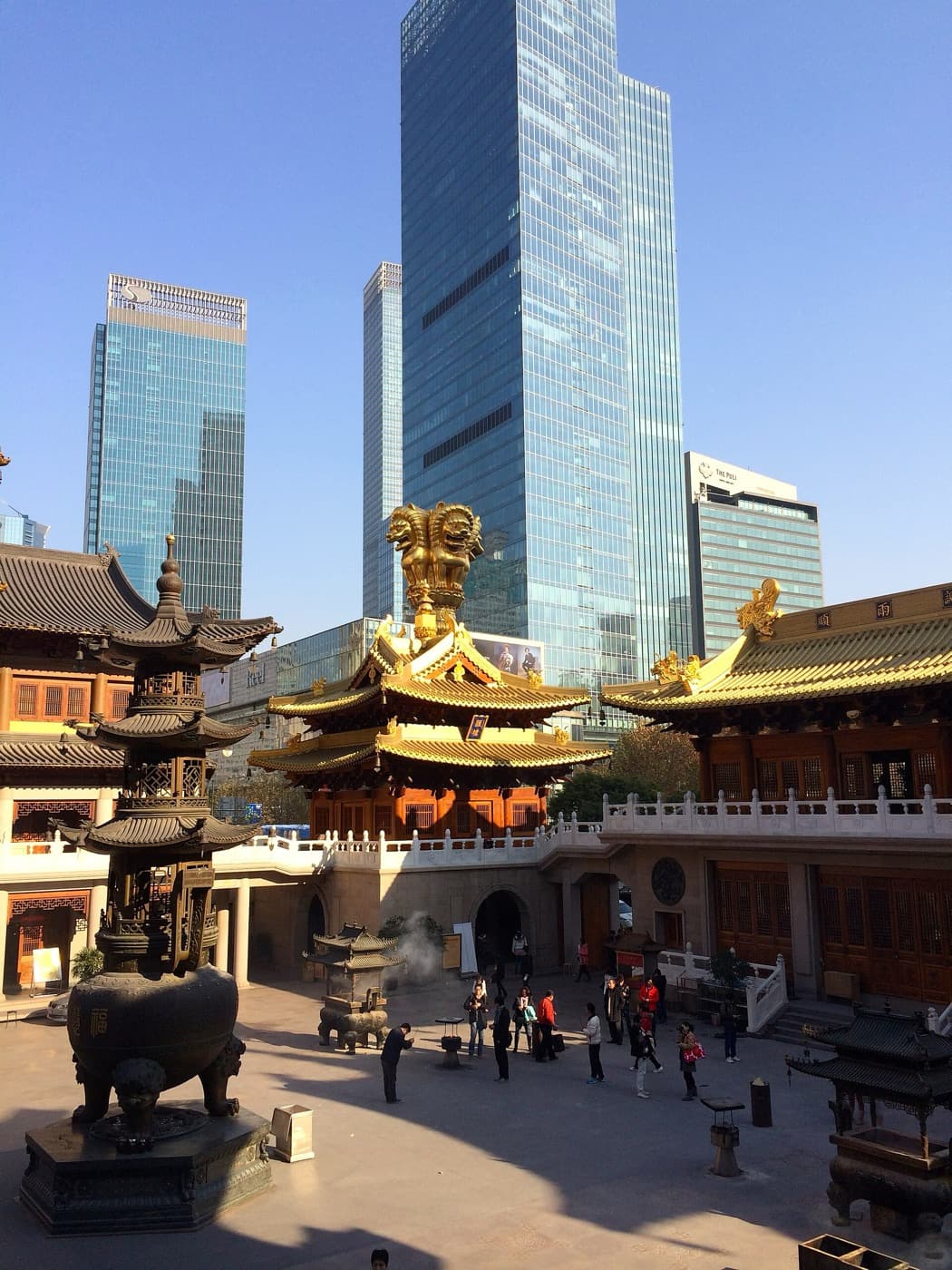
Jing'an is useful because it compresses many versions of Shanghai into one area: a major temple, business streets, malls, cafes, offices, hotels, residential corners, and strong metro access. It is not as romantic as Hengfu, but it is very real Shanghai.
For visitors, Jing'an is a good CityWalk base when you want practical comfort. You can walk, eat, rest, shop, use the metro easily, and still feel the city's mix of old, commercial, local, and international life.
How to design your own Shanghai CityWalk
A good route needs less structure than a sightseeing day. Choose one anchor, such as Wukang Mansion, Suzhou Creek, North Bund, Jing'an Temple, Xintiandi, or the Bund. Then choose a nearby second layer: a cafe street, a bookstore, a museum, a river path, a market, or a dinner area.
Keep the route to one broad area. If you need to cross the city twice, it stops feeling like a CityWalk and becomes logistics. The best Shanghai walks leave enough time for pauses, wrong turns, window-shopping, weather, and small discoveries.
Practical tips before you walk
Wear comfortable shoes, carry water in summer, check rain, and save the Chinese names of your start and end points. Use Amap for directions and metro exits, but do not stare at your phone the whole time. The point is to notice the city around you.
Be respectful around residential buildings. Many beautiful doors, balconies, and lane entrances are private. Take photos from public space, do not block entrances, and remember that Shanghai's best streets are still lived-in neighborhoods.