
Shanghai / Local Culture
How to Read Shanghai Through Architecture
Shanghai's buildings are not just photo backgrounds. They are one of the clearest ways to understand the city: trade and finance on the Bund, literary residences on Wukang Road, lane houses behind quiet walls, reused heritage buildings in lifestyle districts, and bold modern cultural spaces beside glass towers. If you know how to look, a Shanghai walk becomes a readable city history.
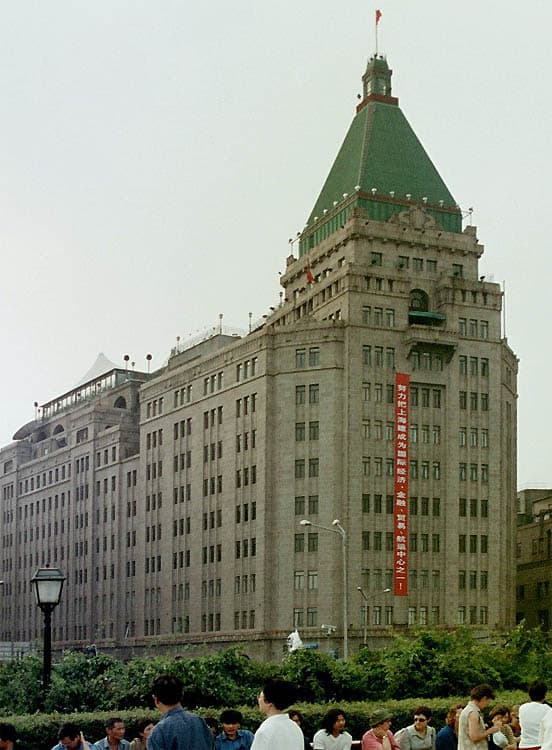
Start with the Bund: Shanghai as a trading city
The Bund is the easiest place to begin reading Shanghai through architecture. The buildings along the riverfront are not random old facades; they show the city's role as a financial, trading, and international business center in early modern Shanghai.
Official Shanghai materials describe the Bund as a historic and cultural block and a symbolic area where modernity meets culture. For visitors, the practical lesson is simple: stand on the Bund, look at the heavy stone buildings behind you, then look across the river to Lujiazui. Shanghai's story sits in that contrast.
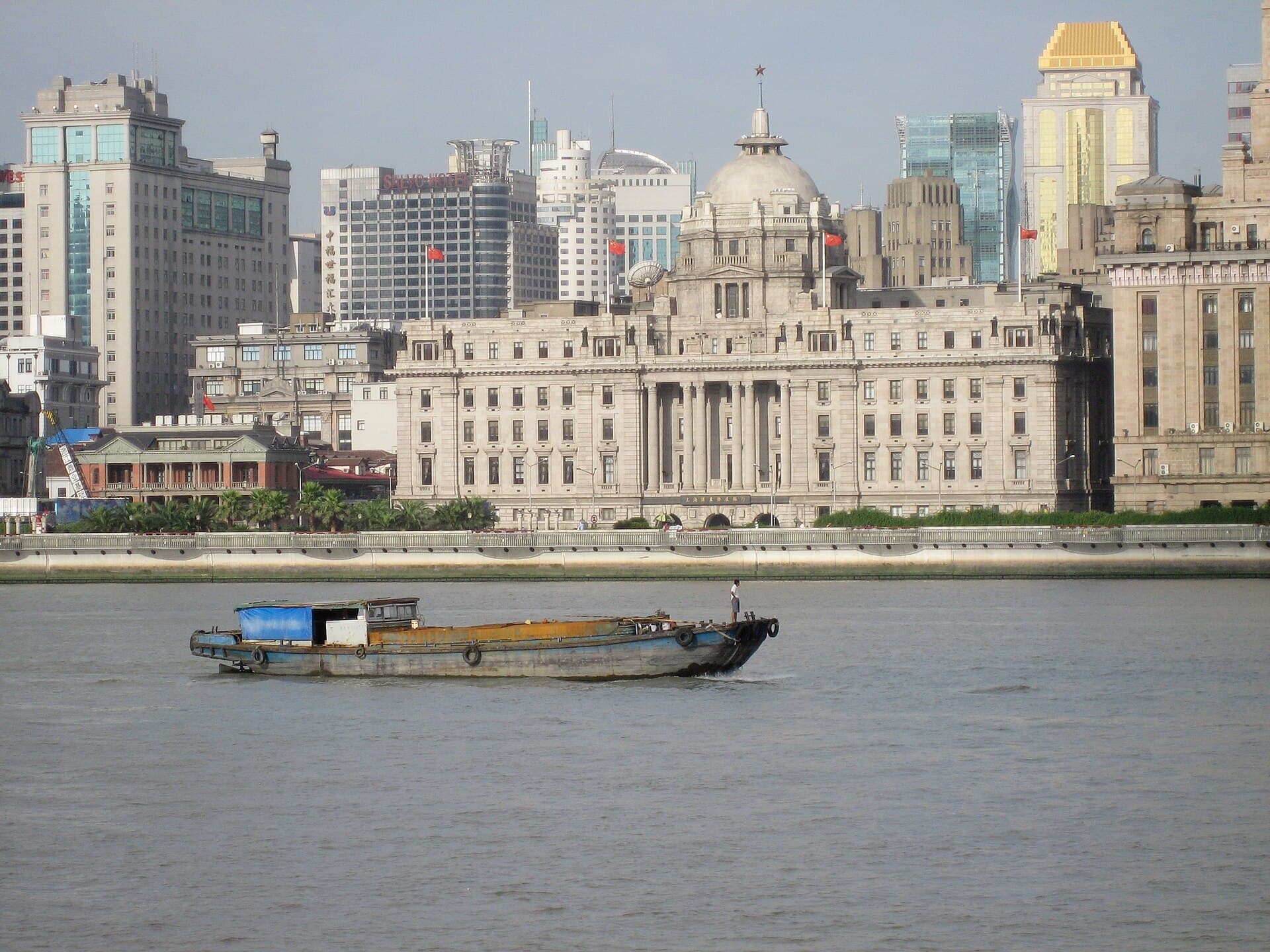
Look for style, but do not get trapped by style names
You will hear words like Art Deco, Gothic, Baroque, neoclassical, garden villa, lane house, and modernist. Those labels are useful, but the point is not to become an architecture student in one afternoon.
A better visitor habit is to ask what a building was built for. Was it a bank, hotel, residence, club, theatre, office, lane house, or cultural center? Once you ask that, the city becomes easier to read. Buildings tell you who had power, who lived nearby, what kind of business mattered, and how Shanghai wanted to present itself.
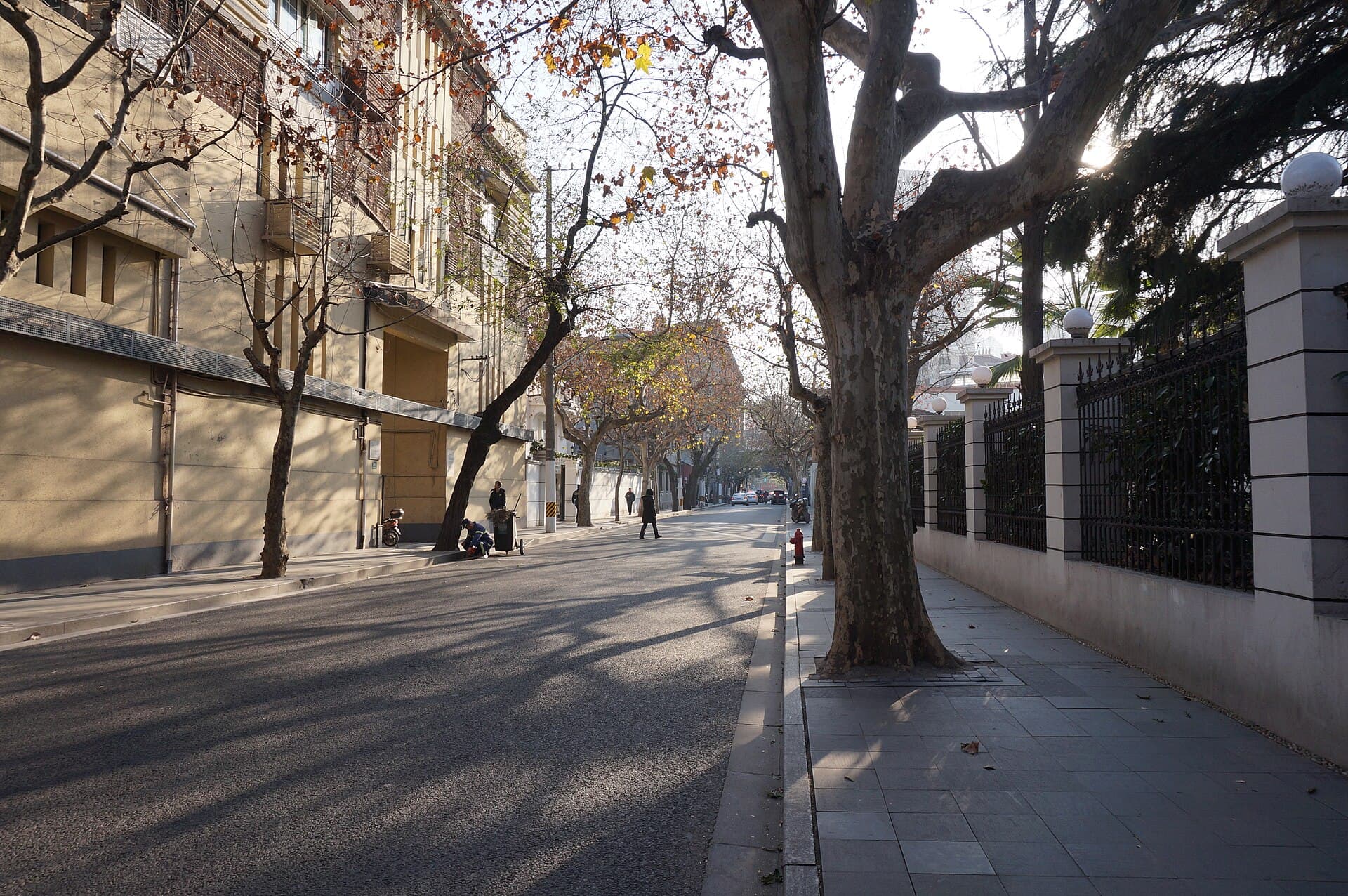
Wukang Road: Shanghai at residential scale
After the Bund, go smaller. Wukang Road gives you a different architecture lesson: villas, apartment buildings, modern-lane houses, former residences, tourist information centers, cafes, galleries, and quiet walls with stories behind them.
Official Shanghai descriptions note that Wukang Road contains multiple styles of landscape architecture, multi-family residential buildings, and modern-lane houses. That makes it useful for visitors because it shows Shanghai outside the postcard skyline.
Old buildings are often still working buildings
One thing that makes Shanghai interesting is that many older buildings are not frozen as museum objects. Some are hotels, restaurants, shops, offices, residences, galleries, information centers, or commercial blocks. The city keeps adapting them.
This is why Shanghai heritage can feel stylish rather than distant. A former bank can become a hotel lobby. An old lane can become a lifestyle district. A villa street can become a citywalk route. The building survives, but its social role changes.
Modern Shanghai is also part of the architecture story
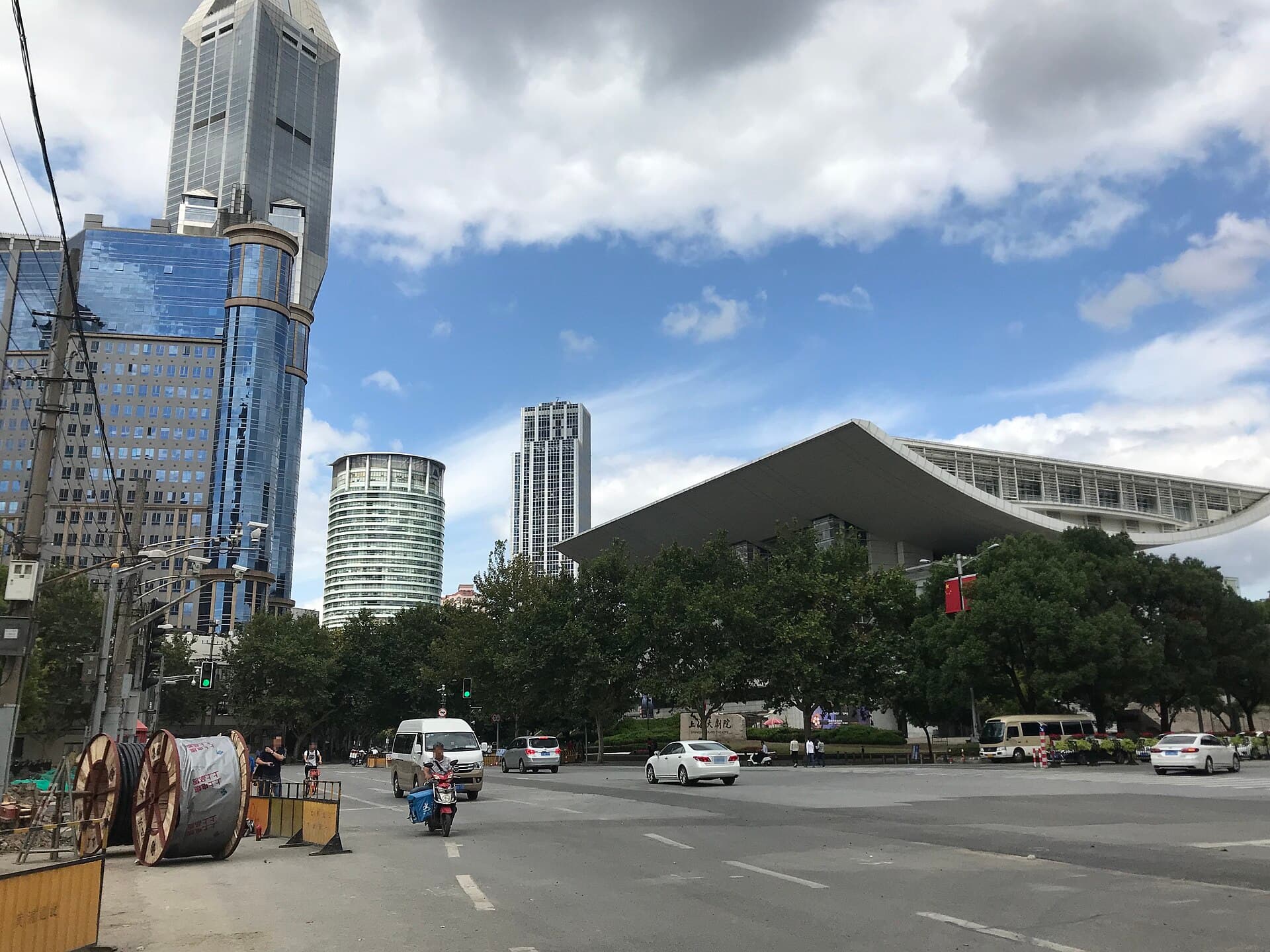
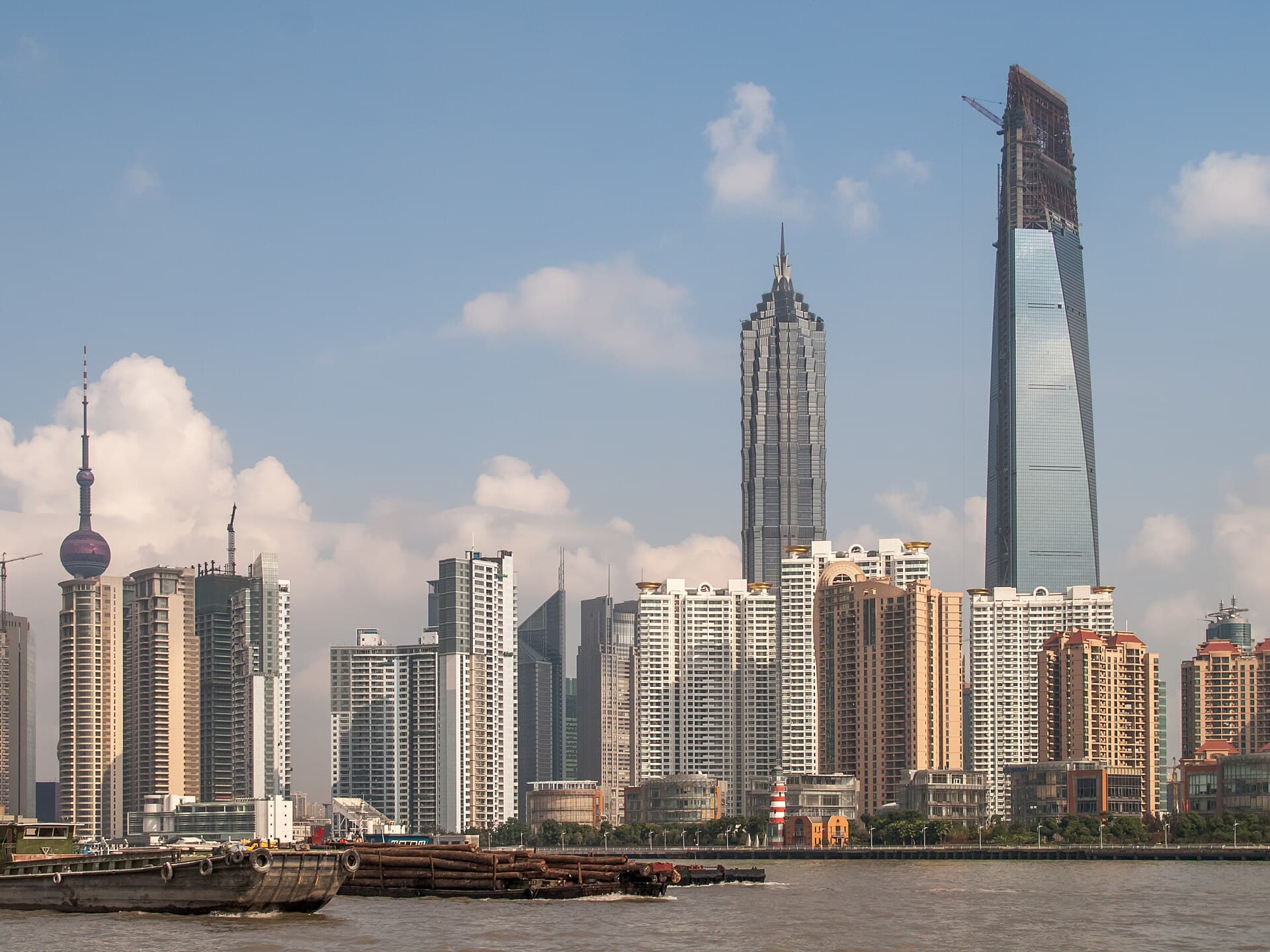
Do not treat modern buildings as less cultural just because they are newer. Shanghai Grand Theatre, the city museums, Pudong towers, contemporary malls, exhibition venues, and waterfront redevelopment projects all show how the city keeps performing modernity.
The most Shanghai feeling often comes from a sharp transition: old stone and glass tower, lane house and coffee shop, theatre roofline and office block, plane trees and shopping mall. That mix is not a design accident; it is part of the city's identity.
A simple architecture walk for first-time visitors
If you want an easy route, split it into two walks. First, do the Bund and nearby riverfront: read Shanghai as finance, trade, river, skyline, and public display. Second, do Wukang Road, Anfu Road, or the Hengfu area: read Shanghai as residence, literature, cafes, villas, old lanes, and street-level taste.
Do not rush both in one hour. Architecture needs walking speed. Stop at corners, look up at rooflines, notice entrances, and pay attention to how old buildings are used today. That is where Shanghai becomes more interesting than a checklist.
How to behave around residential heritage
Many beautiful Shanghai buildings are still private residences, offices, schools, hotels, or active businesses. Take photos from public space, avoid blocking doorways, and do not enter courtyards or stairwells just because they look photogenic.
This matters because the most attractive Shanghai streets are often lived-in places, not open-air sets. Respecting that boundary makes the experience better for visitors and locals.