
Nanjing / Practical Guides
Nanjing Is the High-Speed Rail City Western Travelers Underuse
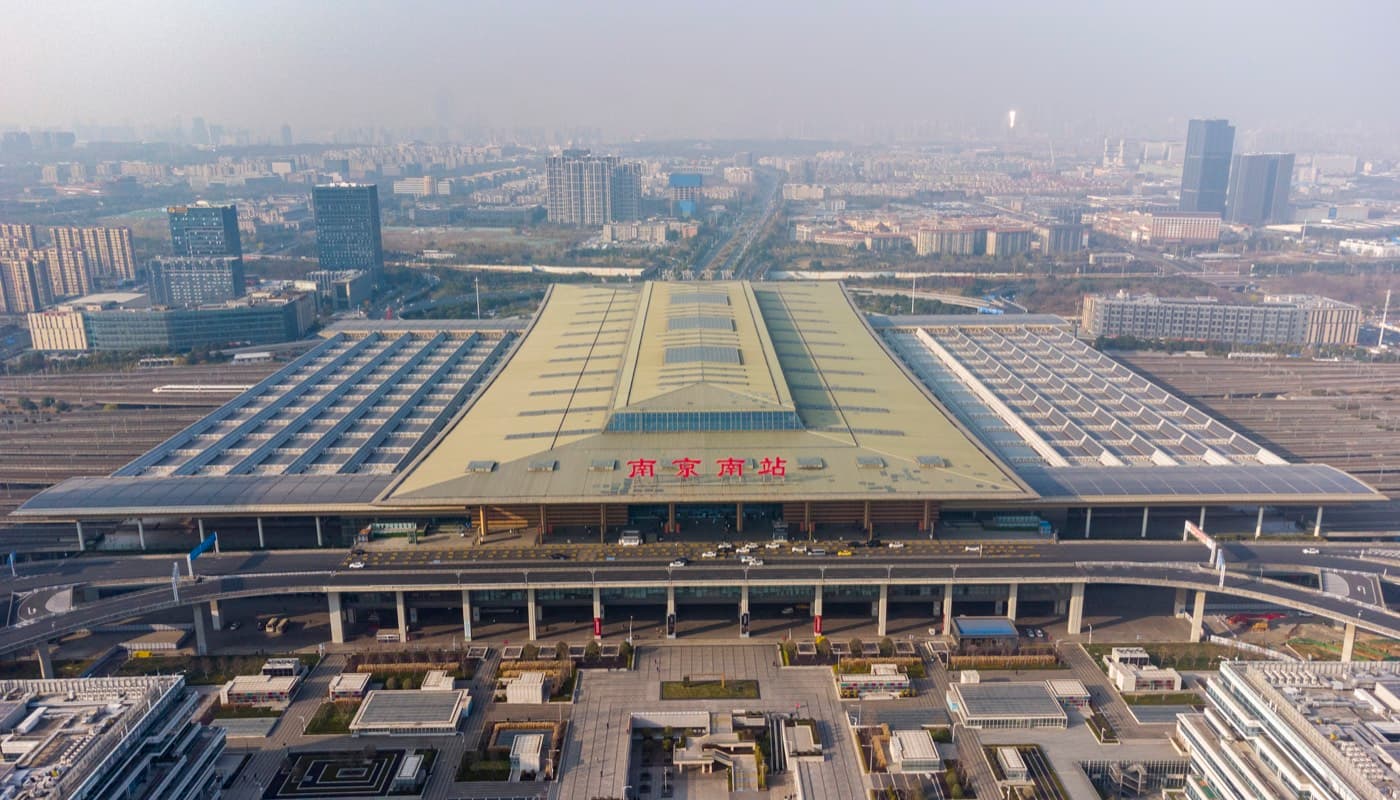
Nanjing is not just a place you fly to. It is a rail city, and that changes how you should plan it. Once you are in eastern China, Nanjing South Station can make the city feel surprisingly close to Shanghai, Suzhou, Hangzhou, and other Yangtze River Delta stops. Use the airport when it fits your international route, but understand the city through its train stations.
Why rail should be your default mental model
Western visitors often overestimate domestic flights in China and underestimate high-speed rail. Around the Yangtze River Delta, the train can be simpler: city-center access, predictable boarding, no airport security theater at the far edge of town, and less stress when the route is only a regional hop.
Nanjing is especially good for this because it sits on major high-speed corridors. If your trip already includes Shanghai, Suzhou, or Hangzhou, ask first whether a train solves the problem before you search for a flight.
Nanjing South vs Nanjing Railway Station
Nanjing South Railway Station is the big modern high-speed rail hub. For most first-time visitors arriving from Shanghai, Suzhou, Hangzhou, Beijing, or other major cities, this is the station you are likely to use.
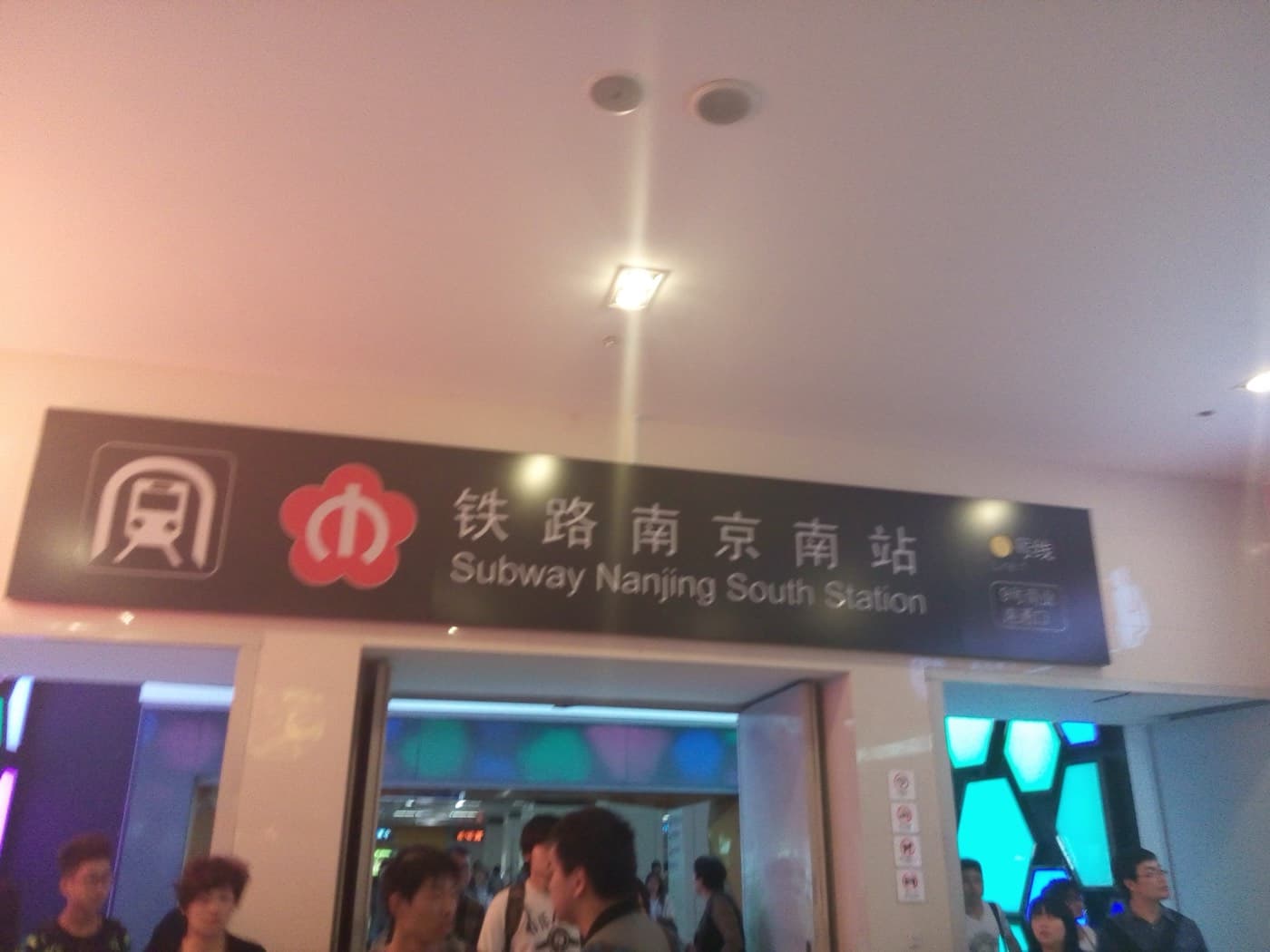
Nanjing Railway Station is more central and sits near Xuanwu Lake, which can be convenient for some hotels and older train routes. The practical rule is simple: do not say 'the Nanjing station' vaguely. Check the Chinese station name, map pin, departure hall, and metro connection before travel day.
Lukou Airport is useful, but not always necessary
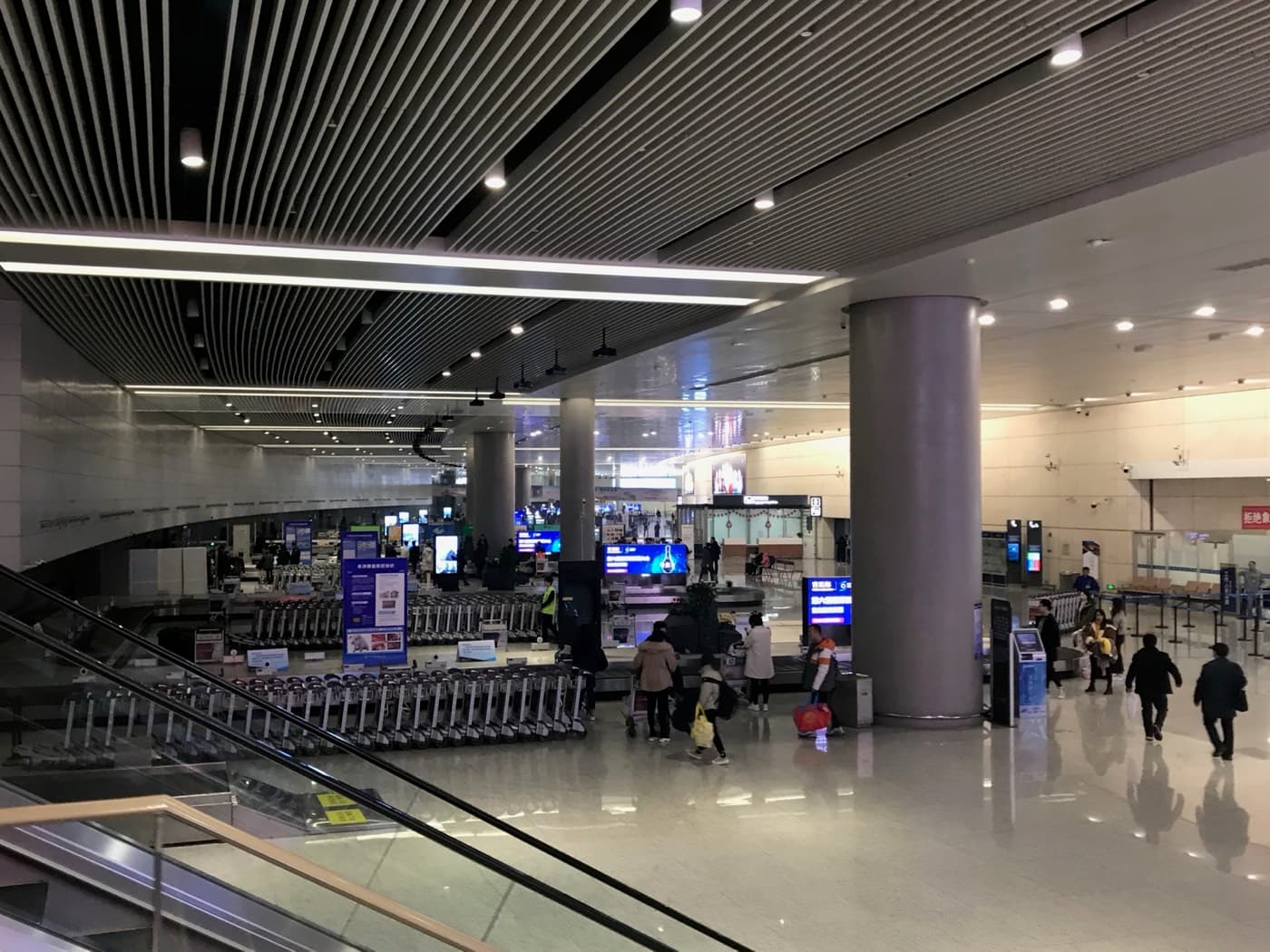
Nanjing Lukou International Airport matters if you have a direct international or domestic route that genuinely saves time. It can also be your entry point if your visa or visa-free transit plan supports it.
But if you are already in eastern China, flying in and out of Nanjing can add airport transfers that high-speed rail avoids. Compare door-to-door time, not just flight time. A 'short' flight can become a long day once you add station or airport distance, security, boarding, and luggage.
Shanghai, Suzhou, and Hangzhou pair naturally with Nanjing
Nanjing works beautifully as a second or third stop. Shanghai gives international flights and skyline energy. Suzhou gives gardens, canals, and a softer old-town day. Hangzhou gives West Lake, tea villages, and a slower southern mood. Nanjing adds walls, museums, avenues, and political history.
That mix is more interesting than trying to force every China trip through the same two mega-cities. For many Western travelers, Nanjing becomes the city that explains why the Yangtze River Delta is not one single travel personality.

Passport train workflow
China train tickets are tied to identity documents. Book using the same passport name and number you will carry on the travel day. At the station, foreign travelers may need manual passport checks or staff help if automated gates do not read the document smoothly.
Arrive earlier for your first China train, keep your passport outside your luggage, and screenshot the train number, departure station, arrival station, carriage, seat, and Chinese station name. This is boring preparation, which is exactly why it works.
Where to stay if transfers matter
If you have an early train or a one-night stop, staying near Nanjing South can be practical, but it is not the most atmospheric choice. If you want the city to feel like a trip, look toward Xinjiekou, Confucius Temple, Xuanwu Lake, or areas with easy metro access.
The sweet spot is usually not the absolute closest hotel to a station. It is the hotel that lets you reach the station without drama while still putting your evenings near food, walks, and the parts of Nanjing you came to feel.