
Nanjing / Practical Guides
Getting Around Nanjing: Metro First, Bus Carefully, Didi When the City Spreads Out
Nanjing is easy if you stop treating it like one compact old town. The city is better read in zones: the old city and Confucius Temple area, Xinjiekou and shopping streets, Xuanwu Lake, the Zhongshan Scenic Area, Hexi's modern riverfront, and the station or airport edges. Use the metro as your spine, buses as a second tool, and Didi for the gaps.
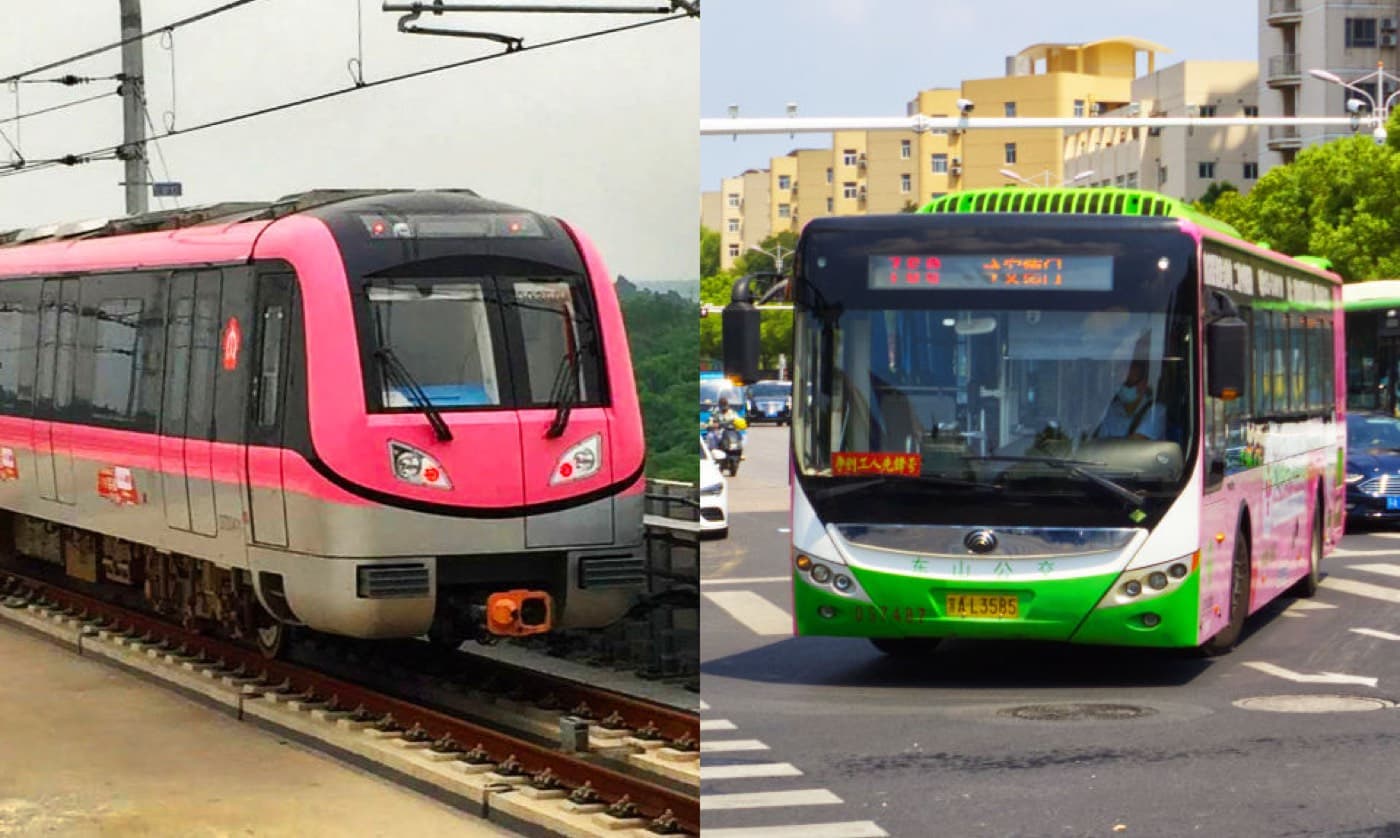
Metro first, especially on a first trip
The Nanjing metro is the simplest way for most foreign visitors to move around. It connects the big anchors, gives predictable timing, and removes most taxi-language anxiety. If your hotel is near a station, your trip becomes much easier.
Use Amap or another China-friendly map app for station exits, walking legs, and transfer timing. The metro gets you close. The last five hundred meters are where a good map saves your mood.
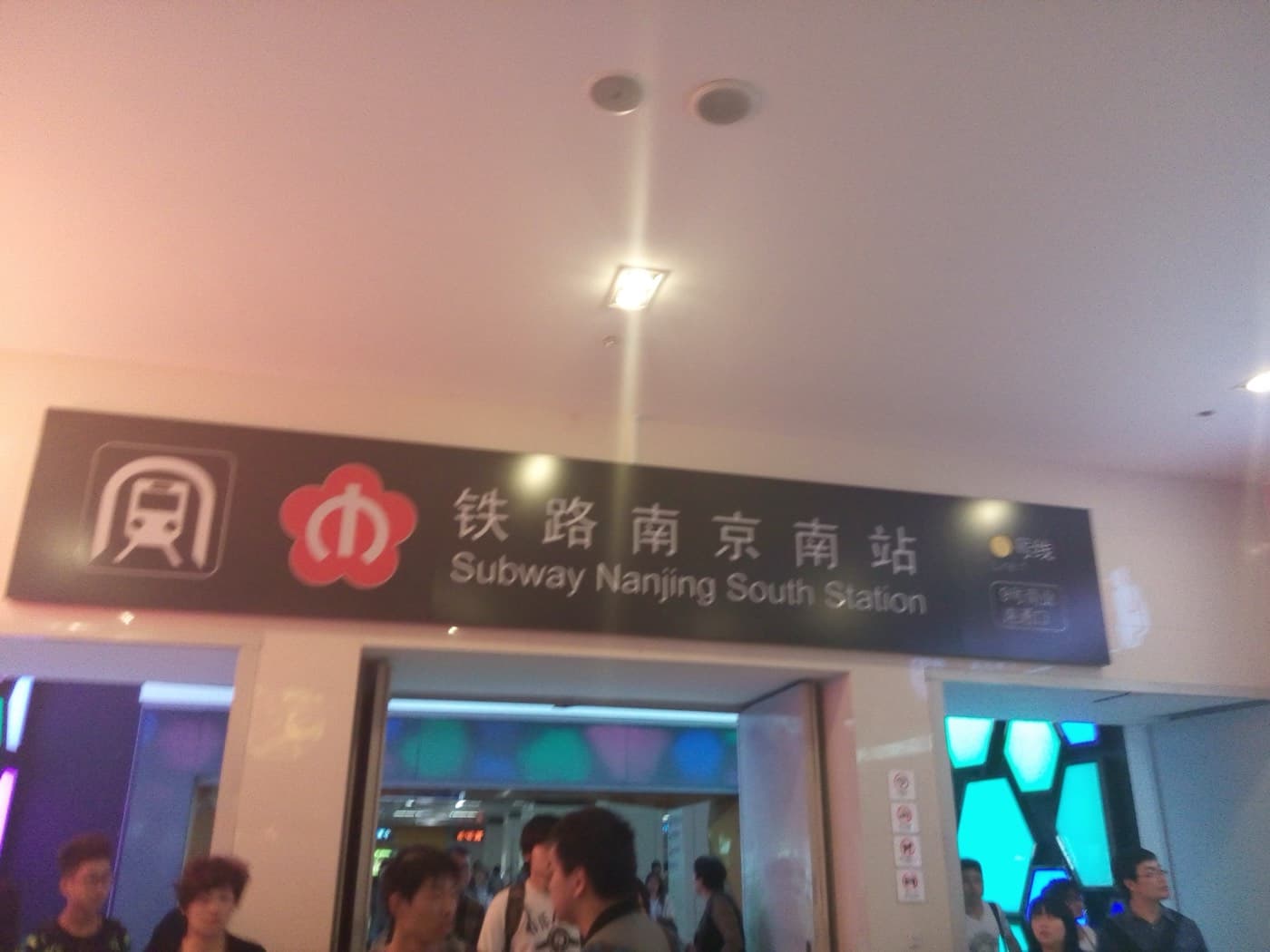
Xinjiekou is useful, but respect the maze
Xinjiekou is Nanjing's commercial center and one of the most useful places to stay or transfer. It is also the kind of station area where the wrong exit can add a surprisingly long underground walk.
Before leaving the platform, check the exit number, nearby mall, street name, and hotel or restaurant pin. If you are meeting someone, agree on a specific exit or landmark rather than 'Xinjiekou station'.
Plan by zones, not by scattered pins
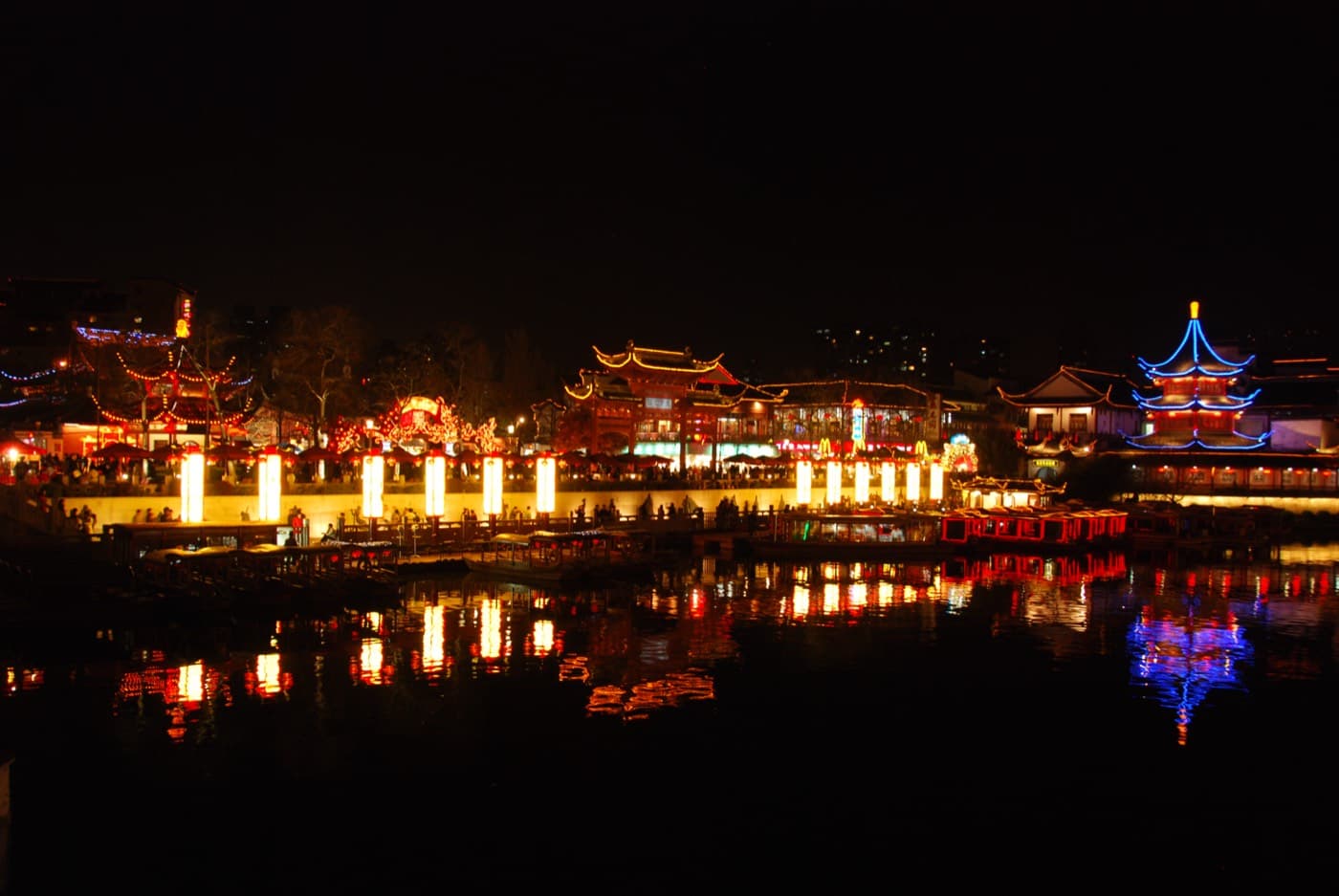
A good Nanjing day usually stays within one or two zones. Pair Confucius Temple with Qinhuai River and nearby old-city walks. Pair Xuanwu Lake with the city wall or nearby central districts. Give the Zhongshan Scenic Area its own block because distances, hills, and shuttle choices can eat time.
Hexi, the modern riverfront side, is a different mood: newer, wider, and better for business hotels, events, malls, or skyline views than for classic first-day Nanjing atmosphere.
Use buses when they solve a specific problem
Buses can be genuinely useful in Nanjing, especially around places where the metro stop is not exactly at the attraction gate. But they are less forgiving if you cannot read Chinese stops, confirm direction, or handle a route change.
Use buses when your map app gives a direct, simple option or when staff signs point to a clear scenic shuttle. If the bus route looks fiddly and you are tired, Didi may be the better travel decision even if it is less elegant.

Payment: Alipay, Jinlingtong, and backup plans
The Nanjinger notes that transport can be handled through local cards and mobile payment options, and travelers should expect Alipay and Didi to be part of the practical toolkit. Set up Alipay before your first tired station moment, then test your ride code on a low-stakes trip.
A Jinlingtong card can be useful for longer stays or card-preferring travelers, but most short-term visitors will start with mobile payments. Keep a little cash anyway, especially for small vendors, emergency top-ups, or moments when a foreign card refuses to cooperate.
When Didi is the right answer
Didi is useful for late nights, rain, luggage, hotels far from stations, elderly travelers, or routes around Zhongshan Scenic Area where the walking math gets ugly. It is also a good backup if a bus route looks too complicated in Chinese.
The tradeoff is traffic and pickup precision. Use a clear pickup point, match the license plate, and keep your destination saved in Chinese. In Nanjing, the best transport strategy is not ideological. It is metro first, then the tool that keeps the day moving.