
Hangzhou / Practical Guides
West Lake Looks Walkable Until It Isn't: How to Move Around Hangzhou Without Losing Half a Day
Hangzhou is seductive because it looks like a walking city: lake, causeways, hills, temples, tea roads, old streets, and soft water views. Then the day expands. West Lake is large, Lingyin is not just around the corner, scenic roads clog up, and taxis cannot magically solve every tourist-area bottleneck. The best Hangzhou transport plan is a mix: walk where the city is beautiful, use metro for structure, buses for scenic gaps, and Didi only when the pickup actually makes sense.

Walk the lake, but do not make walking the whole plan
West Lake is best understood on foot. The first hour around Hubin, Broken Bridge, Bai Causeway, or the lake edge gives you exactly the Hangzhou feeling visitors come for. But the lake is large, and the distance between pretty places can quietly eat the day.
A smart route uses walking for the beautiful sections and transport for the boring gaps. For example, use metro to reach Longxiangqiao, walk the lake edge, then use bus, taxi, or a short ride-hail only when the next place is not worth spending forty minutes of sidewalk energy.
Longxiangqiao, Fengqi Road and Wulin Square: the useful city spine
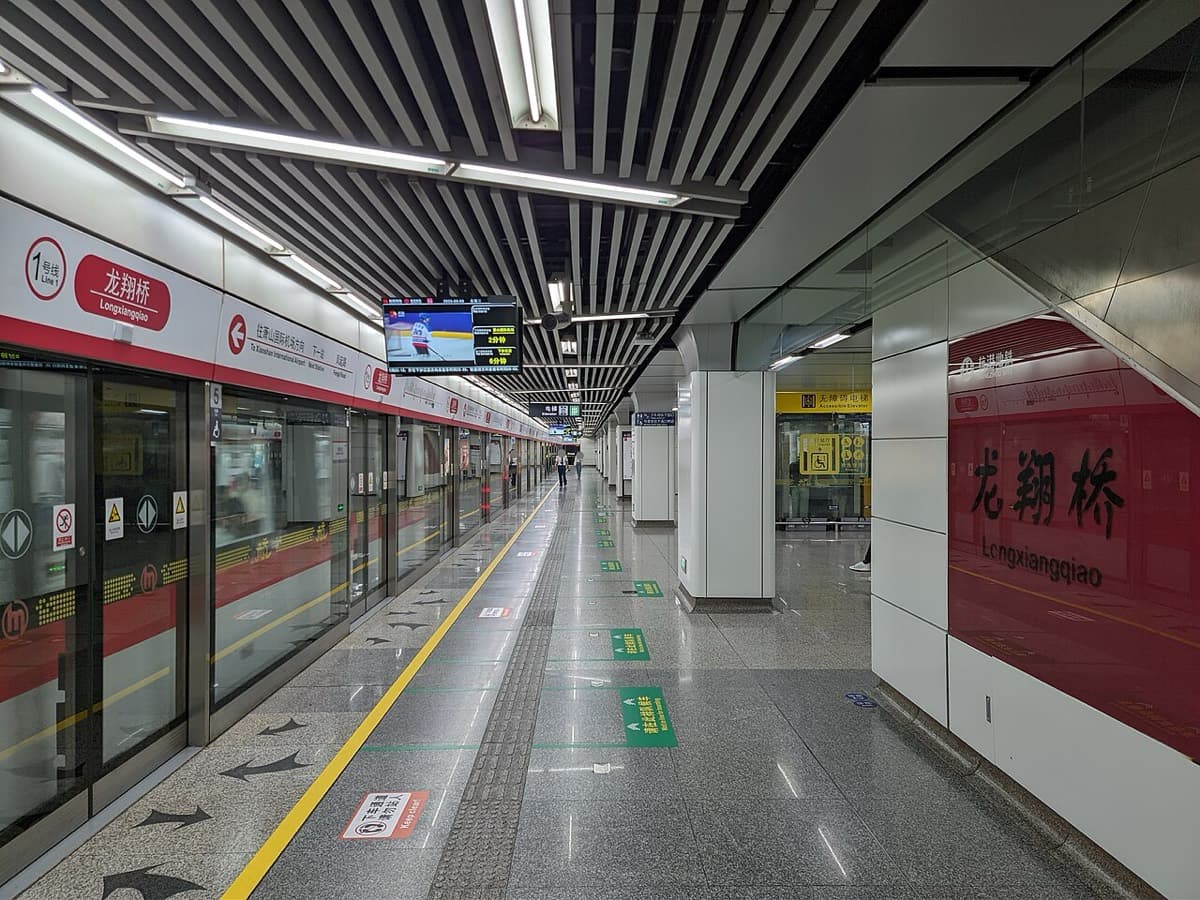
Longxiangqiao is a strong first station for Hubin and the east side of West Lake. Fengqi Road and Wulin Square are useful if your hotel is in the central business and shopping belt, or if you are transferring between metro lines. These names matter because Hangzhou directions often work better by station than by vague neighborhood labels.
Before leaving the hotel, check the exit, not only the station. Amap is especially useful here because a wrong metro exit near a lake, mall, or underpass can add unnecessary walking and confusion.
Lingyin needs a peak-time strategy
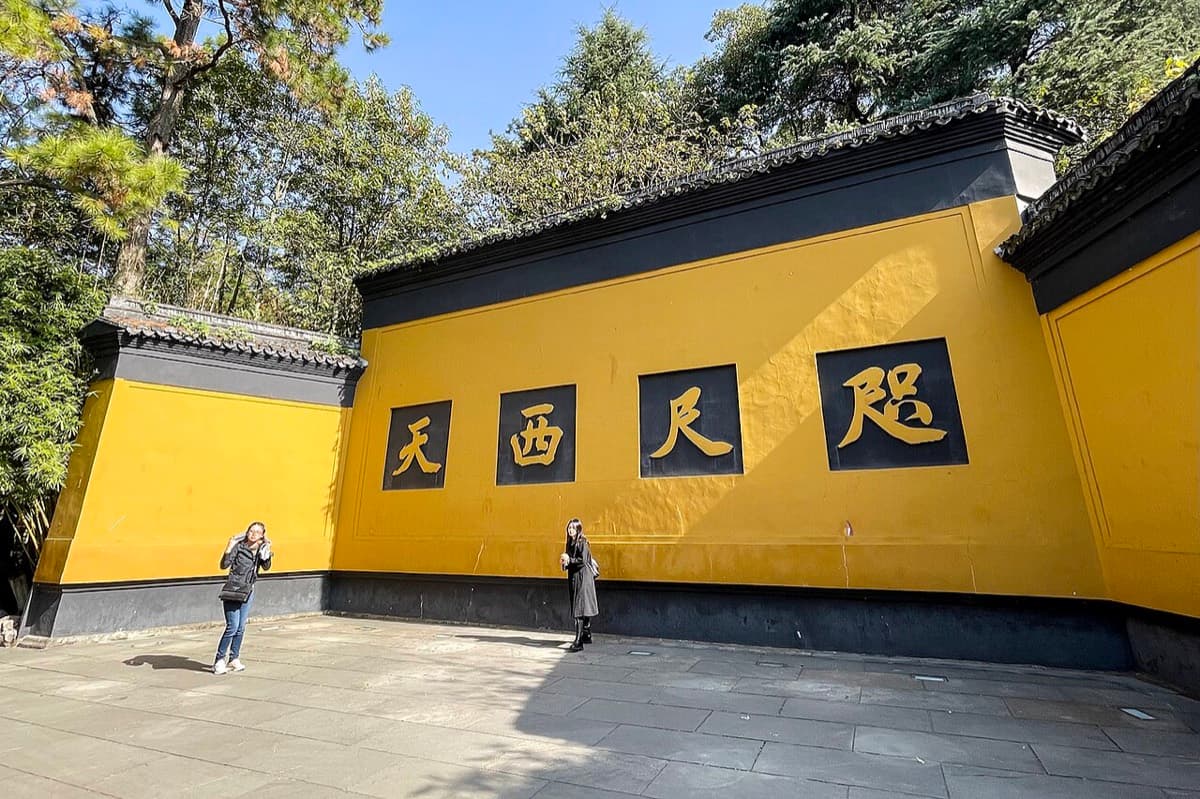
Lingyin Temple is one of Hangzhou's best sights, but it is not a simple metro-doorstep attraction. Scenic-area traffic, weekend crowds, holiday controls, and limited pickup convenience can make taxis feel less useful than expected. A local travel discussion on Hangzhou specifically warns visitors about big tourist traps and crowd strategy, which matches the practical reality around major sights.
Go earlier, check bus options, and avoid assuming that Didi can collect you from exactly where you stand. If the app pickup point is awkward, walk to a clearer road, use the bus, or ask staff which exit and stop make sense.
Buses are not a downgrade in Hangzhou
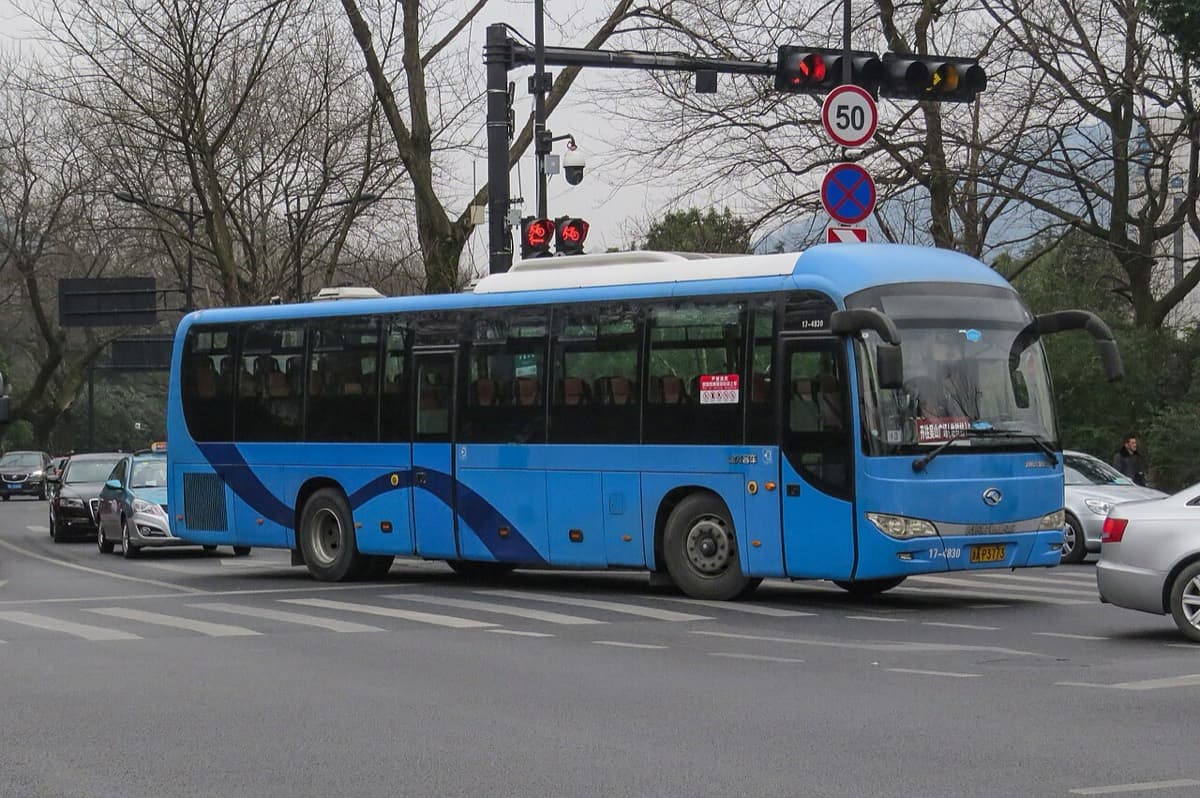
In many Chinese cities, visitors ignore buses because the metro feels easier. In Hangzhou, buses can be genuinely useful around scenic areas where metro lines do not perfectly match the places people want to see. They also help bridge West Lake, Lingyin, Longjing tea areas, old streets, and hotel zones without overusing taxis.
The practical issue is language and stops. Use Amap, match the bus number carefully, and keep the destination in Chinese. If the bus is crowded or confusing, wait for the next one or switch to a simpler route. The goal is not to prove you can master every bus; it is to avoid wasting the day in traffic.
The Grand Canal water bus is transport with a mood
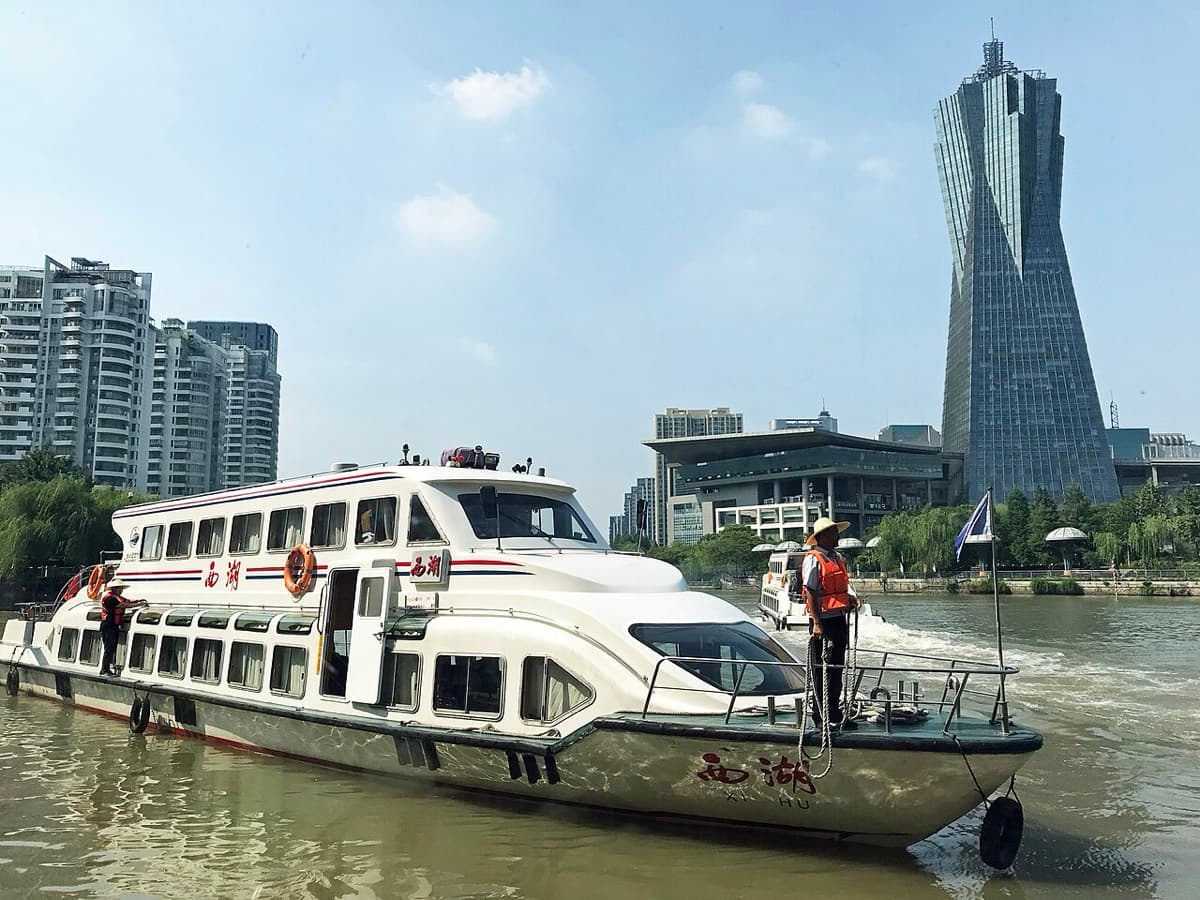
Hangzhou's official tourism site describes multiple Grand Canal water bus routes, including routes from Wulin Gate toward Gongchen Bridge and Xixi Wuchang Harbor. This is not always the fastest way across the city, but it can be one of the most Hangzhou ways to move.
Use it when the route fits a slower day: Grand Canal museums, Gongchen Bridge, Wulin Gate, canal neighborhoods, or a break from road traffic. Do not use it when you are racing to a timed reservation. That is how charming transport becomes stress.
When to use Didi or taxis
Use Didi or taxis for rain, late nights, luggage, family travel, or hotels far from metro stations. Avoid depending on them inside scenic bottlenecks, especially when everyone else also wants a car. Around West Lake and Lingyin, the pickup point can matter more than the ride price.
The calmest Hangzhou days combine modes. Metro into the area, walk the pretty section, bus across the scenic gap, taxi back only when you are outside the worst congestion. That is less glamorous than saying 'just take a cab,' but it works.