
Hangzhou / Practical Guides
Landing at HGH? The Smartest Way from Hangzhou Airport to West Lake, Wulin and East Station
Hangzhou airport arrival is better than many first-timers expect. The city has a serious metro airport connection, useful rail links, and enough taxi or Didi backup to make late landings manageable. The trick is choosing by arrival time, luggage, and where you are actually sleeping: West Lake, Wulin, Hangzhou East, or a hotel outside the tourist core.
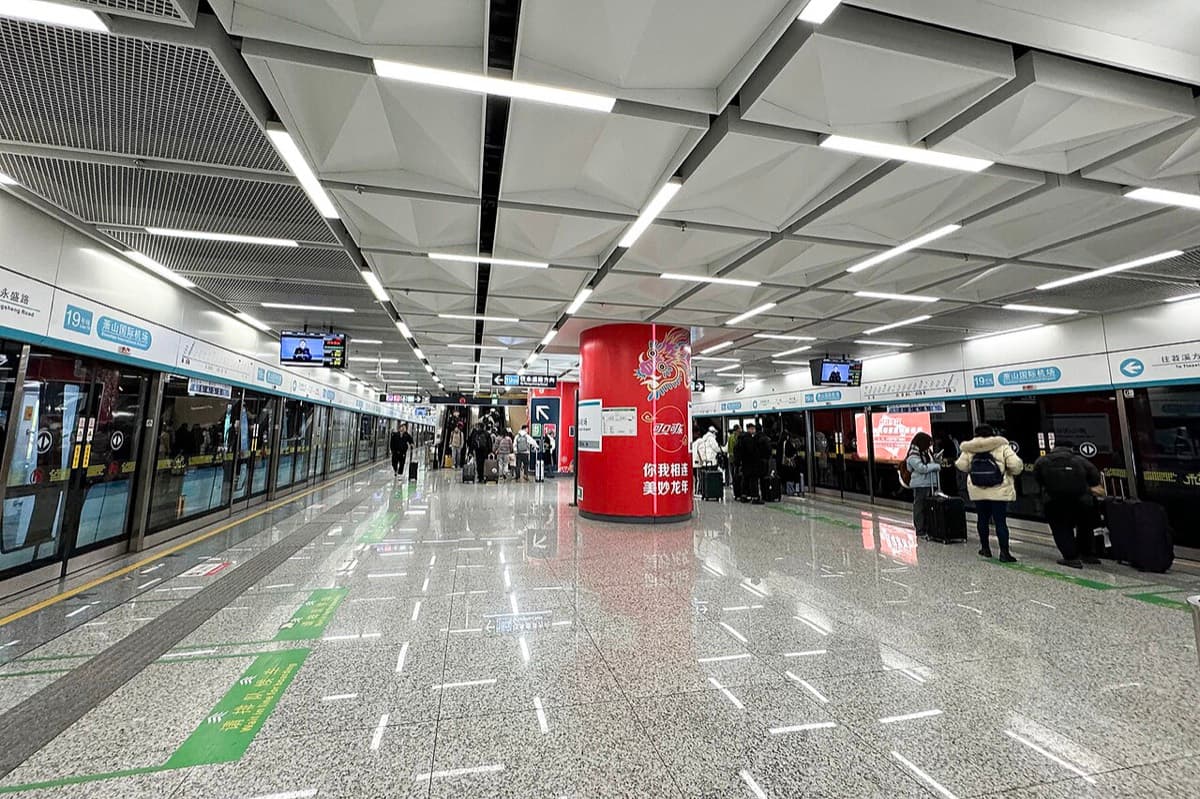
Start with your hotel zone, not the airport
HGH looks like one arrival question, but it really creates several different routes. A hotel near West Lake or Hubin is not the same as a hotel near Wulin Square, and Hangzhou East Railway Station is a separate logistics goal. Before landing, save the hotel name in Chinese and check the nearest metro station and exit.
For Western visitors, the simplest airport decision tree is this: metro in daytime if the route is direct and luggage is manageable; official taxi or Didi if you arrive late, travel with family, stay far from a metro station, or do not want to wrestle with transfers after a long flight.
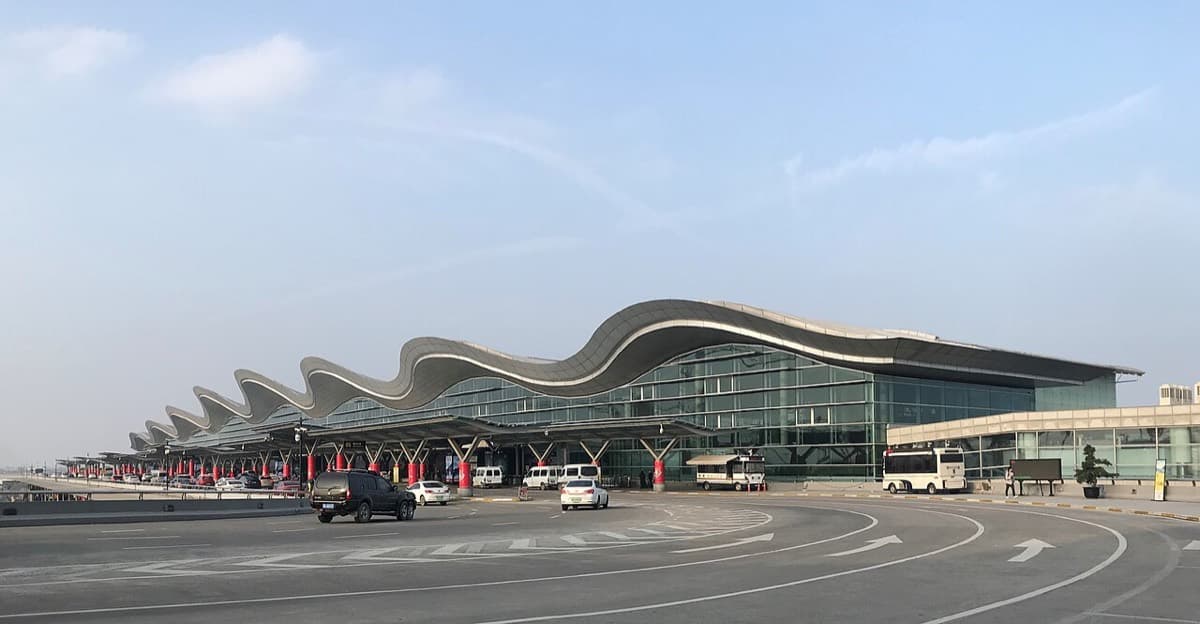
Metro first: Lines 1, 7 and 19 at HGH
Hangzhou Airport's official English page says Metro Lines 1, 7 and 19 are open at Hangzhou Xiaoshan International Airport, with operating hours listed from early morning to after midnight depending on line and direction. For travelers, that makes metro the best first option to check.
Line 19 is especially useful if your next step is Hangzhou East Railway Station or a rail connection. Line 1 can be useful for city-center movement, while Line 7 helps with routes toward the Wushan Square side. Always confirm the live route in Amap or the metro app because the best transfer can change by exact hotel location.
West Lake and Wulin: easy in theory, fiddly at the last kilometer
West Lake is the reason many visitors are in Hangzhou, but hotels around the lake, Hubin, Wulin, and the old city are not all equally easy with luggage. A metro station can be close on the map and still leave you with stairs, crossings, rain, crowds, or a confusing exit.
If you arrive in daylight with a rolling suitcase, metro plus a short walk may be perfect. If you arrive late or tired, use Didi or an official taxi from the airport to avoid turning your first hour into a navigation puzzle. Hangzhou is pretty; airport fatigue is not.
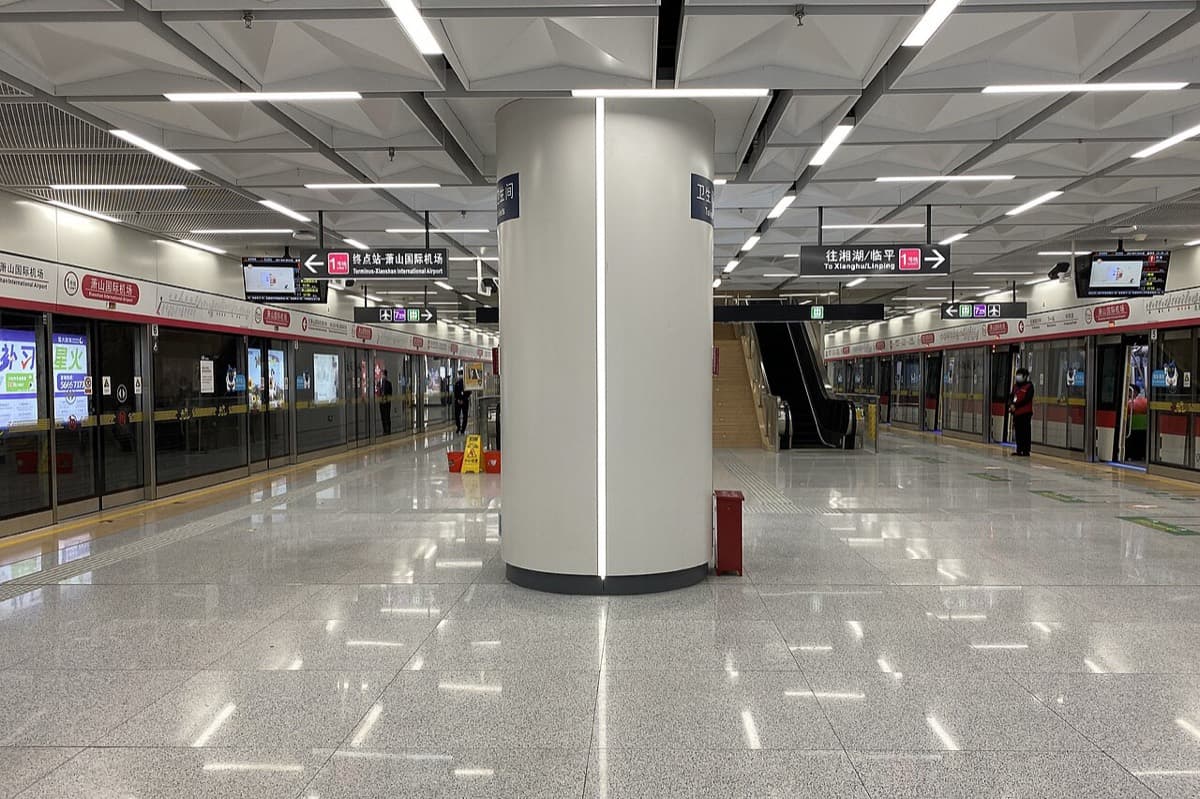
Airport buses exist, but check the schedule before counting on them
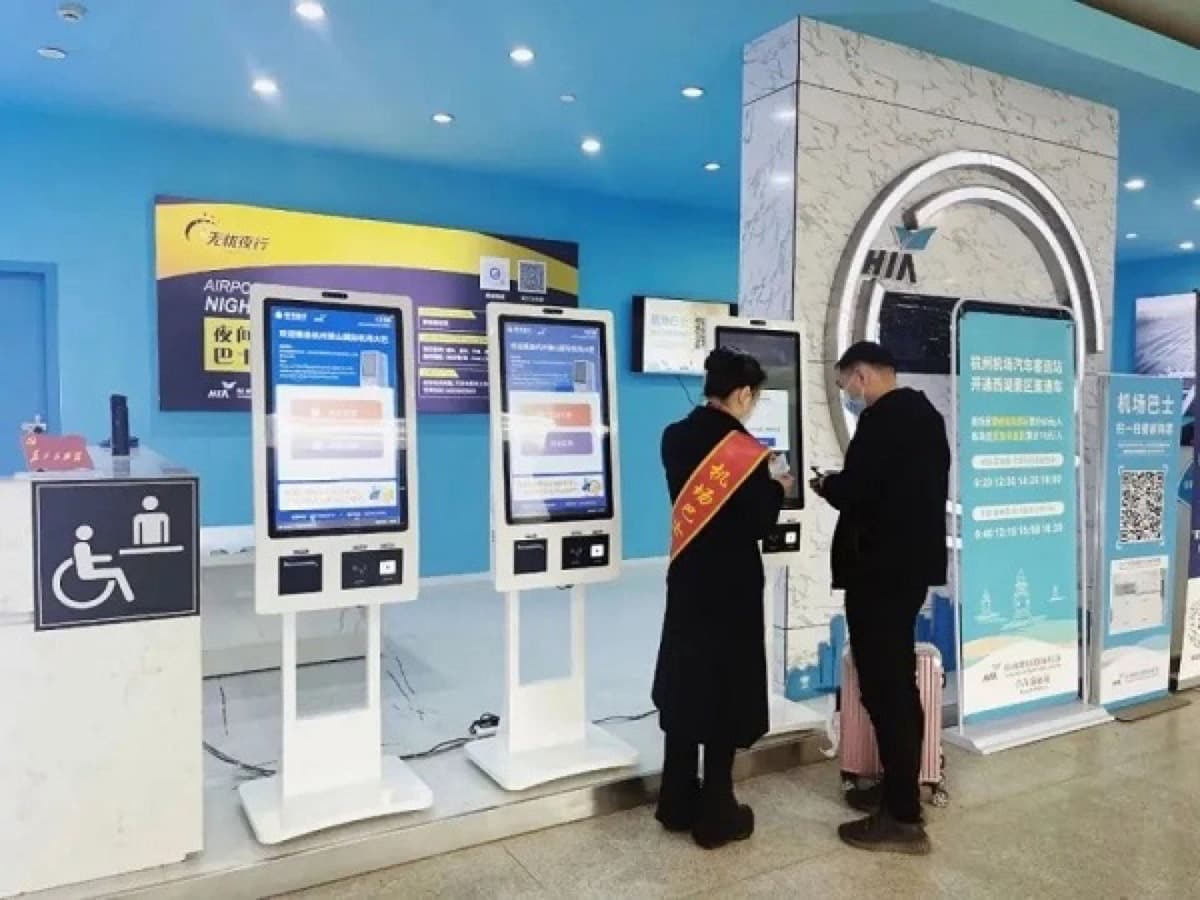
Hangzhou's city portal reported a tourist bus route from the airport to West Lake scenic-area stops, including Leifeng Pagoda and Lingyin Temple parking areas, with tickets sold through travel apps and airport machines. That is useful if the timing matches your plan, especially for sightseeing-first arrivals.
The caution is that airport bus routes and schedules are more fragile than metro. Treat buses as a useful option to check, not your only plan. If the next departure is far away, the metro or a taxi may save both time and patience.
Hangzhou East Station: useful if your China trip continues by rail
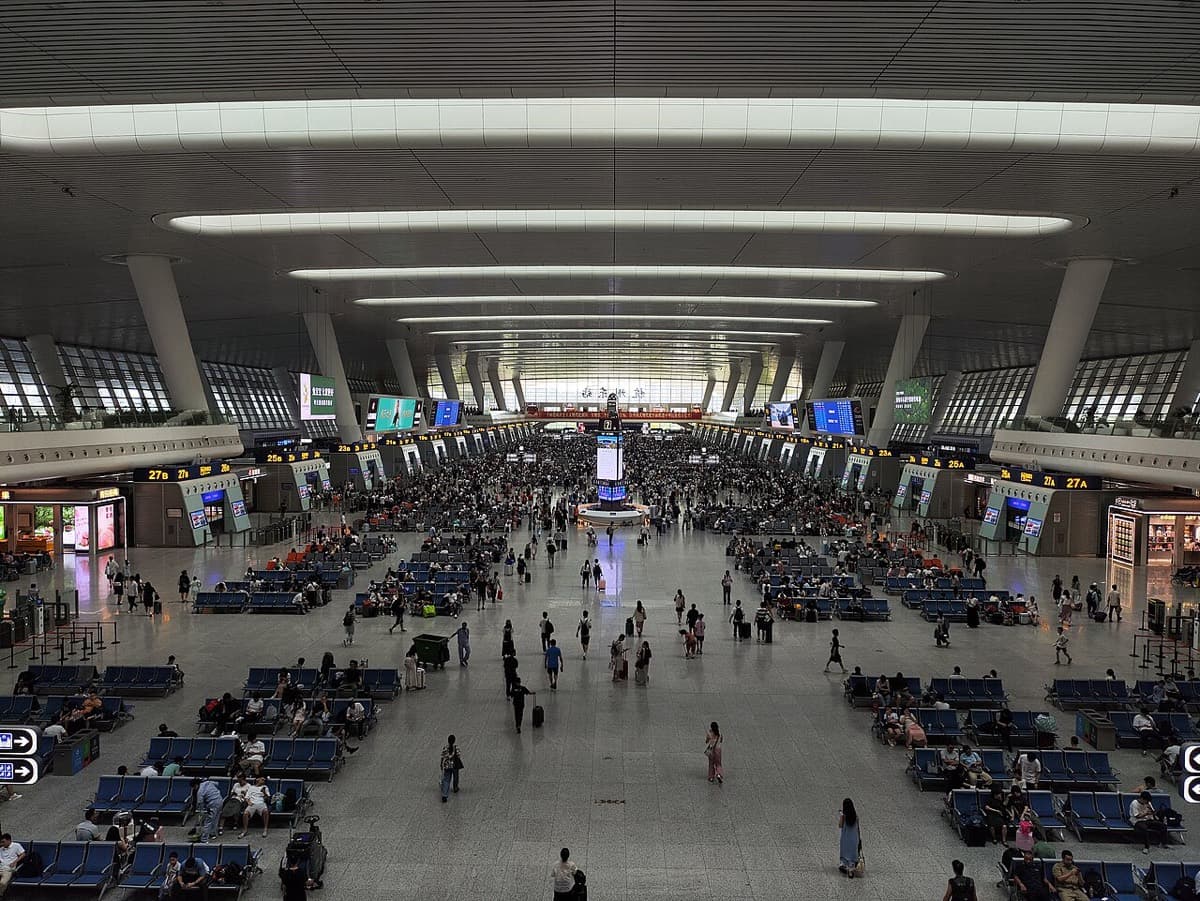
Hangzhou East Railway Station is one of the key transport hubs for visitors combining Hangzhou with Shanghai, Suzhou, Nanjing, Huangshan, or other cities. If you are landing and catching a train, build in more buffer than the timetable suggests. Immigration, bags, metro walking, security, station gates, and passport checks all consume time.
If your flight is delayed or your passport gate experience is slow, do not force a tight train. Buy a later train or stay the night. China high-speed rail is excellent, but it rewards calm station buffers.
Didi and taxis: best for late arrivals and awkward addresses
Didi is useful in Hangzhou, but airport pickup zones and driver messages can still be stressful if you do not read Chinese. If your phone, payment, and translation setup are working, Didi can be good for hotels outside easy metro range. If not, use the official taxi queue and show the hotel address in Chinese.
For the first night, do not be too proud to choose the boring route. A clean taxi to the hotel, a shower, and a West Lake morning often beats saving a small amount while dragging luggage through an unfamiliar transfer.