
Chengdu / Local Culture
Chengdu for Three Kingdoms Fans: Wuhou Shrine, Liu Bei, Zhuge Liang and Jinli
Chengdu is one of the easiest Chinese cities to enjoy through a story. The Shu Han kingdom, Liu Bei, Zhuge Liang, and the Three Kingdoms imagination still shape how visitors read Wuhou Shrine, Jinli, old streets, and souvenir culture. Even if you only know the names from games or TV, the city gives the legend a physical address.
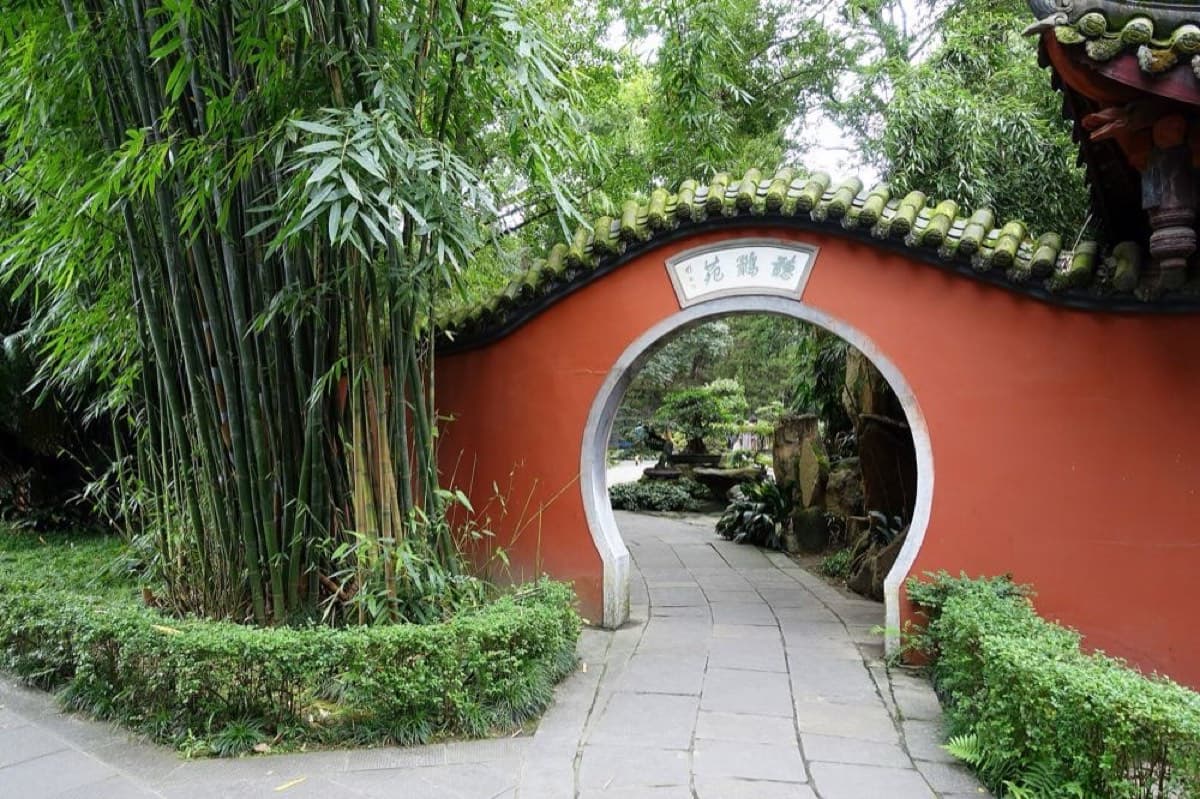
Why Chengdu matters in the Three Kingdoms story
For many Western visitors, the Three Kingdoms arrive through video games, novels, TV dramas, or memes before they arrive through history class. Chengdu makes that story less abstract. It was the heartland of Shu Han memory, and the city still treats Liu Bei and Zhuge Liang as cultural figures rather than distant textbook names.
You do not need to know the entire epic before visiting. Start with one simple frame: Liu Bei represents the Shu ruler, Zhuge Liang represents strategy and loyal service, and Chengdu gives their story a place you can walk through.
Wuhou Shrine: shrine, memory site, and story machine
Wuhou Shrine is not only a checklist attraction. It is a memory site where history, literature, loyalty, politics, and tourism overlap. The plaques, halls, statues, and courtyards all point toward a bigger question: why do certain figures keep living in a city's imagination?
Give the shrine enough time. Walk slowly through the courtyards, read the English signs where available, and let the place build context before you head into the busier Jinli area.
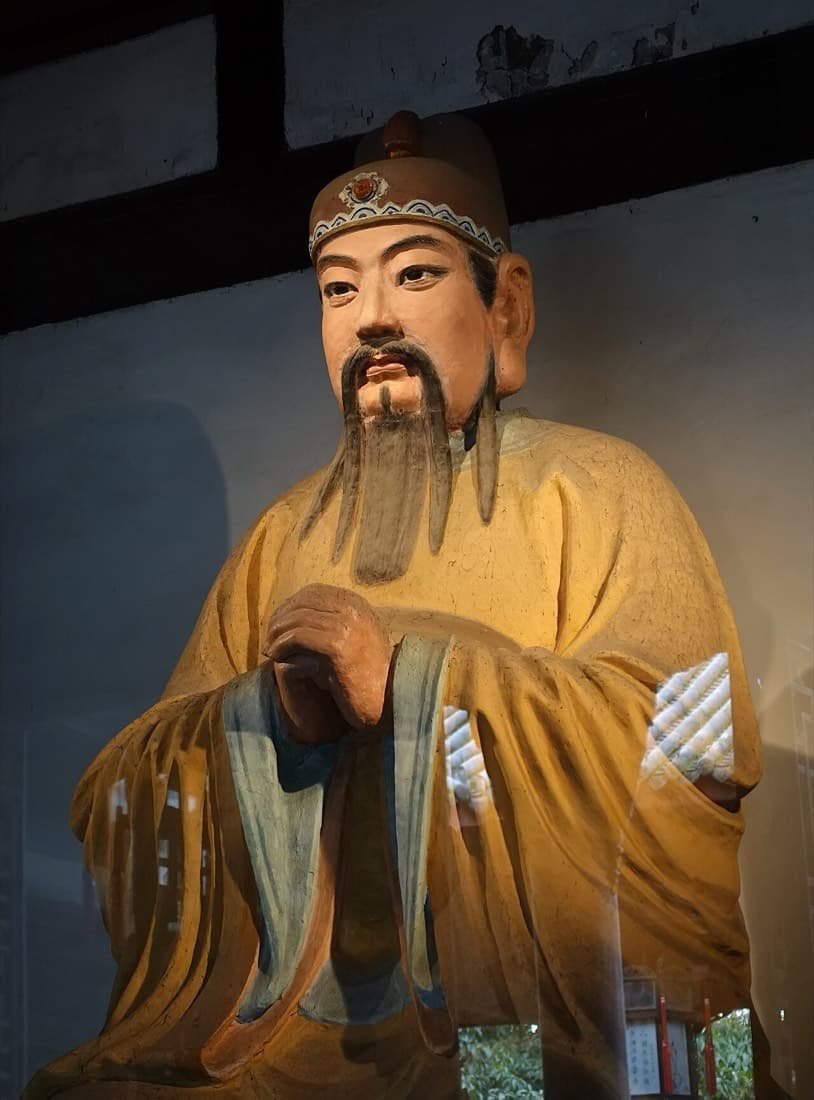
Zhuge Liang: the strategist Western visitors may already know
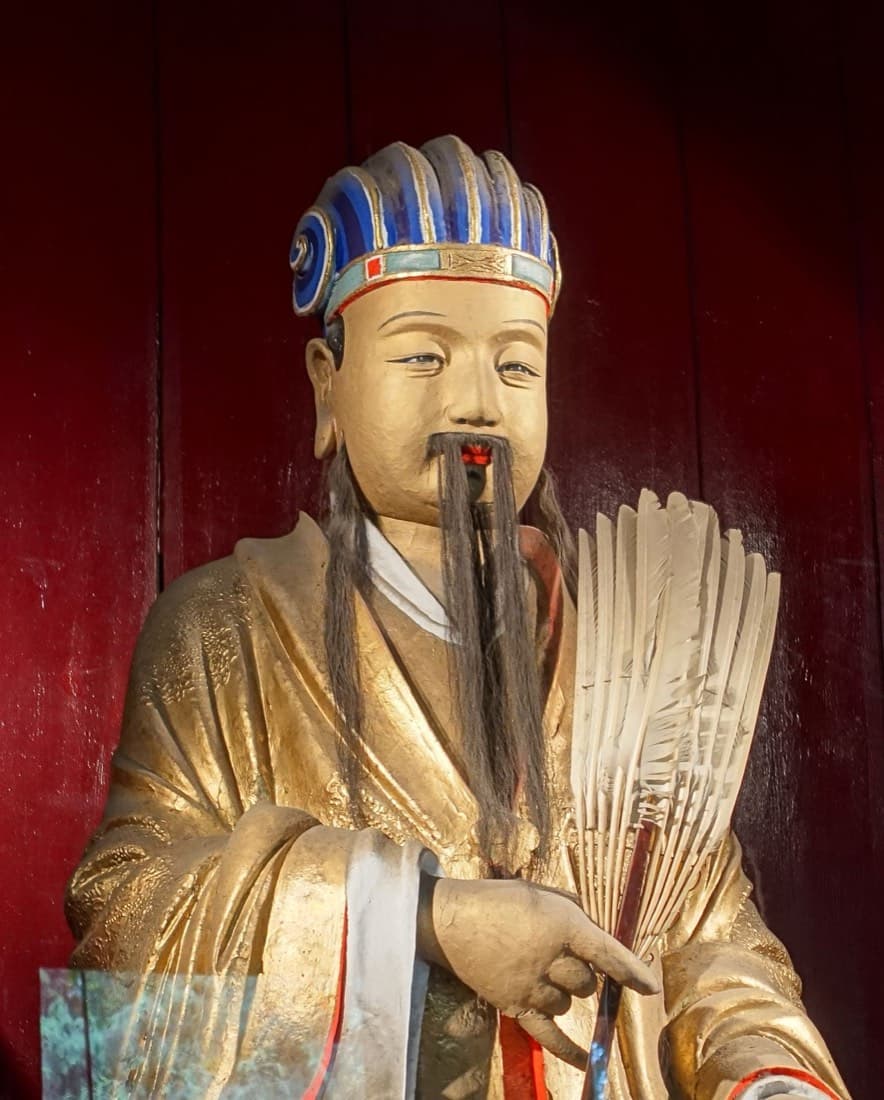
Zhuge Liang is often the figure that clicks fastest for international visitors because he appears across games, novels, strategy culture, and popular retellings. At Wuhou Shrine, he becomes more than a clever tactician. He becomes a symbol of service, intelligence, loyalty, and political imagination.
If you only remember one detail, remember the fan. It appears again and again in visual culture because it turns strategy into an image: calm, composed, and somehow always thinking three steps ahead.
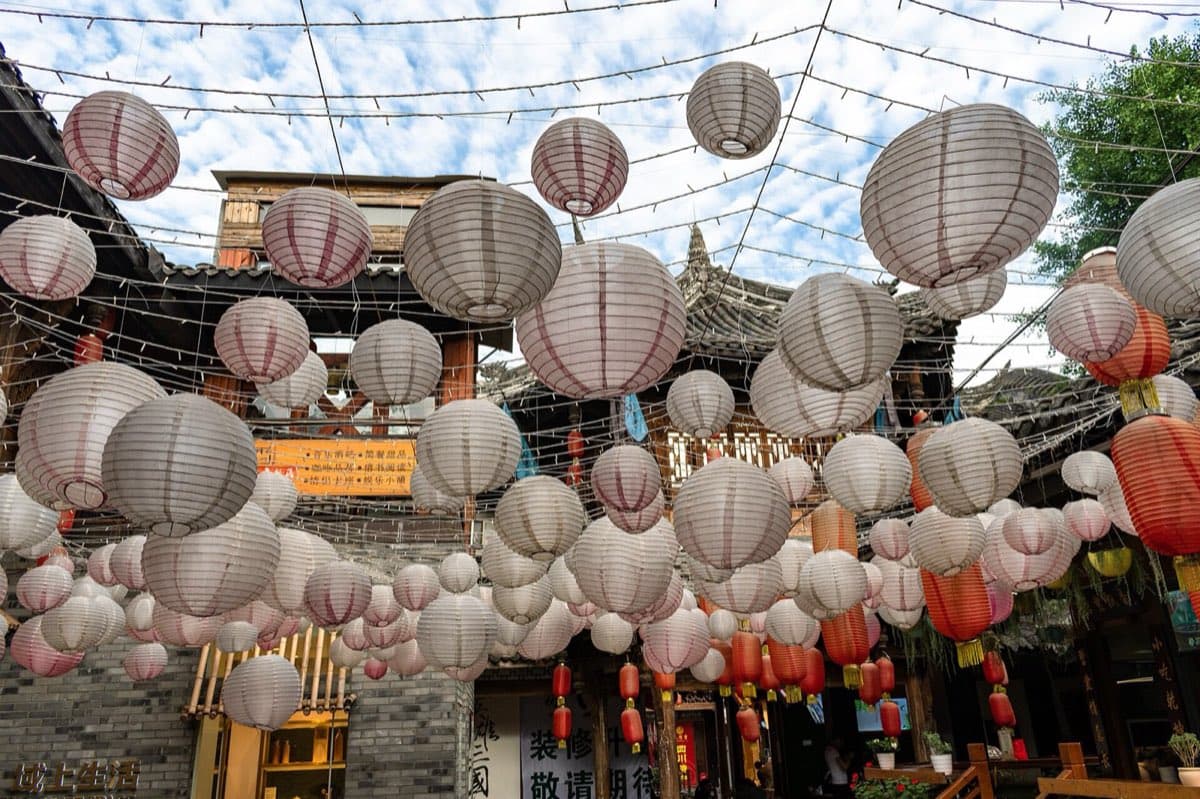
Jinli: touristy, useful, and better after dark
Jinli is not hidden Chengdu. It is polished, crowded, snack-heavy, and clearly built for visitors. That does not make it useless. Paired with Wuhou Shrine, it gives the historical stop a lively exit: lanterns, street snacks, souvenir shops, stage imagery, and a theatrical version of old Chengdu.
Go with honest expectations. It is not the quietest place to find local life, but it is easy, photogenic, and helpful if you want one evening route that does not require difficult navigation.
How to make it interesting if you are not a history fan
Treat the visit like story mapping. Instead of memorizing dates, follow roles: ruler, strategist, loyal minister, military ambition, fragile alliance, and later cultural memory. That frame makes the site readable even if you have never opened Romance of the Three Kingdoms.
Then pair it with something very Chengdu: tea, hotpot, or a Sichuan opera night. The city is good at making old stories and everyday pleasures sit next to each other.