
Chengdu / Local Culture
Why Chengdu Feels So Addictive: Tea Houses, Hotpot, Mahjong and the Art of Being Bashi
Chengdu is not addictive because it has one unbeatable monument. It gets under your skin because the city knows how to make ordinary time feel good. A tea table can become an afternoon. A hotpot dinner can become the whole evening. A park can feel like a public living room. Locals call that mood an yi or bashi: comfortable, relaxed, satisfying, and quietly confident that life should leave room for pleasure.

The city is a rhythm, not a trophy list
Chengdu has pandas, temples, historic streets, and strong side trips. But if you only chase the names, you may miss the thing people remember most: the pace. The city feels social without being frantic, relaxed without being empty, and food-focused without needing every meal to be formal.
For Western travelers, that makes Chengdu a useful break from the big-capital sprint. A good day can be panda base in the morning, tea in the afternoon, hotpot after dark, and a slow walk by the river instead of another museum pushed into the schedule.
What bashi actually feels like
Bashi is one of those local words that is easier to feel than translate. It can mean comfortable, satisfying, just right, or deeply pleasant. In travel terms, it is the difference between seeing a teahouse and spending enough time in one to understand why people are still there two hours later.
It does not mean Chengdu is sleepy. The city is huge, modern, and busy. The point is that many everyday pleasures still have public space: parks, tea chairs, street food, late restaurants, and friends gathered around tables that are allowed to last.
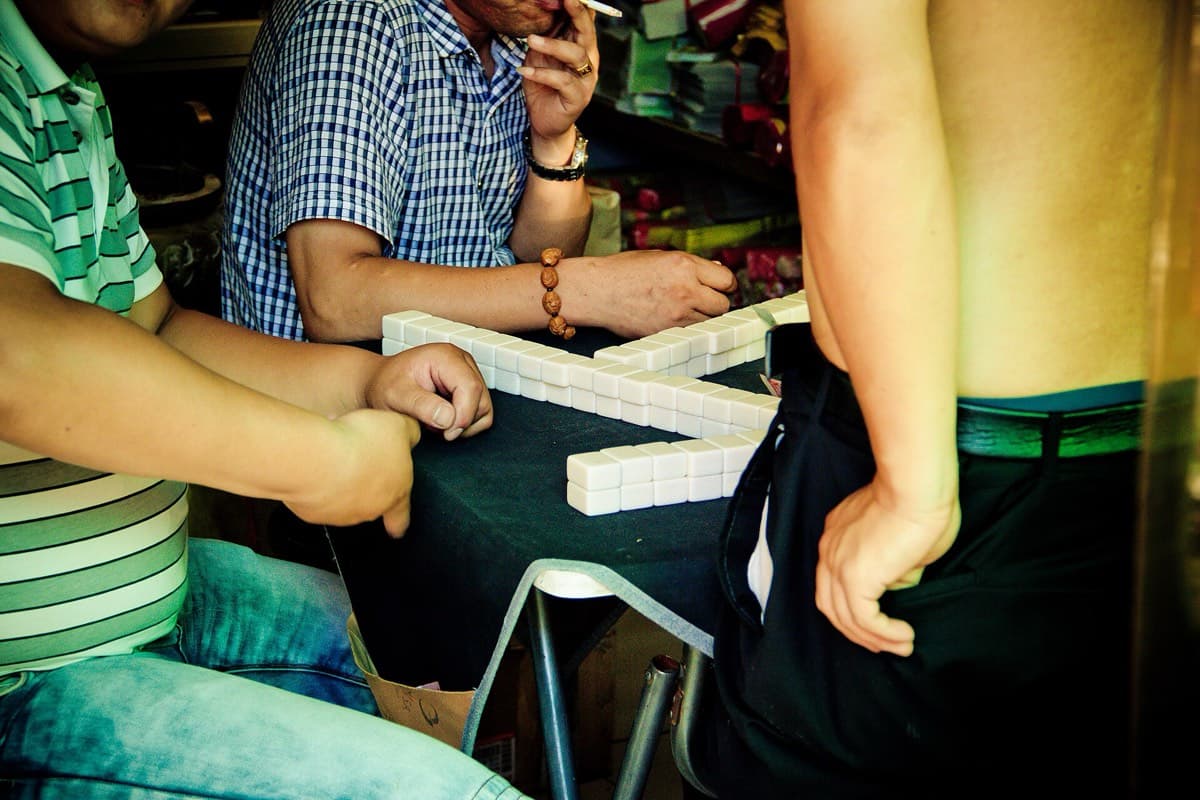
Tea houses are the daytime version
A Chengdu teahouse is not just a place to drink tea. It is a place to sit, talk, read, watch, negotiate, rest, and let the day loosen a little. People's Park is the easy first stop because it makes the scene visible even if you have never ordered gaiwan tea before.
Do not rush it. Order tea, look around, and let the room teach you the etiquette. You will see solo visitors, friend groups, older regulars, tourists, ear-cleaning vendors, and waiters moving through a choreography that feels casual only because everyone else already knows the steps.
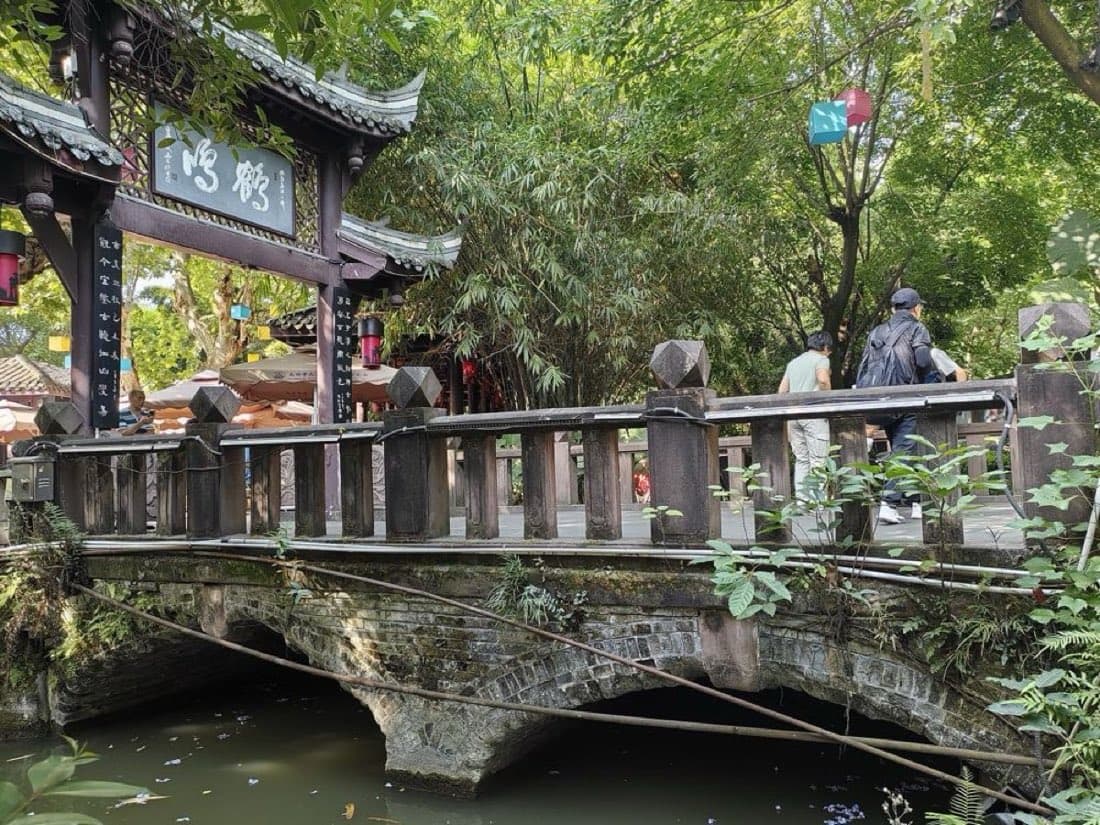
Hotpot is the nighttime version
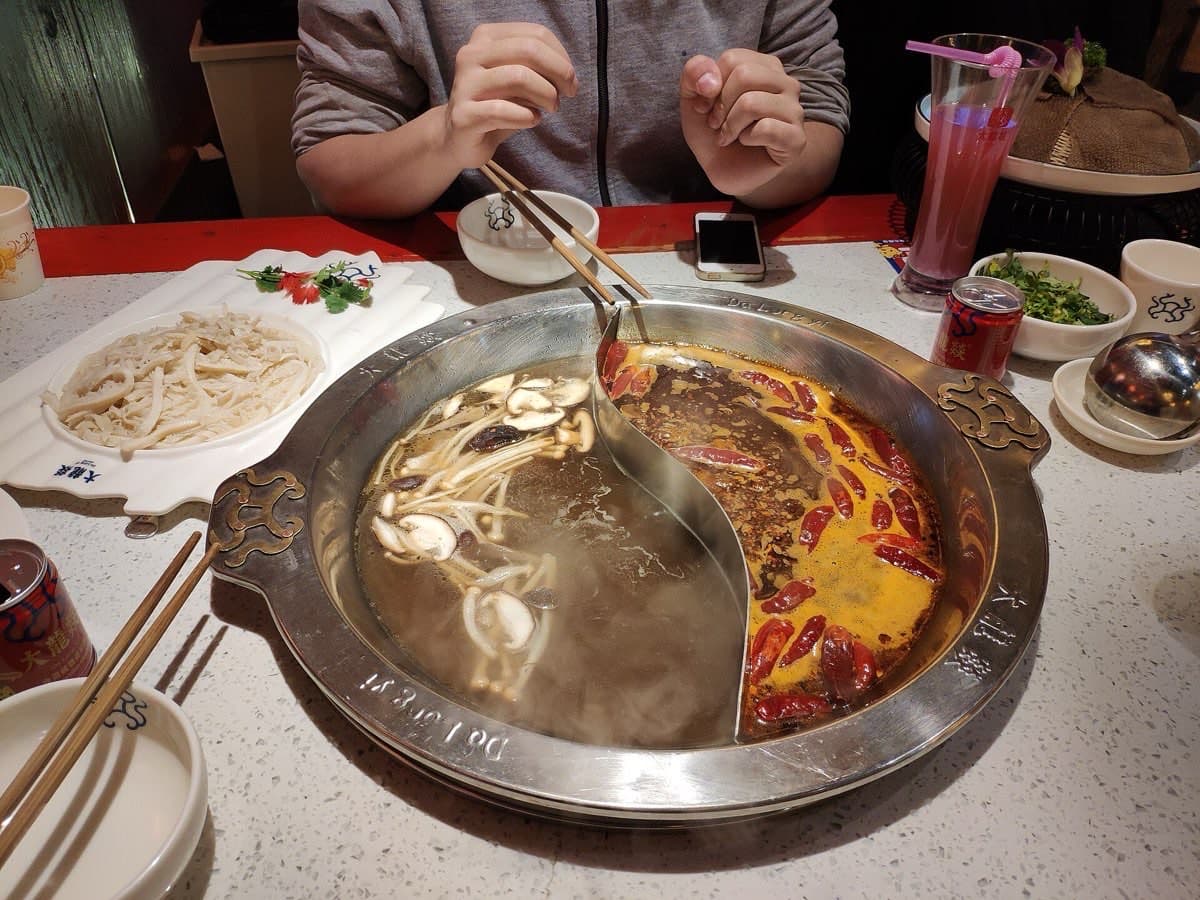
Hotpot is dinner, but in Chengdu it is also temperature, noise, patience, negotiation, and friendship. The meal forces everyone to slow down because food arrives raw, cooks in waves, and keeps the table active. That makes it a strong cultural experience even before the chili oil hits.
If you are new to Sichuan spice, do not perform bravery. Order a split pot or ask for a milder broth, keep sesame oil dip nearby, and remember that the goal is not suffering. The goal is a long table that feels alive.
How to travel Chengdu without fighting Chengdu
The mistake is trying to make Chengdu behave like a city of quick hits. It works better when you plan one anchor per half day and leave space around it. Build in a tea pause. Keep one dinner flexible. Let a park or riverside walk take longer than planned.
That is not wasted time. In Chengdu, the filler is often the point. The city becomes more interesting when you stop treating comfort as a failure of travel and start treating it as the local specialty.