
Beijing / Practical Guides
Where to Stay in Beijing: Qianmen, Wangfujing, Gulou, Sanlitun, Guomao or Wudaokou?
Choosing where to stay in Beijing is less about finding the single best neighborhood and more about admitting what kind of traveler you are. Do you want first-time sightseeing to be easy, old-lane wandering, nightlife and international food, business-hotel comfort, or student-neighborhood energy? Beijing is huge, so the right base saves more energy than a slightly prettier hotel room.
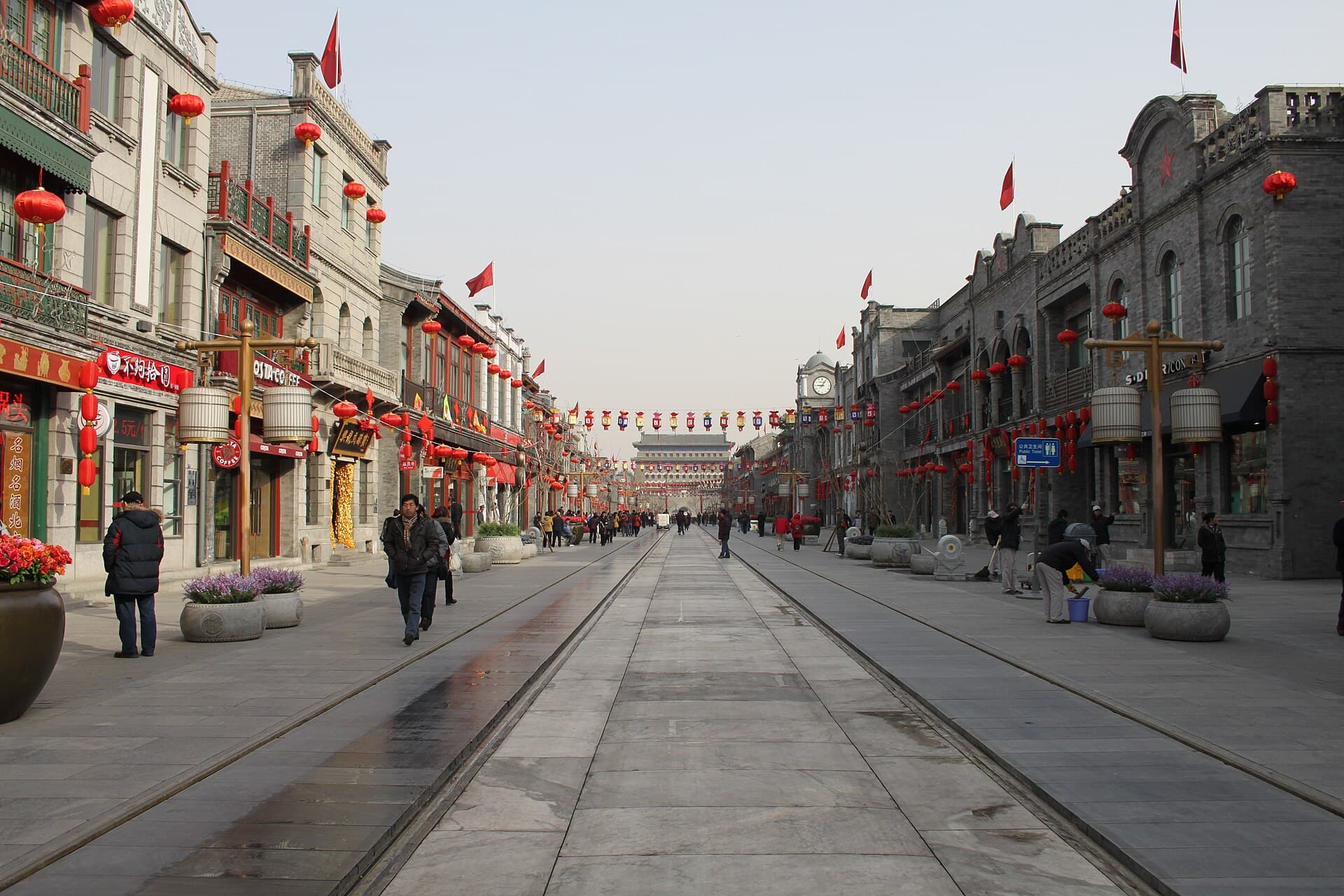
Choose by trip style, not hotel photos
Beijing is too large for a hotel choice based only on room photos. A beautiful hotel in the wrong area can make every day feel like a commute. A slightly less glamorous hotel near the right metro line, restaurant cluster, or first-day route can make the city feel much friendlier.
Start with your trip style. Classic first-time sights? Stay central. Hutongs, cafes, and wandering? Stay closer to Dongsi or Gulou. Nightlife and embassies? Sanlitun. Business meetings and comfort? Guomao. Student bars and campus energy? Wudaokou.
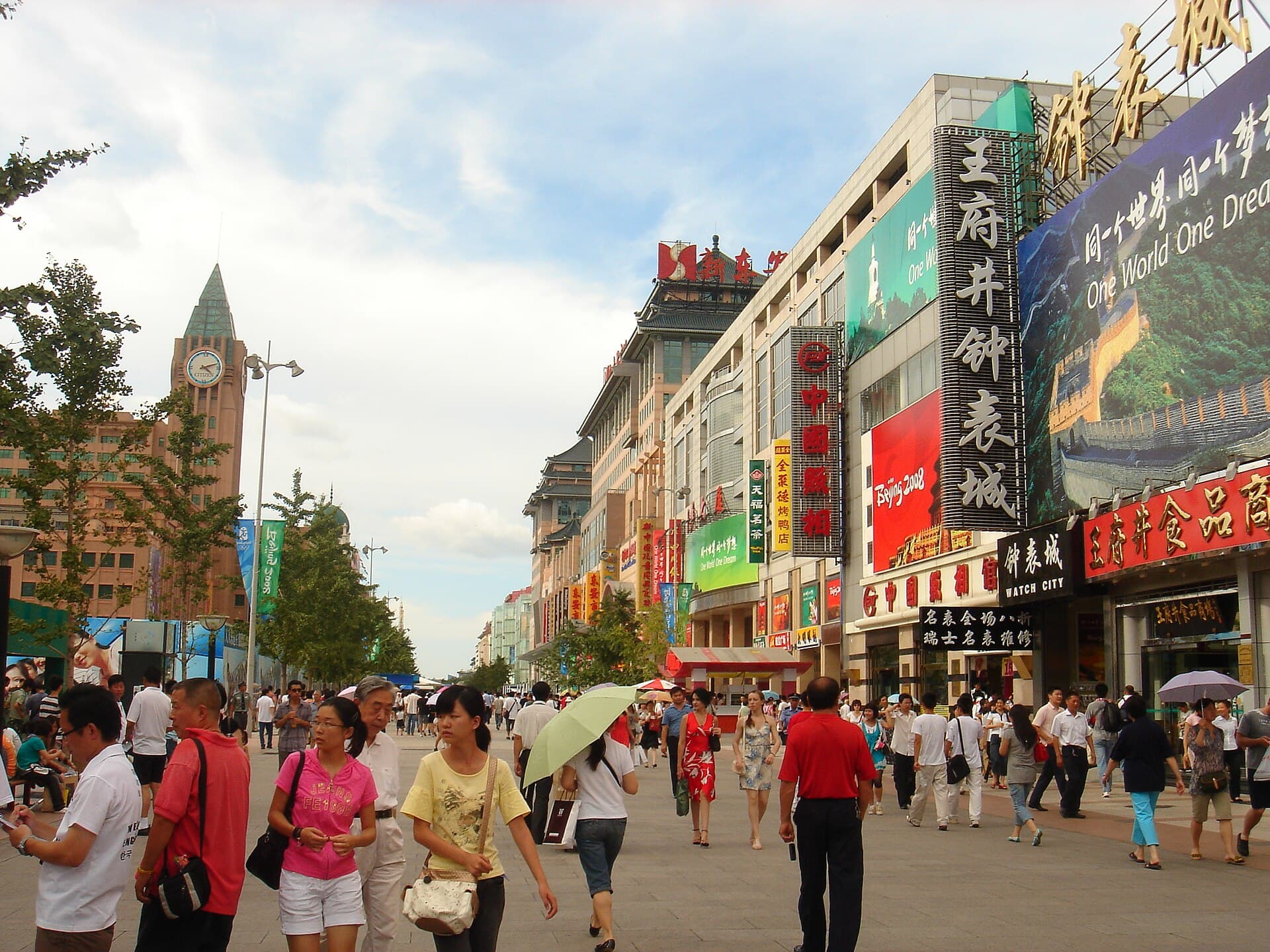
Qianmen and Wangfujing: easiest first-timer bases
Qianmen and Wangfujing are the simplest choices for many first-time visitors because they keep you close to the historic core. They work well for Tiananmen-area plans, Forbidden City days, big-ticket sightseeing, older relatives, and short stays where convenience beats neighborhood subtlety.
The tradeoff is that both can feel touristy, and hotel prices can reflect the location. That is not automatically bad. If you only have three nights, being touristy near the sights may be better than being charming 50 minutes away.
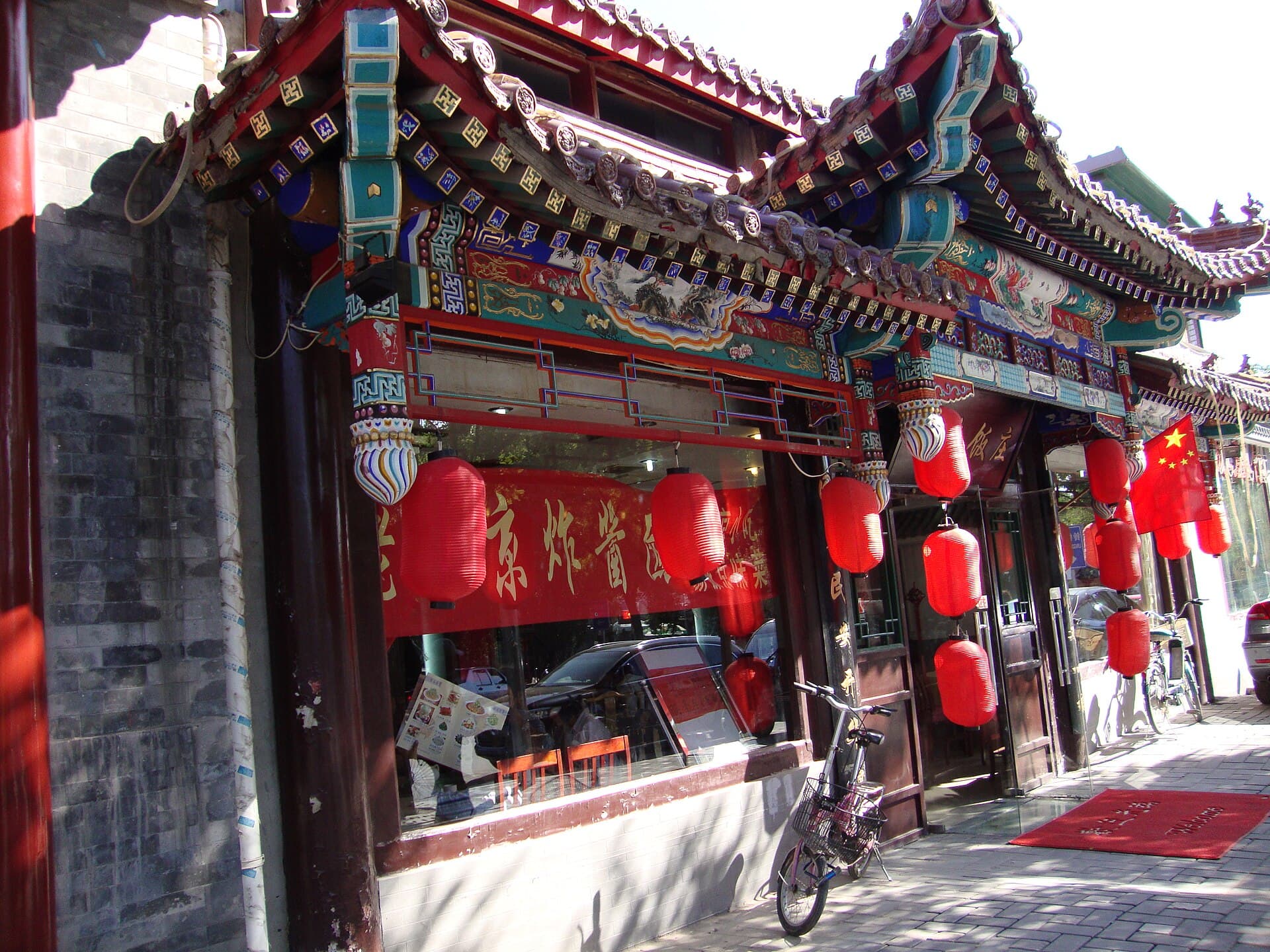
Dongsi, Gulou, and the hutong belt: better if you like wandering
Dongsi, Gulou, and nearby hutong areas are better for travelers who want Beijing to feel lived-in rather than only monumental. You get smaller streets, cafes, courtyard hotels, independent bars, older lanes, and better evening wandering than many business districts can offer.
The warning: hutong charm can come with tighter rooms, less elevator convenience, fewer international hotel facilities, and more walking from pickup points. Choose this area if you like texture and are comfortable with a little friction.
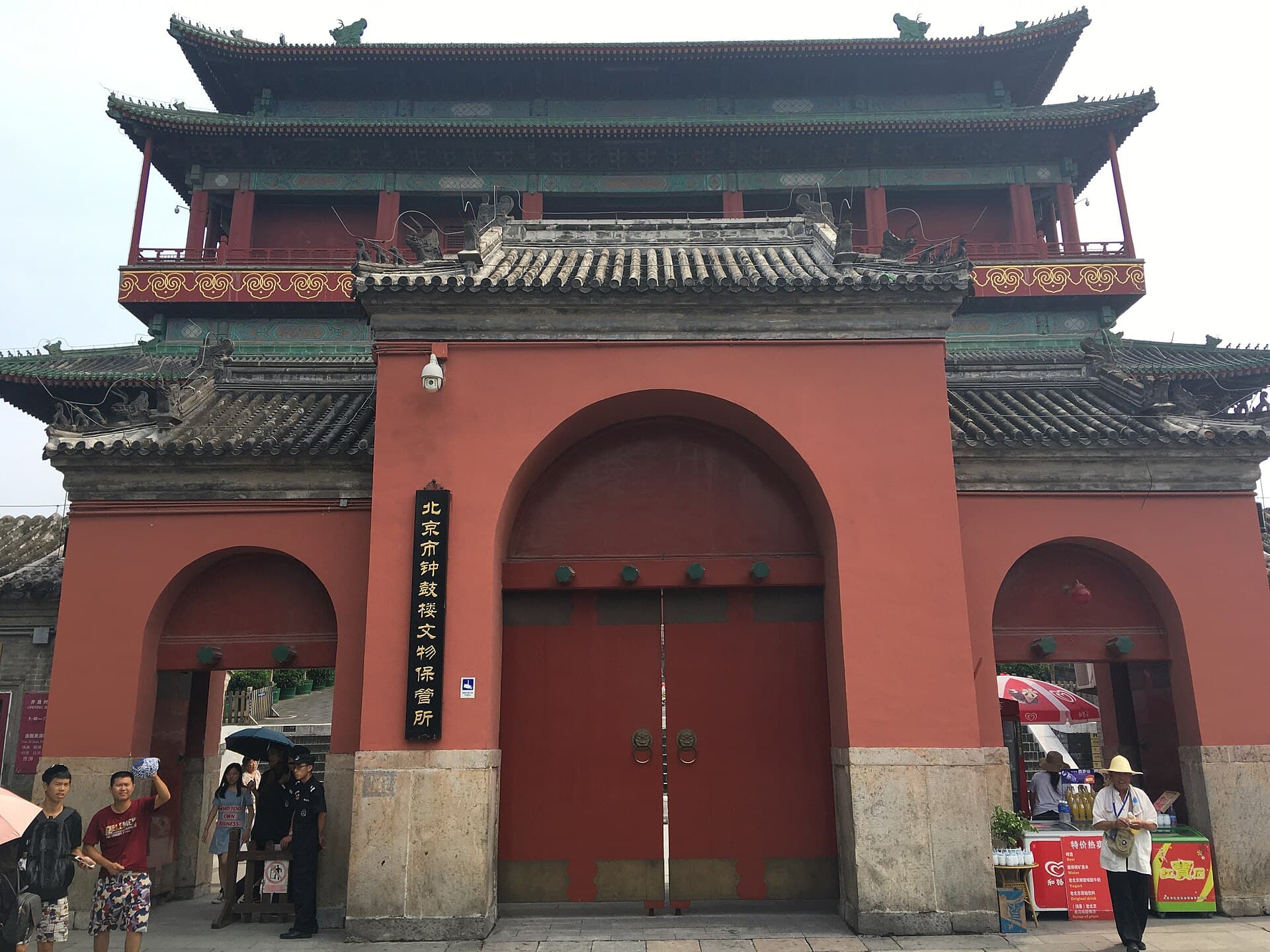
Gulou is the classic old-city social base
Gulou sits in a useful middle ground for many visitors: old Beijing atmosphere, hutong walks, lake-area evenings, bars, cafes, and access to central sights without feeling completely inside the hotel-and-mall corridor.
It is a good fit if you want to go out at night without making every evening a taxi negotiation. It is less ideal if you need five-star predictability, quiet business facilities, or a front door where every ride-hailing driver can stop without thinking.
Sanlitun: restaurants, nightlife, embassies, modern Beijing
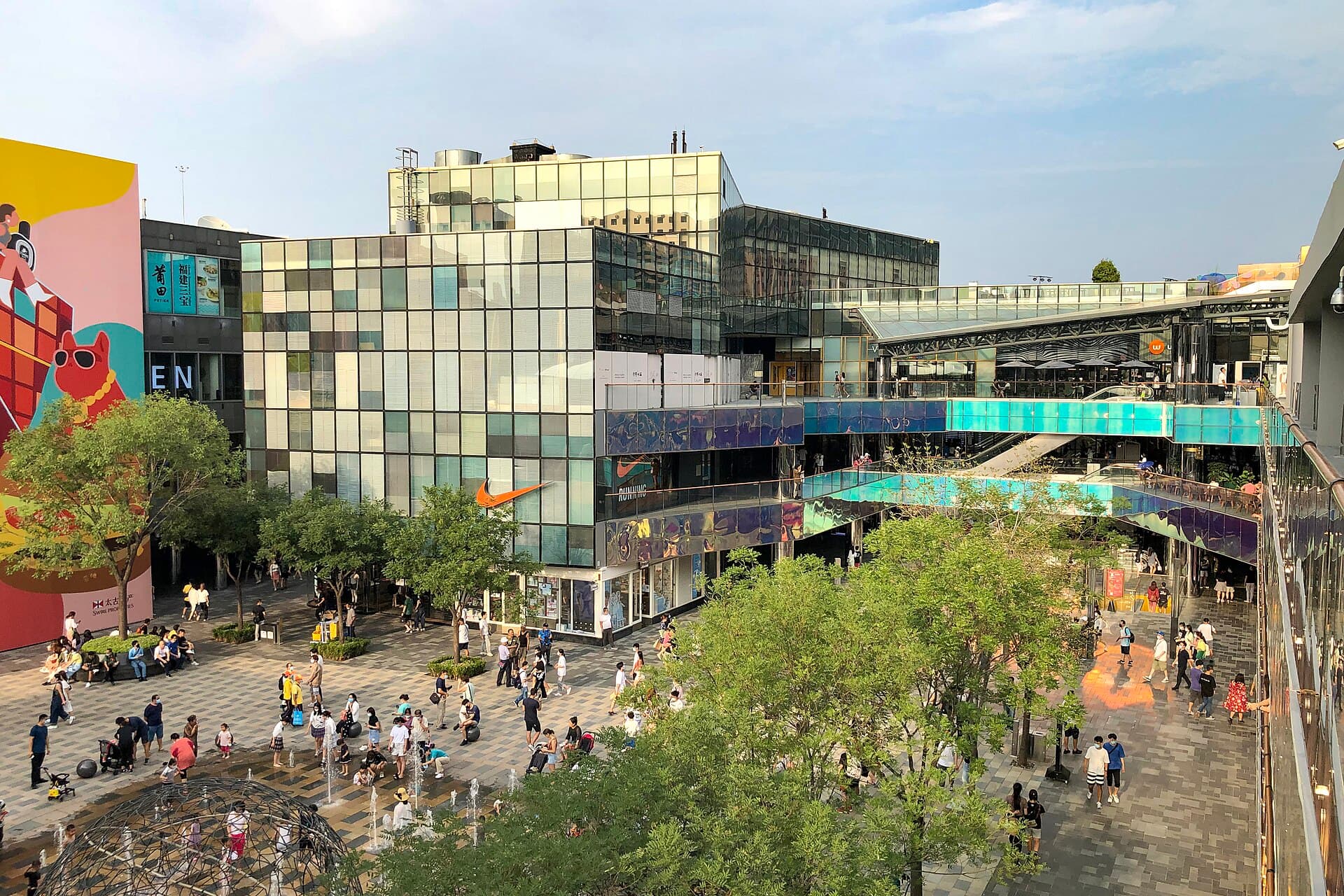
Sanlitun is the obvious choice if your Beijing trip includes nightlife, international restaurants, bars, embassies, galleries, shopping, and a more global side of the city. It is especially useful if you want evenings to be easy after a day of historic sightseeing.
The cost is distance from some classic sights and a mood that can feel less traditional. If your dream Beijing is red walls, old roofs, and early morning palace gates, Sanlitun is probably a second-base or evening destination rather than the whole trip.
Guomao: business comfort, skyline hotels, and easy taxis
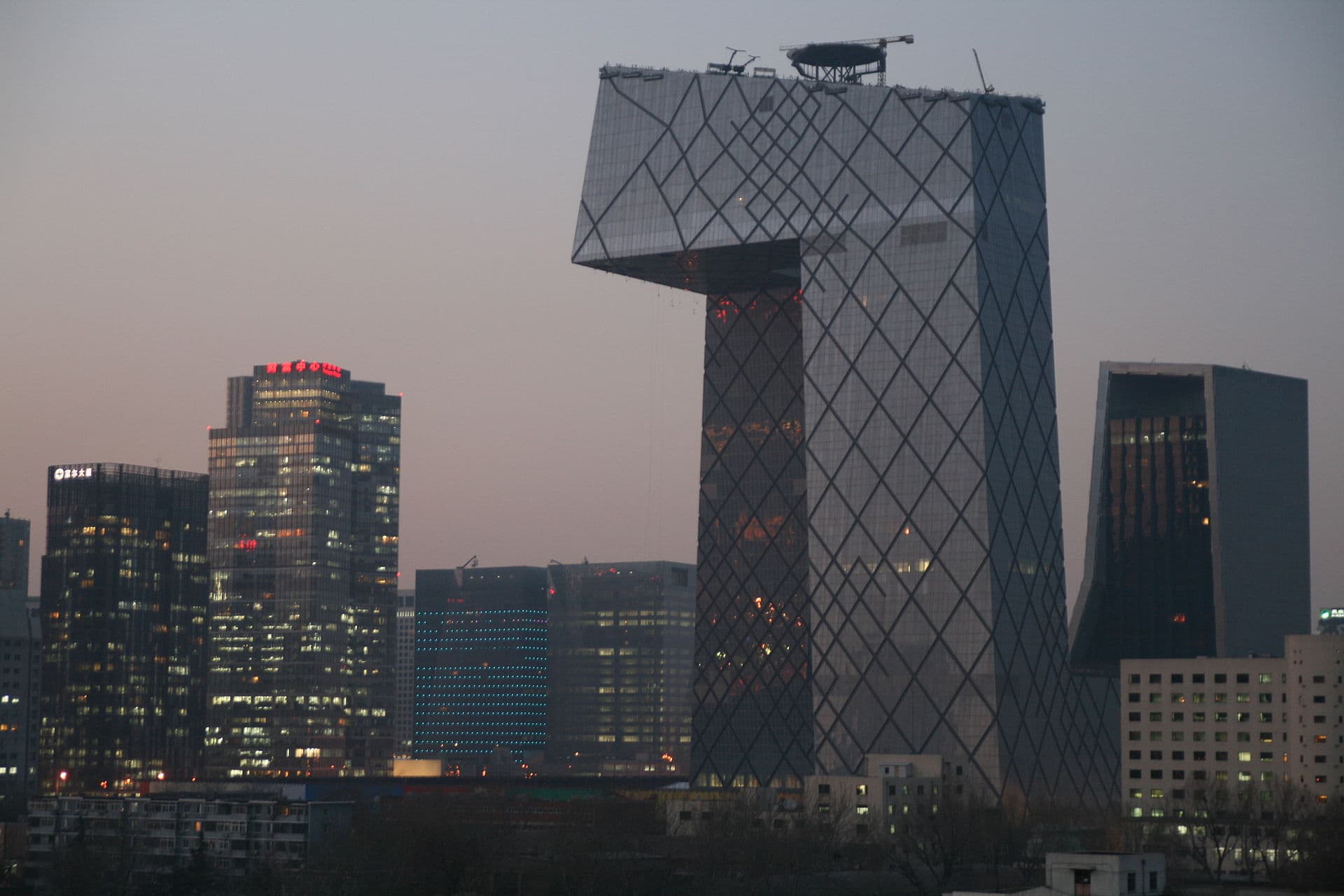
Guomao is best for travelers who care about comfort, business meetings, high-end hotels, malls, skyline views, and smooth service. It is not the most atmospheric base, but it can be incredibly practical if you want reliable rooms, familiar facilities, and easy access to the CBD.
For pure sightseeing, Guomao can feel slightly removed from the old city. For business travelers adding a weekend of culture, it can be perfect: workday convenience, then subway or DiDi into the historic core when you are off the clock.
Wudaokou: young, student, and not for every itinerary
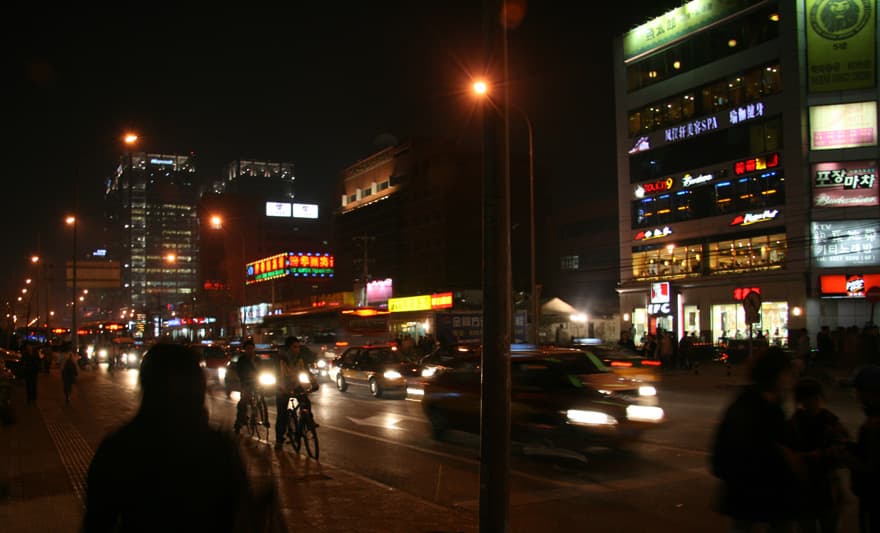
Wudaokou is useful if your trip is tied to universities, language study, student nightlife, tech/startup circles, or friends in northwest Beijing. It has a younger and more international student energy than many parts of the city.
For first-time sightseeing, it is usually not the easiest base. You can make it work, but you will spend more time crossing the city. Choose Wudaokou because your life or plans are there, not because someone said it is fun.
How I would choose
For a first Beijing trip under five nights, choose Qianmen, Wangfujing, Dongsi, or Gulou unless you have a strong reason not to. For nightlife, add Sanlitun. For business comfort, choose Guomao. For university life, choose Wudaokou.
Then check the final 800 meters: nearest metro station, elevator needs, suitcase walk, late-night food, and whether taxis can actually stop near the hotel. In Beijing, the best neighborhood is the one that makes your daily route feel obvious.