Beijing / Famous Places
Temple of Heaven Guide: Beijing Ritual Architecture, Morning Park Life and the Best Way to Visit
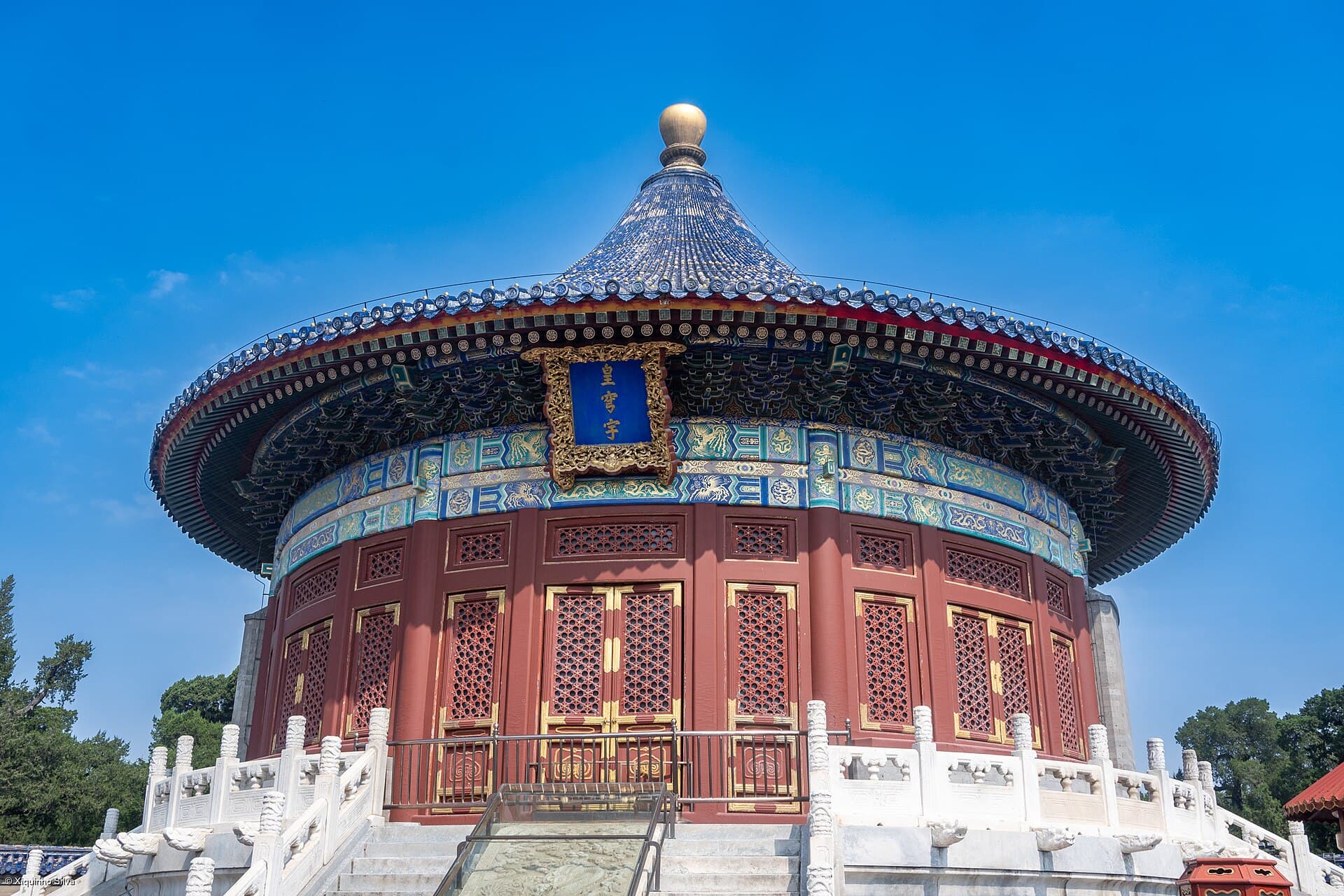
The Temple of Heaven is one of Beijing's best two-speed sights. On one level, it is imperial ritual turned into geometry: round heaven, square earth, numbers, gates, altars, and a blue-roofed hall that has become a symbol of the city. On another level, it is a working public park where older Beijingers dance, stretch, sing, play jianzi, and make the morning feel wonderfully alive.
Why Temple of Heaven feels different from the Forbidden City
The Forbidden City is about imperial power looking inward. The Temple of Heaven is about the emperor facing upward. It was where Ming and Qing emperors performed sacrificial rites and prayed for harvests, so the mood is less palace residence and more cosmic stage.
That makes it one of the best Beijing sights for travelers who like meaning built into design. The official guide explains the semicircular north and square south as part of an older heaven-and-earth worldview; UNESCO describes the complex as a symbolic relationship between earth, heaven, and the emperor's role inside that order.
Hall of Prayer for Good Harvests: the postcard is worth it
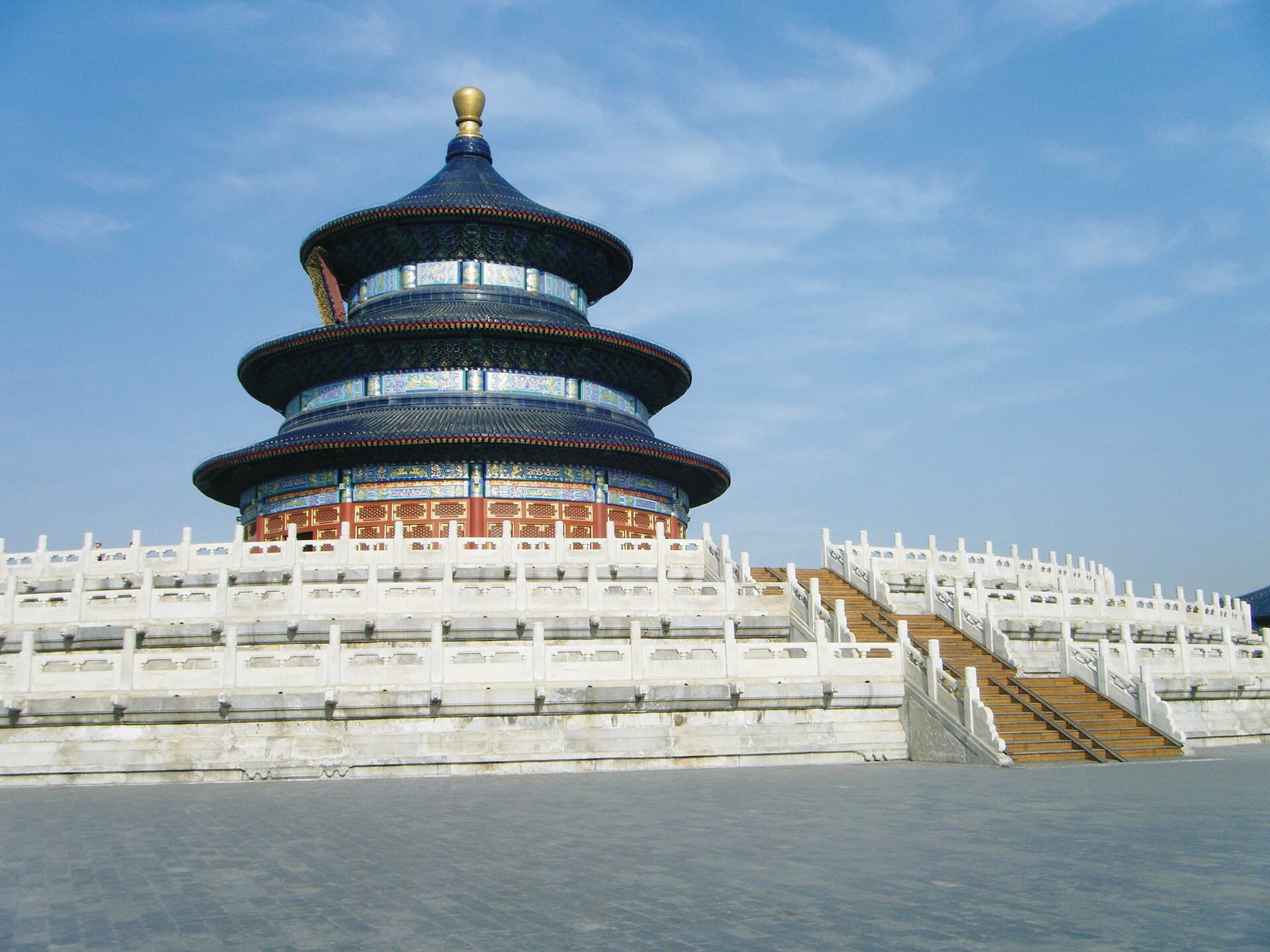
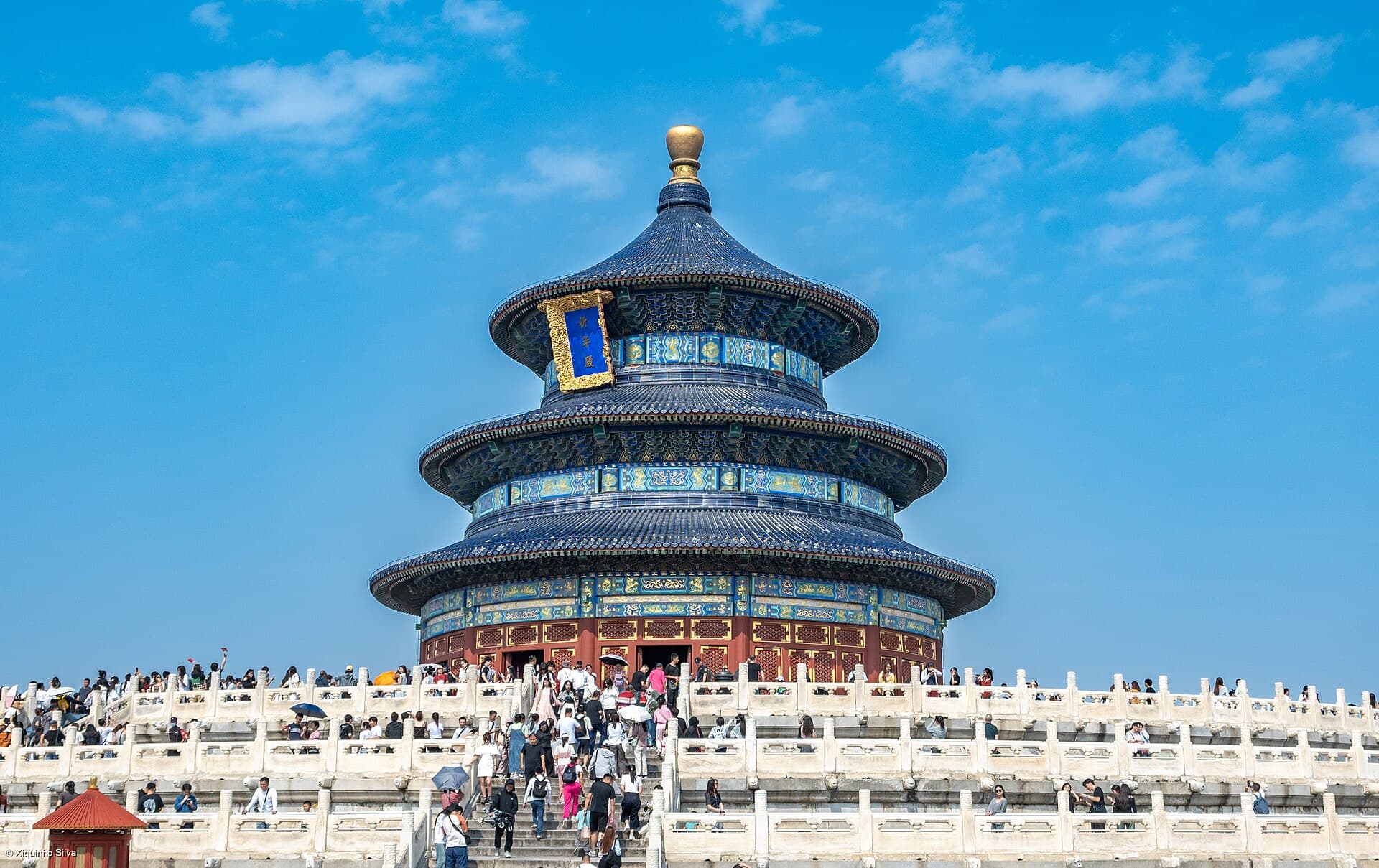
The Hall of Prayer for Good Harvests is the image most visitors recognize before they arrive. The blue roof, round form, layered terraces, and open plaza make it one of the easiest Beijing landmarks to love immediately.
Do not only stand in the obvious photo crowd. Walk the perimeter, look at the roof brackets, and notice how the hall sits alone enough to feel ceremonial. This is a building designed to be approached, circled, and remembered.
Imperial Vault and Echo Wall: smaller, stranger, better with context
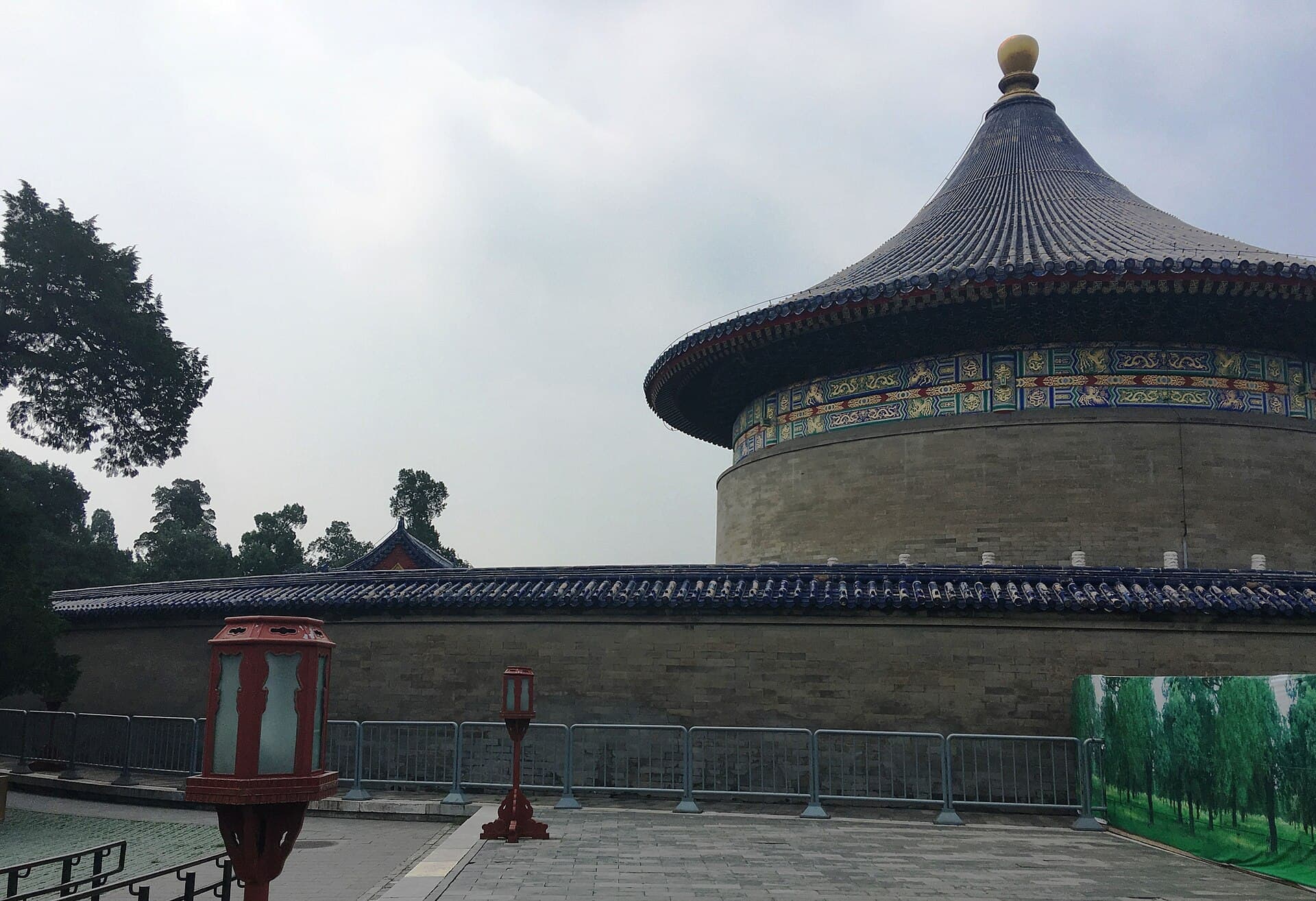
The Imperial Vault of Heaven and Echo Wall are easier to underestimate because they are less monumental than the main hall. But this courtyard is where the visit becomes more playful. The official guide notes that the circular wall surrounds the tablets used for sacrificial ceremonies at the Circular Mound.
If the area is not too crowded, the Echo Wall gives visitors a tangible way to feel that old architecture could also be acoustic theater. If it is crowded, treat it as a detail stop rather than a science demonstration.
Circular Mound Altar: numbers, stone, and sky
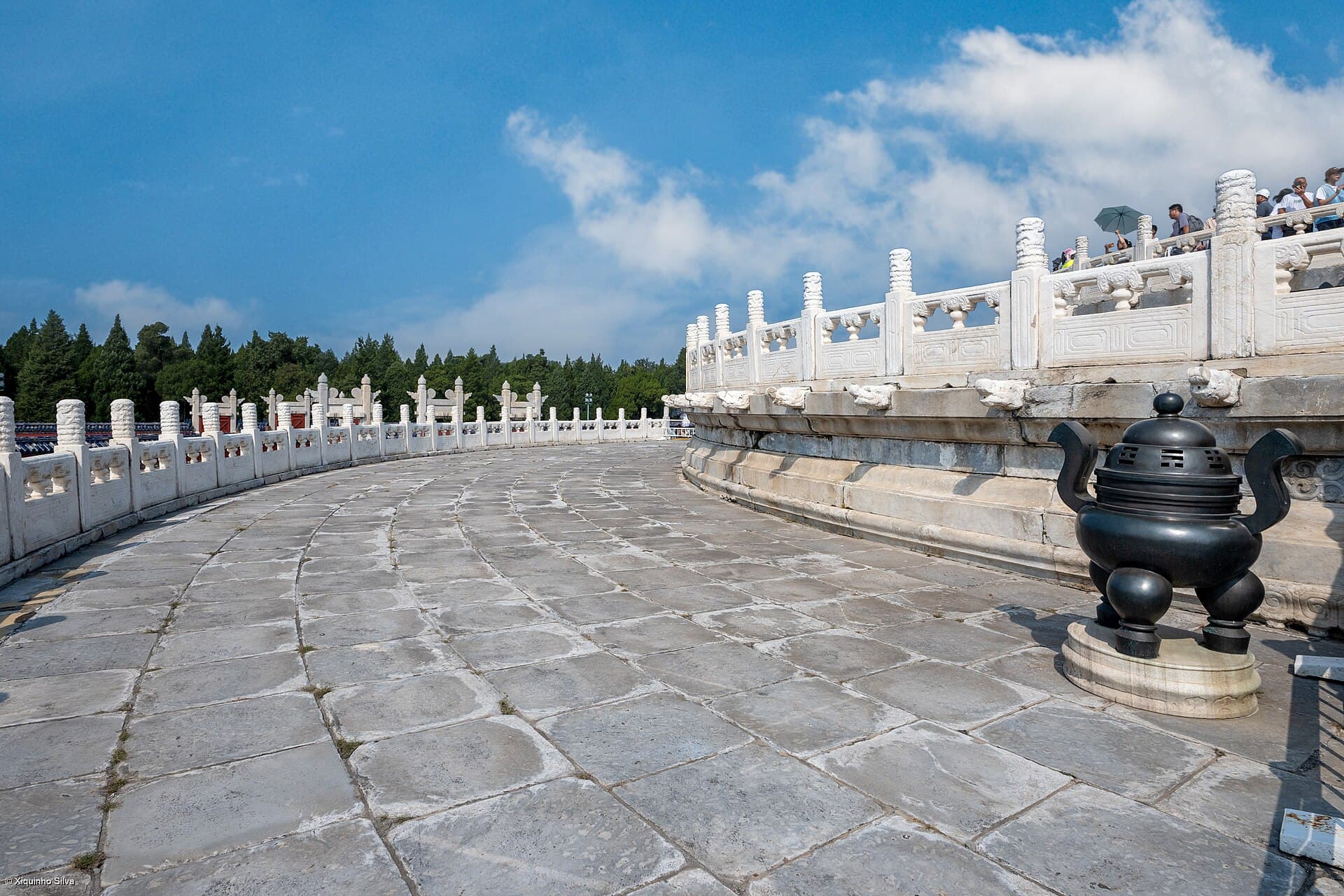
The Circular Mound Altar is where the Temple of Heaven becomes most abstract. The official page explains that its slabs, railings, and steps use nine or multiples of nine, symbolizing layers of heaven and emphasizing the status of heaven in the ritual system.
For a Western visitor, this is the stop where you should slow down. It is not decorative in the same way as the Hall of Prayer. Its power comes from exposed stone, open sky, repetition, and the feeling that the whole platform is a diagram.
Morning park life is half the reason to come
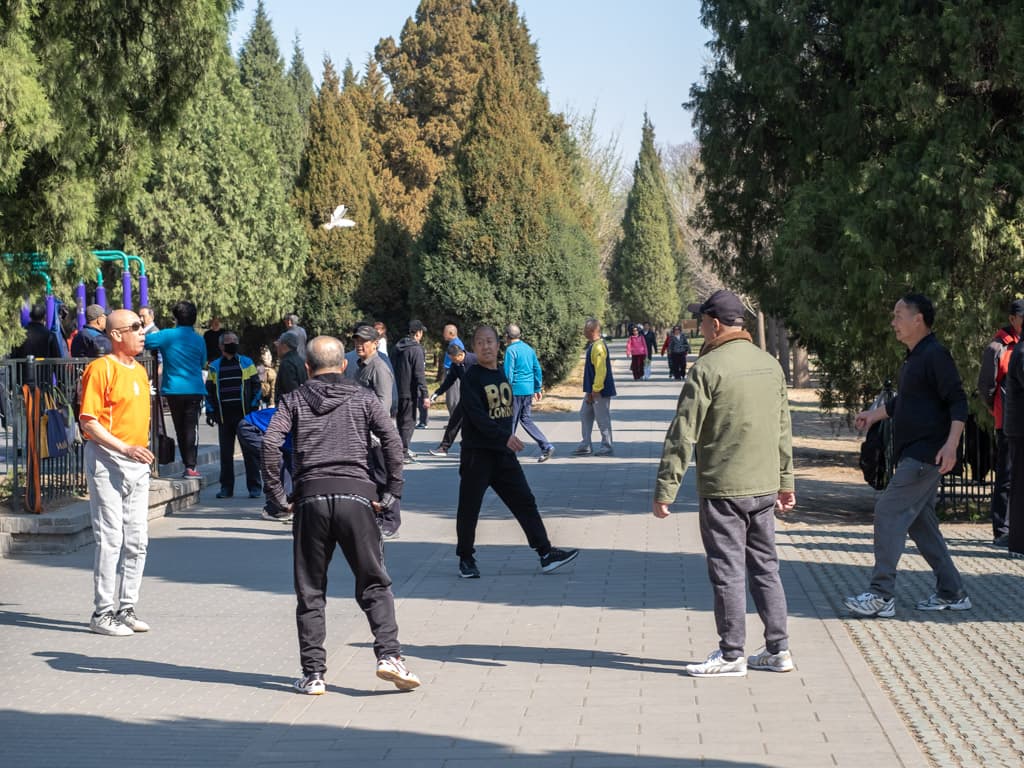
If you visit only at midday, you will miss one of the best parts. Temple of Heaven Park is famous for older Beijingers exercising, dancing, stretching, singing, playing instruments, and socializing. For many travelers, that living park energy is more memorable than one more ancient roof.
Be respectful: watch from a little distance, avoid sticking a camera in someone's face, and enjoy the fact that this imperial ritual ground is now also a neighborhood living room.
A simple first-time route
A good first route is East Gate or West Gate, Hall of Prayer for Good Harvests, Danbi Bridge, Imperial Vault of Heaven and Echo Wall, Circular Mound Altar, then exit south if you want to continue toward Qianmen. The official page also lists seasonal route ideas, which are useful if you want a longer park walk.
Use the metro if possible. The official guide lists Tiantandongmen Station on Line 5 and Tianqiao Station on Line 8 as practical access points. Bring your passport if booking rules require it, and check Monday closures for the scenic buildings before choosing the day.