Beijing / Local Culture
Modern Beijing Guide: 798 Art Zone, Sanlitun, Liangma River, Shougang Park and Olympic Forest Park
Modern Beijing is not a rejection of old Beijing; it is the other half of the city. After palaces, temples, hutongs, and the Great Wall, give yourself a day or two for galleries, riverfront nights, big parks, recycled industrial landscapes, shopping, cocktails, and the neighborhoods where Beijing feels current rather than imperial.
Why modern Beijing deserves real trip time
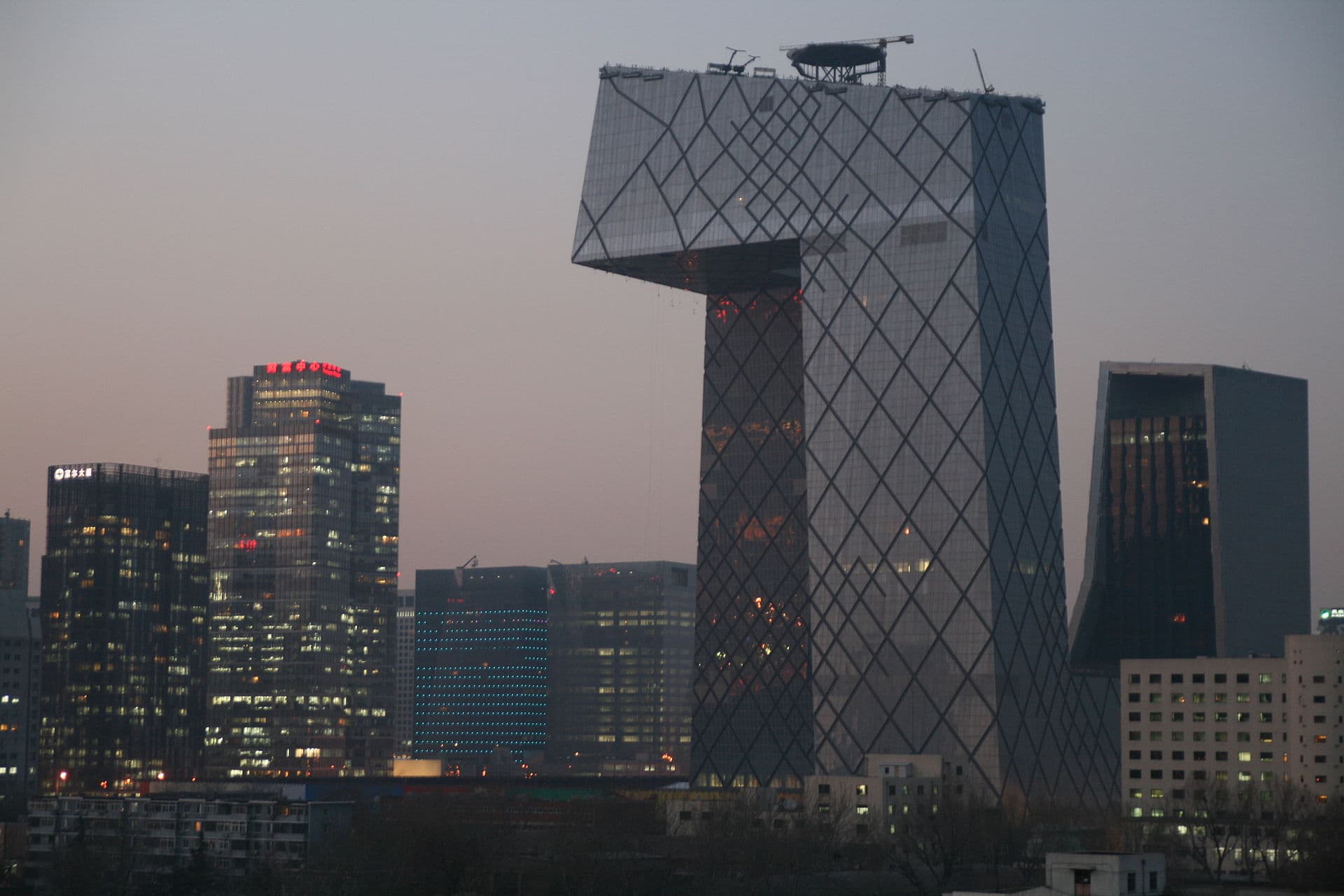
Many first-time visitors spend Beijing entirely in the imperial past. That is understandable, but it leaves the city feeling frozen. Modern Beijing adds the missing layer: art districts, international nightlife, riverfront renewal, Olympic venues, technology museums, and commercial areas where locals actually meet friends.
National Geographic's 2026 Beijing coverage is a useful reminder that the city is not only classic monuments. Contemporary culture, urban renewal, and new visitor experiences are part of the Beijing story now.
798/751: factory bones, galleries, design shops, and soft chaos
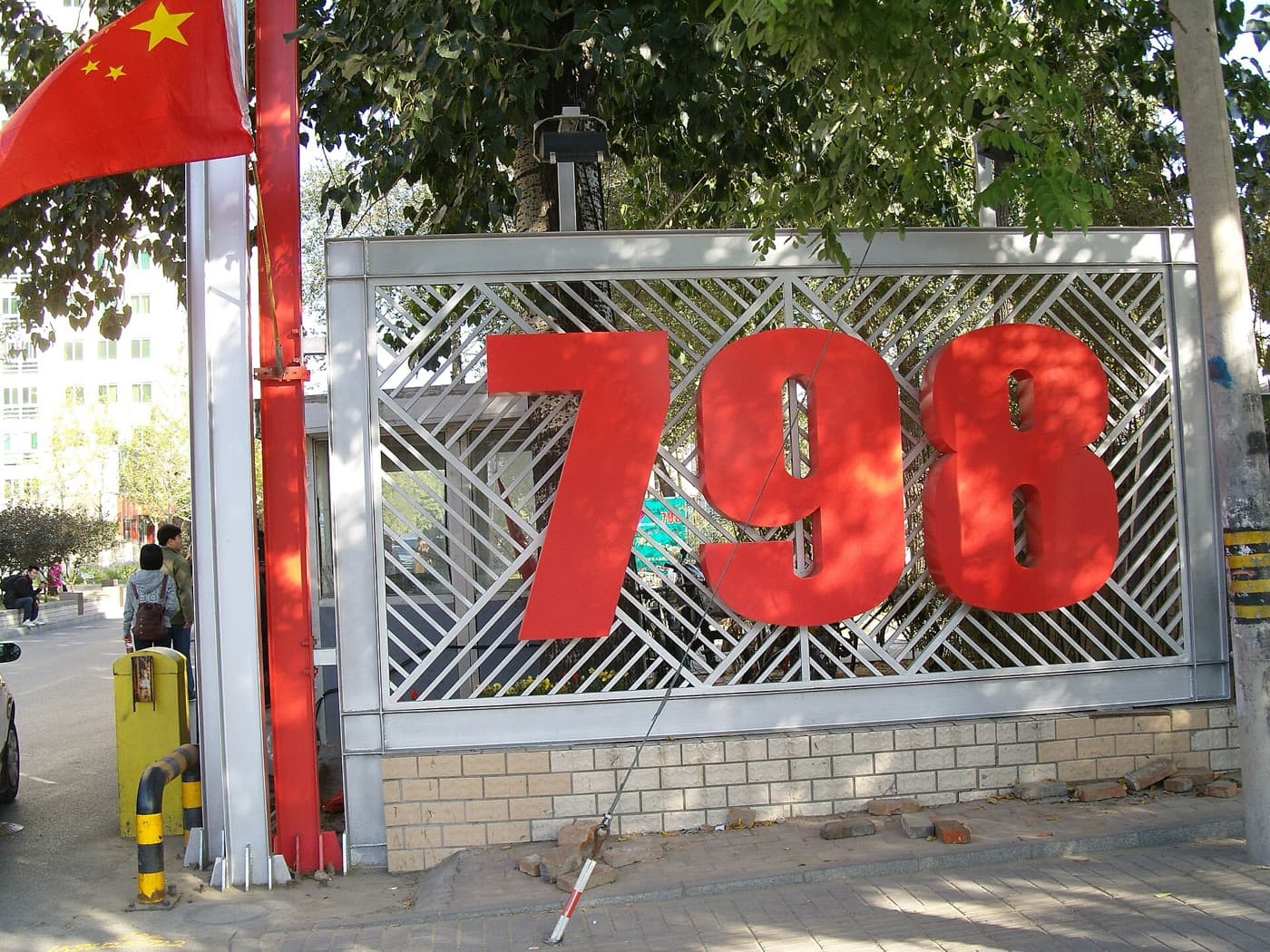
The official 798/751 listing describes a zone of more than 500,000 square meters with over 600 entities across art, design, film, culture, media, tech, fashion, music, entertainment, cultural catering, and related businesses. It also notes thousands of annual cultural, art, and fashion events.
For travelers, that means you should not treat 798 as one museum. Wander. Check current exhibitions, duck into galleries, take breaks in cafes, and accept that the best parts are often the spaces between official destinations.
Sanlitun: not old Beijing, and that is the point
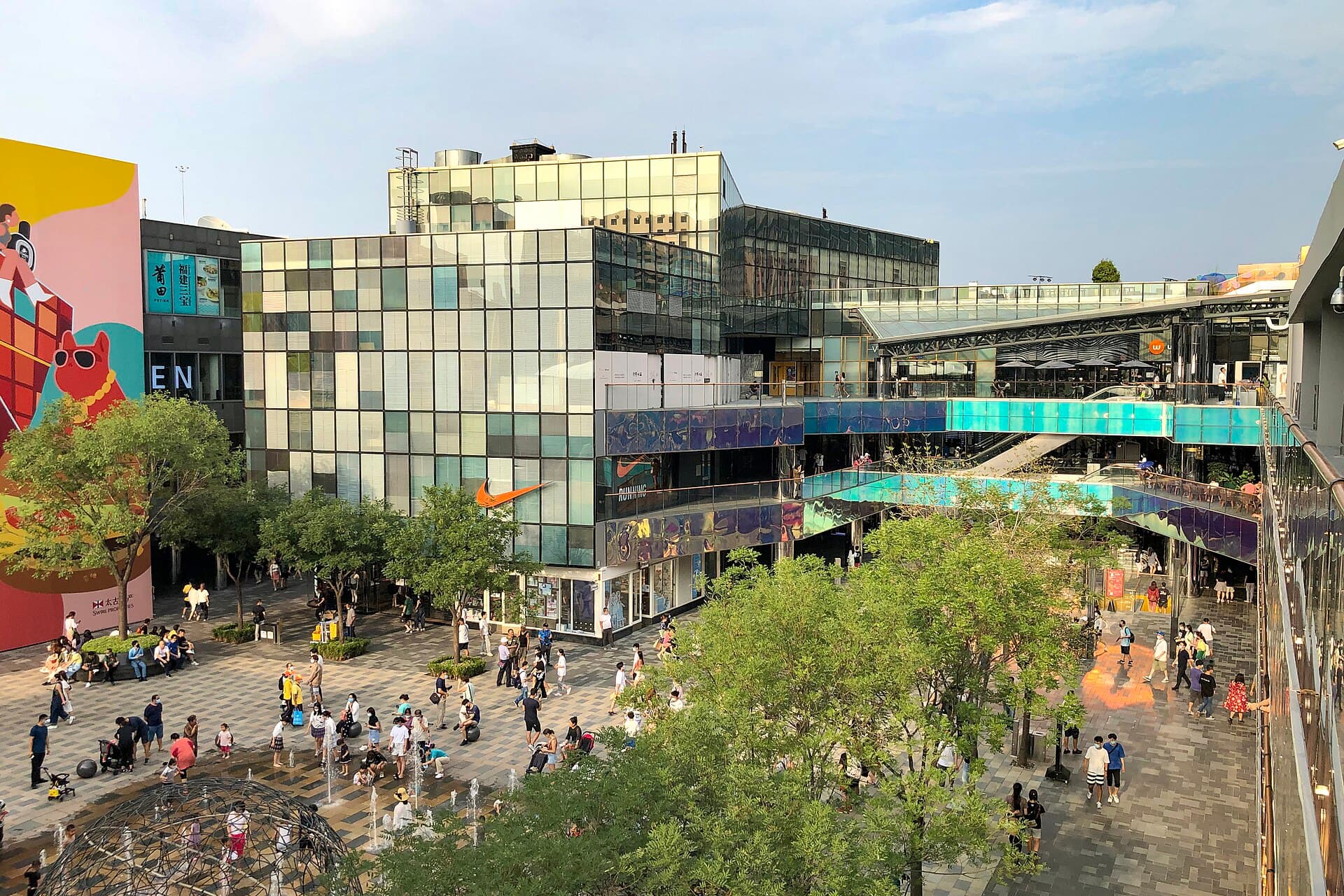
Sanlitun is where Beijing feels international, commercial, dressed-up, and social. It is useful for shopping, restaurants, bars, coffee, bookstores, people-watching, and giving the trip a night that does not involve another monument.
Do not expect it to be charming in the same way as hutongs. Its value is contrast. After a day of imperial courtyards or museum halls, Sanlitun gives you neon, glass, brands, terraces, and late-evening options.
Liangma River: Beijing's surprisingly strong waterfront night
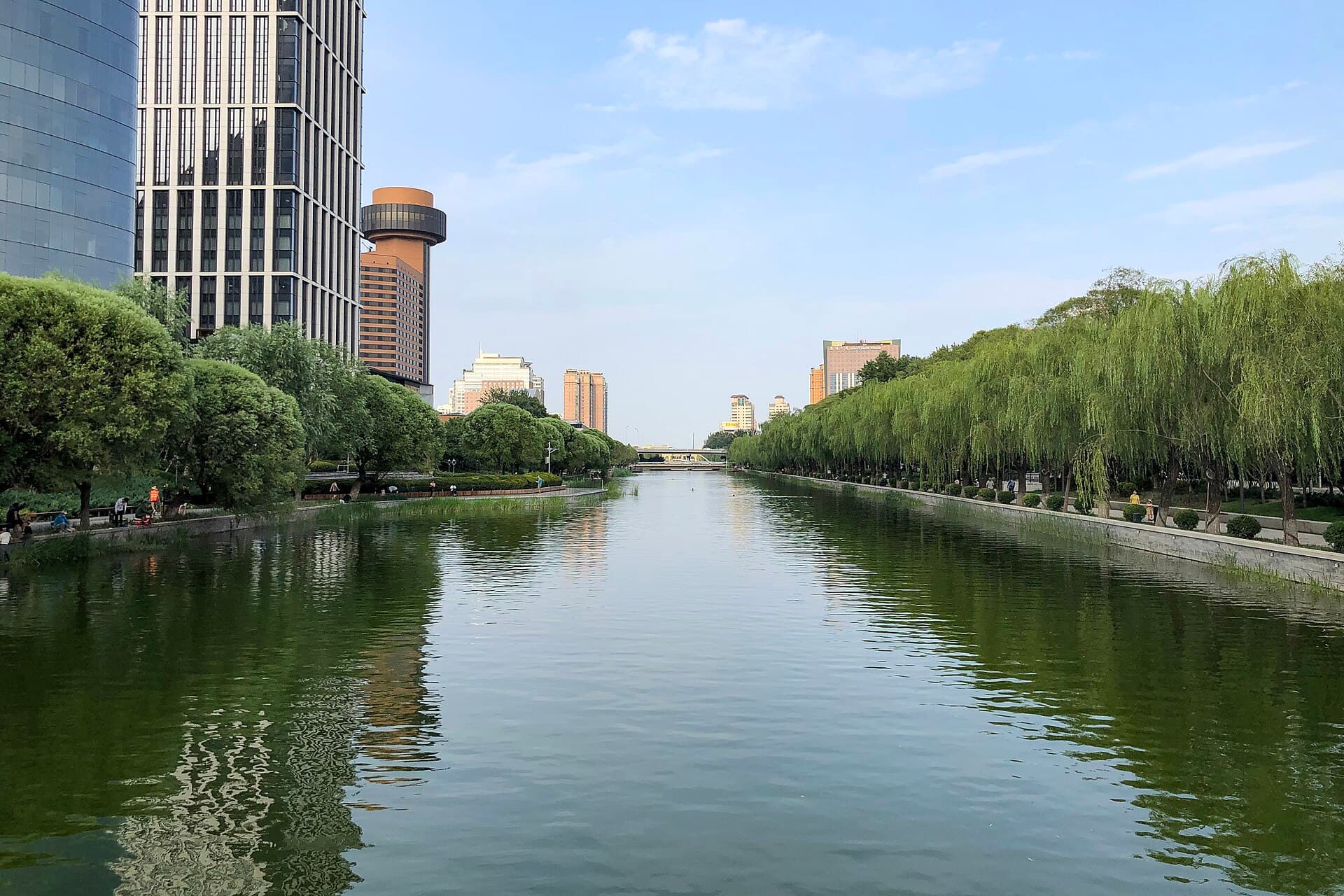
Liangma River has become one of Beijing's most visitor-friendly evening areas. Official Beijing pages describe the international-style waterfront, day and night cruise schedules, SOLANA and Yansha docks, and the river's role in Chaoyang's consumption and nightlife scene.
The best use is simple: arrive before sunset, walk the banks, eat nearby, and decide whether a cruise feels worth it. In warm weather, the river can soften Beijing's hard edges better than almost anywhere in the city.
Shougang Park: steel mill to Olympic-industrial landmark
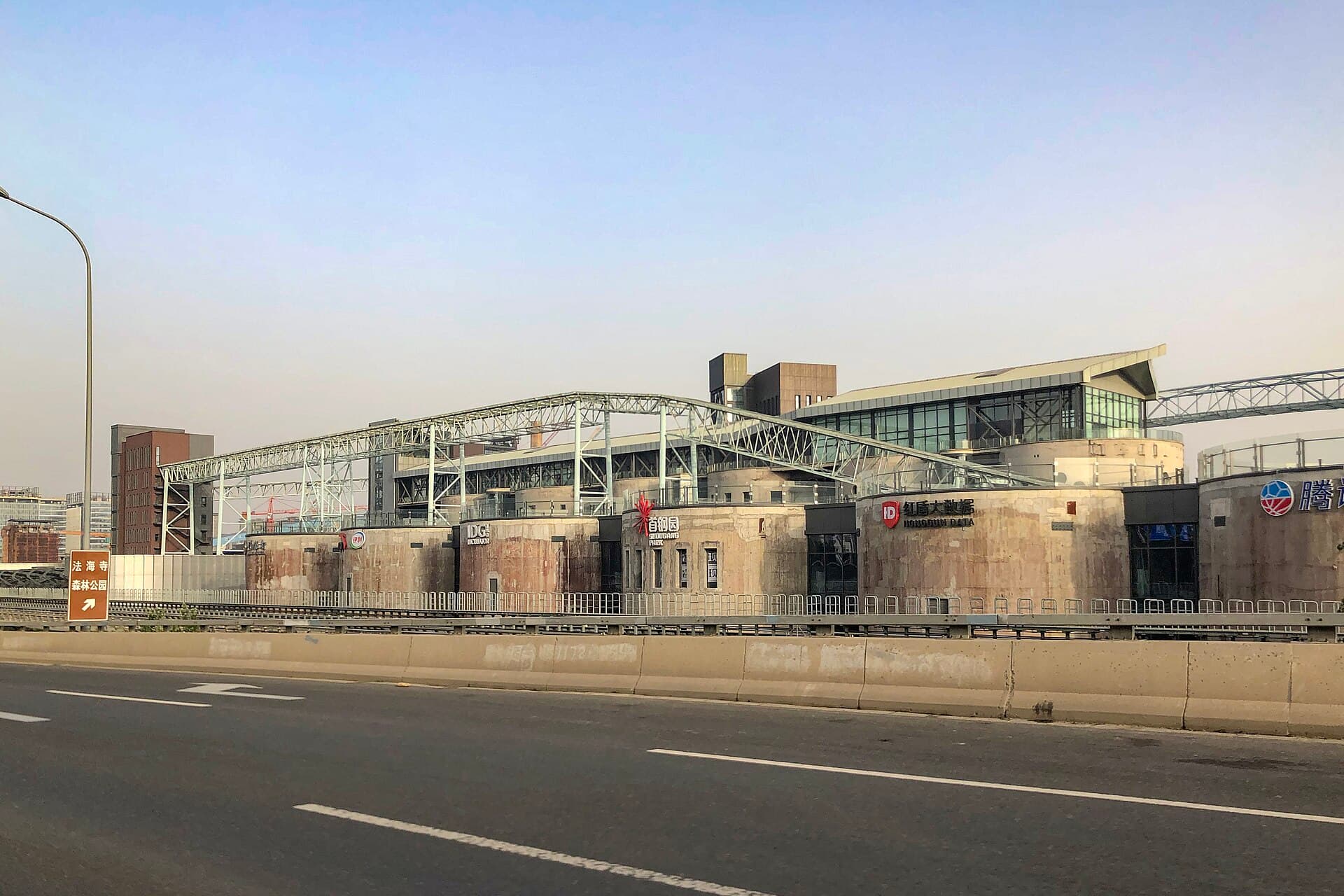
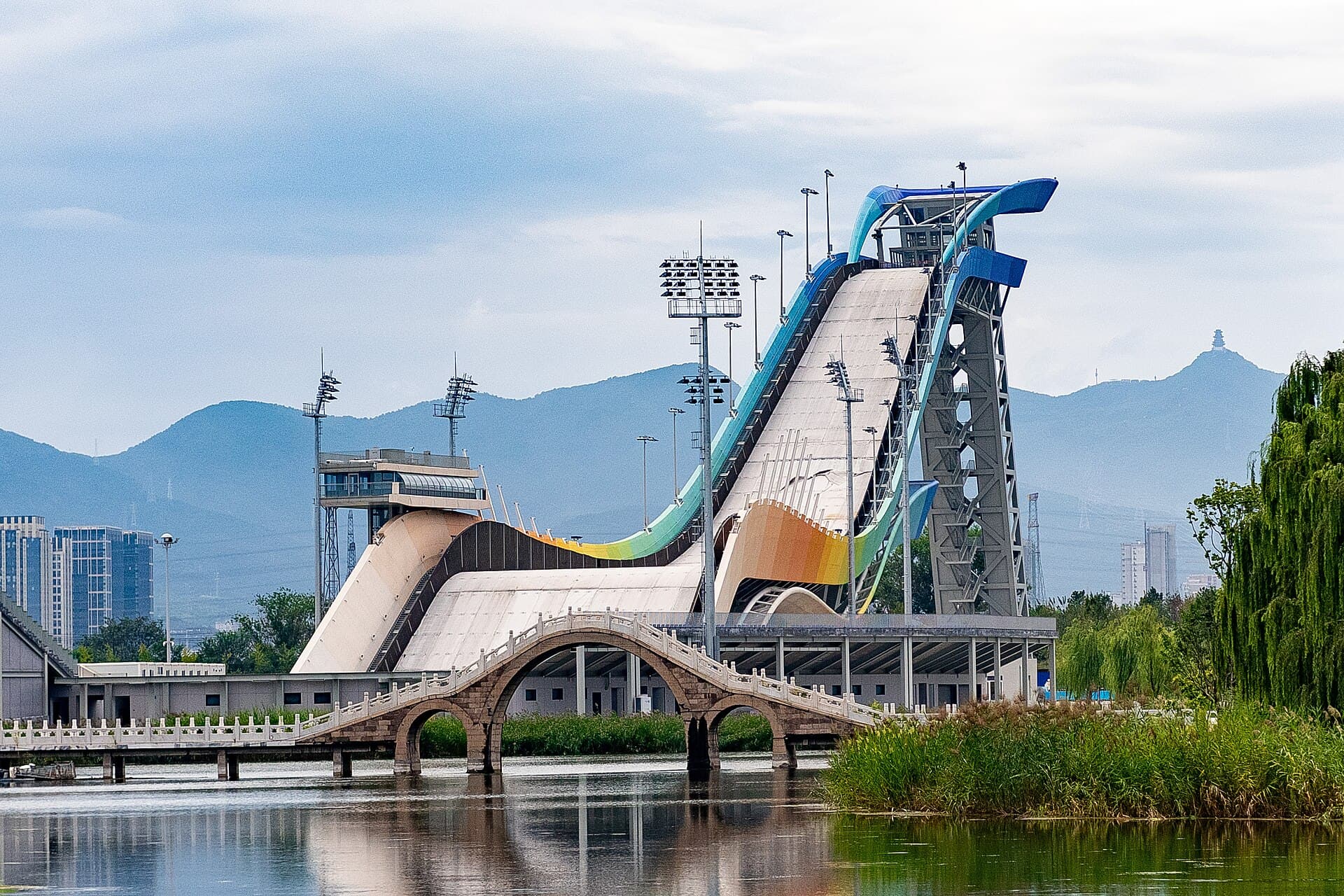
Shougang Park is one of Beijing's most visually distinctive modern sites. Official Beijing coverage describes it as a former industrial area transformed into a cultural tourism landmark and Winter Olympics legacy site, with Big Air Shougang becoming a permanently preserved and reused venue.
This is the place to go when you want Beijing to look unlike the guidebook cliches: blast furnaces, mountains, Olympic infrastructure, industrial lines, cafes, exhibitions, and an urban-renewal story you can see in the landscape.
Olympic Forest Park: the big green reset
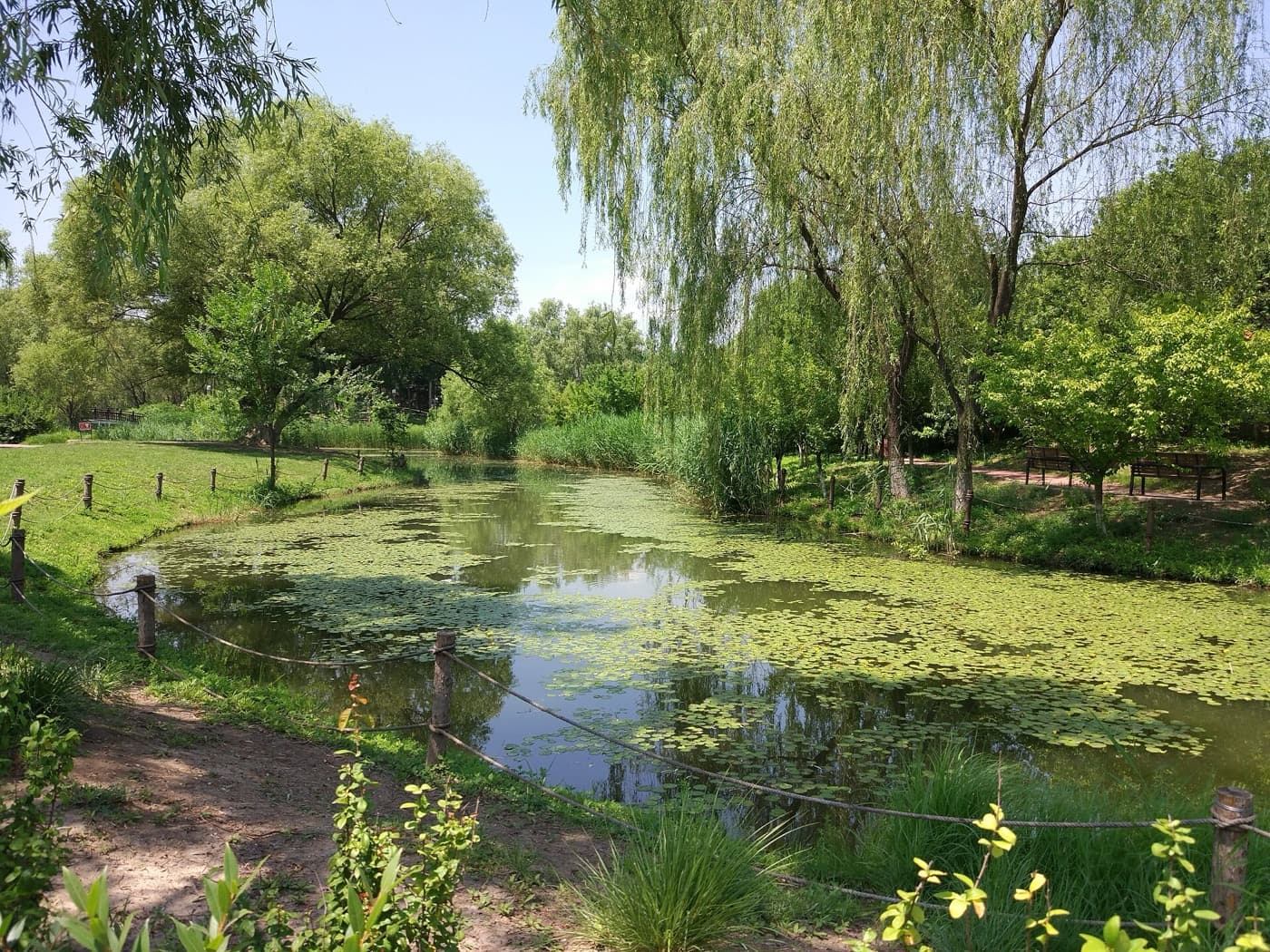
The official Olympic Forest Park listing describes it as the largest city park in Beijing, covering 680 hectares and forming an important part of the Olympic Green. It is a strong choice when you need space rather than another ticketed sight.
For visitors, it works best as a run, walk, family break, or Olympic-area pairing. Combine it with the Bird's Nest, Water Cube, China Science and Technology Museum, or a north-city hotel day.
A modern Beijing day that actually works
For a first modern day, do 798/751 late morning into afternoon, then choose Sanlitun for dinner and nightlife or Liangma River for a softer evening walk. For a second modern day, go west to Shougang Park or north to the Olympic Green and Olympic Forest Park.
These places are spread out, so do not force them all into one day. Beijing is huge. Let modern Beijing be a set of moods, not a checklist.