
Beijing / Famous Places
Forbidden City Guide: How to Read Beijing's Imperial Palace Beyond the Photo Stop
The Forbidden City is not only Beijing's most famous sight. It is the city in miniature: gates, axes, courtyards, hierarchy, ritual, private rooms, treasure rooms, and one of the world's largest palace museum collections. If you only walk south to north taking red-wall photos, it can feel repetitive. If you read the order as you move, the place becomes much stranger, sharper, and more memorable.
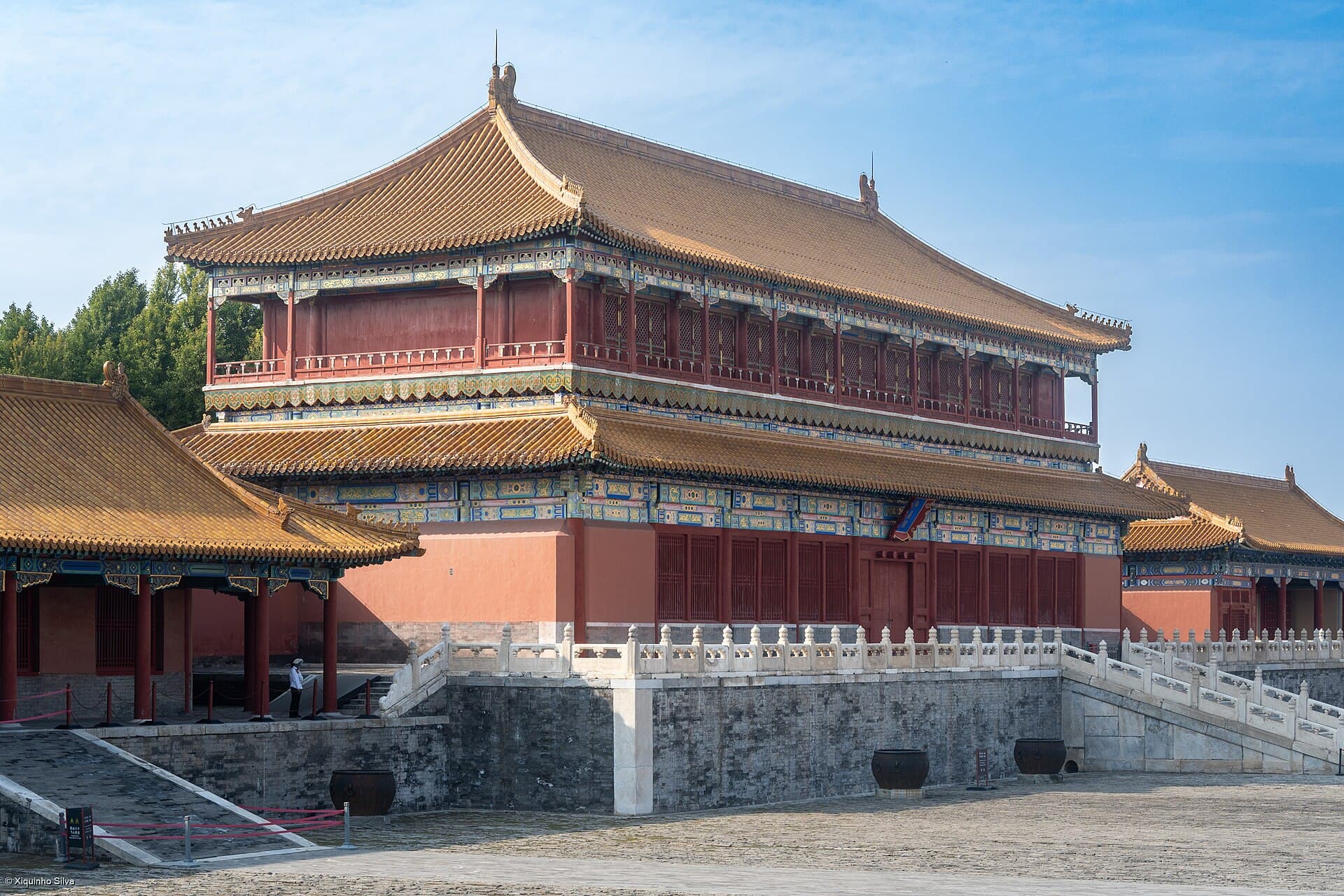
Why the Forbidden City is Beijing's first core sight
For first-time visitors, the Forbidden City is the strongest single explanation of Beijing. It sits on the city's central axis, turns architecture into political theater, and shows how imperial power used space: one gate, one courtyard, one hall, one threshold after another.
The Palace Museum official guide frames it as both the former Ming and Qing imperial palace and a museum with vast imperial art collections. That is the right way to visit it: half palace route, half collection hunt. The buildings explain power; the side galleries explain taste, craft, money, obsession, and daily life.
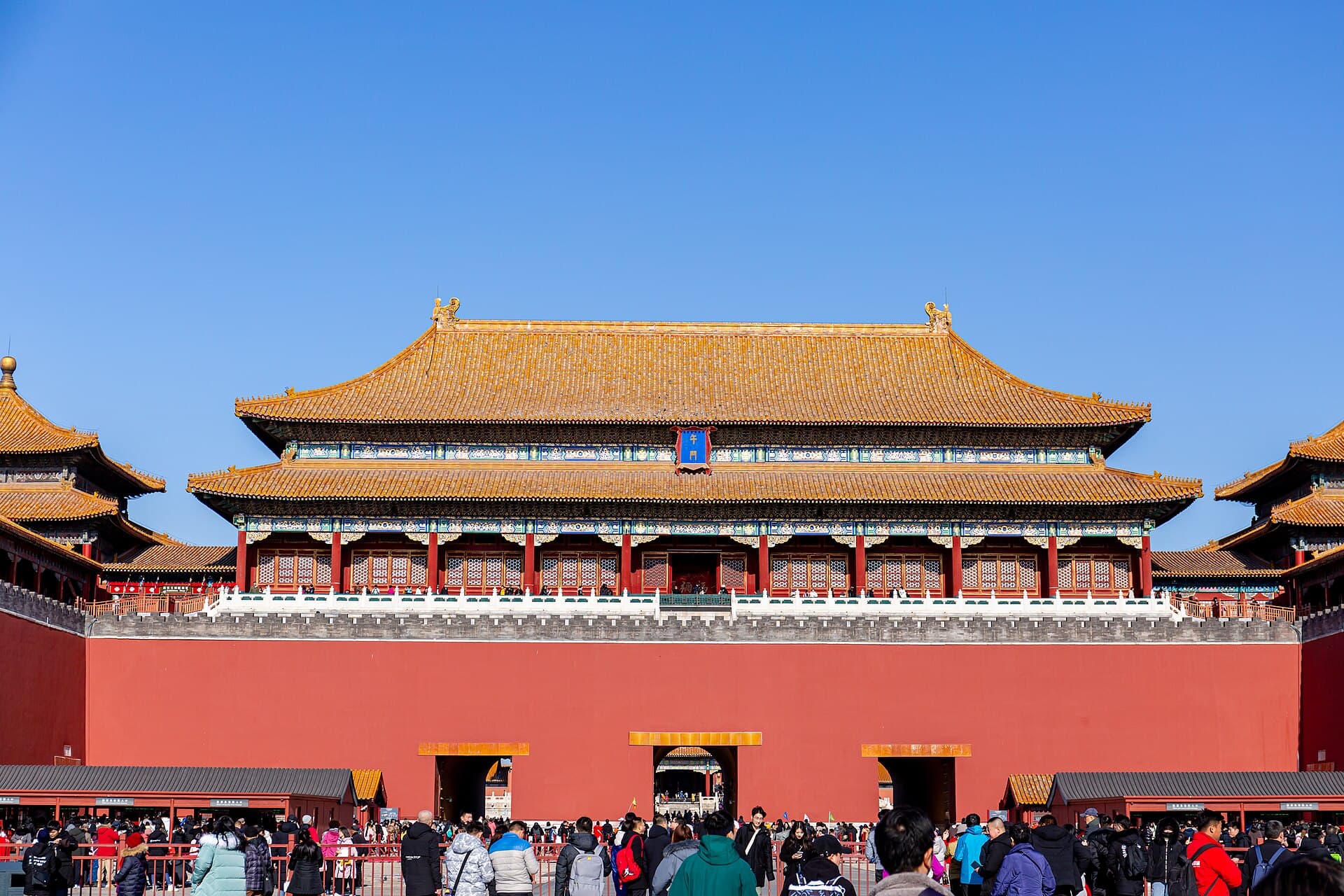
Start at the Meridian Gate, then let the courtyards slow you down
Most visitors enter through the Meridian Gate, or Wumen. It is more than an entrance. It is the psychological reset where noisy Beijing becomes controlled palace space. From there, the route pushes you toward open courtyards and the ceremonial heart of the complex.
Do not rush the first half hour. The scale only works if you let the distances register: the empty stone, the repeated red walls, the guarded bridges, the way the next gate keeps appearing at the far end of the view.
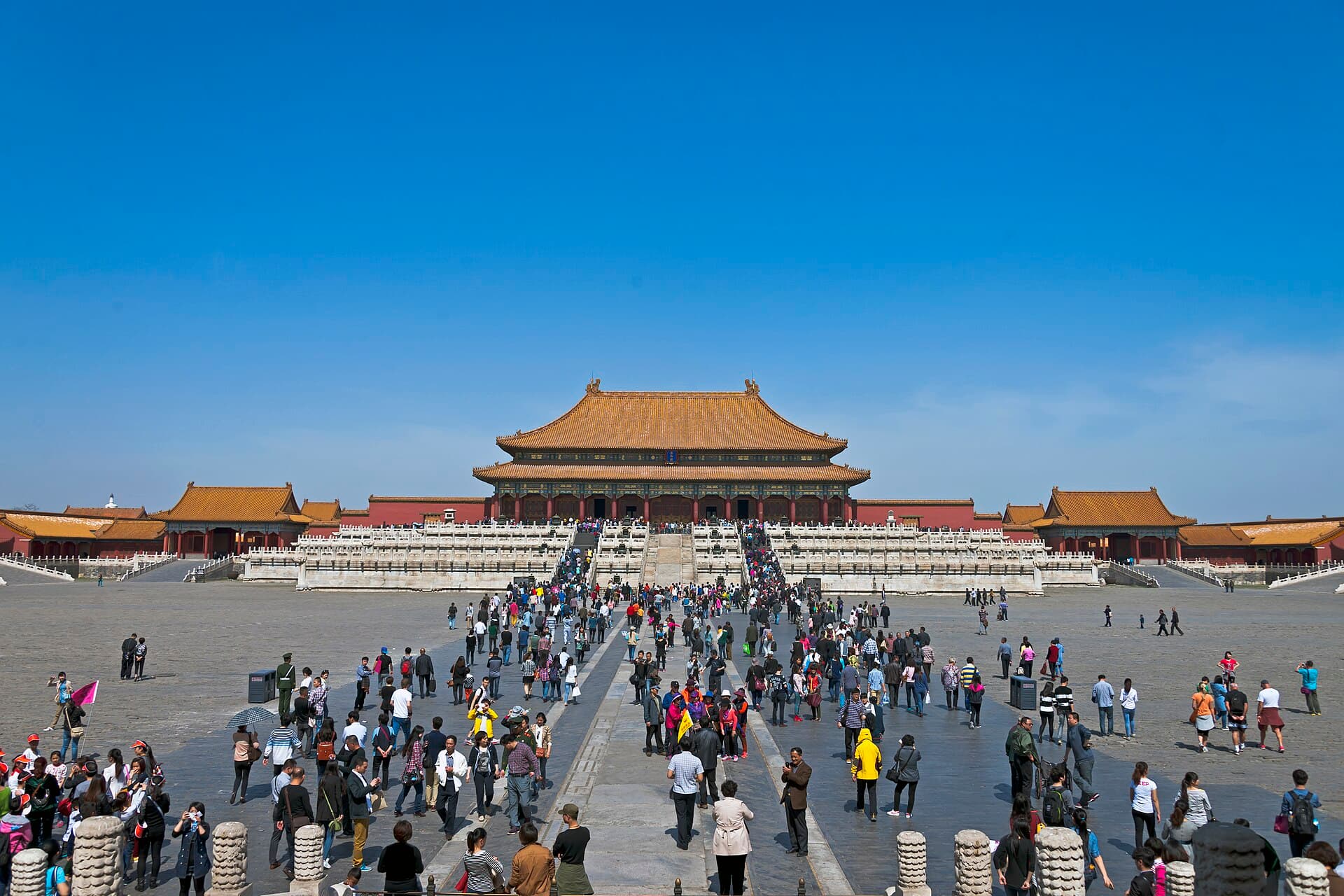
The Three Great Halls are about ritual, not comfort
The Hall of Supreme Harmony, Hall of Middle Harmony, and Hall of Preserving Harmony form the ceremonial spine of the Outer Court. This is the part many visitors photograph without quite knowing why it feels so severe. These halls were not designed as cozy palace rooms; they were designed to stage imperial authority.
Look for the hierarchy: raised terraces, central stairways, roof forms, animal figures on ridges, dragons, bronze vessels, and how visitors are kept looking upward and forward. The drama is spatial before it is decorative.
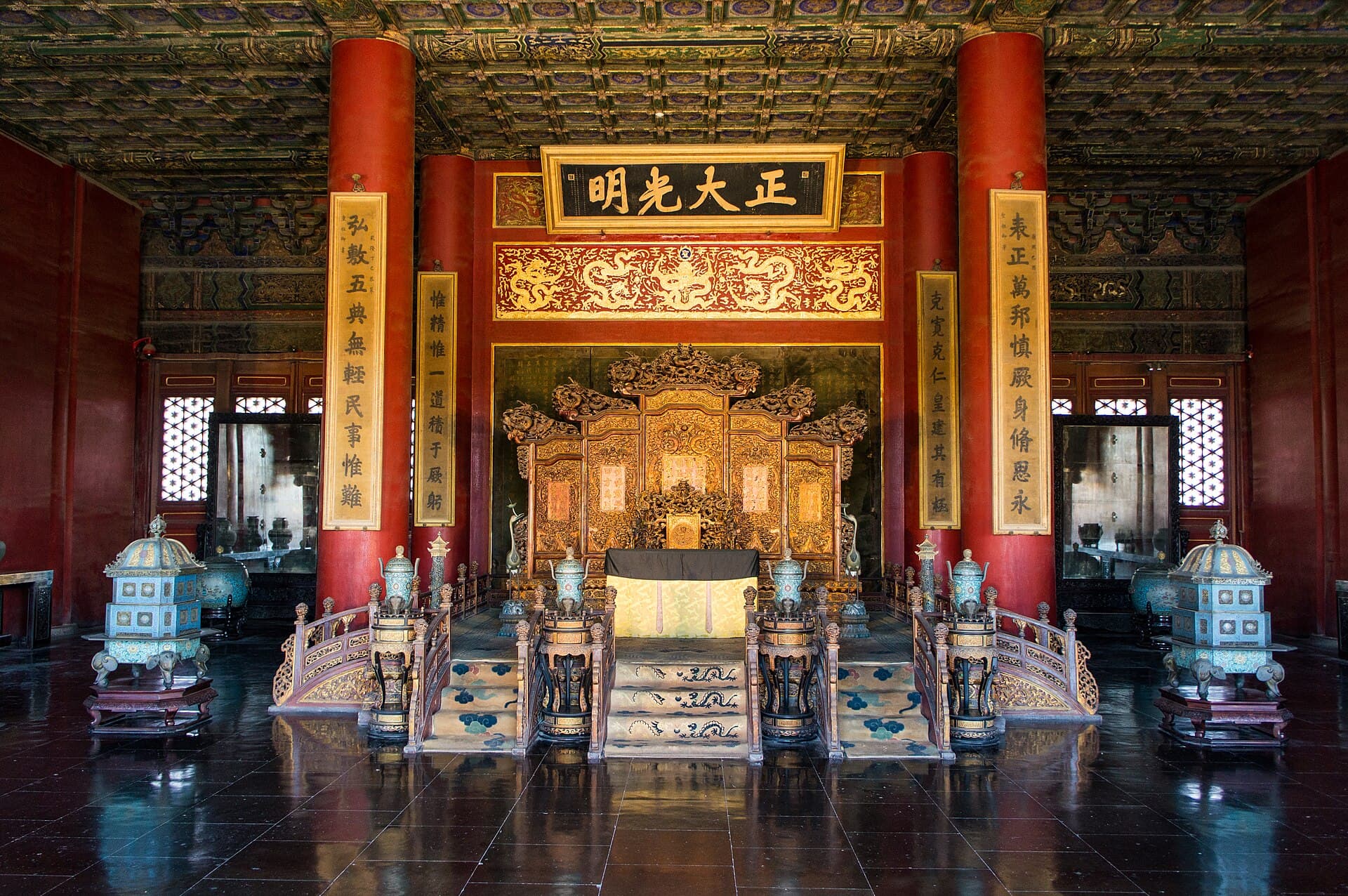
The Inner Court changes the temperature
After the ceremonial halls, the Inner Court feels more compressed and human. The Palace of Heavenly Purity, Hall of Union, Palace of Earthly Tranquillity, side palaces, gardens, and smaller compounds move the story from state ceremony into residence, administration, family, and court life.
This is where the Forbidden City becomes more interesting for travelers who like social history. You start noticing how hard it would have been to live inside a place built around rules, distance, rank, and surveillance.
Do not skip the Treasure Gallery
The Treasure Gallery costs extra, but it is one of the best ways to stop the Forbidden City from becoming only roofs and courtyards. The add-on galleries turn the visit into objects: jade, gold, enamel, Buddhist pieces, imperial gifts, display culture, and the smaller scale of luxury.
For Western visitors, this can be the moment the palace becomes less abstract. Instead of thinking only about emperors, you can see the collecting habits and technical skill that made court culture materially powerful.
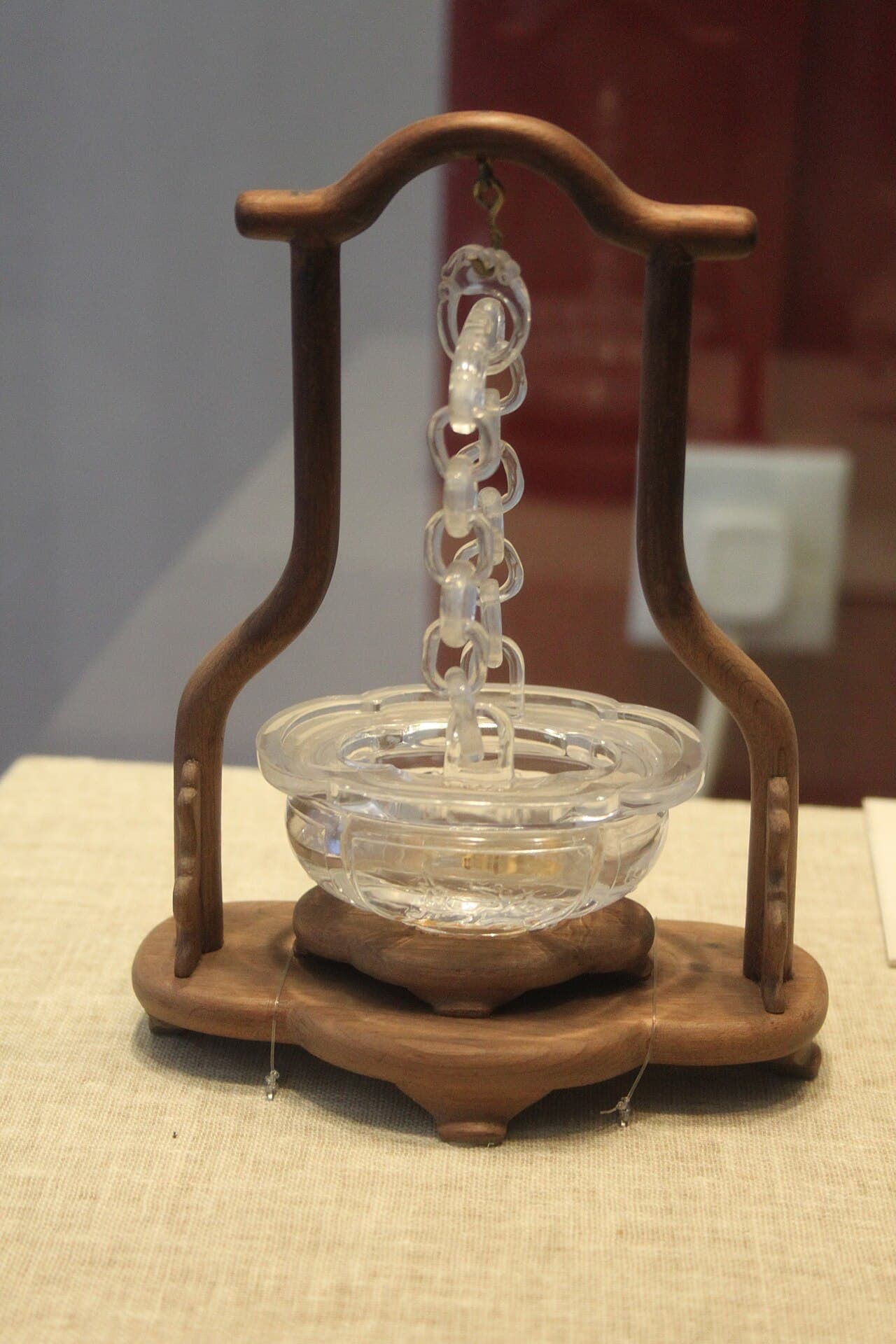
The Gallery of Clocks is unexpectedly fun
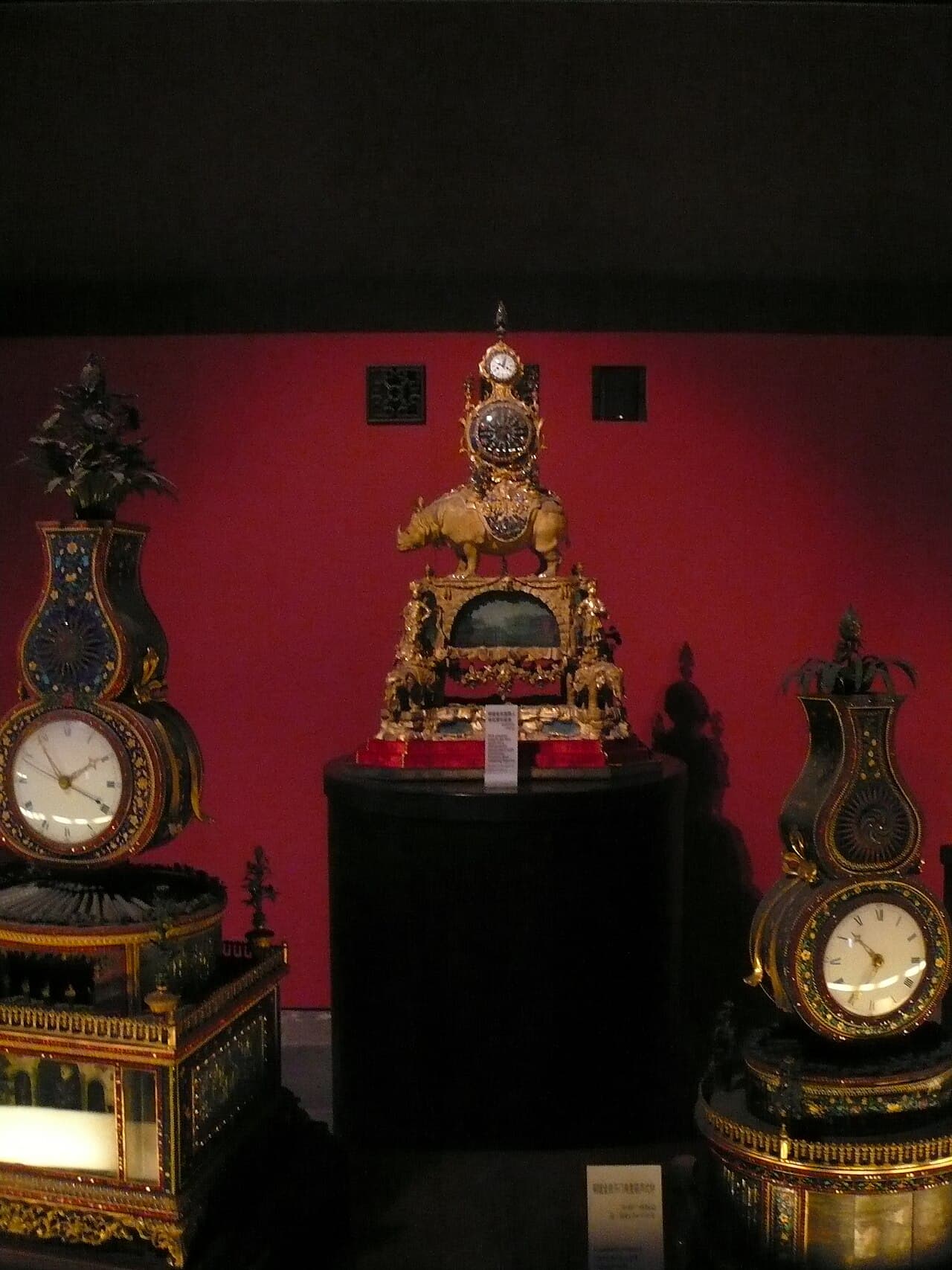
The Gallery of Clocks is another add-on that many visitors remember more clearly than expected. It is a strange, charming contrast to the monumental halls: mechanical objects, imported tastes, court fascination with timepieces, animals, automata, and decorative excess.
If you are traveling with people who are starting to fade after too many courtyards, the clock gallery can reset attention. It feels more like curiosity and spectacle than obligation.
Practical route strategy
A simple first route is Meridian Gate, Outer Court, Inner Court, Imperial Garden, then exit north toward Jingshan if the weather is clear. Add the Treasure Gallery or Gallery of Clocks if you have the time and ticket. Do not plan another huge ticketed sight immediately after.
The official page notes advance booking, Monday closure rules, seasonal admission windows, and separate fees for the Treasure Gallery and Gallery of Clocks. Check details again before going, because Beijing ticketing rules are exactly the kind of practical thing that can change.