
Beijing / Local Culture
Best Museums in Beijing: National Museum, Capital Museum, Prince Gong Mansion and Rainy-Day Culture Routes
Beijing is a museum city, but not every museum solves the same travel problem. Some are for national history, some are for reading the capital itself, some are for Qing mansion life, and some are simply excellent rainy-day or kid-friendly options. The trick is not to collect museums. It is to choose the right one for your energy, weather, and curiosity.
How to choose a Beijing museum
Do not choose a museum only because it is famous. Choose by travel need. Want the big national narrative? Go to the National Museum. Want Beijing as a city? Choose the Capital Museum. Want courtyard mansion life near Shichahai? Prince Gong Mansion. Want kids or science? China Science and Technology Museum. Want a compact, odd, memorable Xisi stop? Geological Museum of China.
The official Beijing museums directory is useful because it frames the city as a broad museum landscape, not just the Palace Museum and National Museum.
National Museum of China: the biggest national story
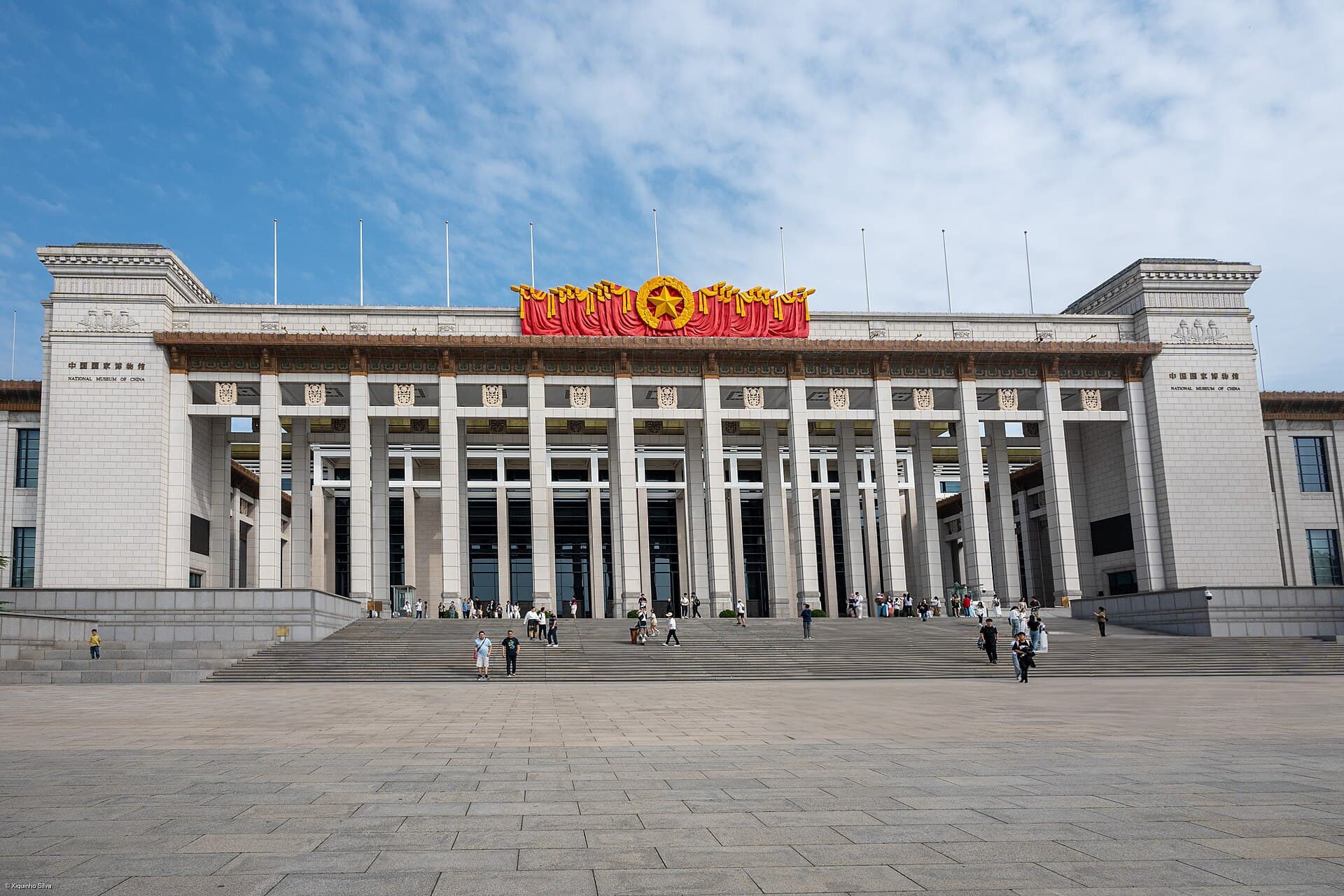
The National Museum of China sits on the east side of Tiananmen Square, which already tells you what kind of institution it is. Beijing's official page describes it as the country's highest historical and cultural art hall, dedicated to representative material evidence of Chinese culture.
This is the museum to choose if you want the sweep of Chinese history and a grand national frame. It is also a museum where reservations matter, so do not leave it to a spontaneous rainy afternoon if tickets are tight.
Capital Museum: Beijing explains itself
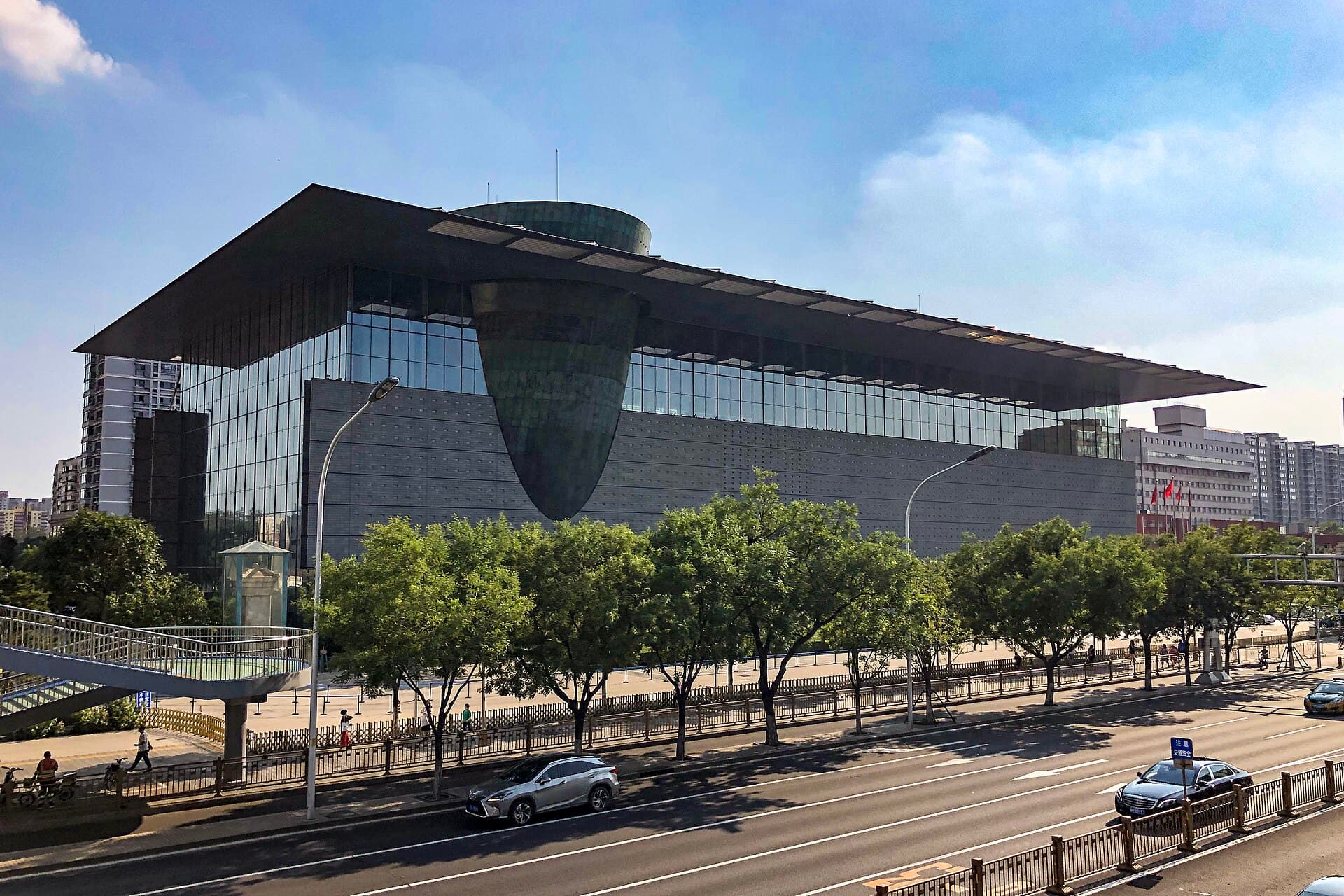
The Capital Museum is a better choice when you want Beijing specifically, not all of China at once. The official page describes it as a major museum that contributes to Beijing's identity as a historical and cultural city and one of China's first state first-class museums.
This is a strong option for travelers who have already done the Forbidden City and want more context: city history, urban culture, artifacts unearthed around Beijing, and a modern museum building that is easier to manage than the National Museum.
Prince Gong Mansion: a museum you can walk through
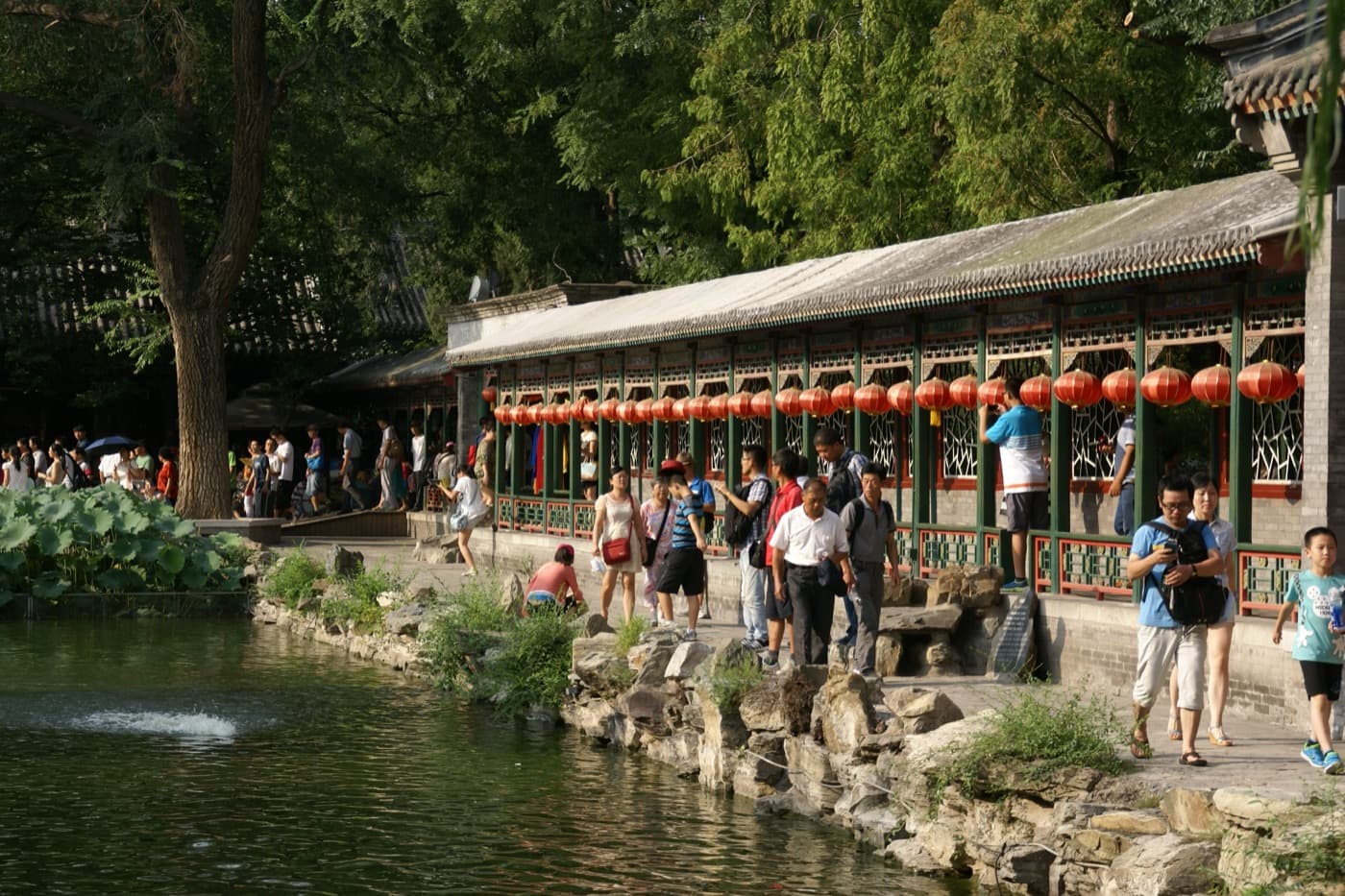
Prince Gong Mansion is useful because it is both museum and place. It sits near Shichahai and combines courtyards, gardens, exhibition rooms, mansion politics, and Qing elite life.
The official Visit Beijing page describes large quadrangle courtyards, a 28,000-square-meter garden, artificial hills, ponds, pavilions, and a grand theater. For visitors tired of glass cases, this is a more spatial museum experience.
Geological Museum of China: small enough to surprise you
The Geological Museum of China is a good Xisi-area stop for travelers who like fossils, minerals, dinosaurs, and science history. The official page notes that it is one of China's first national first-class museums and traces its roots back to 1916.
It is not the default first Beijing museum, and that is part of the appeal. It gives a culture-heavy trip a different texture, especially for families or travelers who enjoy natural history.

China Science and Technology Museum: the family-friendly heavy hitter
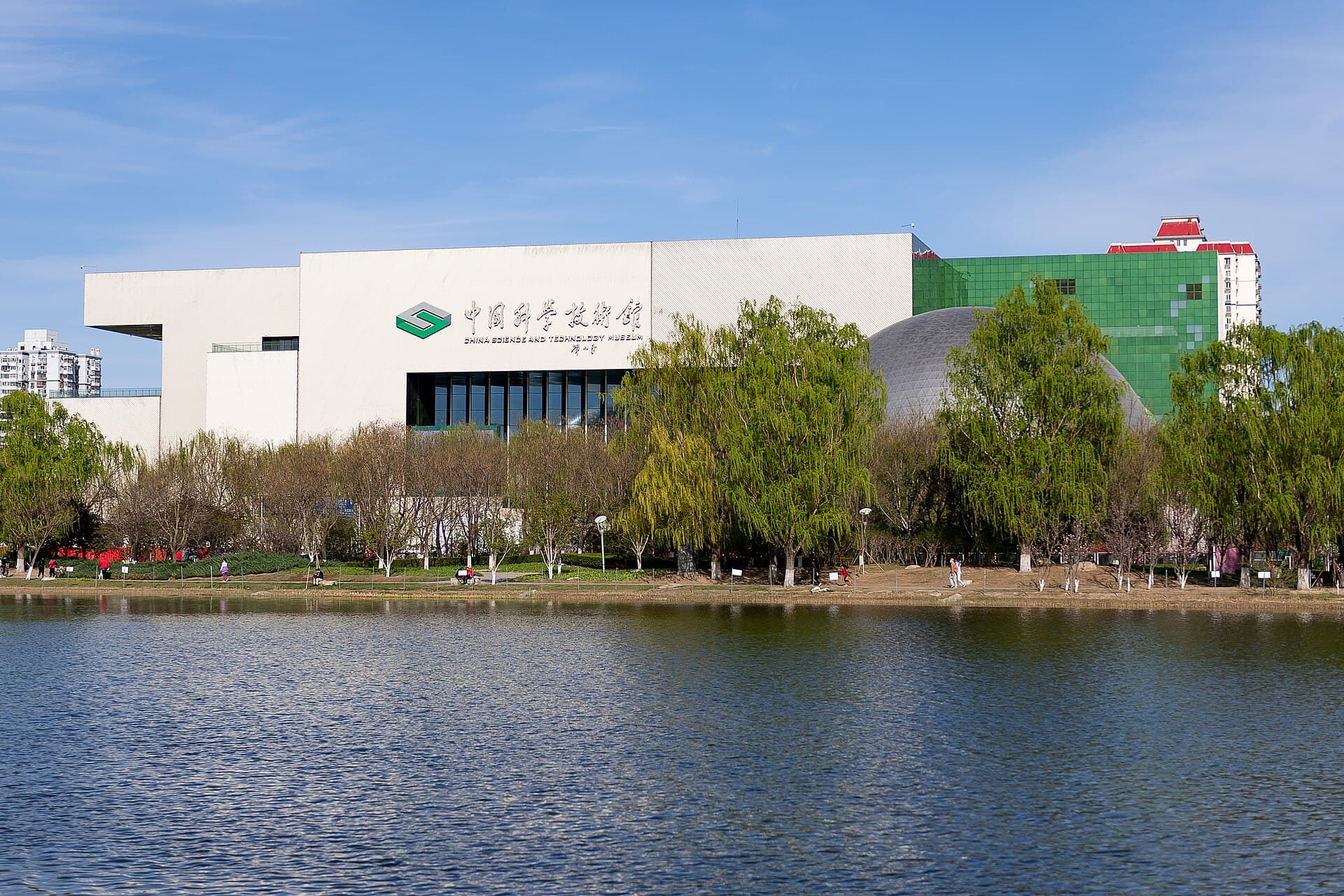
The China Science and Technology Museum is one of the best picks if you are traveling with children or want a hands-on break from palaces and temples. The official listing emphasizes science education, participatory exhibits, practice programs, and popular science experiences.
It also pairs naturally with the Olympic Green area, so you can combine it with Bird's Nest, Water Cube views, or Olympic Forest Park depending on energy and weather.
Build museum routes around weather and closures
For a rainy central day, use National Museum plus Tiananmen/Forbidden City context if you already have reservations. For a west-side culture day, use Capital Museum and Xisi. For a hutong-and-mansion day, pair Prince Gong Mansion with Shichahai, Beihai North, and nearby lanes.
Always check closure days and booking rules shortly before you go. Beijing has been adjusting museum reservation systems, and some popular venues keep stricter real-name booking even when many smaller museums are easier to enter.